Essential Car Emergency Kit Guide 2026
The General Medi 127-Piece Roadside Car Emergency Kit is the best all-in-one kit for most drivers — jump cables, reflective triangle, tow rope, and first aid supplies cover the four most common roadside breakdowns in one compact bag.
Essential Car Emergency Kit Guide Buying Guide
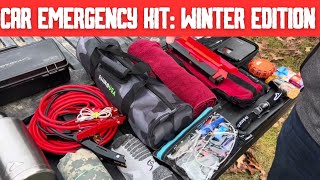
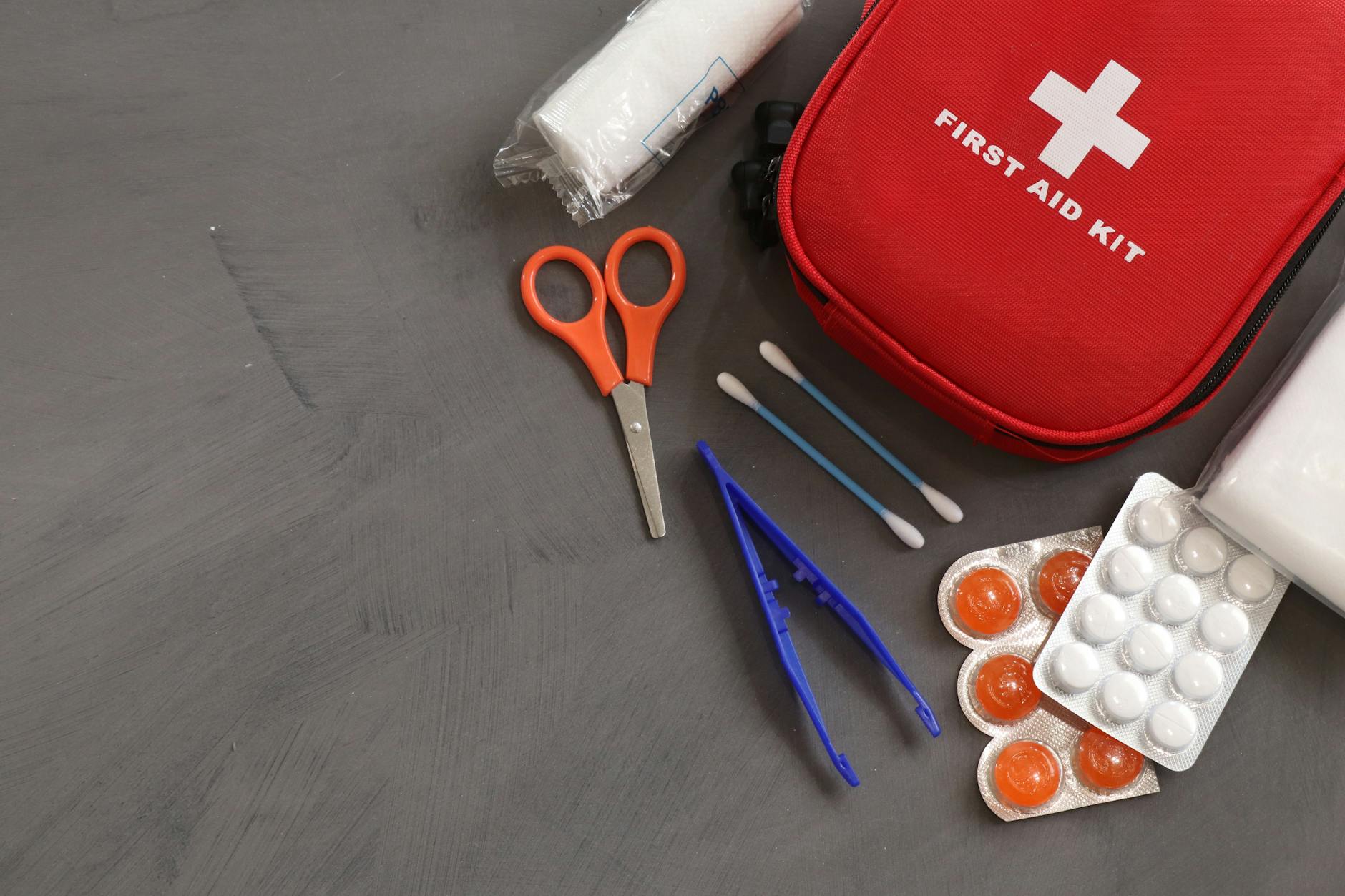 Photo by Roger Brown / Pexels
Roadside breakdown data from AAA and the National Safety Council reveals that the vast majority of breakdowns are predictable and preventable — or at least solvable on the roadside without waiting 45 minutes for a tow. A properly equipped emergency kit costs $100-$200 and handles the situations that account for 56% of all breakdowns.
Why Most Emergency Kits Fail
Most bundled car emergency kits sold on Amazon for $30-$50 include: undersized jumper cables (10-gauge wire that overheats and fails during a jump start), a puncture repair kit (only fixes slow leaks, not sidewall damage), a cheap first aid kit (bandages and antiseptic — not the trauma supplies that car accidents actually require), and a flashlight with no batteries. These kits check a psychological box ("I have an emergency kit") without providing genuine emergency capability. A real kit requires selecting each component for its actual function.
Jumper Cables vs Jump Starters
Traditional jumper cables require a second functional vehicle — not guaranteed on a rural highway at 11pm. Modern lithium jump starters (Noco Boost, AUTOGEN) are reliable to -20°F, provide 1,000-2,000 peak amps, recharge via USB, and fit in a glove compartment. They've made traditional cables a backup option rather than a primary tool. If you do keep cables, wire gauge matters critically: 6-gauge (the wire thickness — lower number means thicker) handles most passenger cars; 4-gauge handles trucks and large engines. Thin cables (8 or 10-gauge found in cheap kits) have too much resistance for sufficient current flow — the car won't start or cables get hot. Minimum 20-foot length to reach between vehicles parked bumper-to-bumper.

The Tire Problem
A 12V portable tire inflator ($30-$60) addresses the most common flat scenario: a slow leak that takes a tire from proper pressure to flat over hours or overnight. It can inflate a completely flat tire to driving pressure in 3-5 minutes for a standard passenger car tire. Fix-a-flat seals small punctures chemically — convenient but it coats the inside of the tire and requires professional cleaning before a proper repair. Most tire shops charge $30-$50 to clean out Fix-a-flat. The inflator plus a plug kit (for permanent tire plug repairs at the roadside) is more versatile. Check spare tire pressure annually — spare tires lose approximately 1 PSI per month and are often flat when needed.
First Aid for Car Accidents
The first aid need in a vehicle accident differs from standard first aid: bleeding control is the primary concern, not wound cleaning. A tourniquet (CAT tourniquet, $30) and hemostatic gauze (QuikClot, $20) address life-threatening extremity hemorrhage in the critical first minutes before EMS arrival. Emergency blankets address hypothermia shock in cold weather. Standard first aid kits (adhesive bandages, antiseptic wipes) are useful for minor injuries but miss the critical trauma supplies. Add one tourniquet and one package of hemostatic gauze to any car emergency kit.
Fluids and Oils to Carry
One quart of the correct motor oil for your vehicle (check your owner's manual for weight — 5W-30, 0W-20, etc.) handles the 1,500-mile emergency situation where the oil warning light comes on 100 miles from the next exit. Pennzoil, Valvoline, and Castrol full synthetic are equivalent in quality — use the correct weight. Carry a small container of concentrated coolant/antifreeze plus a water bottle for overheating emergencies — never remove the radiator cap on a hot engine. Windshield washer fluid is low stakes but frequently needed. Brake fluid is worth checking but not worth carrying — dark brown or black brake fluid indicates moisture contamination that requires a full flush, not a top-off.
Legal Requirements and Warning Devices
Warning triangles are required by law in 34 states when a vehicle is disabled on a roadway — flares are prohibited in several states due to fire risk. Reflective triangles ($15-$25 for a set of 3) satisfy requirements in all states and never expire. Place them at 50 feet, 100 feet, and 150 feet behind the disabled vehicle to give approaching traffic adequate warning distance. A high-visibility reflective vest ($10-$15) is required when working on a roadway in 12 states and strongly recommended everywhere — a driver striking a person in dark clothing by the roadside is a common fatality scenario.
Our Picks and Why
For the budget-conscious driver, the General Medi 127-Piece Roadside Car Emergency Kit with First Aid covers the high-frequency situations this guide flags — minor injuries, a dead-battery jump, basic roadside visibility — at a 4.8-star average across hundreds of reviews. Stepping up, the Everlit Car Emergency Kit adds an air compressor and jumper cables in one bag, which is the better choice as a primary kit or for a second vehicle. The First Secure 90-Piece Car Emergency and First Aid Kit is the most comprehensive bundle of the three, combining a full first-aid kit with roadside tools like reflective triangles and a tow strap.
“The General General Medi 127-Piece Roadside Car Emergency Kit with First Aid features 127-piece kit.”
See Today’s Price →What we like
- 127 pieces, including jumper cables, a tow rope and a mini first aid kit
- Safety vest and emergency triangle
- Compartmented bag with every item listed on it
- Room in the bag for a few items of your own
Watch out for
- The listing gives no gauge or length for the jumper cables
- No tire inflator
Read Full Analysis
The General Medi kit's value argument is direct: 127 pieces including jumper cables and first aid supplies — less than half the EVERLIT's $64.99 price, which adds an air compressor. For a trunk emergency kit that spends most of its life sitting in a bag and gets used rarely, the General Medi's breadth at a budget price is the core appeal. The first aid emphasis makes this more than a pure roadside kit — it covers minor injury response alongside car-specific emergencies, which is why it works well as a general trunk kit rather than a specialized mechanical tool set. The limitation is component quality typical of bundled kits: the jumper cables are functional but not premium gauge, and individual emergency items are budget-grade. For an everyday commuter or a second household vehicle, the General Medi delivers adequate coverage at the right price. For a primary vehicle used in isolated or cold conditions, pairing this kit with a dedicated standalone jump starter ($50-80) provides the coverage difference that matters in genuine emergencies.
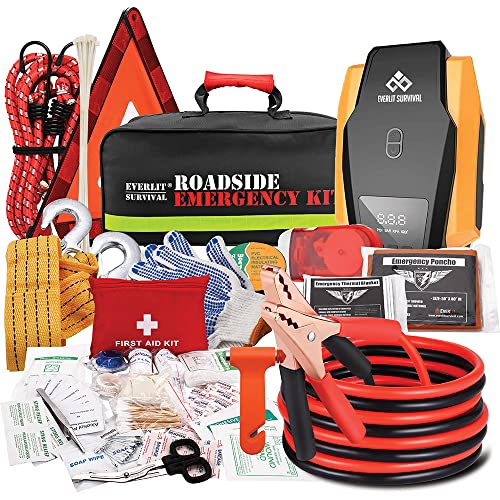
“The Everlit car emergency kit covers all the essentials in one bag — air compressor, first aid, and jumper cables — making it an excellent all-in-one solution for any vehicle, especially as a…”
See Today’s Price →What we like
- Digital tire inflator for the 12V outlet, with preset pressure and auto shutoff
- 12-foot, 8-gauge UL-listed jumper cables with a 300-amp output
- 108-piece first aid kit
- Tow rope, reflective warning triangle, glass breaker and seatbelt cutter
- Space blanket, rain poncho, safety gloves, bungee cords and cable ties
Watch out for
- 8-gauge cables are lighter than a standalone heavy-duty set for a big truck
Read Full Analysis
The EVERLIT's key addition over the General Medi is the integrated air compressor — for drivers who want to handle a low-pressure tire situation without flagging down a gas station, having a compressor in the trunk changes what a roadside kit can actually resolve on the spot. That single addition accounts for most of the $35.90 price gap between the two kits. The all-in-one bag approach — first aid, jumper cables, and air compressor together — reduces the planning required when equipping a new driver's car or buying an emergency kit as a gift. One purchase, one bag, covers the most common scenarios without additional research. The honest limitation is component grade: the air compressor is slow compared to dedicated portable tire inflators, and the jumper cables are thinner gauge than standalone jump-start cables. For regular use or remote-condition driving, buying a dedicated portable jump starter and compressor separately outperforms this kit in both categories. For occasional urban use or equipping a household fleet, the EVERLIT's breadth at $64.99 justifies the cost over the General Medi's first-aid-heavy kit.
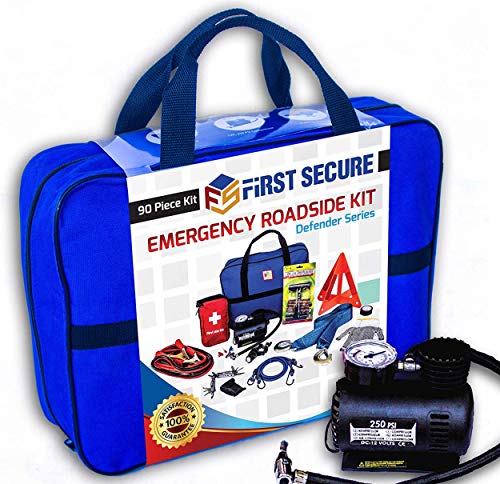
“The First Secure 90-Piece Car Emergency Roadside and First Aid Kit is the most comprehensive option — it combines a full first aid kit with roadside tools (jumper cables, reflective triangles, tow…”
See Today’s Price →Watch out for
- Vehicle-specific fitment requires verifying compatibility with your exact year make and model
- Professional installation recommended for safety-critical components to ensure proper torque specifications

“The DeWalt Digital Power Station Jump Starter provides jump-starting capability plus a built-in air compressor and USB charging ports — addressing three of the most common roadside emergencies from…”
See Today’s Price →Watch out for
- Vehicle-specific fitment requires verifying compatibility with your exact year make and model
- Professional installation recommended for safety-critical components to ensure proper torque specifications

“The Stanley Jump Starter has been the trusted entry-level jump starter for decades — straightforward clamp-to-battery design that works reliably in temperatures down to -20°F. No subscription, no…”
See Today’s Price →Watch out for
- Vehicle-specific fitment requires verifying compatibility with your exact year make and model
- Professional installation recommended for safety-critical components to ensure proper torque specifications
Frequently Asked Questions
What jump starter capacity do I need for my vehicle?
When won't jumper cables work?
How do I change a tire safely on a highway?
Is roadside assistance better than a DIY kit?
Should I keep a fire extinguisher in my car?
What should I add to my kit for winter driving?
How We Chose These Products
We compare each product’s Amazon listing, the manufacturer’s published specifications and Amazon customer ratings, shown with their review counts as Amazon’s data, and rank the products on how well they answer this page’s question. We do not test products in hand and we do not run our own analysis of review text. A publication or expert is named only where we cite its published findings about that product. No manufacturer paid for placement on this page.
A price appears only when Amazon’s API supplied it at a recent daily refresh, with the date and time beside it, and is withdrawn at 4 AM Central on the day after it turns 24 hours old; otherwise use “Check price on Amazon” for the live price. Read our full methodology →