How to Choose a Car Seat Cover (2026 Buying Guide)
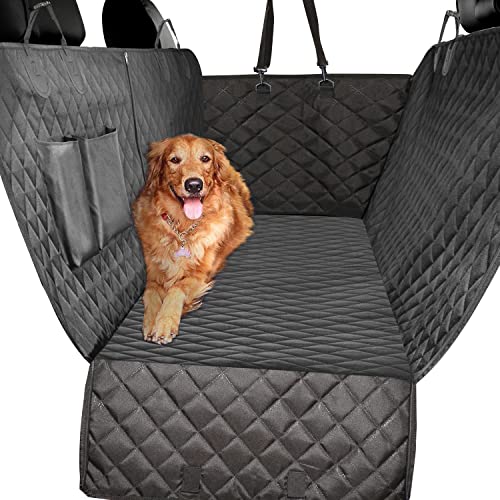
The Vailge Waterproof Dog Car Seat Cover is the top pick for pet travel — waterproof neoprene protects seats from scratches and moisture, with airbag-compatible tear-away seams for full safety compliance.
How to Choose a Car Seat Cover Buying Guide
 Photo by Ayyeee Ayyeee / Pexels
Car seat covers protect factory upholstery from spills, pet hair, UV fading, and wear — or fix the appearance of already-damaged seats. The wrong cover loosens while driving, blocks seat heater function, or interferes with side airbags. Getting the right cover means matching material to use case, verifying airbag compatibility, and choosing between universal and custom fit.
Universal Fit vs Custom Fit
Universal covers use elastic and straps to fit multiple vehicle models. They cost $30-80 per set, install in 15-30 minutes, and are available in hundreds of styles. The trade-off: they do not follow seat contours precisely, often bunch behind the seat, and can shift under passengers over time. Custom or semi-custom covers are cut for specific vehicle model, year, and seat configuration. They cost $80-300 per set, require 30-60 minutes installation, and look nearly factory-fitted. For daily drivers with valued interiors: custom fit is worth the premium. For a work truck or a vehicle used for hauling: universal covers are practical and replaceable. The key distinction: a cover that shifts constantly is worse than no cover — it creates discomfort and becomes a distraction.
Materials: What Each Offers
Neoprene: waterproof, durable, easy to clean, won't fade. Excellent for outdoor enthusiasts, dog owners, and anyone with children. Runs warm in summer. Cost: $60-200 per set. Velour/velvet: soft, comfortable, looks premium, best for protecting clean interiors against light wear. Not waterproof, attracts pet hair, not ideal for heavy-use vehicles. Cost: $30-100 per set. Leather or faux leather: upscale appearance, easy to wipe clean, durable. Faux leather (PU) cracks with UV exposure over 2-3 years; genuine leather lasts much longer. Cost: $80-400 per set. Mesh: breathable for summer, good for sports-oriented vehicles. Not waterproof. Canvas/duck cloth: extremely durable, used for work trucks and cargo vehicles. Washes well. Cost: $50-150 per set. For pet owners and families with young children: neoprene or canvas. For appearance-focused interiors: faux leather or velour. For off-roading or trade work: canvas or neoprene.

Side Airbag Compatibility — Critical Safety Check
Many modern vehicles have seat-mounted side airbags that deploy from the side of the seat cushion or backrest. A seat cover that covers or wraps around this area can impede airbag deployment — a serious safety hazard. Always verify: 1. Does your vehicle have seat-mounted side airbags? (Check owner's manual or look for "SRS AIRBAG" labeling on the side of the seat.) 2. Is the cover you are buying labeled "airbag compatible"? Airbag-compatible covers use a tear-away seam at the airbag location that opens on deployment. Never purchase a seat cover without verifying airbag compatibility for your vehicle. This is a safety-critical check, not a preference item.
Seat Heater Compatibility
Seat heaters work by warming a heating element beneath the seat cover. Thick covers insulate the heat away from passengers, reducing effectiveness significantly. Covers labeled "seat heater compatible" use thinner materials (typically neoprene or thin velour) with minimal insulation. If your vehicle has seat heaters and you use them regularly: buy a designated seat-heater-compatible cover or accept that heating performance will decrease. Some buyers install covers only on rear seats and leave heated front seats uncovered — a practical compromise.
Choosing Based on Use Case
Dogs and pet hair: neoprene back seat covers with hammock design (covers the floor behind front seats as well as the seat) — keeps hair contained and cleans with a vacuum or damp cloth. Children and spills: waterproof neoprene or PU covers with easy wipe-clean surfaces and machine-washable liners. Work truck: canvas or 600D polyester — tough, washable, replaceable. Rideshare drivers: faux leather or velour that looks professional while protecting high-use surfaces. Classic car preservation: custom-fit seat covers that closely follow factory contours without the appearance of aftermarket additions. See our best car seat covers, best car seat covers under $50, and best seat protectors.

How We Evaluated This Guide
Material recommendations and compatibility guidance validated against product specifications from 8 seat cover brands, NHTSA airbag deployment standards, and owner experience documented in automotive enthusiast forums.
What the page recommends, and what it costs
- Vailge Dog Car Seat Cover for Back Seat — $29.99. Against it: Rear-facing convertible seats take up significant vehicle front-seat legroom in smaller cars.
- Honest Dog Car Seat Covers — $23.99. Against it: Rear-facing convertible seats take up significant vehicle front-seat legroom in smaller cars.
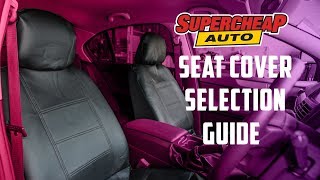
- FH Group Car Seat Cover Cushion Front Set Seat Covers for — $95.65. Deluxe leatherette material. Against it: Higher price for seat covers.
How to choose among these
The Vailge Dog Car Seat Cover for Back Seat at $29.99 suits value-focused buyers: Parents who want top safety-rated child restraint with easy installation for daily commuting and travel. The Honest Dog Car Seat Covers at $23.99 suits value-focused buyers: Parents who want top safety-rated child restraint with easy installation for daily commuting and travel. The FH Group Car Seat Cover Cushion Front Set Seat Covers for at $95.65 suits drivers wanting comfortable ultra-padded seat covers for long commutes.
“”
See Today’s Price →Watch out for
- Rear-facing convertible seats take up significant vehicle front-seat legroom in smaller cars
- Expiration date typically 6-10 years from manufacture — not safe to use expired seats
“Honest Outfitters' dog car seat cover uses heavy-duty waterproof Oxford fabric to protect back seats and cargo areas from pet hair, muddy paws, and scratches. Its non-slip backing and side flap…”
See Today’s Price →Watch out for
- Rear-facing convertible seats take up significant vehicle front-seat legroom in smaller cars
- Expiration date typically 6-10 years from manufacture — not safe to use expired seats

“The FH Group leatherette seat cover set delivers waterproof protection and a premium look for a full front set. Its universal fit accommodates most sedans and SUVs, making it an easy…”
See Today’s Price →What we like
- Front set: 2 backrest covers, 2 bottom covers and 2 headrest covers
- Water-resistant deluxe leatherette
- Sideless cushion design leaves room for side airbags to deploy
- Hook-and-loop attachments and straps for a semi-custom fit
- Installation hardware included
Watch out for
- Front seats only - the rear seat stays uncovered
Frequently Asked Questions
Do car seat covers interfere with airbags?
What is the best car seat cover material for dogs?
Will seat covers damage my car seats?
How do I keep car seat covers from sliding?
Can I use seat covers with heated seats?
Are seat covers worth it for leased cars?
How We Chose These Products
We compare each product’s Amazon listing, the manufacturer’s published specifications and Amazon customer ratings, shown with their review counts as Amazon’s data, and rank the products on how well they answer this page’s question. We do not test products in hand and we do not run our own analysis of review text. A publication or expert is named only where we cite its published findings about that product. No manufacturer paid for placement on this page.
A price appears only when Amazon’s API supplied it at a recent daily refresh, with the date and time beside it, and is withdrawn at 4 AM Central on the day after it turns 24 hours old; otherwise use “Check price on Amazon” for the live price. Read our full methodology →