Best Baby Carriers 2026: Wrap, Structured & Hip Seat Picks
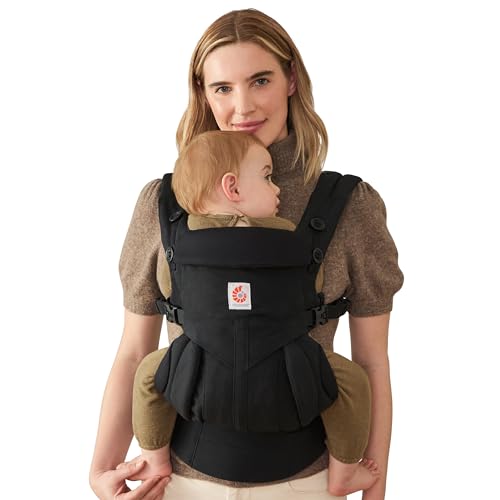
The Ergobaby Omni Classic is the best baby carrier for newborn-to-toddler use — all four carry positions work from birth through 45 lbs without a separate infant insert, and IHDI hip-healthy approval covers infants from day one.
At a Glance
| # | Product | Award | Price |
|---|---|---|---|
| 1 | Our Top Pick | $134.99 as of Nov 24, 12:19 PM CT details Buy → |
|
| 2 |  KeaBabies Baby Wrap Carrier, All … KeaBabies |
$24.20 as of Nov 24, 12:20 PM CT details Buy → |
|
| 3 |  LÍLLÉbaby Complete Airflow Deluxe… LILLEbaby |
Check price on Amazon Buy → |
Baby Carriers Buying Guide
 Photo by Yan Krukau / Pexels
Great for: Parents who want hands-free bonding and movement with a newborn, and anyone whose baby is soothed by close physical contact
Not ideal if: You have back or hip issues — babywearing adds significant weight and postural demands that can worsen existing conditions
<Baby carriers allow hands-free carrying that benefits both baby development and parental freedom. Choosing the right carrier requires matching the carrier style, weight range, and carrying positions to how and when you plan to carry.
Carrier Types
| Type | Age Range | Learning Curve | Best For |
|---|---|---|---|
| Soft structured carrier (BabyBjorn) | Newborn to toddler (with right model) | Low | Most parents — easy to use alone |
| Ring sling | Newborn to toddler | Medium | Quick-on carriers, nursing |
| Wrap | Newborn to toddler | High | Maximum closeness, experienced carriers |
| Hip seat carrier | 6 months to toddler | Low | Short-duration carrying' |
Hip-Healthy Ergonomic Position
The International Hip Dysplasia Institute recommends the "M-position" for infant carrying: baby's hips should be spread around the carrier with knees higher than the bottom — the seated frog-leg position. This position supports healthy hip joint development. All BabyBjorn carriers on this list are approved by the IHDI. Avoid carriers that allow baby's legs to dangle straight down without hip support — this can contribute to hip dysplasia in young infants.

Facing-In vs Facing-Out
Facing-in (towards carrier): Recommended for all newborns and young infants. Baby is in the natural fetal curl position, close to your heartbeat, and properly supported. Facing-out: Appropriate once baby has full head control (typically 4-5 months). The outward-facing position provides more visual stimulation for curious infants. Do not use outward-facing before baby can hold their head independently.
Weight Distribution
Carriers that transfer weight to the waist belt via hip padding are significantly more comfortable for extended carrying. The BabyBjorn Harmony and One both include waist belts. Shoulder-only carriers (Mini) are comfortable for shorter carries (under 30 minutes) but cause shoulder fatigue on longer carries. For parents planning to carry daily for extended periods, waist belt carriers are essential.
See our what baby gear do I need guide for a prioritized breakdown of what to buy — and what can wait — at each stage.Not sure which baby gear to choose? See our complete new baby checklist for help making the right call.
- What Baby Gear Do I Actually Need?
- First Year Baby Gear: Month by Month
For a detailed head-to-head, see our Baby Bjorn Vs Ergobaby Carrier comparison.
For a detailed head-to-head, see our Ergobaby Vs Lillebaby Carrier comparison.
Watch Before You Buy

“The Ergobaby Omni Classic supports all four carry positions — front inward, front outward, hip, and back — from newborn through toddler without an infant insert, backed by Ergobaby's lifetime…”
See Today’s Price →What we like
- All four carry positions — front, back, hip, and newborn
- Lumbar support for extended wear
- Ergonomic hip seat
- Ergobaby lifetime warranty
Watch out for
- Higher price than budget carriers
- Learning curve for ergonomic positioning
- Heavier than wrap carriers for newborns
Read Full Analysis
Ergobaby Omni Classic All-Position Baby Carrier earns the top spot on this page as the most versatile structured carrier for the full newborn-through-toddler range. The four carry positions — front inward, front outward, hip, and back — cover every developmental stage and parent preference without needing a separate infant insert, which cheaper all-in-one carriers still require. The lumbar support waist belt distributes the baby's weight across the lower back and hips rather than pulling from the shoulders alone, making 2–3 hour carries comfortable for most adults. Ergobaby's ergonomic hip seat positions the baby in the M-shape hip-to-knee posture recommended by pediatric hip specialists, which is critical for infant hip development during the first year. The lifetime warranty reflects the durability that justifies the premium — this carrier will outlast the babywearing years. The tradeoffs: $179 is a real investment over budget carriers, there is a learning curve for correct positioning on the first few uses, and the structured design runs heavier than minimalist wrap carriers for very young newborns.
“The KeaBabies wrap carrier stretches to fit any body type and carries newborns through toddlers in a single purchase, with machine-washable fabric and a budget price under $30. The stretchy knit…”
See Today’s Price →What we like
- Newborn to toddler range in one carrier
- Stretchy fabric molds to any body type
- Machine washable
- Budget price under $30
Watch out for
- Wrapping learning curve takes 10–15 minutes to master
- one-size-fits-all fit can be uncomfortable for petite or plus-size wearers
- less structured support than buckle carriers for babies over 20 lbs
- stretchy knit gets hot in warm weather
Read Full Analysis
KeaBabies' wrap carrier is the most accessible entry point to babywearing on this page — one piece of stretchy fabric, no buckles, no hardware to figure out. Works from newborn through about 35 lbs, molds to any body type, and is machine washable. Corners cut at this price: proper wrapping takes 10-15 minutes to learn and varies each time you put it on. The stretchy knit runs warm above 75°F. Once baby exceeds 20 lbs, the lack of rigid structure adds strain on the wearer's back compared to buckle carriers. Spending $30-40 more reaches the Ergobaby Omni or LILLEbaby Complete, which offer structured lumbar support and faster daily use once you're past the newborn stage. Best for parents with newborns who want a gentle, budget-friendly first carrier and are willing to invest a few sessions learning the wrap technique.
“The LILLEbaby Complete Airflow Deluxe features a full mesh airflow panel across the back to reduce heat buildup during extended wear, with 6 carrying positions and a lumbar support waist belt for…”
See Today’s Price →What we like
- Mesh airflow panel for heat
- 6 carrying positions
- Lumbar support waist belt
Watch out for
- Bulkier than ring slings
- Buckles feel complex initially
Read Full Analysis
The LILLEbaby Complete Airflow Deluxe is built around its full mesh panel: a ventilation surface across the carrier back designed to address the heat buildup that is the most common extended-wear complaint with soft-structured carriers. Six carrying positions — front-facing-in, front-facing-out, hip, and back carry — cover the full developmental span from newborn through toddler, and the lumbar support waist belt distributes weight to reduce lower back strain during longer sessions. The LILLEbaby sits between the KeaBabies wrap and the Ergobaby Omni Classic. The $61 premium over the KeaBabies buys a structured buckle-and-waist system that clips on quickly versus a wrap requiring a specific tying technique — a practical daily-use advantage for parents who want fast on/off without memorizing a wrap configuration. Against the Ergobaby the LILLEbaby saves $88 with a trade-off in ergonomic refinement and brand prestige that matters mainly for heavy daily use over many months. Buy if breathability in warm weather or during extended wear is the top carrier priority, and the six-position versatility justifies the step up from simpler wraps. The buckle system feels complex on first use but becomes quick with repetition. Skip if budget is the main driver — the KeaBabies wrap handles newborn carrying at significantly lower cost — or if daily intensive use makes the Ergobaby's engineering refinements worth the $89 premium.
Frequently Asked Questions
What age can I use a baby carrier?
What is the difference between a wrap carrier and a structured carrier?
How do I know if a baby carrier is safe?
Can I use a baby carrier with a newborn?
How long can a baby be in a carrier per day?
How We Chose These Products
We evaluated 3 baby carriers for ergonomic hip positioning, carrying positions, weight range, breathability, and ease of use for new parents.
We compare each product’s Amazon listing, the manufacturer’s published specifications and Amazon customer ratings, shown with their review counts as Amazon’s data, and rank the products on how well they answer this page’s question. We do not test products in hand and we do not run our own analysis of review text. A publication or expert is named only where we cite its published findings about that product. No manufacturer paid for placement on this page.
A price appears only when Amazon’s API supplied it at a recent daily refresh, with the date and time beside it, and is withdrawn at 4 AM Central on the day after it turns 24 hours old; otherwise use “Check price on Amazon” for the live price. Read our full methodology →