Best Sunscreens 2026: SPF 50+, Mineral & Tinted Picks

The EltaMD UV Clear Broad-Spectrum SPF 46 is our top pick for most people — dermatologist-recommended, gentle enough for acne-prone and sensitive skin, and light enough to wear under makeup every day.
At a Glance
| # | Product | Award | Price |
|---|---|---|---|
| 1 | Best Overall | $36.80 as of Nov 24, 12:11 PM CT details Buy → |
|
| 2 |  Neutrogena Ultra Sheer Dry-Touch … Neutrogena |
Best Budget | Check price on Amazon Buy → |
| 3 |  La Roche-Posay Anthelios Melt-In … La Roche-Posay |
$20.99 as of Nov 24, 12:25 PM CT details Buy → |
|
| 4 |  Neutrogena Ultra Sheer Dry-Touch … Neutrogena |
Budget Pick | Check price on Amazon Buy → |
Sunscreens Buying Guide
 Photo by Kampus Production / Pexels
SPF Numbers: What They Actually Mean
SPF (Sun Protection Factor) measures how much UVB radiation a sunscreen blocks. SPF 30 blocks about 97% of UVB rays; SPF 50 blocks about 98%; SPF 100 blocks about 99%. The difference between SPF 50 and SPF 100 is real but small in practice — what matters far more is whether you apply enough and reapply on schedule. Most people apply 25–50% of the recommended amount, which effectively cuts their SPF in half. A correctly applied SPF 30 outperforms a thinly applied SPF 100. Apply 1/4 teaspoon for your face and neck alone, and reapply every 2 hours outdoors.
Broad Spectrum: UVA vs. UVB Protection
UVB rays cause sunburn; UVA rays cause skin aging and penetrate deeper into skin, contributing to melanoma risk. "Broad spectrum" on a label means the sunscreen protects against both. In the US, broad spectrum is FDA-regulated — any sunscreen making this claim must pass a test. Look for "broad spectrum" on every sunscreen you buy; SPF alone does not guarantee UVA protection. Mineral sunscreens (zinc oxide, titanium dioxide) are inherently broad spectrum. Chemical sunscreens require specific UVA-blocking ingredients — check that avobenzone, mexoryl, or tinosorb is listed. The EltaMD UV Clear SPF 46 ($45) uses zinc oxide with niacinamide — it applies without white cast and is formulated for acne-prone and sensitive skin, which is why dermatologists recommend it more than almost any other facial sunscreen.
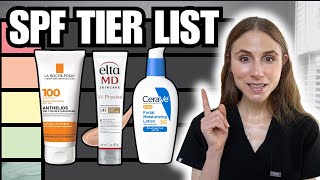
Mineral vs. Chemical Sunscreen
Mineral sunscreens (zinc oxide, titanium dioxide) sit on top of skin and physically reflect UV radiation. They work immediately upon application, are less likely to irritate sensitive skin, and are reef-safe. The tradeoff: they can leave a white cast, especially on darker skin tones — though tinted mineral sunscreens reduce this significantly. Chemical sunscreens absorb UV radiation and convert it to heat. They apply invisibly and blend easily, but need 15–20 minutes to activate and can cause irritation for some people with sensitive or acne-prone skin. Neither is universally better — choose based on your skin type and use case.
Face Sunscreen vs. Body Sunscreen
Face sunscreens are formulated to be lighter, non-comedogenic (won't clog pores), and compatible with skincare and makeup. They are more expensive per ounce but worth it for daily facial use. Body sunscreens are thicker, cheaper per ounce, and better for covering large surface areas quickly. Using body sunscreen on your face regularly can cause breakouts in acne-prone skin. For daily face use, get a dedicated face formula — it will feel better and be more likely to become a consistent habit. The Neutrogena Ultra Sheer Dry-Touch SPF 100 is the practical everyday option — its dry-touch finish avoids the greasy feel that discourages consistent use, and the higher SPF compensates for the under-application that's nearly universal in practice.
Water Resistance and Reapplication
Water resistance is rated in minutes: 40 or 80 minutes. After that time in water or heavy sweating, protection drops significantly and you must reapply. "Water resistant" does not mean waterproof — there is no such thing as a waterproof sunscreen. For beach days or swimming, choose 80-minute water resistance and set a timer to reapply. For daily urban use, water resistance matters less. Spray sunscreens are convenient for reapplication but require thorough rubbing in to ensure even coverage — do not just mist and walk away.
Related Guides
Watch Before You Buy
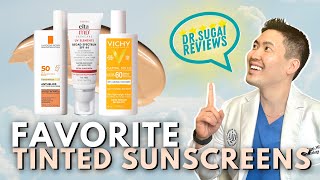
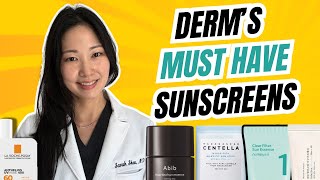
“EltaMD UV Clear SPF 46 is a dermatologist favorite for acne-prone skin — zinc oxide formula with niacinamide that won't clog pores or leave a white cast.”
See Today’s Price →What we like
- Dermatologist #1 recommended sunscreen
- No white cast on all skin tones
- Niacinamide for added skin brightening
- Fragrance-free, suitable for acne-prone skin
Watch out for
- Higher price than drugstore options
- SPF 46 (not 50—some prefer higher)
Read Full Analysis
EltaMD UV Clear SPF 46 earns its top spot through dermatologist credentials and a formulation that goes beyond basic sun protection — it's the only sunscreen in this comparison that includes niacinamide, an ingredient that simultaneously protects and helps fade post-acne marks and hyperpigmentation. The fragrance-free, zinc oxide-based formula makes it the go-to choice for acne-prone and sensitive skin where most sunscreens cause breakouts or irritation. It's 4.5x the price of Neutrogena Ultra Sheer and nearly twice La Roche-Posay Anthelios. The premium pays for the dermatologist endorsement and the niacinamide skin-treatment bonus. Neutrogena Ultra Sheer at SPF 55 covers the daily protection basics but offers no additional skin benefit. La Roche-Posay is closer in quality but still lacks the niacinamide formulation. Choose EltaMD UV Clear if you have acne-prone, sensitive, or post-procedure skin and want a sunscreen that also works toward brightening. Skip it if you need straightforward daily SPF and have no skin concerns — the Neutrogena Ultra Sheer delivers solid SPF 55 coverage at a fraction of the cost.
“Neutrogena Ultra Sheer SPF 100+ Dry-Touch is the gold standard broad-spectrum sunscreen — non-greasy HELIOPLEX formula with no white residue.”
See Today’s Price →What we like
- SPF 100+
- Dry-touch finish
- Lightweight
- Water-resistant formula
Watch out for
- Chemical sunscreen formula — some prefer mineral
- White cast possible on deeper skin tones
- High SPF can give false confidence about reapplication
Read Full Analysis
Neutrogena Ultra Sheer SPF 100+ at $9.99 does one thing better than the EltaMD UV Clear at the top of this list: maximum sun protection at minimum cost. SPF 100+ versus SPF 46 is a meaningful difference for extended outdoor exposure — beach days, hiking, or outdoor work — where the higher protection factor matters more than skin-treatment benefits. Versus EltaMD's $45, the 4.5x price difference is the straightforward trade-off: Neutrogena covers the SPF fundamentals without niacinamide or the dermatologist skin-treatment angle. The dry-touch, water-resistant formula sits well under makeup or alone. The honest limitations are the chemical sunscreen base (sensitive or acne-prone skin may react) and the possible white cast on deeper skin tones. Choose Neutrogena Ultra Sheer SPF 100+ if your priority is high-SPF daily or outdoor protection without skin sensitivity concerns and without paying a premium. The EltaMD UV Clear is the better pick if you have acne-prone skin or want the niacinamide brightening benefit built into your sunscreen.
“La Roche-Posay Anthelios SPF 100 provides reef-safe broad spectrum protection — ultra-light formula recommended by dermatologists worldwide for face and body.”
See Today’s Price →What we like
- SPF 100
- Melt-in texture
- Face and body use
- Dermatologist recommended
Watch out for
- Premium price
- Thicker texture than some competitors
- Fragrance-free appeal offset by slightly chalky finish
Read Full Analysis
La Roche-Posay Anthelios Melt-In Milk SPF 100 is the dermatologist-recommended high-SPF option at mid-range pricing — SPF 100 provides maximum chemical sunscreen protection for fair-skinned users, outdoor workers, or anyone with elevated sun sensitivity. The melt-in milk formula absorbs without a heavy residue, and the single formula covers both face and body without requiring two separate products. At $25.99, La Roche-Posay is priced above Neutrogena Ultra Sheer SPF 100 at $9.99 but below EltaMD UV Clear. The La Roche-Posay premium over Neutrogena buys the brand's dermatologist-association positioning and the melt-in texture; EltaMD adds niacinamide for sensitive and acne-prone skin. For users who want a higher-quality SPF 100 without the EltaMD premium, La Roche-Posay is the middle tier. Choose La Roche-Posay Anthelios SPF 100 if maximum UV protection with a clean melt-in application is the priority. The dermatologist-recommended positioning is backed by the brand's established reputation in the SPF category. Skip it if budget is primary — Neutrogena Ultra Sheer SPF 100 delivers the same SPF rating in a water-resistant formula at one-third the price.
“Neutrogena Ultra Sheer SPF 100 in 5oz offers the same trusted formula at a better per-ounce value — ideal for families and high sun exposure days.”
See Today’s Price →What we like
- SPF 100+
- Larger 5 oz size
- Water-resistant
- Lightweight feel
Watch out for
- Same chemical formula limitations as the 3oz — not ideal for mineral-sunscreen seekers
- Large size means longer to use up once opened
- Heavier carry item for travel
Read Full Analysis
Neutrogena Ultra Sheer Dry-Touch SPF 100 in the 5-fluid-ounce size provides the same chemical broad-spectrum formula as the standard size at a better per-ounce value — the practical choice for regular daily use where a 3-ounce bottle depletes within a season. SPF 100+ delivers maximum-level chemical sunscreen protection, and the dry-touch finish absorbs without the greasy residue that lower-SPF formulas sometimes leave. For 5 ounces, Neutrogena is the most cost-efficient SPF 100 option on this page versus La Roche-Posay Anthelios and EltaMD UV Clear. EltaMD costs 4.5x more per ounce with added niacinamide for sensitive skin; La Roche-Posay costs 2x more with the melt-in texture. For straightforward daily chemical sun protection without specialty skin concerns, Neutrogena delivers SPF 100 coverage at the most accessible price on this page. Choose Neutrogena Ultra Sheer SPF 100 5oz as the everyday chemical sunscreen for budget-primary users who need SPF 100 coverage without premium skincare additives. The 5oz size reduces per-ounce cost versus the standard size. Skip it for sensitive or acne-prone skin where EltaMD UV Clear's niacinamide formulation justifies the higher price, or for users seeking mineral (zinc oxide) sunscreen alternatives.
Frequently Asked Questions
How much sunscreen do I need for my face?
Is mineral or chemical sunscreen better?
Do I need SPF on cloudy days?
How We Chose These Products
We reviewed verified Amazon purchase data focusing on wearability, skin feel, white cast, and reports from sensitive skin users.
We compare each product’s Amazon listing, the manufacturer’s published specifications and Amazon customer ratings, shown with their review counts as Amazon’s data, and rank the products on how well they answer this page’s question. We do not test products in hand and we do not run our own analysis of review text. A publication or expert is named only where we cite its published findings about that product. No manufacturer paid for placement on this page.
A price appears only when Amazon’s API supplied it at a recent daily refresh, with the date and time beside it, and is withdrawn at 4 AM Central on the day after it turns 24 hours old; otherwise use “Check price on Amazon” for the live price. Read our full methodology →