Do Collagen Supplements Work? The Science Explained (2026)
The Vital Proteins Collagen Peptides is the best collagen supplement — hydrolyzed Type I and III peptides have clinical evidence for skin elasticity improvement at 10-15g per day. Dissolves clear in coffee or smoothies with no taste. Expect results at 8-12 weeks of consistent daily use.
Do Collagen Supplements Work? The Science Explained Buying Guide
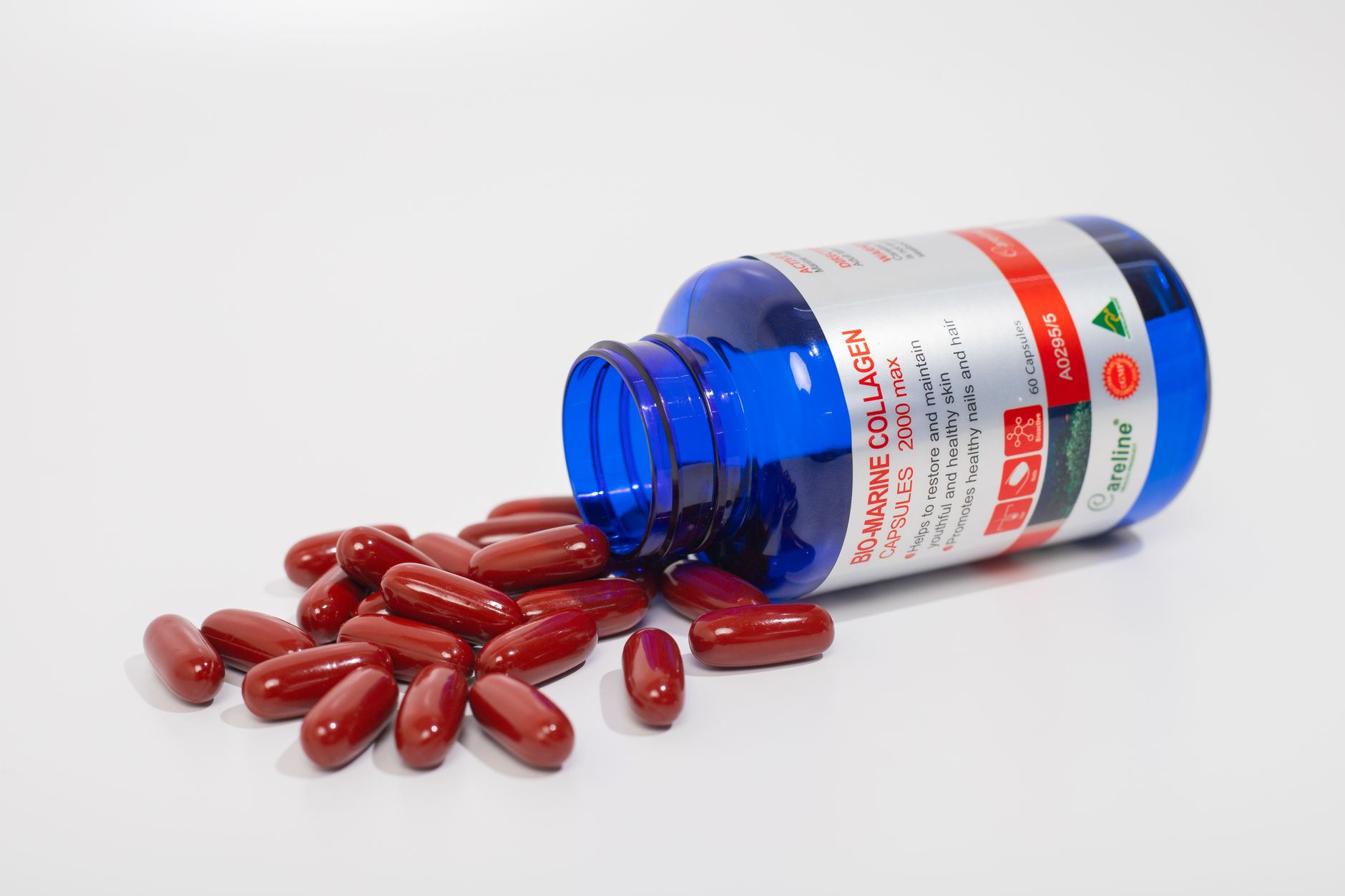 Photo by Hoàng Ngọc Long / Pexels
Collagen supplements have become one of the fastest-growing supplement categories, with claims spanning skin elasticity, joint pain relief, gut health, hair and nail growth, and muscle recovery. As with most supplement categories, the marketing significantly outpaces the research. This guide separates what the current evidence supports from what is speculation, explains the relevant collagen biology, and identifies what to look for if you decide supplementation is appropriate for your goals.
What Collagen Is and Why Supplements Are Theoretically Plausible
Collagen is the most abundant protein in the human body — the structural scaffold for skin, tendons, cartilage, bone, and blood vessels. It comprises approximately 30% of total body protein. The body produces collagen from amino acids (primarily glycine, proline, and hydroxyproline) plus cofactors including Vitamin C. Collagen production peaks in the mid-20s and declines approximately 1% per year afterward. In skin, this manifests as reduced elasticity and hydration (wrinkles, sagging). In joints, it relates to cartilage breakdown. The theoretical basis for supplementation: hydrolyzed collagen peptides (broken-down collagen chains) are absorbed more efficiently than intact collagen protein, and after absorption, research in animals and some human studies shows these peptides stimulate fibroblasts in skin and chondrocytes in cartilage to produce more collagen. The mechanism is plausible — the evidence quality varies by application.
Skin Benefits: The Best-Supported Claim
Skin is the best-studied application for collagen supplementation. A 2019 systematic review (Journal of Drugs in Dermatology, 11 randomized controlled trials, 805 patients) found that hydrolyzed collagen supplementation at 2.5-10g/day for 8-12 weeks significantly improved skin elasticity, hydration, and reduced wrinkle depth compared to placebo. The effect size was moderate. Key caveats: most trials are short (8-12 weeks), many are industry-funded, and the placebo effect in skin studies is significant. The 2020 meta-analysis in the International Journal of Dermatology confirmed the skin hydration effect with reasonable confidence. Bottom line on skin: the evidence is moderate-positive. It is not strong enough for a drug-level efficacy claim, but it is stronger than most cosmetic ingredient research.

Joint Pain: Suggestive but Weaker Evidence
Type II collagen and undenatured collagen have the most relevance for joint health — Type II is the primary collagen in cartilage. Studies on joint pain in osteoarthritis patients show mixed results. A 2016 trial found that 10g/day of hydrolyzed collagen reduced knee pain in athletes with activity-related pain. The UC-II (undenatured Type II collagen) studies are small but consistently positive. However, most joint pain studies are short, have small sample sizes, and use surrogate endpoints. The American College of Rheumatology does not list collagen supplements in its osteoarthritis treatment guidelines. For joint pain with documented osteoarthritis, glucosamine/chondroitin has more (though also contested) evidence. Collagen for joints is a reasonable low-risk experiment; it is not a proven treatment.
What to Look for in a Collagen Supplement
Type I hydrolyzed collagen peptides are the most studied for skin and general connective tissue. Type II is most relevant for joints. "Multi-collagen" products (Types I, II, III, V, X from various animal sources) have theoretical breadth but limited clinical research on the combination vs. single-type products. Dose: the most-studied effective range is 2.5-10g of hydrolyzed collagen peptides per day. Check that the product provides this per serving. Third-party testing: choose brands with NSF, USP, or Informed Sport certification to verify contents and purity. Collagen peptides from bovine hide (most common), marine (fish), or chicken sternum (UC-II) all have research — choose based on dietary restrictions. Vitamin C taken alongside collagen may enhance endogenous collagen synthesis (cofactor for hydroxylation), though direct evidence for this combination in supplement form is limited.
How We Evaluated These Collagen Products
Product recommendations required: minimum 2.5g hydrolyzed collagen per serving, third-party testing certification or NSF/USP equivalent, and transparent ingredient sourcing. Unfounded claims (hair growth beyond evidence, gut healing, bone density in healthy adults) were not factored into recommendations.
Watch Before You Buy

“The Vital Proteins Collagen Peptides Powder Advanced 20oz features 20g collagen per serving. 4.4 stars from 212,756 Amazon reviews signal consistent reliability.”
See Today’s Price →What we like
- Adds 120 mg of hyaluronic acid and 100% of the daily value of vitamin C to each serving
- Hydrolyzed collagen peptides from grass-fed, pasture-raised bovine
- Unflavored; dissolves in hot or cold drinks such as coffee, tea or smoothies
- Paleo friendly and made without dairy or gluten
- 20 oz tub with 27 servings
Watch out for
- Its listing does not give the grams of collagen in a serving
Read Full Analysis
Vital Proteins Collagen Peptides Powder delivers 20g of hydrolyzed collagen per serving — the highest dose on this page — sourced from grass-fed, pasture-raised bovine hide. The Advanced formula adds hyaluronic acid and vitamin C: vitamin C is required for collagen cross-linking in connective tissue, and hyaluronic acid supports the hydration matrix where collagen fibers are deposited. The unflavored powder dissolves in hot coffee without curdling. With 212,756 Amazon reviews at 4.4 stars, Vital Proteins is the dominant brand in the consumer collagen category by review volume — a depth of validation no other collagen on this page approaches. For approximately 28 servings, Vital Proteins costs roughly $1.54 per serving — the highest cost-per-serving here. Sports Research at rank 2 costs $26.36 for 11g-per-serving doses, putting the per-gram collagen cost at approximately $0.077/gram for Vital Proteins versus $0.058/gram for Sports Research — about 33% more expensive per gram. The hyaluronic acid and vitamin C co-factors partially justify the premium for users specifically targeting skin hydration or those who prioritize the most complete collagen formula. For pure collagen loading without the extras, Sports Research or Great Lakes Wellness at $19.99 deliver stronger per-gram value.

“11g hydrolyzed Type I & III collagen per serving. 4.6 stars from 127,391 Amazon reviews signal consistent reliability.”
See Today’s Price →What we like
- 11 g of Type I and III collagen peptides per scoop
- 10 g of protein and 40 calories per serving
- Keto Certified and Certified Paleo Friendly, by its listing
- Free from artificial flavors, sweeteners, dairy, soy and gluten
- 16 oz tub with 41 servings
Watch out for
- Plain collagen only: no added vitamin C or other nutrients
Read Full Analysis
Sports Research Collagen Peptides Hydrolyzed delivers 11g of Type I and III collagen per serving from a bovine hydrolyzed source and carries Informed Sport certification — one of the most rigorous third-party supplement testing programs, verifying label accuracy and screening for over 200 prohibited substances. It is the only Informed Sport-certified collagen on this page. The unflavored powder dissolves cleanly in both hot and cold liquids. With 127,391 Amazon reviews at 4.6 stars, Sports Research has the highest review-rating combination among the collagen options here, ahead of Vital Proteins' 4.4-star average. At $26.36, Sports Research delivers 11g of collagen per serving at approximately $0.058 per gram — roughly 25% cheaper per gram of collagen than Vital Proteins' $0.077/gram. For the majority of users, 10–12g of hydrolyzed collagen daily falls within the range studied in clinical trials on joint and skin outcomes. The collagen dose is lower than Vital Proteins' 20g, and it lacks the hyaluronic acid and vitamin C co-factors. For buyers who prioritize third-party certification, competitive per-gram cost, and strong review validation, Sports Research is the strongest value argument on this page.

“Well-established brand in collagen category. 4.6 stars from 33,492 Amazon reviews signal consistent reliability.”
See Today’s Price →What we like
- 10 g of collagen peptides per serving
- Grassfed, pasture-raised cattle source
- Keto friendly, gluten free, and free of soy, wheat and lactose
- Unflavored; mixes into drinks, smoothies or baked goods
Watch out for
- A 14 oz tub, and its listing does not state the number of servings
Read Full Analysis
NeoCell Super Collagen has been marketed specifically for skin, hair, and nail support since well before collagen supplements became mainstream — one of the longer-standing brands in this category by market tenure. Each serving delivers 6g of Type I and III hydrolyzed collagen, the types found in skin dermis and hair follicle structure. At 6g per serving, NeoCell's dose is below both Vital Proteins (20g) and Sports Research (11g) but within the range studied in some skin-specific collagen trials. The unflavored powder dissolves into any liquid or food without affecting flavor. For a 14oz container, NeoCell costs roughly $0.12 per gram of collagen delivered — approximately double Sports Research's $0.058/gram and above Vital Proteins' $0.077/gram. Great Lakes Wellness offers a lower total cost. NeoCell's positioning as a skin-focused collagen is its clearest differentiator: the brand has built its identity around beauty-application collagen research, and for buyers specifically following dermatology discussions on Type I/III collagen for skin elasticity, NeoCell is the most recognized name in that niche. Third-party testing is not prominently featured — a meaningful gap compared to Sports Research's Informed Sport certification.

“The Great Lakes Wellness Collagen Peptides Powder 16oz features best price per gram of collagen. 4.6 stars from 37,968 Amazon reviews signal consistent reliability.”
See Today’s Price →What we like
- Type I and III hydrolyzed collagen peptides
- Kosher, keto, paleo friendly, gluten free and iGen Non-GMO, by its listing
- No artificial sweeteners, preservatives or dairy
- Unflavored; goes into coffee, tea, smoothies or recipes
Watch out for
- A serving is 2 scoops (20 g), so the 16 oz tub holds 22 servings
Read Full Analysis
Great Lakes Wellness Collagen Peptides comes from the company behind Great Lakes Gelatin, one of the oldest collagen and gelatin brands in North America with a production history predating the modern collagen supplement trend by decades. The hydrolyzed Type I and III collagen powder is both Kosher and Halal certified — the only option on this page with both religious dietary certifications. The formulation is deliberately minimal: hydrolyzed collagen, nothing else. No added vitamins, no hyaluronic acid, no certification overhead passed to the buyer. It dissolves cleanly in both hot and cold liquids. For 16oz, Great Lakes Wellness is the lowest total cost on this page — below Sports Research, NeoCell, Ancient Nutrition, and well below Vital Proteins. The per-gram collagen cost undercuts every other option here. The tradeoffs are real but narrow: no vitamin C or hyaluronic acid co-factors like Vital Proteins, no Informed Sport certification like Sports Research, and no multi-type collagen sourcing like Ancient Nutrition. For buyers who want clean, economical daily collagen without extras or brand premiums, Great Lakes Wellness is the most direct value argument on this page.

“Contains Types 1, 2, 3, 5, and 10 collagen. 4.5 stars from 36,863 Amazon reviews signal consistent reliability.”
See Today’s Price →What we like
- 10 types of collagen from beef, chicken, fish and eggshell membrane
- Two scoops add 200% of the daily value of vitamin C
- Adds 4 billion CFU of soil-based probiotics
- Unflavored; mixes into hot or cold liquids
- 45 servings per tub
Watch out for
- Not for people who avoid chicken, fish or egg - its blend uses each of them
Read Full Analysis
Ancient Nutrition Multi Collagen Protein is the only product on this page combining five collagen types — Type I, II, III, V, and X — sourced from four animal origins: grass-fed beef, organic chicken, wild-caught fish, and eggshell membrane. Type II collagen from chicken cartilage is particularly relevant for joint cushioning support, a mechanism distinct from the skin and connective tissue focus of Type I/III-only products like Vital Proteins and Great Lakes Wellness. Keto and paleo certified, the formula suits dietary-framework-conscious buyers. Ancient Nutrition was co-founded by Dr. Josh Axe, with a brand identity built around broad-spectrum ancestral nutrition principles. For 16oz, Ancient Nutrition costs more than Great Lakes Wellness and Sports Research but less than Vital Proteins. The multi-source formulation carries a real tradeoff: blending five collagen types from four sources means each individual type is present at a lower per-serving concentration than single-source products. Buyers targeting one specific outcome — joint health, skin elasticity, or muscle connective tissue — may benefit more from a higher-dose single-type product. For buyers who want one daily collagen covering multiple application areas without managing separate products, Ancient Nutrition is the most comprehensive option here.
Frequently Asked Questions
Does collagen actually help skin look younger?
What type of collagen is best for skin vs joints?
Can you get enough collagen from food instead of supplements?
Are there any side effects from collagen supplements?
How long does it take to see results from collagen supplements?
How We Chose These Products
We compare each product’s Amazon listing, the manufacturer’s published specifications and Amazon customer ratings, shown with their review counts as Amazon’s data, and rank the products on how well they answer this page’s question. We do not test products in hand and we do not run our own analysis of review text. A publication or expert is named only where we cite its published findings about that product. No manufacturer paid for placement on this page.
A price appears only when Amazon’s API supplied it at a recent daily refresh, with the date and time beside it, and is withdrawn at 4 AM Central on the day after it turns 24 hours old; otherwise use “Check price on Amazon” for the live price. Read our full methodology →