Metamucil vs Benefiber: Which Fiber Supplement Is Best? (2026)
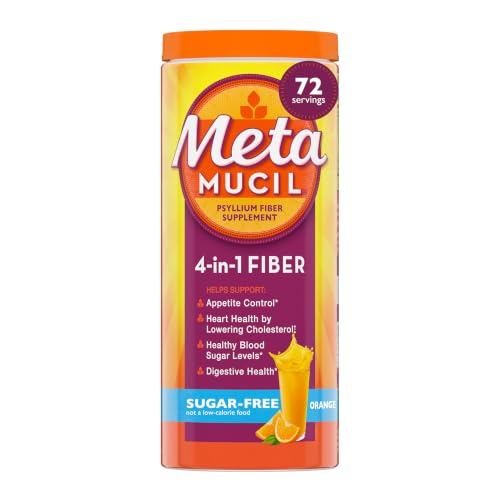
Metamucil (psyllium husk) has stronger clinical evidence for lowering LDL cholesterol and improving blood sugar. Benefiber (wheat dextrin) dissolves completely clear with no texture change, making it easier to add to any drink or food.
At a Glance
| # | Product | Award | Price |
|---|---|---|---|
| 1 | Metamucil 4-in-1 Psyllium Husk GL… Metamucil |
Best for Cholesterol | Check price on Amazon Buy → |
| 2 | 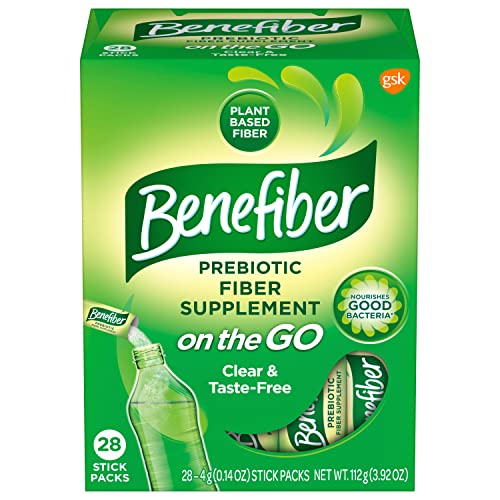 Benefiber Prebiotic Fiber Supplem… Benefiber |
Most Convenient | $13.48 as of Nov 24, 12:16 PM CT details Buy → |
| 3 |  Benefiber Prebiotic Fiber Supplem… Benefiber |
Best Value Benefiber | $13.48 as of Nov 24, 12:16 PM CT details Buy → |
Metamucil vs Benefiber Buying Guide
Most adults do not get enough dietary fiber — the recommended 25-38 grams per day versus an average intake of about 15 grams. Fiber supplements can help close this gap, but Metamucil and Benefiber work very differently once they are in your gut.
Active Ingredients and How They Work
Metamucil uses psyllium husk, a soluble fiber that forms a viscous gel in the intestine. This gel slows digestion, traps cholesterol-containing bile acids, smooths the absorption of glucose into the bloodstream, and adds bulk to stool. Psyllium husk is one of the most studied dietary fibers in clinical research. Benefiber uses wheat dextrin, a partially hydrolyzed starch. It ferments in the colon to feed beneficial gut bacteria (acting as a prebiotic) but does not form a gel. It dissolves completely and clearly in liquids, leaves no texture, and has almost no flavor.
Cholesterol and Blood Sugar Benefits
Metamucil has FDA authorization to display a heart health claim because psyllium husk has strong clinical evidence for reducing LDL cholesterol by 5-10% when taken regularly. It also helps moderate post-meal blood sugar spikes, making it particularly relevant for people managing pre-diabetes or type 2 diabetes. Benefiber does not have this heart health claim. Its prebiotic benefits — feeding bifidobacterium and lactobacillus — are real but less dramatic than Metamucil's cholesterol and blood sugar effects.
Texture and Convenience
This is where Benefiber wins decisively. Psyllium powder creates a slightly thick, mucilaginous texture when mixed with water — not unpleasant, but noticeable. It needs to be drunk quickly before it gels. Wheat dextrin (Benefiber) dissolves completely clear. You can add it to coffee, juice, or food without changing the taste or consistency. For people who skip fiber supplements because of texture issues, Benefiber is far more sustainable to take daily.
Digestive Side Effects
Both supplements can cause bloating and gas when you first start, especially if you increase the dose too quickly. Start with half the recommended serving for the first week. Metamucil must always be taken with a full glass of water — psyllium can swell and cause a choking hazard if swallowed without adequate liquid, and in rare cases of constipation issues if not hydrated properly.
Watch Before You Buy

“The Metamucil 4-in-1 Psyllium Husk Fiber Sugar-Free Orange 72 Teaspoons features fda heart health claim. Best suited for cholesterol reduction, blood sugar management, and constipation.”
See Today’s Price →What we like
- FDA heart health claim
- clinically proven LDL reduction
- aids blood sugar control
- adds significant bulk
Watch out for
- Gels quickly — must drink fast
- noticeable texture
- must take with plenty of water
Read Full Analysis
Metamucil 4-in-1 Psyllium Husk Fiber Sugar-Free Orange is the FDA heart health-claimed fiber supplement on this Metamucil vs. Benefiber comparison page — psyllium husk with an FDA-cleared health claim for LDL cholesterol reduction, blood sugar management benefits, constipation relief, and digestive support in a sugar-free powder at 72-serving capacity. The FDA heart health claim on psyllium husk is the specific regulatory differentiation from Benefiber's wheat dextrin: psyllium's clinical evidence base for LDL reduction meets the FDA threshold for an approved health claim, making Metamucil the supplement that healthcare providers specifically cite when recommending fiber for cholesterol management. The sugar-free formulation removes added sugar while maintaining orange flavor compliance for daily use. For 72 teaspoons, Metamucil Sugar-Free is mid-priced on this page — $4.49 above the Benefiber On The Go at $13.48 (Most Convenient, rk2) and $12.02 below the Metamucil 4-in-1 with Sugar at $29.99 (rk4). Both Benefiber products at $13.48 use wheat dextrin that dissolves completely clear; Metamucil's psyllium forms a gel and must be consumed quickly with adequate water. The $4.49 premium over Benefiber buys the FDA heart health claim and psyllium's documented LDL-reduction clinical evidence that wheat dextrin fiber doesn't carry at any price point. Choose Metamucil 4-in-1 Psyllium Husk Fiber Sugar-Free for cholesterol reduction and blood sugar management where the FDA heart health claim and psyllium's clinically validated LDL-reduction evidence provide the supplement specifically recommended for cardiovascular fiber supplementation — the choice when a healthcare provider recommends fiber for cholesterol. Skip it for texture-sensitive daily use: the Benefiber On The Go provides prebiotic fiber that dissolves completely clear in any beverage without gel or texture, for users where daily compliance requires no change to drink texture or taste.
“The Benefiber On The Go Prebiotic Fiber Stick Packs 28 Count features completely dissolves clear. Best suited for daily fiber intake without changing drink texture.”
See Today’s Price →What we like
- Completely dissolves clear
- no texture change
- single-serve packets for portability
- prebiotic for gut health
Watch out for
- No FDA heart health claim
- less effective for constipation than psyllium
Read Full Analysis
Benefiber On The Go Prebiotic Fiber Stick Packs are the travel-format wheat dextrin supplement on this Metamucil vs. Benefiber page — 28 single-serve stick packs providing prebiotic fiber that dissolves completely clear in any hot or cold beverage without texture, gel formation, or taste change, for fiber supplementation away from home. The complete-dissolve-clear specification is Benefiber's primary differentiation from Metamucil's psyllium: wheat dextrin disappears invisibly into water, juice, coffee, or smoothie without the quick-drink requirement that psyllium's gel formation imposes. Prebiotic activity from the wheat dextrin supports gut microbiome health in addition to the bulk-forming fiber benefits that both Benefiber and Metamucil provide. For 28 stick packs, Benefiber On The Go is the lowest confirmed price on this page — $4.49 below the Metamucil Sugar-Free at $17.97 (Best for Cholesterol, rk1) and $16.51 below the Metamucil with Sugar at $29.99 (rk4). Benefiber On The Go and Benefiber Daily Prebiotic Powder share the same $13.48 price point: the On The Go provides 28 single-serve stick packs for travel and away-from-home use, while the Powder canister provides bulk home supply. Neither Benefiber format carries an FDA heart health claim for LDL reduction — the wheat dextrin fiber type doesn't meet the FDA psyllium-specific heart health claim standard. Choose Benefiber On The Go Prebiotic Fiber Stick Packs for daily fiber supplementation where completely clear dissolution and portable single-serve packs enable consistent use in any beverage — $13.48 for 28 packs at $4.49 less than Metamucil for users who need invisible fiber that doesn't change drink texture or require fast consumption. Skip it for cholesterol and LDL management: the Metamucil 4-in-1 Sugar-Free provides psyllium husk's FDA-cleared heart health claim for cholesterol reduction at $4.49 more, and the Benefiber Daily Prebiotic Powder is the same wheat dextrin formula in a bulk canister for home use at the same price when portability isn't required.
“The Benefiber Daily Prebiotic Fiber Powder Unflavored 124 Teaspoons 8.7oz features bulk canister. Best suited for budget-friendly daily fiber routine.”
See Today’s Price →What we like
- Bulk canister
- best cost per serving
- dissolves clear
- easy to mix into food
Watch out for
- Larger container less portable than stick packs
Read Full Analysis
Benefiber Daily Prebiotic Fiber Powder Unflavored is the bulk canister wheat dextrin supplement on this Metamucil vs. Benefiber page — 124 teaspoons in an 8.7-ounce home canister at the same price as the Benefiber 28 single-serve stick packs, providing the most servings per dollar of any product on this page for daily home use. The completely unflavored dissolve-clear formula mixes invisibly into hot beverages, soups, oatmeal, and cold drinks without altering taste or texture — a practical flexibility that flavored fiber supplements and psyllium gel-formers can't match across multiple meal types. The 124-teaspoon supply provides approximately 2-4 months of once-daily use before reordering, reducing purchase frequency for committed daily fiber users. For 124 teaspoons, Benefiber Daily Powder is the best per-serving value on this page — matching the Benefiber On The Go at $13.48 (Most Convenient, rk2) in price for 4.4x more servings, and $4.49 below the Metamucil Sugar-Free 72 tsp at $17.97 (Best for Cholesterol, rk1). The 28-count Benefiber stick packs at the same $13.48 provide portability; the 124-teaspoon canister provides bulk home supply at identical price. Both Benefiber formats use wheat dextrin without the FDA heart health claim for LDL reduction that Metamucil's psyllium husk carries. Choose Benefiber Daily Prebiotic Fiber Powder for home-based daily fiber supplementation where 124 teaspoons of clear-dissolving unflavored wheat dextrin provides the best per-serving cost on this page for consistent long-term prebiotic fiber intake mixed into any food or beverage. Skip it for travel: the Benefiber On The Go provides 28 single-serve stick packs for the same price in a portable format, and the Metamucil Sugar-Free 72 tsp is the psyllium supplement with the FDA-cleared heart health claim for users managing cholesterol.
Frequently Asked Questions
Which is better for constipation — Metamucil or Benefiber?
Can Metamucil lower cholesterol?
Is Benefiber gluten-free?
How long until fiber supplements start working?
How We Chose These Products
We compare each product’s Amazon listing, the manufacturer’s published specifications and Amazon customer ratings, shown with their review counts as Amazon’s data, and rank the products on how well they answer this page’s question. We do not test products in hand and we do not run our own analysis of review text. A publication or expert is named only where we cite its published findings about that product. No manufacturer paid for placement on this page.
A price appears only when Amazon’s API supplied it at a recent daily refresh, with the date and time beside it, and is withdrawn at 4 AM Central on the day after it turns 24 hours old; otherwise use “Check price on Amazon” for the live price. Read our full methodology →