Best Alarm Clocks 2026: Digital and Analog Picks Compared

The Hatch Restore 2 earns Best Overall for its combination of personalized sunrise simulation, curated sleep and wake soundscapes, and the most comprehensive sleep coaching ecosystem available in a bedside clock. For buyers who want a simple, reliable digital alarm without smart features, the DreamSky delivers excellent large-display clarity at under $30.
At a Glance
| # | Product | Award | Price |
|---|---|---|---|
| 1 | Our Top Pick | $16.12 as of Nov 24, 12:22 PM CT details Buy → |
|
| 2 | $120.91 as of Nov 24, 12:13 PM CT details Buy → |
||
| 3 | 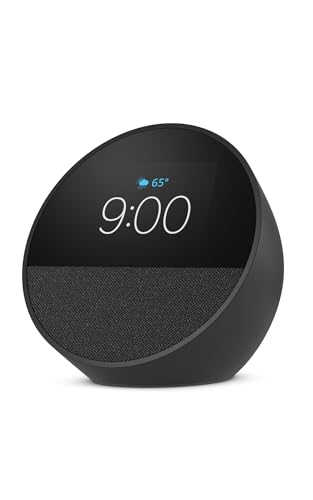 Amazon Echo Spot, Great Amazon |
$44.99 as of Nov 24, 12:32 PM CT details Buy → |
|
| 4 |  Hatch Restore 2 Sunrise Alarm Clo… Hatch Baby |
Check price on Amazon Buy → |
|
| 5 |  Sonic Bomb Dual Extra Loud Alarm … Sonic Alert |
Budget Pick | $44.99 as of Nov 24, 12:09 PM CT details Buy → |
Alarm Clocks Buying Guide
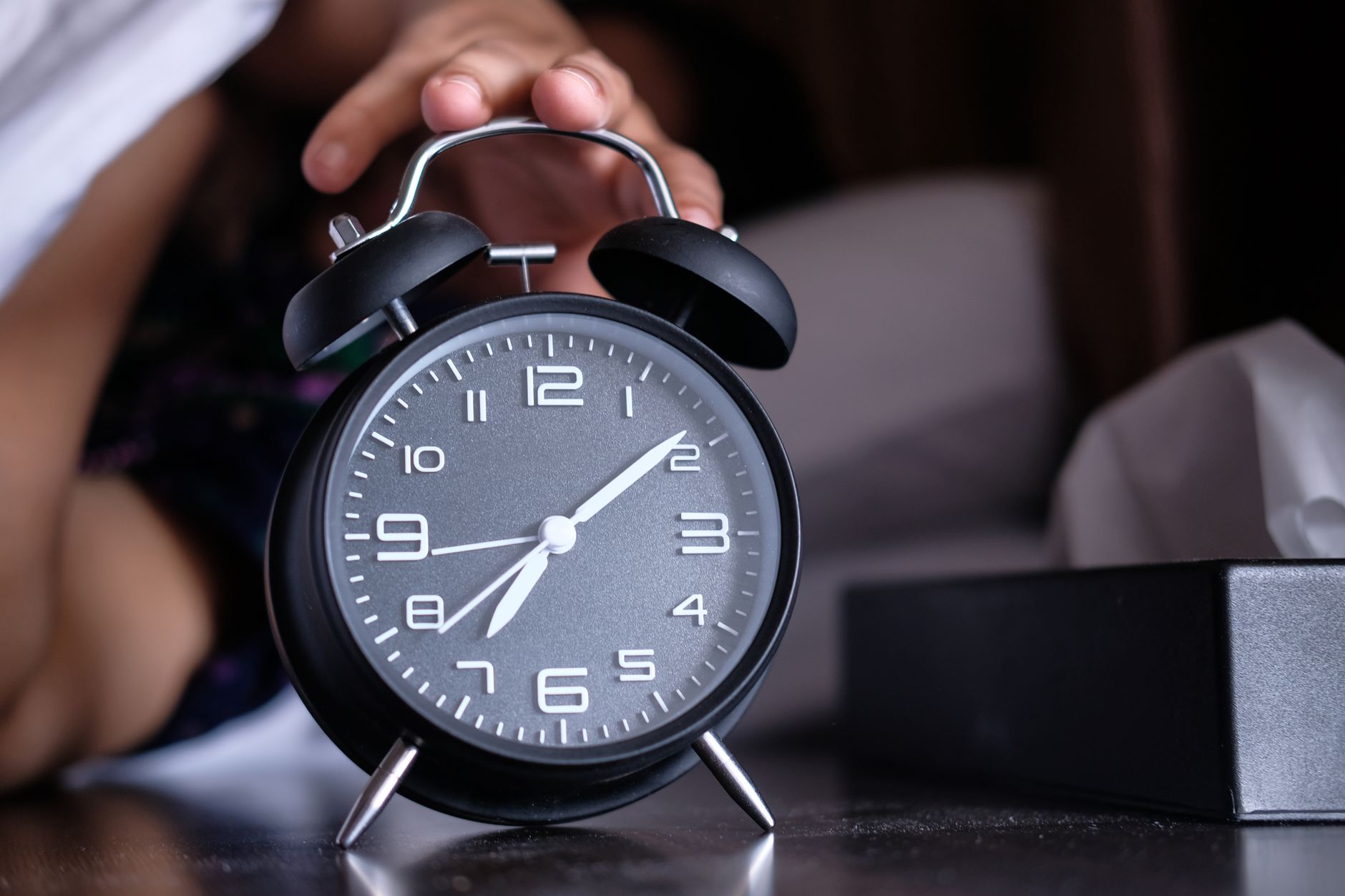 Photo by Towfiqu barbhuiya / Pexels
Sunrise Simulation: The Most Impactful Alarm Clock Feature
How we picked these. Clocks were selected for effective waking without jarring audio shock.
Sunrise Simulation: The Most Impactful Alarm Feature
Gradually increasing light that mimics sunrise gives your body time to produce cortisol and reduce melatonin naturally, which is how humans woke up for most of evolutionary history. The result is waking feeling more alert and less groggy than with jarring audio-only alarms.Clinical Evidence: 20-30 Minutes of Light Improves Wake-Up
Even simple sunrise simulation (brightening a lamp over 20-30 minutes) produces measurable morning alertness improvements in clinical studies.
Both the Hatch Restore 2 and Philips SmartSleep HF3520 use sunrise simulation, but in different ways. The Hatch pairs light with app-controlled soundscapes and sleep coaching. The Philips uses clinically validated colored sunrise without requiring any app or subscription.
Smart Features vs. Reliability
Smart Features vs. Reliability: App Control vs. Always Works
Wi-Fi-connected smart alarm clocks offer features like adaptive wake windows, sleep tracking integration, and remote scheduling. These genuinely improve outcomes for users who engage with them. The trade-off is dependency on a working Wi-Fi connection and an ongoing app relationship. Buyers who set their alarm and forget it generally do better with a dedicated device that works offline.The Amazon Echo Spot serves double duty as both an alarm clock and a smart home controller, which makes it compelling if you're already in the Alexa ecosystem. But its alarm functionality is only as reliable as your Wi-Fi and Alexa service availability.
Loud Alarms and Bed Shakers for Heavy Sleepers
Standard alarm clocks produce 60-75 dB of sound at arm's length. The Sonic Alert Sonic Bomb produces 113 dB — roughly the sound level of a chainsaw — plus a bed-shaking vibration unit that clamps under your mattress. For heavy sleepers who've slept through conventional alarms, the combination of extreme sound and physical vibration is often the only reliable solution.

Hearing-impaired sleepers and those who need to wake without disturbing a partner particularly benefit from bed-shaker units. The shaking wakes you while leaving a non-targeted bed partner undisturbed.
Display Brightness and Bedroom Light Pollution
A bright alarm clock display disrupts sleep by suppressing melatonin throughout the night. Look for clocks with adjustable brightness or auto-dimming that reduces display intensity in darkness. The DreamSky's 0-100% brightness control lets you set the display dim enough to be invisible at night while remaining readable when you glance over in darkness.
Related Guides
Watch Before You Buy

“Large LED display with 0-100% brightness dimmer — the best no-frills digital alarm under $30”
See Today’s Price →What we like
- Large LED digits readable across the bedroom
- 0-100% brightness dimmer prevents sleep disruption
- USB charging port for bedside device charging
- Simple operation with no app or connectivity required
Watch out for
- No sunrise simulation or smart features
- Basic audio alarm only
Read Full Analysis
The DreamSky's strength is simplicity executed well. The LED digits are large enough to read without glasses from across a bedroom — a basic requirement that budget clocks frequently fail on. The continuous 0-100% brightness control (not just three presets) lets you find the exact dimness that keeps the clock readable in darkness without lighting up the room enough to affect sleep. The USB charging port adds practical bedside utility. The 12/24-hour mode and adjustable alarm volume cover the full range of user preferences without requiring menu navigation. Setup takes under two minutes. The main limitation is the complete absence of advanced features. No sunrise, no soundscapes, no app control. For buyers who find smart clock ecosystems more complicated than helpful, this limitation is actually an advantage. For anyone who's ever had their phone's alarm fail because of a software update, a dedicated simple clock with a replaceable battery is compelling reliability.
“Clinically validated sunrise simulation with no subscription or app required — the proven standalone option”
See Today’s Price →What we like
- Clinically validated sunrise simulation with 20 brightness settings
- No app or subscription required — completely standalone
- 5 natural wake sounds plus FM radio
- Proven in university sleep studies
Watch out for
- No smart home integration or app control
- Older design compared to newer competitors
Read Full Analysis
The Philips SmartSleep's light therapy design is backed by academic research — it's not just a marketing claim. The 300-lux light output across 20 brightness settings produces the intensity needed to suppress melatonin and trigger cortisol for natural waking. Buyers who've used it for 2+ weeks consistently report easier morning alertness compared to audio-only alarms. The five natural sound options — birds, forest, Zen garden, ocean, and gentle piano — are high quality and non-repeating over their duration. FM radio serves as a backup alarm for traditionalists. The sunset simulation (gradually dimming light for sleep) mirrors the wake feature for complete circadian support. The trade-off versus the Hatch is feature depth. No app means no remote control, no schedule flexibility beyond the physical dial, and no soundscape variety. For buyers who want to set it once and let it work independently, this is actually a feature. For buyers who want customization and integration, the Hatch is the better choice.
“Alexa-powered bedside hub with reliable voice-controlled alarms and smart home control”
See Today’s Price →What we like
- Alexa built-in for voice-controlled scheduling and smart home management
- Compact design fits any bedside table
- Excellent speaker quality for its size
- 2.83-inch display is clear and adjustable brightness
Watch out for
- No sunrise simulation — light-only waking requires separate smart bulb setup
- Entirely dependent on Wi-Fi and Alexa service availability
Read Full Analysis
The Echo Spot's value proposition is ecosystem integration. If you use Alexa throughout your home, having a bedside unit that can control lights, thermostat, and other devices without reaching for a phone is genuinely convenient. The 2024 redesign improved sound quality significantly — the directional speaker produces clear audio for music, podcasts, and morning news briefings. The alarm functionality itself is reliable and flexible. Multiple alarms, different schedules for different days, and voice-controlled changes eliminate fumbling with physical buttons at 6am. The 2.83-inch screen displays weather, time, and smart home controls in a clean interface. For pure alarm clock functionality, the Hatch and Philips are superior. The Echo Spot's advantage is breadth — it replaces both an alarm clock and a smart home controller on the bedside table. For buyers who only want a reliable wake-up tool, the DreamSky costs $54 less and does the core job just as reliably.
“The most complete sleep and wake ecosystem — sunrise simulation, coaching, and soundscapes in one bedside device”
See Today’s Price →What we like
- Personalized sunrise simulation with app-controlled intensity and color
- Curated soundscapes and sleep coaching content library
- Doubles as sleep sound machine and bedside reading lamp
- Smart Home integrations via Wi-Fi
Watch out for
- Full feature set requires Hatch+ subscription at $4.99/month
- Premium pricing at $170
Read Full Analysis
The Restore 2's sunrise simulation is the best implementation on this list. The color transitions from warm amber to bright white over 30 minutes in a way that closely mimics natural dawn, and the intensity is app-controlled so you can match it to your room's typical morning light level. Paired with the optional wind-down routine (gradually dimming light and fading soundscapes at bedtime), it creates a complete circadian support system from sleep to wake. The Hatch+ content library includes hundreds of soundscapes for sleep, focus, and relaxation — far more than any competing device. The sleep coaching programs, developed with sleep specialists, address issues like sleep anxiety, inconsistent sleep times, and middle-of-night waking. For buyers who struggle with sleep quality beyond just the alarm, this content is genuinely useful. The subscription model is the primary debate. The core sunrise alarm and basic soundscapes work without it; the full library requires $4.99/month. Buyers who engage with the content find the subscription worth it. Those who just want a reliable sunrise alarm might find the Philips SmartSleep a better value at half the price.
“113 dB alarm plus bed shaker vibration — the most reliable wake solution for heavy sleepers”
See Today’s Price →What we like
- 113 dB alarm volume — among the loudest available
- Includes bed shaker vibration unit for physical wake stimulus
- Flashing alert lights add visual alarm
- Battery backup prevents outage failures
Watch out for
- Not designed for gentle waking — extremely jarring by design
- Large, utilitarian design not suited for minimalist bedrooms
Read Full Analysis
The Sonic Bomb isn't trying to make waking pleasant — it's trying to make it inevitable. The 113 dB alarm is roughly equivalent to standing near a running chainsaw. The bed shaker unit (included) slides under your mattress or pillow and vibrates with enough intensity to rouse deep sleepers who'd otherwise ignore an audio alarm. The flashing alert lights add a third sensory channel. For deaf and hard-of-hearing sleepers, the bed shaker combined with flashing lights provides a complete non-audio wake system. Parents of teenagers who sleep through conventional alarms frequently report the Sonic Bomb as the first clock that actually works. The adjustable alarm volume means you can dial down the intensity on days when you need a gentler wake-up (though 'gentle' is relative — even at lower volume settings, this is a loud clock). Battery backup prevents the embarrassment of sleeping through a power outage on an important morning.
Frequently Asked Questions
Are sunrise alarm clocks worth it?
What's the best alarm clock for heavy sleepers?
Do I need a subscription for the Hatch Restore 2?
What's the difference between the Hatch Restore 2 and the Philips SmartSleep?
Can I use an alarm clock instead of my phone?
How We Chose These Products
We weight wake effectiveness and reliability (35%), ease of use and setup (25%), feature quality for price tier (25%), and long-term satisfaction (15%). Smart clocks are evaluated on whether their app and subscription features deliver real sleep improvement, not just marketing claims.
We compare each product’s Amazon listing, the manufacturer’s published specifications and Amazon customer ratings, shown with their review counts as Amazon’s data, and rank the products on how well they answer this page’s question. We do not test products in hand and we do not run our own analysis of review text. A publication or expert is named only where we cite its published findings about that product. No manufacturer paid for placement on this page.
A price appears only when Amazon’s API supplied it at a recent daily refresh, with the date and time beside it, and is withdrawn at 4 AM Central on the day after it turns 24 hours old; otherwise use “Check price on Amazon” for the live price. Read our full methodology →