Best Kidde Smoke & CO Detectors 2026

The Kidde i12010SCO Hardwired Combination Smoke & CO Alarm is the best Kidde detector for homes with existing hardwired smoke detectors — an interconnectable combination alarm that detects both smoke and carbon monoxide in a single unit.
At a Glance
Kidde Smoke & CO Detectors Buying Guide
 Photo by Tim Eiden / Pexels
Kidde makes the most recommended smoke and carbon monoxide detectors in the U.S. — their products are specified by fire codes, recommended by fire departments, and approved by insurance underwriters. For a category where the product's job is to not fail in an emergency, Kidde's institutional track record carries more weight than marketing claims. Choosing the right detector type (hardwired, battery, plug-in) for each location is the most important purchasing decision.
Hardwired vs. Battery vs. Plug-In
Hardwired smoke detectors (like the Kidde i12010SCO) connect to the home's electrical system and are interconnected — when one alarm sounds, all alarms in the network sound simultaneously. This interconnection is required by building codes in most new construction and is significantly more effective in multi-story homes where a basement fire needs to wake someone on the third floor. Battery-only detectors are appropriate for homes without hardwiring and for temporary living situations. Plug-in CO detectors (Kidde 7CO and Nighthawk) work anywhere there's an outlet and are easy to add to existing protection.
Carbon Monoxide Detection: Why Combination Alarms Matter
Carbon monoxide is odorless and invisible — it kills without warning in concentrations that build over minutes to hours. A combination smoke and CO detector provides both protections in a single unit, which ensures CO detection in every room where fire detection is already required. The Kidde i12010SCO combines both sensors at a price close to standalone smoke-only models. Homes with gas appliances (furnace, water heater, stove, fireplace) are at highest risk for CO accumulation and should have CO detection on every floor.
The Nighthawk: Natural Gas and CO Detection
The Kidde Nighthawk Plug-In Carbon Monoxide and Explosive Gas Alarm detects both CO and combustible gases (natural gas, propane). Most CO detectors don't detect natural gas or propane leaks — a different sensor is required. The Nighthawk is the right choice for kitchen installation near gas appliances, garages with gas vehicles, and any space where both CO and combustible gas leaks are realistic risks. For living areas and bedrooms, standard CO detection is sufficient.
How We Picked These
How we picked these. Products span Kidde's hardwired, battery, plug-in, and combination gas detection categories.
Watch Before You Buy
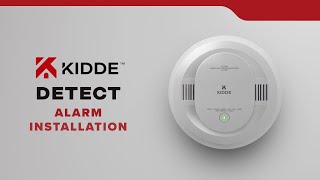
“At $69.97 this hardwired combo alarm meets UL 217 and UL 2034 standards for both smoke and CO — the code-compliant solution for new construction or any room with a hardwire circuit already run.”
See Today’s Price →What we like
- Hardwired installation connects to home electrical system for operation without relying on batteries alone under normal use
- Combination smoke and CO detection in one device reduces the total number of ceiling units needed per room
- Interconnectable with other Kidde hardwired units — when one alarm sounds, all linked alarms in the home sound simultaneously
Watch out for
- Hardwired installation requires ceiling wiring access and a neutral wire — not DIY-friendly for all homeowners
- 9V backup battery still requires periodic replacement to maintain function during power outages
Read Full Analysis
The Kidde i12010SCO earns its top slot by combining smoke and carbon monoxide detection in a single hardwired ceiling unit — meaning one installation covers two of the most serious home hazards without cluttering your ceiling with separate devices. Hardwired power means continuous protection without battery-drain worries; the included 9V backup battery keeps it active during power outages. The standout capability is interconnect: wire multiple i12010SCO units together and when one alarm sounds, all units in the home sound simultaneously — the standard that modern building codes increasingly require. This is among the most affordable hardwired combo alarms Kidde makes. The catch is installation complexity: hardwired units require access to your home's electrical system with a neutral wire, making this a call-an-electrician situation for most renters or homeowners without electrical experience. If you're already wiring new alarms into a home, this is the specification-correct choice. If you want a no-tools CO detector you can move from room to room, consider the battery or plug-in models elsewhere on this page instead.
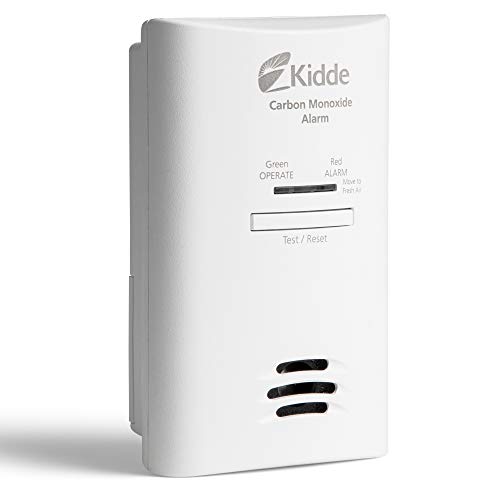
“Plugs into any standard outlet with battery backup when power goes out. The digital display reads real-time CO levels in ppm — useful for pinpointing a source after the alarm first triggered.”
See Today’s Price →What we like
- Plugs into a standard 120V outlet
- Two AA batteries back it up in a power outage
- Peak Level Memory and a Test-Hush button
Watch out for
- Needs a free outlet where you want it
- No CO level display
Read Full Analysis
The Kidde plug-in CO detector splits the difference between the battery alarm at rank 2 and a fully hardwired unit: it draws continuous power from a standard outlet, eliminating battery maintenance, while still requiring no ceiling installation or electrical work. The digital PPM readout carries over from the battery model — useful for spotting gradual CO buildup before it reaches alarm thresholds. A 9V backup battery means the unit keeps running through power outages, which matters because CO from faulty furnaces or generators is more likely during weather events that also cause power disruptions. The main placement constraint is outlet dependency: the detector sits near floor level where most outlets are located, while CO tends to distribute roughly evenly through a room rather than settling at a specific height, so floor-level placement is functionally acceptable for CO. Choose this over the battery model if you want set-it-and-forget-it power without calling an electrician; choose the hardwired i12010SCO if you need smoke detection bundled in as well.

“LED light bar pulses amber for low alarm and solid red for full alarm — the visual alert that helps deaf or hard-of-hearing residents identify what type of threat triggered the alarm.”
See Today’s Price →What we like
- Detects both smoke and carbon monoxide in one alarm
- Voice alerts that say 'Fire' or 'Warning, Carbon Monoxide'
- Built-in 10-year battery, with no battery changes by Kidde's description
- 85-decibel alarm with a red warning light; 10-year limited warranty
Watch out for
- No display: its listing's title and bullets do not mention a CO reading
- Battery only: its listing does not describe hardwiring or interconnection
Read Full Analysis
The Kidde Smoke and Carbon Monoxide Detector at rank 5 is the battery-powered counterpart to the hardwired combo at rank 1 — combining smoke and CO detection in a single unit without requiring electrical access. The defining feature is the LED light indicator: when the alarm sounds, a visual strobe or indicator activates alongside the audible alarm, making this the correct choice for users who are deaf or hard of hearing. That's a specific accessibility need that none of the other models on this page address. As a battery-only unit, it installs in minutes with no tools beyond a screwdriver, and it can be mounted anywhere a smoke alarm would logically go. The limitations are consistent with other battery CO alarms: batteries need periodic replacement, and Kidde's battery combo units typically operate independently rather than interconnecting with hardwired alarm networks across the home. If the visual alert feature isn't relevant to your household, the hardwired i12010SCO at rank 1 delivers the same combo detection with continuous power. But for a self-contained unit with LED visual alarm capability, this Kidde model fills a niche that smoke-only or CO-only detectors don't.
Frequently Asked Questions
How many smoke detectors does a house need?
What is the difference between ionization and photoelectric smoke detectors?
How long do Kidde smoke detectors last?
Where should a CO detector be placed?
How We Chose These Products
We compare each product’s Amazon listing, the manufacturer’s published specifications and Amazon customer ratings, shown with their review counts as Amazon’s data, and rank the products on how well they answer this page’s question. We do not test products in hand and we do not run our own analysis of review text. A publication or expert is named only where we cite its published findings about that product. No manufacturer paid for placement on this page.
A price appears only when Amazon’s API supplied it at a recent daily refresh, with the date and time beside it, and is withdrawn at 4 AM Central on the day after it turns 24 hours old; otherwise use “Check price on Amazon” for the live price. Read our full methodology →