Best Microphones for Recording 2026: Ranked
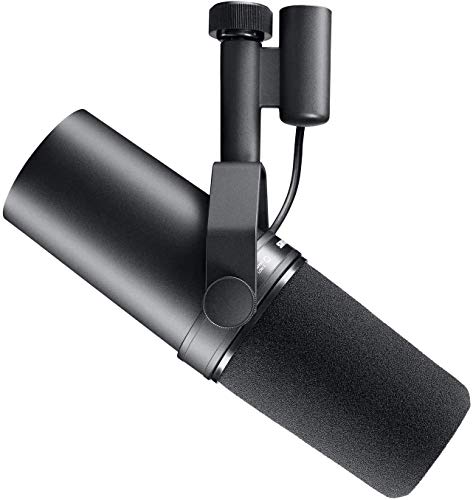
The Shure SM7B is the best microphone for recording — broadcast-quality dynamic capsule trusted in professional studios and top podcasting setups worldwide, with an internal shock mount and pop filter built in and a cardioid pattern that rejects room noise condenser mics amplify.
At a Glance
| # | Product | Award | Price |
|---|---|---|---|
| 1 | Best Professional | $369 as of Nov 24, 12:08 PM CT details Buy → |
|
| 2 | 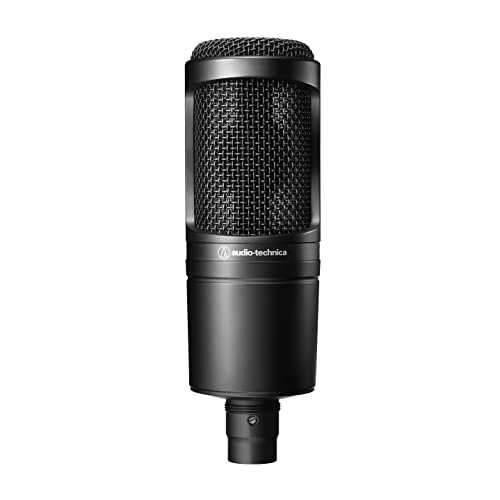 Audio-Technica AT2020 Cardioid Co… Audio-Technica |
Best Studio Condenser | $118 as of Nov 24, 12:08 PM CT details Buy → |
| 3 | Check price on Amazon Buy → |

Microphones for Recording Buying Guide
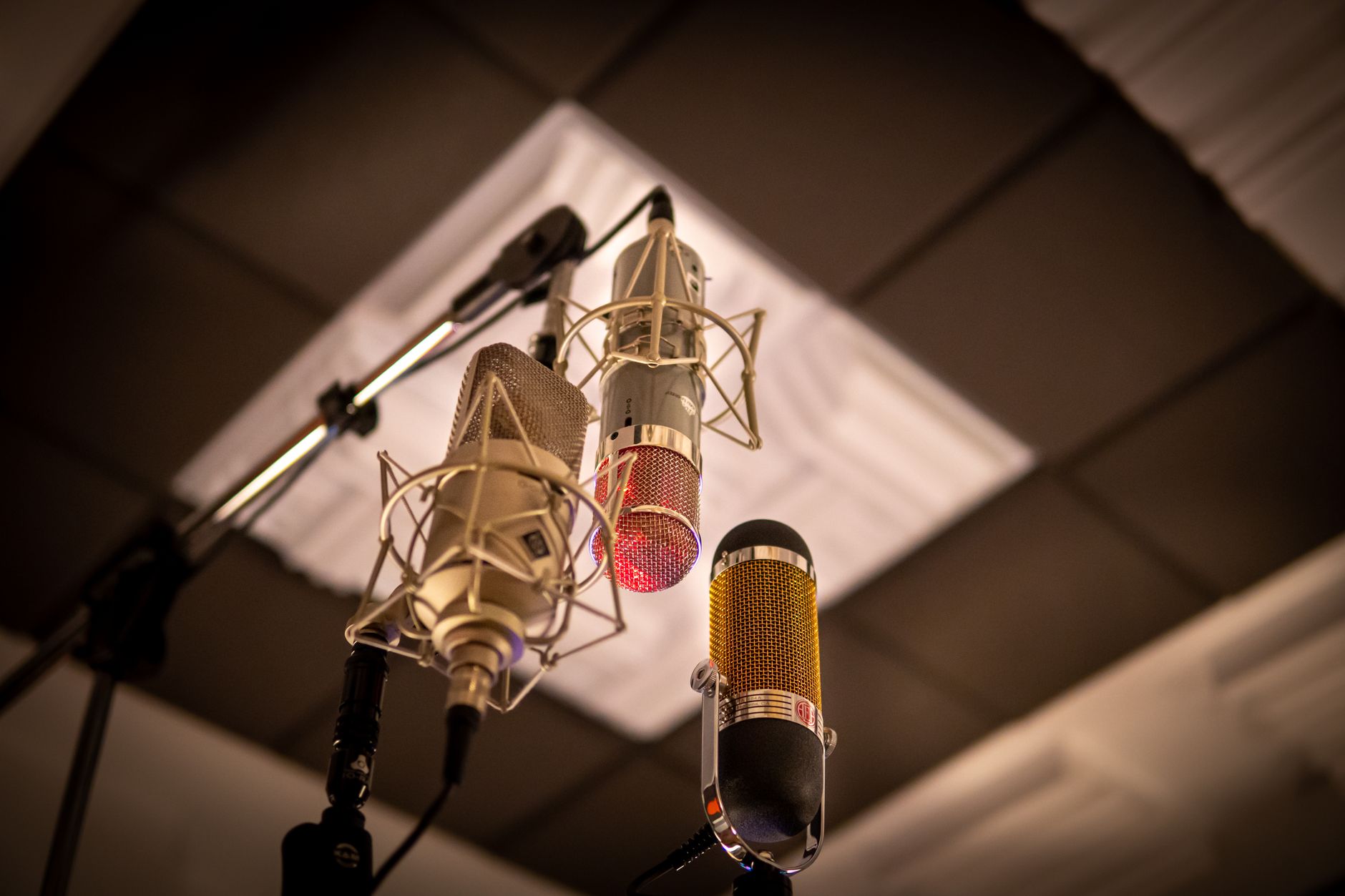 Photo by Andreu Marquès / Pexels
What Makes a Good Recording Microphone
Recording microphone quality comes down to three factors: transducer type (condenser vs dynamic), polar pattern (cardioid for solo recording, omnidirectional for room pickup), and connection type (USB for plug-and-play, XLR for professional setups requiring an audio interface). For home recording and streaming, USB microphones (Blue Yeti, FIFINE K669B) are the simplest. For professional studios and serious podcasters, XLR microphones (Shure SM7B, Audio-Technica AT2020) paired with an audio interface deliver higher quality and lower noise floors.
USB vs XLR Microphones for Beginners
USB microphones connect directly to your computer without additional hardware. Best for: streamers, content creators, remote workers, and podcast beginners. USB picks: Blue Yeti for four-pattern flexibility, FIFINE K669B for budget entry, HyperX QuadCast S for gamers who want RGB. XLR microphones require an audio interface (Behringer UM2, Focusrite Scarlett Solo) but deliver lower noise floors and higher dynamic range. Best for: home studio vocal recording, professional podcasting, voice-over work.
Price Tiers for Recording Microphones
Under $30: FIFINE K669B delivers solid USB cardioid for video calls and basic recording. $40-60: BOYA CM40 Gooseneck for desktop conference use. $119-130: Blue Yeti and HyperX QuadCast S deliver broadcast quality for streaming. $100-120 XLR: Audio-Technica AT2020 ($119) and ATR2100x-USB bridge USB/XLR. $300-400: Shure MV7 ($395) and SM7B ($395) deliver professional broadcast studio quality.
Polar Patterns Explained
Cardioid (most common): picks up sound from the front, rejects sides and rear — best for solo recording in any environment. Omnidirectional: picks up from all directions — best for round-table podcast recording. Bidirectional (figure-8): picks up front and rear — best for two-person face-to-face interviews. The Blue Yeti is unique in offering all three patterns in a single microphone.
How We Picked These
Products were selected for the best recording quality at each price tier.
“Internal EMI shielding blocks interference.”
See Today’s Price →What we like
- Internal EMI shielding blocks interference
- Rejects room noise and reflections
- Industry broadcast standard — podcast and radio
- Built-in air suspension eliminates vibration noise
Watch out for
- Expensive — ~$399 plus Cloudlifter needed
- Requires high-gain preamp for best results
- No USB option — XLR only
Read Full Analysis
Noise-rejecting, very flattering on voices; treated as the gold-standard for serious podcasters and broadcasters Internal EMI shielding blocks interference Expensive — ~$399 plus Cloudlifter needed Requires high-gain preamp for best results Compared to the Audio-Technica AT2020 Cardioid Condenser Studio XLR Microphone on this page, the Shure Shure SM7B Vocal Dynamic Microphone costs $276 more but may offer additional features or brand support worth considering for serious users.
“The Audio-Technica AT2020 Cardioid Condenser Studio XLR Microphone features large diaphragm. 4.7 stars from 14,818 Amazon reviews signal consistent reliability.”
See Today’s Price →What we like
- Large diaphragm
- Cardioid pattern
- XLR output
- 20Hz-20kHz response
Watch out for
- Requires audio interface and phantom power — additional cost
- Condenser more sensitive to room noise than dynamic mics
- Not ideal for loud live performance
Read Full Analysis
The Audio-Technica AT2020 delivers studio-grade frequency response — 20Hz to 20kHz with a side-address cardioid pattern — at a fraction of what comparable condensers cost even five years ago. For home recording into a DAW, the AT2020's low self-noise floor means your room acoustics and playing technique matter more than the microphone itself at this price. The cardioid polar pattern rejects sound from behind, reducing room reflections in untreated spaces. The trade-off is entirely practical: this is an XLR microphone requiring phantom power, so an audio interface like the Focusrite Scarlett Solo is a $100+ add-on. Vocalists and acoustic instrumentalists who already own an interface will find the AT2020 captures detail that USB microphones at similar prices simply can't match — the wider dynamic range and lower noise floor are audible, not just spec-sheet differences. The $395 Shure SM7B on this list is a dynamic mic suited to broadcast and narration; the AT2020 is the better choice for singers and acoustic guitar where condenser sensitivity is an advantage.
Frequently Asked Questions
What is the best microphone for recording vocals at home?
Is USB or XLR microphone better for beginners?
Is the Shure SM7B worth $395?
What is a condenser vs dynamic microphone?
Do I need an audio interface for a USB microphone?
How We Chose These Products
We compare each product’s Amazon listing, the manufacturer’s published specifications and Amazon customer ratings, shown with their review counts as Amazon’s data, and rank the products on how well they answer this page’s question. We do not test products in hand and we do not run our own analysis of review text. A publication or expert is named only where we cite its published findings about that product. No manufacturer paid for placement on this page.
A price appears only when Amazon’s API supplied it at a recent daily refresh, with the date and time beside it, and is withdrawn at 4 AM Central on the day after it turns 24 hours old; otherwise use “Check price on Amazon” for the live price. Read our full methodology →