Yamaha vs Fender: Which Brand Is Better? (2026)

Yamaha wins: the FG830 acoustic pairs a solid Sitka spruce top with a rosewood fingerboard and bridge and an adjustable truss rod, and the THR10II desktop amp models 15 guitar amps with Bluetooth and USB. Choose the Fender CD-60S if you prefer mahogany back and sides and rolled fingerboard edges, and the Champion II 50 for a louder amp for band rehearsals.
Holiday shopping



At a Glance
| # | Product | Award | Price |
|---|---|---|---|
| 1 | Our Top Pick | $419.99 as of Nov 25, 10:41 AM CT details Buy → |
|
| 2 | Best Amp for Home Practice | $369.99 as of Nov 25, 10:41 AM CT details Buy → |
|
| 3 | Best Fender Acoustic | $229.99 as of Nov 25, 10:41 AM CT details Buy → |
|
| 4 | Best Amp for Band Rehearsals | $199.99 as of Nov 25, 10:41 AM CT details Buy → |
Related guides we’ve checked
 Best Cajon for Beginners (2026)Top pick: Meinl Percussion Cajon
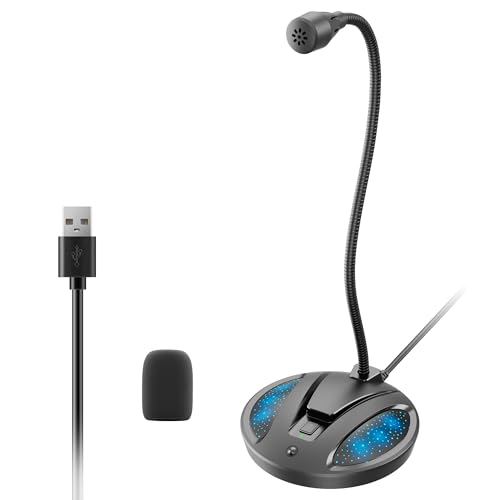 Best Desk Microphones 2026: USB, Condenser & PodcastTop pick: CMOCIIY Plug & Play USB Computer Microphone
 Kala vs Cordoba Ukulele: Which Brand Makes Best ConcertTop pick: Cordoba 15CM Concert Ukulele
Gift shopping? Holiday Gift Guide 2026: checked picks for everyone on your list.
Yamaha vs Fender Buying Guide
Yamaha and Fender are two of the biggest names in guitars, but they only meet head-on in a few places. This comparison takes the two that matter most to a new or returning player: a solid-top dreadnought acoustic from each, the Yamaha FG830 and the Fender CD-60S, and a practice amp from each, the Yamaha THR10II and the Fender Champion II 50.
Acoustic guitars: Yamaha FG830 vs Fender CD-60S
Both guitars have the feature that matters most at this level: a solid spruce top rather than a laminate. From there they differ in the details. Yamaha uses solid Sitka spruce over nato back and sides, with a rosewood fingerboard and bridge, diecast tuners and an adjustable truss rod. Fender braces its solid spruce top with a scalloped X pattern over mahogany back and sides, and rolls the fingerboard edges so the neck feels smoother in the hand. Both are full-size dreadnoughts, and neither listing names a pickup or electronics. On paper the FG830 lists more: rosewood for the fingerboard and bridge, and diecast tuners. The CD-60S answers with mahogany and a comfort-first neck.
Practice amps: Yamaha THR10II vs Fender Champion II 50
Here the two brands take different approaches. The THR10II is a 10-watt desktop amp built for home playing and recording: Yamaha models 15 guitar amps, 3 bass amps and 3 microphone models for acoustic-electric guitars, plays backing tracks over Bluetooth through hi-fi stereo speakers, and records over USB. The Champion II 50 is a 50-watt combo with a 12-inch Fender speaker, two channels covering clean, overdrive and British and modern distortion, and built-in reverb, delay, chorus, tremolo and Vibratone with a TAP tempo button. Fender describes it as stage-ready for band rehearsals; it also has a headphone output and USB recording.

Where each brand is stronger
Yamaha's strength in this matchup is detail and versatility: the more fully specified acoustic and an amp that doubles as a recording interface and Bluetooth speaker. Fender's is volume and tone for playing with other people: the Champion II 50 is the only amp here built to keep up with a drummer, and the CD-60S's rolled fingerboard edges are a comfort detail beginners notice. If you also want a keyboard or a digital piano, that is Yamaha territory alone, since Fender does not make them.
Which brand to buy
Yamaha is our pick overall: buy the FG830 for a solid-top acoustic with a rosewood fingerboard and bridge, and the THR10II if you practise and record at home. Choose Fender if you play with a band or prefer its feel: the CD-60S for mahogany back and sides and an easy neck, and the Champion II 50 for 50 watts through a 12-inch speaker. Any guitar amp works with any brand of electric guitar, so you can mix the two.

How we picked: we compared each product's own listing - what it is, what comes in the box, the specifications its maker states and the warranty - and ranked them on how well they answer this page's question. We have not tested these products in hand.
Watch Before You Buy

“Yamaha's FG830: a dreadnought acoustic with a solid Sitka spruce top, nato back and sides, a rosewood fingerboard and bridge, diecast tuners and an adjustable truss rod.”
See Today’s Price →What we like
- Solid Sitka spruce top
- Nato back and sides
- Rosewood fingerboard and bridge
- Diecast tuners
- Adjustable truss rod
Watch out for
- Its listing names no pickup or electronics
Read Full Analysis
The FG830 is Yamaha's side of the acoustic comparison and our pick. Its top is solid Sitka spruce rather than a laminate, paired with nato back and sides in a full dreadnought body. The fingerboard and the bridge are rosewood, the tuners are diecast, and an adjustable truss rod lets a technician keep the neck straight as seasons change, which keeps the action comfortable over the years. Against the Fender CD-60S it is the more fully specified guitar on paper: both have solid spruce tops, and the FG830 adds rosewood for the fingerboard and bridge and diecast tuners. Its listing names no pickup or electronics, so plan on a microphone or an added pickup to play it through an amp. The listing names the natural finish but not what comes in the box, so check before you count on a case or accessories. Choose the FG830 if you want the Yamaha acoustic with the most listed detail at this level.
Skip this if: You want mahogany back and sides and rolled fingerboard edges - the Fender CD-60S has both

“Yamaha's THR10II: a 10-watt desktop amp with realistic tube-amp tones, 15 guitar amp models plus bass and acoustic models, Bluetooth playback and USB recording.”
See Today’s Price →What we like
- Realistic tube-amp tones and feel, with essential effects
- 15 guitar amps, 3 bass amps and 3 mic models for acoustic-electrics
- Bluetooth for audio playback and editing from the remote app
- USB connection for recording and playback
- Hi-fi stereo audio playback
Watch out for
- A 10-watt desktop amp, made for home practice rather than band rehearsals
Read Full Analysis
The THR10II is Yamaha's practice amp and a different idea from the Fender: a desktop amp built for home playing and recording. Yamaha models 15 guitar amps, 3 bass amps and 3 microphone models for acoustic-electric guitars, with flat modes for anything else, and says it reproduces realistic tube-amp tones and feel along with the essential effects. Bluetooth lets you stream backing tracks through its hi-fi stereo speakers and edit sounds from Yamaha's remote app, and USB connects it to a computer for recording and playback. Yamaha's remote editor and librarian app runs on desktop and mobile devices, so you can build and save sounds away from the amp itself. This is the wired model. At 10 watts it is made for a room at home, not for keeping up with a drummer; that is the Fender Champion II 50's job.
Skip this if: You will play with a drummer or a band

“Fender's CD-60S: a full-size dreadnought with a solid spruce top, scalloped X-bracing, mahogany back and sides and an easy-to-play neck with rolled fingerboard edges.”
See Today’s Price →What we like
- Solid spruce top with scalloped X-bracing
- Mahogany back and sides
- Easy-to-play neck with rolled fingerboard edges
- Full-size dreadnought body
Watch out for
- A full-size dreadnought can feel large for smaller players
- Its listing names no pickup or electronics
Read Full Analysis
The CD-60S is Fender's answer to the FG830. It also has a solid spruce top, braced with a scalloped X pattern, but uses mahogany for the back and sides, and the full-size dreadnought body is the classic acoustic shape. Its listing details give a walnut fingerboard, a 25.3-inch scale and phosphor bronze strings. Fender's comfort detail is the neck: the fingerboard edges are rolled, so the edge of the neck feels smoother under your hand, which helps beginners who are still building strength in the fretting hand. Fender sells it with a two-year warranty. As with the FG830, its listing names no pickup or electronics, and this listing is the guitar only, in a natural finish. Fender pitches it as a full-size beginner acoustic. Choose it over the Yamaha if you prefer mahogany back and sides and a neck made to feel easy; a dreadnought this size can feel large for smaller players.
Skip this if: You are a smaller player who wants a smaller body

“Fender's Champion II 50: a 50-watt, two-channel combo amp with a 12-inch Fender speaker, built-in effects, a headphone output and USB recording.”
See Today’s Price →What we like
- 50 watts through a 12-inch Fender special design speaker
- Two channels: Fender clean and overdrive, plus British and modern distortion
- Reverb, delay, chorus, tremolo and Vibratone effects with a TAP tempo button
- Headphone output, auxiliary input and USB recording
- Two-year limited warranty
Watch out for
- A 50-watt combo is bigger and heavier than a desktop amp
Read Full Analysis
The Champion II 50 is the loud one. Fender puts 50 watts through a 12-inch Fender special design speaker, which it describes as stage-ready power for band rehearsals. Two channels cover Fender's clean and overdrive tones plus British and modern distortion, and the built-in effects include reverb, delay and echo, chorus, tremolo and Vibratone, with a TAP button that syncs delay and tremolo to the song's tempo. For quiet practice there is a headphone output and an auxiliary input for backing tracks, and USB recording connects it to a computer. Fender backs it with a two-year limited warranty. It is a combo about 20 inches wide and deep and 11.5 inches tall, so it needs floor space rather than a desk, and it is the amp to choose if you expect to play with other people.
Skip this if: You only practise at a desk and want a small amp
Frequently Asked Questions
Is Yamaha or Fender better for beginners?
Is the Fender CD-60S or the Yamaha FG830 the better acoustic guitar?
Can I use a Fender amp with a Yamaha guitar?
What is the difference between a desktop amp and a combo amp?
Does Fender make digital pianos?
How We Chose These Products
We compare each product’s Amazon listing, the manufacturer’s published specifications and Amazon customer ratings, shown with their review counts as Amazon’s data, and rank the products on how well they answer this page’s question. We do not test products in hand and we do not run our own analysis of review text. A publication or expert is named only where we cite its published findings about that product. No manufacturer paid for placement on this page.
A price appears only when Amazon’s API supplied it at a recent daily refresh, with the date and time beside it, and is withdrawn at 4 AM Central on the day after it turns 24 hours old; otherwise use “Check price on Amazon” for the live price. Read our full methodology →