How to Care for a Senior Cat: Complete 2026 Guide
Senior cats over 11 years need three adjustments: more frequent vet visits (twice yearly for bloodwork), joint support through softer sleeping surfaces and lower litter box entry, and kidney-appropriate nutrition since 30-40% of senior cats develop chronic kidney disease. Ask your vet about kidney diet food at the first senior checkup.
How to Care for a Senior Cat Buying Guide
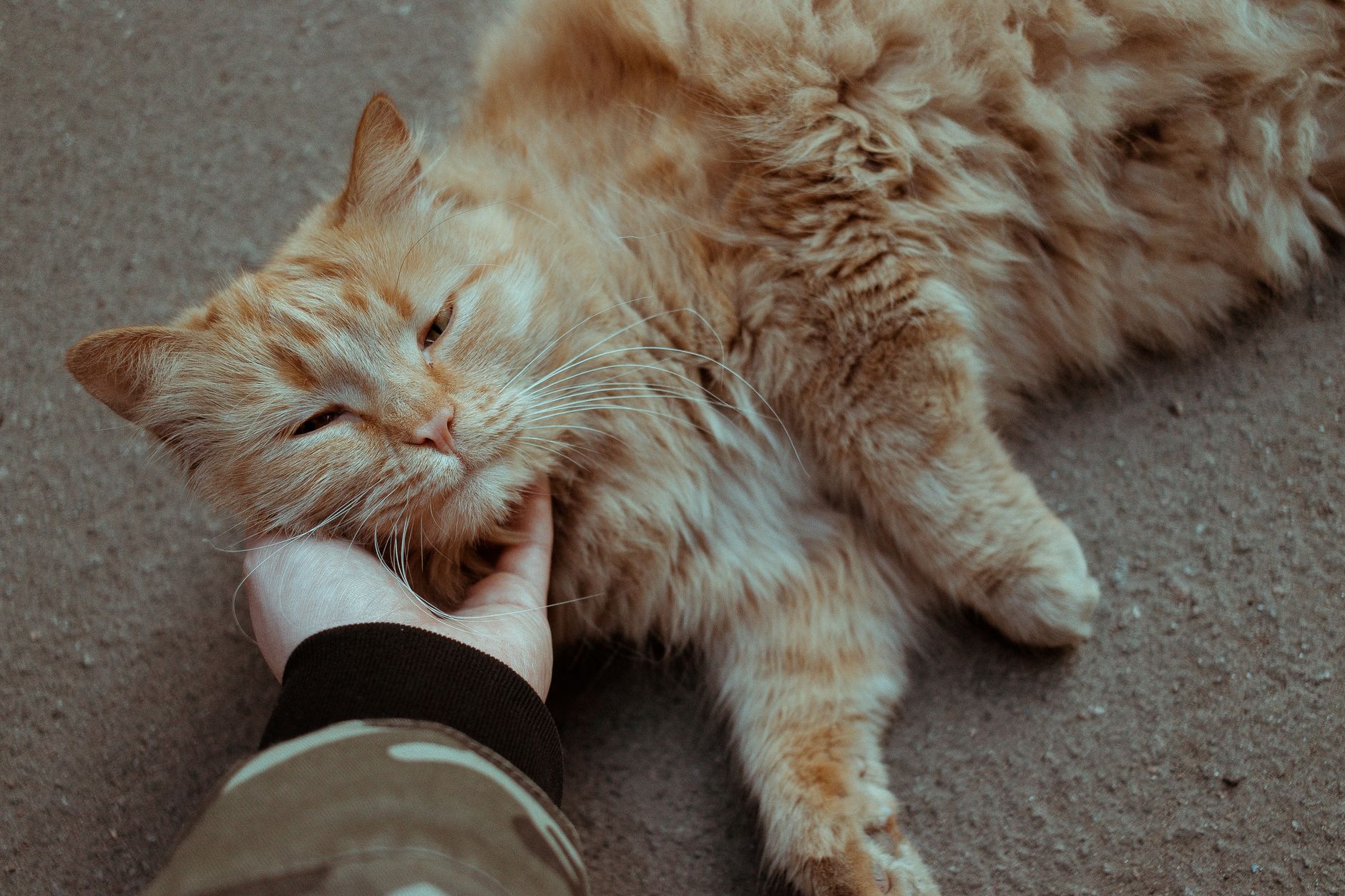 Photo by Kris Møklebust / Pexels
Senior cats don't announce their health problems — they hide them, as all cats do. The difference between a senior cat at 12 who lives to 20 and one who declines by 14 often comes down to two things: biannual vet visits that catch conditions early, and an owner who knows what behavioral and physical changes to watch for. This guide covers both.
Nutrition Changes for Senior Cats
Metabolism slows around age 11–12, but senior cats often need more total calories, not fewer — they absorb nutrients less efficiently. Senior-formulated foods are typically lower in phosphorus (to support kidney function), slightly higher in digestible protein to maintain muscle mass, and often enriched with joint-supporting nutrients like glucosamine.
Key dietary considerations: Phosphorus restriction is important for cats with early chronic kidney disease (CKD), which affects 30–40% of cats over 15. Standard adult cat foods are higher in phosphorus than senior cats need. Wet food becomes more important as cats age — senior cats are prone to dehydration, and wet food provides significant moisture intake. If your senior cat is losing weight despite eating normally, have kidney function and thyroid levels checked — both hyperthyroidism and CKD cause weight loss despite good appetite.

Environmental Modifications
Joint stiffness affects most senior cats to some degree. Key changes: lower the sides of the litter box or switch to one with a low-entry cutout — a cat with arthritis will avoid a box that requires effort to enter, leading to accidents. Add ramps or steps to favorite elevated spots like couches and window perches. Heated beds become valuable — warmth reduces joint discomfort and cats will self-select them. Place food, water, and litter on the same floor as where the cat sleeps to minimize stair climbing.
Cognitive Changes and Feline Cognitive Dysfunction
Approximately 28% of cats aged 11–14 show some signs of Feline Cognitive Dysfunction (FCD); this rises to over 50% in cats over 15. Signs: nighttime vocalizing (especially yowling), disorientation in familiar spaces, loss of learned behaviors, reduced interaction, and altered sleep-wake cycles. FCD isn't curable but is manageable — environmental enrichment, consistent routines, and in some cases veterinary-prescribed supplements or medication (selegiline, melatonin) can slow progression.
Veterinary Care Frequency
The American Association of Feline Practitioners recommends twice-yearly wellness exams for senior cats (11+) versus annual for younger adults. Each visit should include: complete blood panel (kidney function, thyroid, blood glucose), urinalysis, blood pressure check (hypertension is common in senior cats and often undetected), and dental evaluation. Bloodwork caught early-stage CKD in approximately 70% of cases before clinical signs appear, giving a window for dietary intervention that significantly extends quality life.

Common Signs to Watch For
Weight loss despite normal appetite: often thyroid or kidney disease. Increased water consumption and urination: kidney disease, diabetes, or hyperthyroidism. Changes in litter box behavior: pain (arthritis), cognitive issues, or urinary tract problems. Decreased grooming: pain, cognitive decline, or dental disease making self-grooming uncomfortable. Increased vocalization, especially at night: hyperthyroidism, cognitive dysfunction, pain, or hypertension. Any sudden change in a senior cat warrants a vet call within 24–48 hours.
How We Built This Guide
Recommendations were compiled from American Association of Feline Practitioners (AAFP) senior cat care guidelines, Cornell Feline Health Center resources, and veterinary nutritionist consensus on senior cat dietary needs. This guide reflects 2025–2026 best practices for preventive senior cat care.
Our Picks and Why
The Hill's Prescription Diet Kidney Care formula earns the top spot for senior cats — chronic kidney disease is the most common condition in cats over 12, and a controlled-phosphorus prescription diet has the strongest evidence for slowing its progression, so it is worth asking your vet about at the first sign of trouble. For a cat whose teeth are still in decent shape, Greenies Natural Dental Care Treats ($22.98) are a low-effort way to slow tartar buildup between professional cleanings. The Veterinary Formula Clinical Care Hot Spot and Itch Relief Spray rounds out the kit for the dry skin and itching that becomes more common with age, calming irritated patches without a vet trip for minor flare-ups.

Watch Before You Buy
“”
See Today’s Price →Watch out for
- Every pet has unique sensitivities — transition gradually over 7-10 days to avoid digestive upset
- Premium formula pricing may be higher than grocery store alternatives
“Greenies Natural Dental Care Cat Treats help maintain oral health in senior cats, who are especially prone to tartar buildup and gum disease as they age. A vet-recommended daily treat that turns…”
See Today’s Price →What we like
- #1 Veterinarian-Recommended Treat for Cat Dental Care
- Crunchy Cat Dental Treat Texture Fights Tartar
- This cat dental treat offers clinically proven oral care to help maintain your cat's dental hygiene, and these cat
- You'll surely hear happy purrs of joy as your feline enjoys the delicious taste of a savory salmon-flavored
Watch out for
- Budget pricing may reflect simpler construction or fewer premium features
- Size and fit should be carefully verified using the brand's measurements before ordering
Read Full Analysis
Greenies Dental Treats are the #1 veterinarian-recommended dental cat treat — a distinction that reflects genuine clinical support for the product's mechanism rather than a marketing claim. The crunchy texture creates abrasive contact against tooth surfaces as cats chew, mechanically reducing tartar accumulation between professional dental cleanings. Senior cats are particularly susceptible to periodontal disease as gum health declines with age, and daily dental treats provide a simple preventive measure that owners can integrate into routine feeding. The treat format is significantly more accessible than professional dental cleanings, which can cost $200-500+ under anesthesia for cats. The treats come in flavors cats accept readily — salmon is a common choice for finicky senior cats with selective preferences. The caloric content should be factored into total daily caloric intake, particularly for senior cats managing weight or with conditions requiring caloric control. Greenies treats do not replace professional cleanings for cats with existing significant tartar buildup or gingivitis — they work best as a maintenance tool in cats with reasonably healthy starting dental status. Best for senior cat owners looking for a vet-recommended daily preventive measure against tartar buildup and gum disease.

“Veterinary Formula Clinical Care Hot Spot & Itch Relief Spray provides clinical-strength topical relief for skin irritation and itching — conditions that can become more frequent in aging cats. A…”
See Today’s Price →Watch out for
- Cast iron and stainless require specific care to maintain performance and prevent rust or sticking
- Heavier than non-stick coated alternatives making handling challenging for some users
Frequently Asked Questions
When is a cat considered senior?
What food should I feed my senior cat?
How often should a senior cat see the vet?
Why is my senior cat yowling at night?
How do I make my home easier for a senior cat?
What is Feline Cognitive Dysfunction?
How We Chose These Products
We compare each product’s Amazon listing, the manufacturer’s published specifications and Amazon customer ratings, shown with their review counts as Amazon’s data, and rank the products on how well they answer this page’s question. We do not test products in hand and we do not run our own analysis of review text. A publication or expert is named only where we cite its published findings about that product. No manufacturer paid for placement on this page.
A price appears only when Amazon’s API supplied it at a recent daily refresh, with the date and time beside it, and is withdrawn at 4 AM Central on the day after it turns 24 hours old; otherwise use “Check price on Amazon” for the live price. Read our full methodology →