Best Camping Sleeping Bag 2026: 20F, 40F & Ultralight
The MalloMe Cold Weather Sleeping Bag is the best budget sleeping bag for backpackers — packable down-alternative fill handles near-freezing temperatures, the compression sack fits in a daypack, and at this price it matches Coleman on value while being lighter.
Camping Sleeping Bag Buying Guide
 Photo by cottonbro studio / Pexels
Sleeping bag selection starts with temperature rating — a bag rated below the coldest night you expect keeps you sleeping; a bag rated too warm makes you unzip it and negate the point. EN/ISO temperature ratings provide standardized comfort and lower-limit numbers; manufacturer-only ratings are marketing claims that vary significantly. The Coleman Brazos Cold Weather Sleeping Bag 20°F is the most practical budget option for three-season camping: a comfort rating to 20°F covers the vast majority of camping conditions, and the flannel lining is noticeably more comfortable than raw polyester at this price. The TETON Sports Celsius 0°F goes colder at a lower price but with a smaller interior that suits smaller adults best.
A sleeping bag's temperature rating is the single most important spec — it determines whether you sleep comfortably or spend the night shivering. Getting it wrong is more than just uncomfortable; in cold conditions it's a safety issue. Here's how to read the specs correctly.
Temperature Rating: How to Read the Spec Correctly
How we picked these. Products were selected for temperature accuracy and packed size at each price point.

Sleeping bag temperature ratings use either EN/ISO standard testing (European standard, more accurate and independent) or manufacturer ratings (often optimistic by 10–15°F). EN-tested bags include separate "comfort" and "lower limit" ratings — comfort is the temperature a standard sleeper stays comfortable; lower limit is the survival threshold. When a bag lacks EN certification, add 10°F to the rated temperature for realistic comfort expectations — a "20°F" bag without EN certification is comfortable for most people at 30°F. The Coleman Brazos at 20°F is the most popular cold-weather budget bag for good reason: it handles genuine car camping temperatures from late fall through early spring in most US climates. The TETON Sports Celsius 0°F covers significantly colder conditions and is the right pick for high-altitude summer camping or cold-climate three-season use.
Fill Type: Down vs Synthetic for Camping Use
Down fill compresses smaller, is lighter per unit of warmth (higher fill power = more warmth per ounce), and lasts longer than synthetic when properly cared for. The limitation: down loses nearly all insulating ability when wet and is slow to dry. Synthetic fill (used in Coleman Brazos and TETON Sports Celsius) maintains a significant portion of its warmth when damp, dries faster, and costs considerably less. For car camping in the US where rain exposure is managed by a tent and the bag rarely gets soaked, synthetic is the practical choice at this price tier. For backcountry backpacking in wet climates (Pacific Northwest, Appalachia in spring), water-resistant down or synthetic is worth the consideration. The MalloMe Lightweight Backpacking bag uses synthetic fill in a compressible mummy shape — better for hikers than car campers needing space-efficient pack.
Shape: Mummy vs Semi-Rectangular vs Rectangular
Mummy bags taper at the feet and feature a fitted hood that cinches around the face — maximum heat retention with minimum dead air space to warm. They're more efficient per unit of fill weight but restrict movement and feel claustrophobic to some sleepers. Semi-rectangular bags offer a compromise: more foot room than a mummy, more heat retention than a rectangular. Rectangular bags (flat-top design) feel like sleeping in a blanket and allow free movement, but the open footbox requires significantly more fill to maintain warmth at low temperatures. For cold weather camping (below 40°F), mummy shapes are the practical choice. For summer camping and car camping in mild conditions, rectangular bags are more comfortable for restless sleepers. The Coleman Brazos uses a mummy shape for its cold-weather performance rating; the TETON Celsius uses semi-rectangular for a balance of warmth and comfort.

Brand Comparison and Weight for Backpacking vs Car Camping
Coleman Brazos 20°F is the best value for car camping: handles genuine cold weather at a price that doesn't require justification. It weighs 4.3 lbs — too heavy for backpacking, ideal for tossing in a car trunk. TETON Sports Celsius 0°F provides exceptional cold-weather value for car campers who need more temperature range — handles extreme shoulder-season lows without the premium of expedition down bags. MalloMe Cold Weather Lightweight at the mid-tier is the right step toward backpacking: compresses smaller and lighter than Coleman or TETON for fit inside a hiking pack. For backpacking specifically, target under 2 lbs total bag weight and under 3L compressed volume — the MalloMe approaches this range while the Coleman and TETON don't. Our complete camping gear checklist covers every item by trip type.
Related Guides
Watch Before You Buy
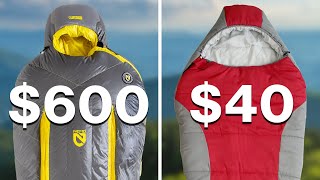
“MalloMe — warm weather and cold weather versions, lightweight synthetic fill.”
See Today’s Price →What we like
- Lightweight
- Cold weather rated
- Compression sack
- Budget MalloMe value
Watch out for
- Lightweight construction sacrifices some durability compared to heavier winter bags
- Compression sack is small and difficult to repack for non-experienced packers
- Cold weather rating requires appropriate sleeping pad insulation
Read Full Analysis
MalloMe sleeping bags offer a versatile warm-through-cold range in a lightweight synthetic fill design. The envelope opening allows temperature regulation by venting one foot. The best option for campers who need seasonal versatility without paying for a dedicated cold-weather bag.
“0 Degree Winter Sleeping Bag — rated for extreme cold, large interior.”
See Today’s Price →What we like
- 0F rating
- 450GSM fill
- Waterproof shell
- Compression sack
Watch out for
- Mummy bag shape limits movement for side sleepers
- 450GSM fill is heavy for backpacking
- Compression sack included but pack volume is still large
Read Full Analysis
This 0-degree rated sleeping bag provides maximum cold-weather protection in a spacious rectangular design. The large interior accommodates sleeping in layers, which is necessary for temperatures near the 0°F rating. Best for car camping in winter or as a guest sleeping bag for cold basement sleepovers.

“Coleman North Rim 0°F Big & Tall — 36" wide, designed for taller and larger campers.”
See Today’s Price →What we like
- 0F rating
- Big and tall
- Coleman quality
- Mummy style
Watch out for
- Big and Tall sizing creates a larger pack volume than standard mummy bags
- Synthetic fill is heavier than down at equivalent warmth
- Fiberglass pole bag clips can be awkward to attach inside a tent
Read Full Analysis
Coleman North Rim 0°F is specifically sized for taller and larger campers — 36 inches wide and 84 inches long vs the standard 28x75. The extra width prevents the cold-spot "burrito effect" where a too-narrow bag allows cold air to pool around you. Best for campers over 6'2" or those who sleep warm but wide.
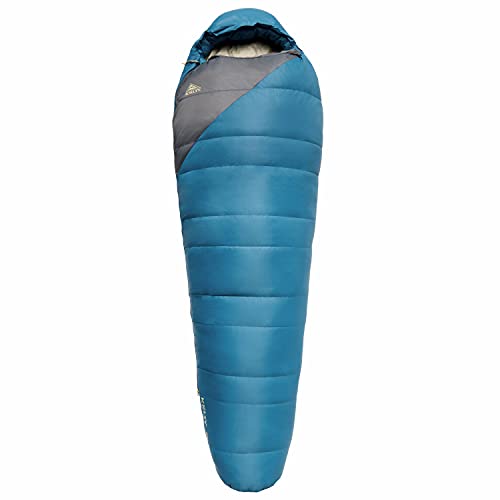
“At $107.47, the Kelty Cosmic 20 Degree Down Sleeping Bag uses 600-fill LofTech down blend rated to 20°F — a genuine three-season bag with real warmth-to-weight performance. The compression sack is…”
See Today’s Price →What we like
- 600-fill down (genuine warmth-to-weight)
- 20°F rating
- LofTech down blend
- Compression sack included
Watch out for
- Down loses warmth when wet
- Mid-range fill power (600 vs 800+)
Read Full Analysis
The Kelty Cosmic is a 20°F-rated down sleeping bag using 550-fill-power LofTech down blend. The 20°F rating makes it a genuine three-season bag for most camping scenarios — spring trips where nights drop into the 30s, summer high-altitude camping with cold evenings, and fall camping approaching freezing. The compression sack is included, which matters for backpacking where pack volume determines load. The Kelty Cosmic sits above the MalloMe and Coleman North Rim on this page. The price difference reflects a material distinction: down at this fill power compresses significantly more than synthetic fill, weighs less per temperature rating, and lasts longer with proper care. The trade-off is wet-condition performance — down loses most of its insulation value when wet and requires considerable drying time compared to synthetic bags. The Coleman North Rim uses synthetic fill, making it the better choice for consistently wet camping environments where keeping a sleeping bag dry is uncertain. The 550-fill-power specification delivers genuine warmth-to-weight performance over budget synthetic bags. Higher fill-power down in premium bags (700+) compresses smaller and weighs less at equivalent temperature ratings, but the price premium roughly doubles for those incremental gains in packability. Best for three-season backpacking and dry-climate camping where weight and pack size are relevant variables. If consistent rain or river-adjacent camping is your primary context, a synthetic bag like the Coleman handles moisture exposure better and dries in the field.
Frequently Asked Questions
How cold can a 20°F sleeping bag handle?
Down vs synthetic sleeping bag — which is better?
What temperature sleeping bag do I need?
How do I wash a sleeping bag?
How should I store a sleeping bag long-term?
How We Chose These Products
We compare each product’s Amazon listing, the manufacturer’s published specifications and Amazon customer ratings, shown with their review counts as Amazon’s data, and rank the products on how well they answer this page’s question. We do not test products in hand and we do not run our own analysis of review text. A publication or expert is named only where we cite its published findings about that product. No manufacturer paid for placement on this page.
A price appears only when Amazon’s API supplied it at a recent daily refresh, with the date and time beside it, and is withdrawn at 4 AM Central on the day after it turns 24 hours old; otherwise use “Check price on Amazon” for the live price. Read our full methodology →