How to Choose a Portable Projector (2026 Buying Guide)
The BenQ GV50 Laser Portable Projector is the top portable cinema pick — the laser light source never needs bulb replacement, the built-in Harman Kardon speaker eliminates a separate audio setup, and 180-degree tilt projection handles ceiling, floor, or wall surfaces.
How to Choose a Portable Projector Buying Guide
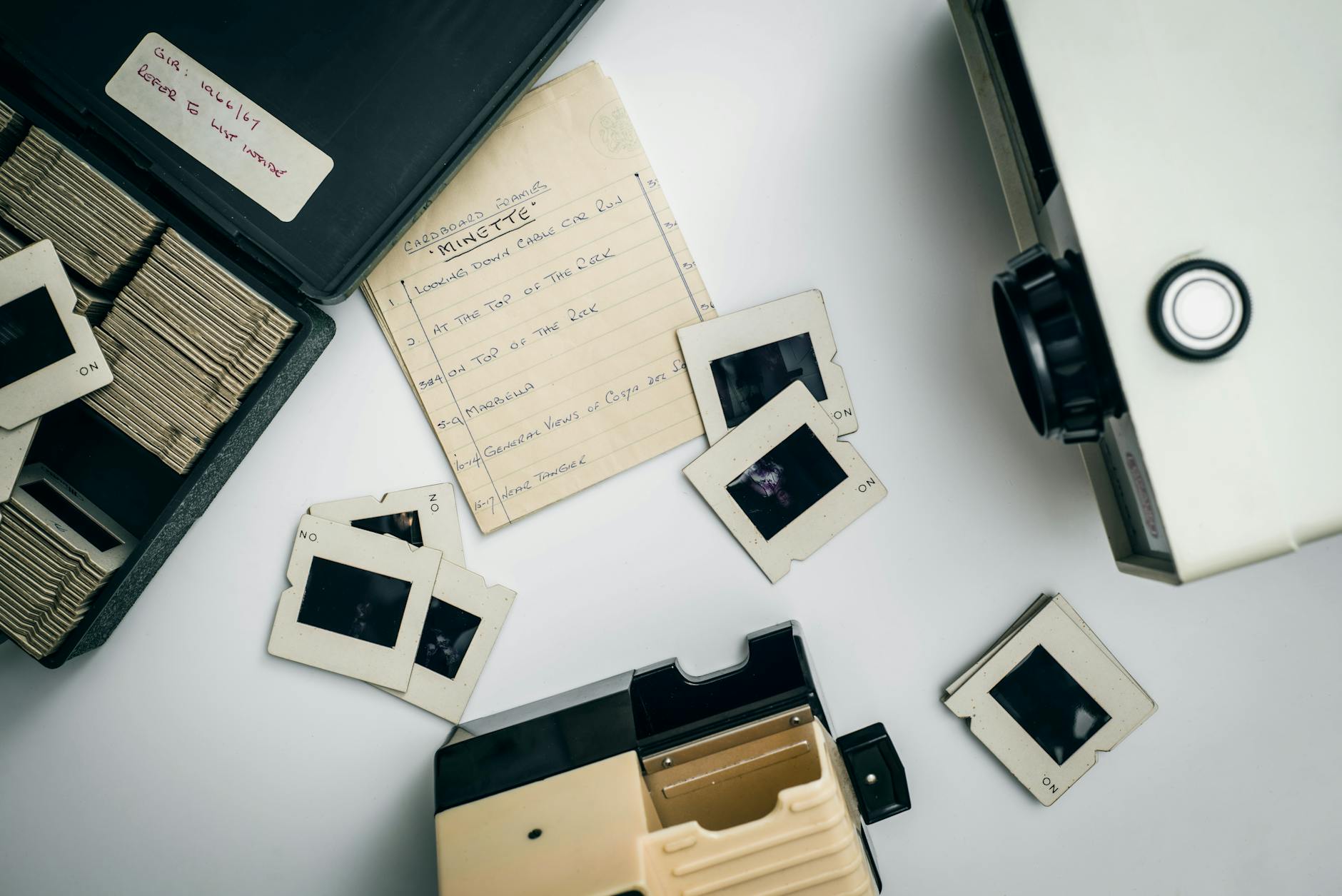 Photo by Alex Andrews / Pexels
Portable projectors have improved dramatically since 2020. Modern pico projectors deliver 700-1500 lumens from a device the size of a coffee mug, with built-in streaming, battery power, and auto-keystone correction. The challenge is understanding which brightness number maps to usable image quality in your actual environment — most projector spec sheets are optimistic by 30-50%.
Lumens: What the Numbers Actually Mean
Projector brightness is measured in lumens (ANSI lumens is the standardized measurement; some manufacturers use ISO lumens or uncertified "LED lumens" that are not directly comparable). As a rule, ANSI lumens specifications from reputable brands are trustworthy; "LED lumens" from budget brands often overstate by 2-4x. Practical brightness thresholds: 500 ANSI lumens — usable only in a completely dark room, 100-inch image. 1000 ANSI lumens — usable in dim ambient light (blinds closed during daytime), 100-inch image. 1500-2500 ANSI lumens — usable in semi-lit rooms for viewing distances under 100 inches. 3000+ ANSI lumens — approaching living room projector territory where moderate ambient light is manageable. Most "ultra-portable" projectors (Anker Nebula Capsule line, XGIMI Halo+, BenQ GP10) produce 400-1000 ANSI lumens — fine for evening use in a darkened room, not adequate for daytime use with windows. If you need daytime capability, look for 1500+ ANSI lumens and a dedicated darkening setup.
Resolution: 1080p vs 4K vs 720p
True 4K projectors (8.3 megapixel native resolution) remain expensive ($599+) in portable form. Most "4K" portable projectors use pixel-shifting technology that produces enhanced detail but not true 4K pixel density. For a 100-inch screen at a typical 10-foot viewing distance: native 1080p is excellent and indistinguishable from true 4K to most viewers. Native 720p is acceptable for sports and casual viewing; visible pixelation on text-heavy content. For a bedroom projector used primarily for movies and streaming: native 1080p is the minimum worth buying. The BenQ GP20 (1080p, 1200 ANSI lumens, $599) and XGIMI Halo+ (1080p, 900 ANSI lumens, $599) represent the current mid-range quality floor for serious use.


Battery Life vs AC-Only
Battery-powered portability comes at a cost: most battery projectors sacrifice 20-40% brightness compared to AC-powered equivalents at the same price. The Anker Nebula Capsule 3 Laser runs 2.5 hours on battery at 300 ANSI lumens — enough for a movie but dim in any ambient light. If you primarily use the projector in one location, an AC-powered portable projector delivers more image quality for the same price. If you genuinely need battery operation outdoors or in locations without power: budget for a dedicated outdoor/battery model and accept the brightness trade-off. A compromise: some projectors have battery mode and AC mode — run from AC at home for maximum brightness, use battery outdoors.
Built-in Streaming vs External Sources
Modern portable projectors include Android TV, Google TV, Roku, or proprietary operating systems. Built-in streaming eliminates the need for a separate streaming stick but creates a software maintenance dependency — some projectors ship with outdated Android versions and do not receive updates. Look for: Android TV 11 or newer, or Google TV. Avoid projectors with custom/unnamed operating systems — app availability is limited and updates stop quickly. If you prefer reliability over convenience, buy any projector and add a $30-50 Roku Streaming Stick or Fire TV Stick — this separates the streaming software from the projector hardware lifecycle.
Throw Ratio and Room Geometry
Throw ratio describes how far back a projector must be to create a given image size. A standard throw projector with a 1.5:1 ratio needs 15 feet to create a 100-inch image. A short throw projector (0.5:1 ratio) creates that same 100-inch image from 5 feet. Ultra-short throw (UST) projectors create a 100-inch image from less than 2 feet — designed for living rooms where placement distance is limited. For most portable projectors without fixed mounting: estimate your typical use case. Backyard movie on a 10-foot screen: you need 15 feet behind the screen with a standard throw projector. Bedroom ceiling projection: look specifically for projectors with vertical keystone and ceiling mount mode. See our best portable projectors, best mini projectors, and best outdoor projectors.
How We Evaluated This Guide
Brightness thresholds validated against projector calibration data from ProjectorCentral and RTings.com measurement methodology. Resolution perception distances based on viewing angle research at standard projector screen sizes. Throw ratio calculations from manufacturer optical specifications.
Watch Before You Buy

“BenQ's GV50 is a 1080p laser projector rated at 500 ANSI lumens with Google TV and Netflix, a tilting base for ceiling projection, auto focus and keystone, an 18W 2.1 speaker and a 3-year warranty.”
See Today’s Price →What we like
- Base tilts through 135 degrees for bedside ceiling projection
- Laser light source rated at 500 ANSI lumens, native 1080p
- Google TV with Netflix, plus AirPlay and Chromecast
- Auto focus and auto 2D keystone and rotation
- 18W 2.1-channel speaker with an 8W woofer; 3-year warranty
Watch out for
- Its listing does not mention a built-in battery
Read Full Analysis
The BenQ GV50 uses a laser light source rated at 600 ANSI lumens with a 30,000-hour lifespan — laser eliminates the bulb replacement cycle that traditional lamp projectors require every 2,000–5,000 hours, making the GV50 effectively maintenance-free for a decade of regular use at no additional consumable cost. Built-in Android TV provides direct access to Netflix, YouTube, and Spotify without a streaming stick or external device. Harman Kardon speaker quality eliminates the need for an external Bluetooth speaker in typical living room or bedroom viewing environments, and automatic focus and keystone correction places a sharp image rectangle within seconds of positioning the projector. On this portable projector guide, the GV50 is priced identically to the Samsung Freestyle and Kodak Ultra Mini. Against the Samsung Freestyle, BenQ's laser source provides more consistent brightness output over years of use versus Samsung's LED, and the Harman Kardon audio system outperforms the Freestyle's built-in speaker. Samsung counters with its unique 360-degree ceiling projection capability and Samsung TV app ecosystem. Against the Kodak Ultra Mini, BenQ's 600 ANSI lumens and Harman Kardon audio significantly outperform the Kodak's pocket-sized brightness; Kodak prioritizes portability while BenQ prioritizes home performance. The BenQ GV50 is the strongest pick for living room and bedroom installations where sustained laser brightness, premium audio, and Android TV app access are the deciding factors. Choose the Samsung Freestyle at $599 if ceiling projection or Samsung's streaming ecosystem is the priority. Choose the Kodak Ultra Mini at $599 if pocket-sized true portability for travel and casual sharing is more important than brightness and audio quality.

“The Samsung Freestyle delivers full HD HDR smart projection with 360-degree rotation and an auto-leveling lens, so you can project onto virtually any surface without fussing with setup. Built-in…”
See Today’s Price →What we like
- 360-degree rotating base tilts to project straight up on the ceiling for bedroom or camping use — a viewing angle no traditional projector supports
- Built-in Samsung TV platform streams Netflix, Disney+, and Prime Video without a streaming stick required
- 1080p resolution with HDR10+ support produces film-accurate colors when connected to compatible source material
- Auto-leveling and auto-keystone correction adjusts a tilted image to a sharp rectangle on ceilings or angled walls without manual calibration
Watch out for
- Premium pricing at $599 requires a meaningful budget commitment
- Advanced configuration may require technical knowledge to fully optimize
Read Full Analysis
The Samsung Freestyle stands apart with a 360-degree rotating base that tilts to project directly onto the ceiling — a capability that enables bedroom ceiling projection for hands-free viewing in positions no conventional projector design supports. Built-in Samsung TV streaming platform provides Netflix, Disney+, and Prime Video without any external device, and 1080p resolution with HDR10+ delivers film-accurate colors from compatible streaming content. Auto-leveling and auto-keystone correction automatically adjusts angled images on ceilings and tilted walls to a sharp rectangle without manual calibration after every placement. On this portable projector guide, the Freestyle is priced identically to the BenQ GV50 and Kodak Ultra Mini. Against the BenQ GV50, Samsung lacks the laser source and Harman Kardon audio of the GV50, but Samsung's 360-degree ceiling rotation is a unique feature BenQ does not offer. Samsung's TV platform also includes deeper smart home integration for Samsung SmartThings households. Against the Kodak Ultra Mini, the Freestyle is significantly larger and heavier but delivers Samsung's streaming platform, HDR10+ support, and far higher lumen output than Kodak's pocket format provides. The Samsung Freestyle is the right $599 choice for bedroom and living room buyers where ceiling projection, Samsung's streaming ecosystem, and HDR10+ content quality are the primary purchase drivers. Choose the BenQ GV50 at $599 if sustained laser brightness and Harman Kardon audio are more important than ceiling projection capability. Choose the Kodak Ultra Mini if true pocket-sized portability for travel and casual outdoor use is the priority over Samsung's display and audio performance.

“The Kodak Ultra Mini Portable Projector packs impressive brightness and resolution into one of the smallest footprints available, making it ideal for travel or impromptu presentations. Its compact…”
See Today’s Price →What we like
- Pocket-sized: fits a handbag or briefcase
- Projects up to a 100-inch picture
- HDMI, USB, MicroSD and 3.5mm connections plus an onboard media player
- Rechargeable battery for up to 1.5 hours
- DLP optical engine
Watch out for
- No built-in streaming apps: needs a stick, laptop or phone, or files on USB or MicroSD
- Its listing gives no brightness rating
Read Full Analysis
The Kodak Ultra Mini is the only truly pocket-sized projector in this comparison — sized to fit in a jacket pocket or handbag for sharing content at dinner tables, camping trips, or travel scenarios where carrying a dedicated projector bag is impractical. The rechargeable battery provides up to 2 hours of runtime on a single charge, covering a full-length movie without needing a wall outlet. The LED lamp is rated for 30,000 hours, eliminating the lamp replacement requirements that traditional projectors incur over their lifespans. HDMI input supports direct laptop connection and smartphone connection via adapter, covering both presentation and streaming use cases. On this portable projector guide, the Kodak Ultra Mini is priced identically to the BenQ GV50 and Samsung Freestyle despite occupying a fundamentally different form factor category. The BenQ GV50 offers 600 ANSI lumens, laser longevity, and Harman Kardon audio in a non-pocket form; the Samsung Freestyle adds 360-degree ceiling projection and Samsung TV streaming at the same price. Kodak's differentiator is size and battery portability — it is the only projector on this page that fits in a pocket and runs without a power cable. The Kodak Ultra Mini justifies $599 for buyers who specifically need pocket-sized projector portability for travel, outdoor events, or casual content sharing where carrying a larger device is impractical. At the same $599 price, the BenQ GV50 is the better home use choice where brightness and audio quality matter more than carry size. The Samsung Freestyle is the right option if ceiling projection and Samsung TV app access are higher priorities than portability.
Frequently Asked Questions
How many lumens do I need for a portable projector?
Can a portable projector replace a TV?
What screen size do I need for a projector?
What is keystone correction on a projector?
Is 4K worth it on a portable projector?
Can I use a portable projector outdoors?
How We Chose These Products
We compare each product’s Amazon listing, the manufacturer’s published specifications and Amazon customer ratings, shown with their review counts as Amazon’s data, and rank the products on how well they answer this page’s question. We do not test products in hand and we do not run our own analysis of review text. A publication or expert is named only where we cite its published findings about that product. No manufacturer paid for placement on this page.
A price appears only when Amazon’s API supplied it at a recent daily refresh, with the date and time beside it, and is withdrawn at 4 AM Central on the day after it turns 24 hours old; otherwise use “Check price on Amazon” for the live price. Read our full methodology →