How to Choose the Right Saw for Your Project (2026 Guide)
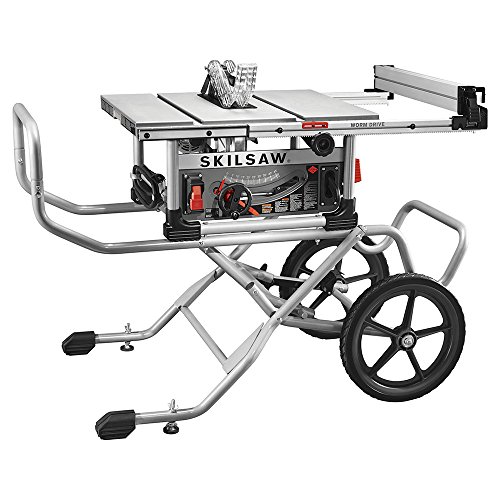
The SKIL 10-Inch Worm Drive Table Saw is the top stationary saw recommendation — worm drive gearing delivers higher torque at lower RPM than direct-drive table saws, making it more capable with hardwood and thick engineered lumber.
How to Choose the Right Saw for Your Project Buying Guide
 Photo by Baixi Liu / Pexels
There are seven common saw types in a home shop, and each is designed for a specific cut. Using the wrong saw adds hours to a project and risks ruined material. This guide maps project type to the right saw so you buy exactly what you need.
The 7 Saws and What Each Does
Circular saw: cuts long straight lines in plywood, lumber, and sheet goods. The essential first power saw for any DIYer — cuts faster than a jigsaw and cheaper than a table saw. Miter saw: crosscuts lumber at precise angles for trim, molding, and framing. Does not rip sheet goods. Jigsaw: cuts curves, circles, and irregular shapes in wood, metal, and plastic. No other saw can follow a curve. Table saw: rips long boards to exact width with a fence guide — the most accurate saw for cabinetry and furniture. Reciprocating saw: demolition. Removes material fast without precision — for cutting pipes, studs, and salvage work. Hand saw: cutting a single board when a power saw is overkill. Band saw: curves in thicker material, resawing lumber into thin slices.
Match the Saw to Your Project
Building a deck or fence: circular saw for ripping and crosscutting, miter saw for angled cuts at posts and railings. Hanging trim and molding: miter saw only — the precise angle cuts on a miter saw produce tight, invisible joints. Drywall installation: circular saw or jigsaw for cutouts; a utility knife for straight cuts. Furniture building: table saw for ripping to width, miter saw for crosscuts, jigsaw for leg curves. Tile cutting: a tile saw (wet saw) — no general-purpose saw handles ceramic tile. Demolition and renovation: reciprocating saw, no question. Cutting tree branches: reciprocating saw or chainsaw, not a hand saw — the branches pinch blades. Sheet goods (plywood/MDF): circular saw with a guide rail for long rips, jigsaw for curves.

What to Buy First
For a first-time DIYer with no saws: start with a circular saw ($60-150) and a jigsaw ($60-120). These two cover 80% of home projects. A circular saw with a straightedge guide cuts sheet goods as accurately as a table saw. A jigsaw handles every curved cut. The Makita 5007MGA 7-1/4" circular saw and DeWalt DCS331 jigsaw are the best tools at these sizes. If you do any trim or molding work at all, add a miter saw third — the DeWalt DWS713 10" ($169.99) handles most residential trim. A table saw comes last, when the volume of work justifies it ($350+).
Blade Selection Matters as Much as Saw Type
A saw is only as good as its blade. Circular saw blades: 24-tooth for framing (fast, rough), 40-tooth for general purpose, 60-80 tooth for finish cuts. Jigsaw blades: T-shank is universal; choose fine tooth (12-18 TPI) for wood, bi-metal for metal, and carbide for tile. Miter saw blades: 60-80 tooth for clean crosscuts through hardwood, 40 tooth for construction lumber. Never use a wood blade on metal or vice versa — the result is a ruined blade and potentially a kickback. Budget $20-40 for a quality aftermarket blade — it will outperform the blade that came with the saw.

Safety Rules for Every Saw Type
Circular saw: always clamp your material — never freehand cut a board you are also holding. Set blade depth to just below the material thickness. Jigsaw: secure the workpiece; jigsaws vibrate the material loose. Miter saw: keep both hands away from the blade path. The guard must be in place. Table saw: never reach behind the blade to remove cut-off material while the blade spins. Use a push stick for narrow rips. Reciprocating saw: the blade cuts on the pull stroke and can catch. Keep your body clear of the cutting line.
See Our Full Saw Comparisons
We have detailed guides for each saw category: circular saw vs miter saw vs table saw, best jigsaws, best circular saws, and best miter saws.
Watch Before You Buy

“Worm drive motor delivers more torque than direct-drive saws on dense hardwood. Best suited for diyers and homeowners who need a reliable tool for regular home improvement tasks.”
See Today’s Price →What we like
- Worm drive motor delivers more torque than direct-drive saws on dense hardwood
- Compact design folds for transport between job sites
- Stand included adds stability without additional purchase
- 10-inch blade capacity handles most framing and finish work
Watch out for
- Heavier than comparable contractor saws at 75+ lbs with stand
- Worm drive requires periodic gear oil checks that direct-drive models skip
- Dust collection port is undersized compared to premium models
Read Full Analysis
The top pick in this saw guide for buyers who need serious cutting torque. The worm drive motor design transmits power at a 90-degree angle through a gear reduction — delivering higher torque-per-amp than direct-drive contractor saws that run the blade directly off the motor shaft. That torque difference shows in hardwood ripping and dense construction lumber where direct-drive saws bog down and stall. Compact design with included stand makes this portable without requiring a separate stand purchase. Against the DEWALT 4-3/8-inch wet tile saw in this lineup, these serve entirely different cutting applications: the SKIL is for wood construction and framing; the DEWALT is a specialty tile saw. For wood project work, this is the broader-utility choice.

“”
See Today’s Price →What we like
- Cordless design reaches anywhere on the jobsite without extension cord routing for metal cutting
- 11/4-inch depth of cut handles EMT, Unistrut, and 3/4-inch copper pipe in one pass
- Blade tracking window keeps cuts on layout lines without stopping to check alignment
- 18V LXT platform compatible with 280+ Makita cordless tools — no separate charger needed if you own LXT
Watch out for
- Bare tool only — 18V LXT battery and charger sold separately, significantly adding to cost
- Fixed blade speed with no variable dial unlike some competing corded band saws
Read Full Analysis
The metal cutting specialist in this saw guide. The 1-1/4-inch depth of cut handles EMT conduit, copper pipe, Unistrut channel, and threaded rod — the cutting tasks that reciprocating saws and circular saws do less cleanly. The blade tracking window keeps the cut on layout lines without stopping mid-cut to check alignment, a practical time-saver on repetitive pipe cutting. 18V LXT compatibility integrates into the Makita cordless platform — no separate charger for buyers who already own LXT tools. The bare-tool-only listing means buyers without existing 18V LXT batteries need to factor in a battery and charger investment. Against the SKIL worm drive in this lineup, the Makita serves a completely different material; for mixed wood and metal project work, having both saw types is the ideal answer.

“Powerful 10.8 amp (1,300 watts) motor delivers the cutting power to cut through granite, porcelain, concrete, and. 4.2 stars from 1,267 Amazon reviews signal consistent reliability.”
See Today’s Price →What we like
- Powerful 10.8 amp (1,300 watts) motor delivers the cutting power to cut through granite, porcelain, concrete, and
- Lightweight (6.6lbs) and compact
- Premium 4-3/8" diamond Blade allows the user to cut ceremics and stone materials up to 1 3/8' deep wet or dry
- 13,000 rpm max with no-load speed provides plenty of speed to complete the user applications.
Watch out for
- Compact 4-3/8-inch blade limits maximum tile cut depth to 1-3/8 inches — larger format tiles need a larger saw
- Wet cutting requires water access and produces slurry that must be contained and cleaned
Read Full Analysis
Powerful 10.8 amp (1,300 watts) motor delivers the cutting power to cut through granite, porcelain, concrete, and Corded models limit mobility; cordless models require proper battery charge management Beginners should review safety guidelines and practice on scrap material before first project use

“”
See Today’s Price →What we like
- 9-inch blade covers most residential concrete cutting — sidewalks, slabs, and concrete block
- Dust extraction port connects to a vacuum for reduced silica dust on indoor cuts
- Blade guard tilts for bevel cuts up to 45 degrees without a separate bevel-cut setup
- Anti-vibration handle reduces fatigue during long ripping cuts through cured concrete
Watch out for
- 9-inch is adequate but a 14-inch saw is needed for deep expansion joint cuts in thicker commercial slabs
- Concrete cutting requires mandatory hearing and respiratory protection regardless of tool brand
Read Full Analysis
The specialty hardscape cutting option in this saw guide. The 9-inch blade capacity covers sidewalk repair, concrete block cutting, and residential slab expansion joints — the most common concrete cutting tasks a homeowner or contractor encounters. The dust extraction port is the standout feature for enclosed-space work: concrete cutting generates respirable silica dust that is a serious long-term lung hazard, and connecting a vacuum to this port reduces exposure significantly. The blade guard bevel tilt to 45 degrees handles angled saw cuts without a separate setup jig. Against the DEWALT wet tile saw in this lineup, the Evolution cuts concrete and masonry dry; the DEWALT is designed for tile and stone with water cooling. Different materials, complementary tools for full hardscape project work.

“”
See Today’s Price →What we like
- 80V battery delivers enough power for limbs up to 10 inches in diameter
- Cordless eliminates the 100-foot extension cord problem of corded pole saws
- Automatic chain lubrication extends bar and chain life without manual oiling mid-cut
- Telescoping pole reaches branches up to 15 feet from ground without a ladder
Watch out for
- 80V Greenworks battery is not interchangeable with DeWalt, Milwaukee, or Makita — platform lock-in
- Heavy battery pack at the motor end causes fatigue during prolonged overhead cutting sessions
Read Full Analysis
The tree maintenance specialist in this saw guide — a completely different use category from the other saws in this lineup. At 80V, this reaches limbs up to 10 inches in diameter that reciprocating saws and circular saws cannot access from ground level. The telescoping pole reaches 15 feet without a ladder, which is the core safety advantage: limb removal from a stable ground position versus working from a ladder under a falling branch. Automatic chain lubrication extends bar and chain life without the mid-cut oiling interruptions that manual-lube pole saws require. The 80V platform is Greenworks-proprietary, meaning batteries do not cross-use with DEWALT, Milwaukee, or Makita tools. For any buyer who has tree maintenance as a regular task, this fills a gap no other saw in this guide covers.
Frequently Asked Questions
What is the best first saw for a beginner?
Can a jigsaw replace a circular saw?
Do I need a table saw?
What saw do I need for cutting 2x4 lumber?
Is a reciprocating saw useful for general DIY?
How We Chose These Products
We compare each product’s Amazon listing, the manufacturer’s published specifications and Amazon customer ratings, shown with their review counts as Amazon’s data, and rank the products on how well they answer this page’s question. We do not test products in hand and we do not run our own analysis of review text. A publication or expert is named only where we cite its published findings about that product. No manufacturer paid for placement on this page.
A price appears only when Amazon’s API supplied it at a recent daily refresh, with the date and time beside it, and is withdrawn at 4 AM Central on the day after it turns 24 hours old; otherwise use “Check price on Amazon” for the live price. Read our full methodology →