How to Build a Raised Garden Bed (2026 Guide)
The Burpee Premium Organic Potting Soil Mix 9 qt is the best raised bed soil pick here — organic blend includes compost and fertilizer to support vegetables from transplanting through harvest without additional amendments at planting.
How to Build a Raised Garden Bed Buying Guide
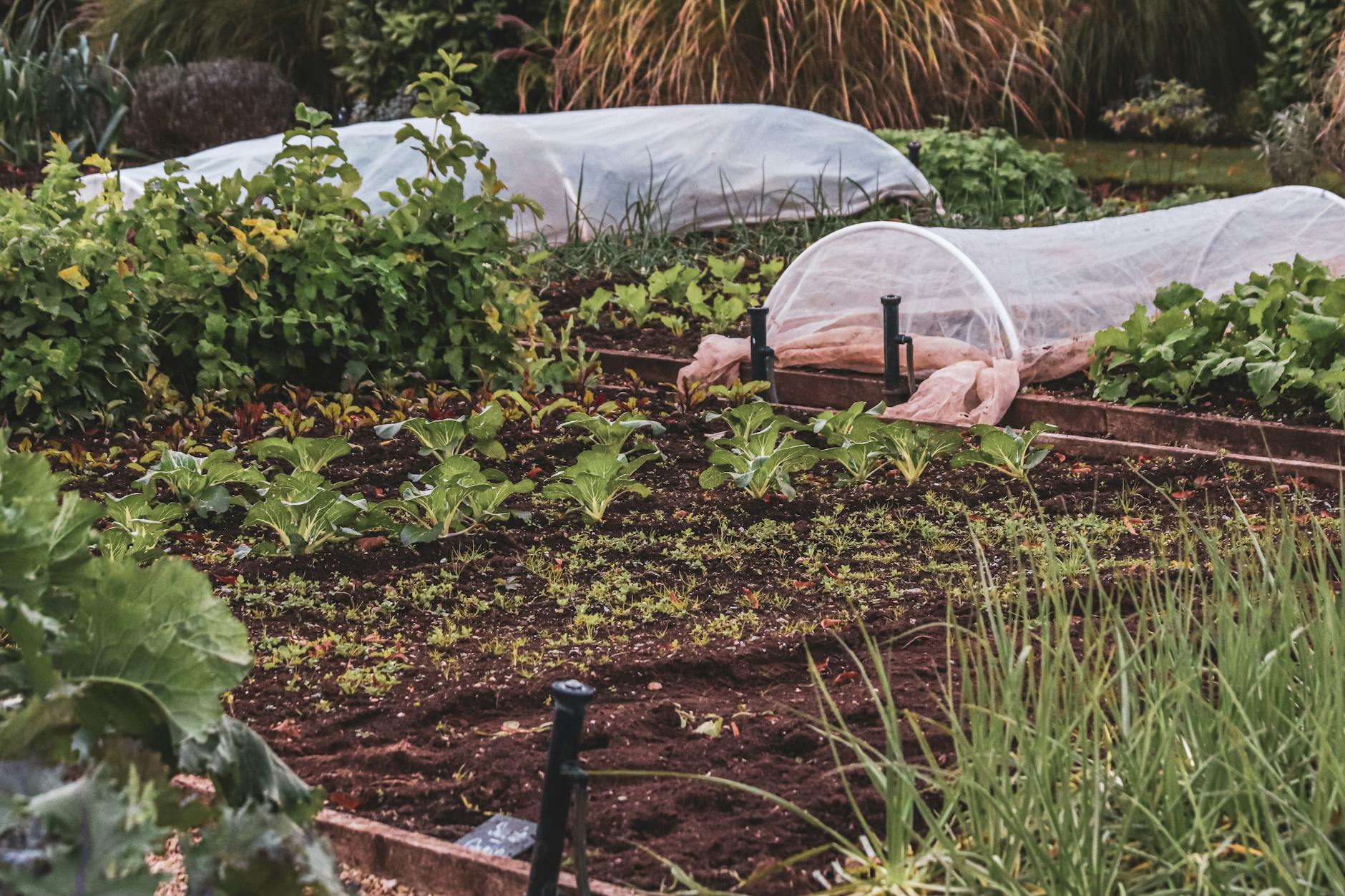 Photo by Boys in Bristol Photography / Pexels
Raised garden beds outperform in-ground planting for most beginners — better drainage, complete soil control, fewer weeds, and no compaction from foot traffic. A basic 4x8-ft. bed built from cedar costs $40-$80 in lumber and takes about 2 hours to build with a drill and saw. Everything after that is soil and seeds.
Material Choices: What Lasts and What Doesn't
Cedar is the standard choice: naturally rot-resistant, no chemical treatment, lasts 10-15 years. Douglas fir lasts 5-7 years and costs about 30% less. Untreated pine lasts 2-4 years — barely worth the effort. Avoid pressure-treated lumber labeled 'CCA' (older, contains arsenic) but modern ACQ and CA-B treated lumber is considered safe for vegetable beds by the EPA and USDA. Galvanized steel kits ($60-$200) last 20+ years but heat up faster in summer, which can stress roots in hot climates. Composite (recycled plastic/wood) lasts indefinitely and looks clean, but costs more and has less structural flexibility.
Size and Depth: Getting These Right
Width is the critical dimension: the bed should be narrow enough to reach the center from either side without stepping in — maximum 4 ft. if accessible from both sides, 2-3 ft. if against a wall or fence. Length is flexible: 4-ft., 6-ft., and 8-ft. are standard because they align with lumber lengths. Depth matters for root crops: 12 inches minimum for most vegetables, 18 inches for carrots, parsnips, and deep-rooted tomatoes. Shallower than 8 inches dries out too fast in summer. Standard 2x6 lumber (actual 1.5x5.5 in.) stacked two boards high produces an 11-inch deep bed — enough for most crops.

The Right Soil Mix
Never fill a raised bed with straight topsoil — it compacts, drains poorly, and settles dramatically over the first season. The standard mix for raised beds: 60% topsoil, 30% compost, 10% perlite or coarse sand. A 4x8x1-ft. bed (4 cubic feet) needs about 24 cubic feet of soil mix — roughly 9-10 40-lb. bags of premixed raised bed soil, or buy the ingredients separately in larger volumes for better value. Burpee Organic Potting Mix ($14.95) works well for filling raised beds. Add 2-3 inches of compost on top each season and dig it in lightly — raised bed soil improves year over year.
Building Process
Cut lumber to length (or have the lumber yard do it). Four 2x6 boards at 8 ft. and four at 4 ft. make a basic 4x8 frame. Drill 1/8-in. pilot holes 2 inches from each end to prevent splitting. Drive 3-in. exterior screws through the end grain. Two screws per corner, offset vertically, hold better than one large fastener. Level the bed before filling — uneven beds water unevenly, with one end staying soggy and the other drying out. Overlap weed fabric or several layers of cardboard on the ground before filling to suppress weeds from below.
Common Mistakes
Building too deep for the wood gauge used — a single 2x6 board with no structural support bows outward under soil pressure; use corner stakes or double the frame. Skipping weed fabric under the bed — perennial weeds (bindweed, quackgrass) will grow through the drainage gaps. Placing beds in low-lying areas — raised beds improve drainage but don't fix underlying waterlogged sites. Overfilling with compost alone — pure compost is too nitrogen-rich and drains too fast; it needs topsoil ballast.
Watch Before You Buy
“The Burpee Premium Organic Potting Soil Mix 9 qt Container Garden features burpee brand trusted by gardeners. 4.5 stars from 4,589 Amazon reviews signal consistent reliability.”
See Today’s Price →What we like
- Burpee brand trusted by gardeners
- Organic certified
- 9 qt fits most repotting
Watch out for
- Premium price for a small bag
- Best for containers not in-ground beds
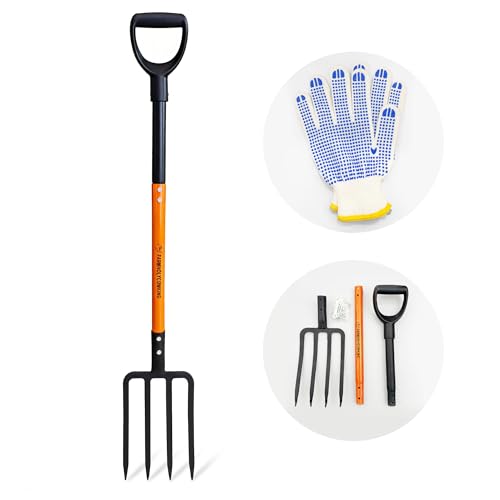
“The Pitch 4-Tine Heavy Duty Compost Spading Fork 45 in Orange features heavy-duty tines break up clumps. Best suited for turning compost and aerating garden beds.”
See Today’s Price →What we like
- Heavy-duty tines break up clumps
- 45 in handle reduces bending
- Orange handle is visible
Watch out for
- Heavier than border forks
- Single color option only
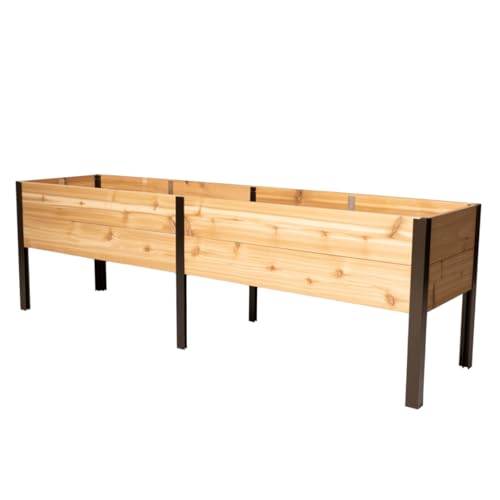
“Self-watering reservoir reduces watering frequency. Best suited for premium vegetable gardens with reduced maintenance watering.”
See Today’s Price →What we like
- Self-watering reservoir reduces watering frequency
- Premium cedar from trusted garden retailer
- 2x8 long bed maximizes growing space
- Includes soil mix guide
Watch out for
- Most expensive option
- Self-watering system adds assembly complexity
- Heavier than basic beds
Read Full Analysis
Self-watering reservoir reduces watering frequency Premium cedar from trusted garden retailer Keep in mind: most expensive option. Self-watering system adds assembly complexity
Frequently Asked Questions
What wood should I use for a raised garden bed?
How deep does a raised garden bed need to be?
What soil do I put in a raised garden bed?
How wide should a raised garden bed be?
Do I need to remove grass before building a raised bed?
How many raised beds do I need to feed a family?
How We Chose These Products
We compare each product’s Amazon listing, the manufacturer’s published specifications and Amazon customer ratings, shown with their review counts as Amazon’s data, and rank the products on how well they answer this page’s question. We do not test products in hand and we do not run our own analysis of review text. A publication or expert is named only where we cite its published findings about that product. No manufacturer paid for placement on this page.
A price appears only when Amazon’s API supplied it at a recent daily refresh, with the date and time beside it, and is withdrawn at 4 AM Central on the day after it turns 24 hours old; otherwise use “Check price on Amazon” for the live price. Read our full methodology →