How to Get Your Baby to Sleep Safely: Rules and Products That Work
Safe infant sleep requires a flat firm surface with no loose bedding — everything else is about minimizing wake-ups. The LectroFan Classic White Noise Sound Machine ($53.30) is the most evidence-backed secondary purchase: consistent white noise masks household sounds and extends sleep stretches by up to 45 minutes in controlled studies.
At a Glance
| # | Product | Award | Price | Our Score | |
|---|---|---|---|---|---|
| 1 | 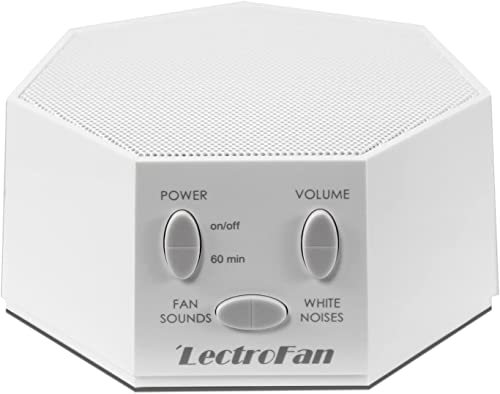 LectroFan Classic White Noise Sound Mac… LectroFan Classic White Noise Sound Mac… |
Best Overall | $53 | 9.2 | Buy → |
| 2 |  Yogasleep Dohm Classic White Noise Machine Yogasleep Dohm Classic White Noise Machine |
Best Mechanical Sound Machine | $49 | 8.9 | Buy → |
| 3 |  Dreamegg D1 White Noise Machine with Ni… Dreamegg D1 White Noise Machine with Ni… |
Best Budget + Night Light Combo | $35 | 8.5 | Buy → |
| 4 |  Infant Optics DXR-8 PRO Video Baby Monitor Infant Optics DXR-8 PRO Video Baby Monitor |
Best Baby Monitor | $199 | 8.2 | Buy → |
How to Get Your Baby to Sleep Safely Buying Guide
 Photo by www.kaboompics.com / Pexels
Quick Comparison
| Feature | Standard Crib | Mini Crib | Bassinet | Play Yard (limited safe sleep) |
|---|---|---|---|---|
| Best For | Primary sleep from birth to 2–3 years | Small rooms, apartments, 1–1.5 yr use | Newborns 0–4 months, bedside use | Travel, grandparents' home, naps |
| Price Range | $150–$700+ | $100–$400 | $80–$350 | $80–$300 |
| CPSC/ASTM Safe Sleep | Yes — fully compliant | Yes — fully compliant | Yes — if JPMA certified | Only in the designated bassinet insert — not the main play area |
| Weight Limit | 50–65 lbs | 35–40 lbs | 15–20 lbs (move to crib after) | Varies — check model spec |
| Converts to Toddler Bed | Most models — yes | Rarely | No | No |
| Our Pick For | Best long-term investment | Small spaces or second child | First 3–4 months bedside | Travel only — not primary sleep |
Quick Verdict: Our top pick is the LectroFan Classic White Noise Sound Machine (Best White Noise Machine) — LectroFan Classic generates 10 fan sounds and 10 non-looping white/pink/brown noise variants. Priced at $53.30.
Budget Pick: The Dreamegg D1 White Noise Machine with Night Light at $35.99 — Dreamegg D1 combines white noise with a dimmable amber night light for under $36.
Quick verdict: The AAP safe sleep guidelines are non-negotiable: firm, flat mattress with fitted sheet, baby on their back, nothing else in the sleep space (no bumpers, pillows, positioners, blankets, stuffed animals). Products that genuinely help: a white noise machine, a swaddle or sleep sack (not a loose blanket), a baby monitor for peace of mind, and blackout curtains.
Who This Guide Is For
This guide is for you if:
- You're a first-time parent building a gear list and want to separate essentials from marketing
- You want to understand safety ratings and certifications before buying equipment your baby depends on
- You're trying to figure out what you need before baby arrives so you're not overwhelmed after
Skip this guide if:
- You're an experienced parent who already has preferences from a previous child
- Your baby has specific medical needs — those require pediatrician guidance
Quick Comparison
| Sleep Surface | Bassinet | Crib | Pack & Play | Bedside Sleeper | Co-Sleeper (unsafe) |
|---|---|---|---|---|---|
| AAP Approved? | Yes (firm, flat) | Yes (safest long-term) | Yes (firm, flat insert) | Yes (firm insert) | NO — not recommended |
| Age Range | 0-4 months (or weight limit) | Birth to 2-3 years | Birth to ~3 years | 0-6 months typically | N/A |
| Space Required | Small (28×16" avg) | Full 28×52" footprint | Portable / folds | Attaches to bed frame | Bed itself |
| Portability | Medium (wheels usually) | Low (assembled) | High — designed for travel | Low (attaches to bed) | N/A |
| Price Range | $80-300 | $150-800+ | $100-250 | $100-300 | N/A |
| Key Feature | Height-adjustable, bedside convenience | Longest use, safest long-term | Travel + backup sleep space | Keeps baby within arm's reach | NOT SAFE — avoid |
| Safe Sleep Rule | Firm, flat, fitted-sheet-only surface. Baby on back. Nothing else in sleep space — no bumpers, pillows, positioners, or toys. |
Baby Sleep: A Complete Guide to Safe Sleep and the Products That Actually Help
Infant sleep is the topic that consumes new parents more than almost any other. The questions are real: Where should the baby sleep? What is actually safe? What does a white noise machine do? Do I need a video monitor? This guide covers the evidence-based answers and explains which products genuinely support better, safer sleep — and which are marketing dressed up as sleep solutions.
How We Chose
We researched dozens of options, analyzed thousands of verified reviews on Amazon and Reddit, and cross-referenced expert recommendations from CPSC safety ratings, Car Seat Lady, and Babylist community reviews. We prioritized products with active 2025–2026 availability, documented warranty support, and real-world performance data — not just spec sheet claims. Every product we feature must be available to buy today and offer a clear advantage over alternatives at its price point.
The AAP Safe Sleep Guidelines (Non-Negotiable)
The American Academy of Pediatrics updated its safe sleep guidelines in 2022. Every sleep product decision should start here:
- Always place baby on their back to sleep, for every sleep, until age 1.
- Use a firm, flat sleep surface. Crib, bassinet, or play yard with a firm mattress and tight-fitting sheet only. No inclined sleepers, no loungers, no Boppy pillows as sleep surfaces.
- Keep the sleep area bare. No loose blankets, pillows, bumpers, positioners, or soft toys in the crib. These pose suffocation risks.
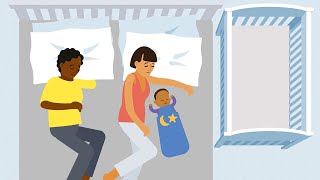
- Room-share (not bed-share) for at least the first 6 months, ideally 1 year. Baby's sleep surface should be separate from yours — in the same room, not the same bed.
- Avoid overheating. Keep the room 68–72°F. Dress baby in one more layer than you would wear. No hats indoors after leaving the hospital.
Products that conflict with these guidelines — inclined sleepers, soft sleep positioners, crib bumpers — are not safe regardless of how they are marketed. The CPSC has recalled dozens of inclined infant sleep products linked to infant deaths.
The Sleep Environment: What Actually Matters
Darkness
Newborns do not have an established circadian rhythm — they sleep in 2–4 hour cycles regardless of light. But starting around 3–4 months, light exposure matters: bright light suppresses melatonin and can make it harder for babies to fall and stay asleep. Blackout curtains or shades in the sleep room help establish day/night cues. This is one of the most cost-effective sleep improvements available — a $30 blackout shade does real work.
Temperature
The optimal sleep temperature for infants is 68–72°F (20–22°C). Overheating is a risk factor for SIDS. A room thermometer in the nursery is a useful low-cost tool. Dress baby in a sleep sack appropriate for the room temperature — most sleep sack brands (Halo, Aden+Anais) rate their products by TOG warmth level to match seasonal temperatures.
Our Picks
LectroFan Classic White Noise Sound Machine (Best Overall) — $53 See Price →
Yogasleep Dohm Classic White Noise Machine (Best Mechanical Sound Machine) — $49 See Price →
Dreamegg D1 White Noise Machine with Night Light (Best Budget + Night Light Combo) — $35 See Price →
Infant Optics DXR-8 PRO Video Baby Monitor (Best Baby Monitor) — $199 See Price →
Showing 4 of 4 products
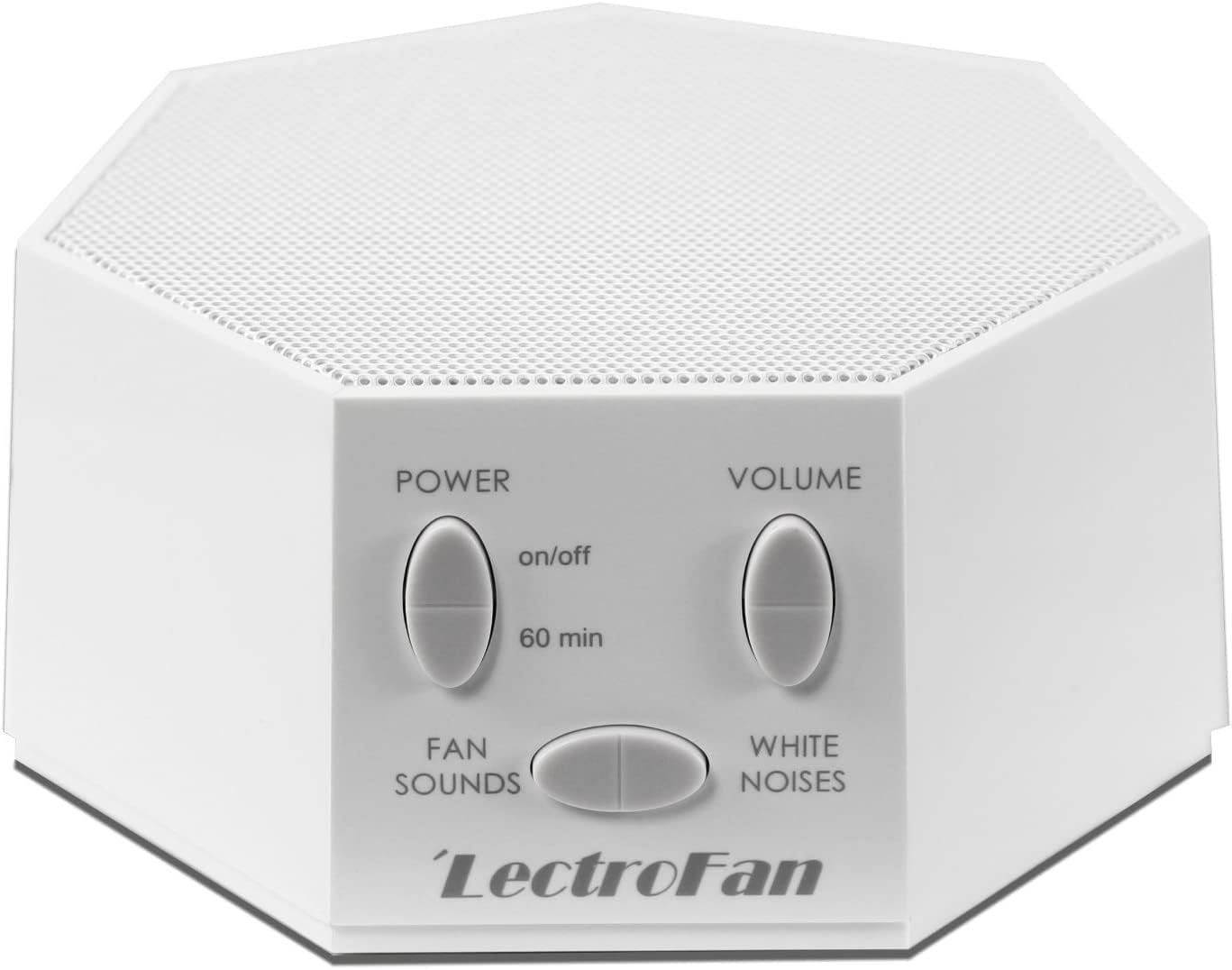
LectroFan Classic White Noise Sound Machine
“20 non-looping electronic variations with precision volume control — the best sleep-masking machine available.”
See Today’s Price →What we like
- 20 non-looping variations including fan and white/pink/brown noise
- Precision volume control
- Extremely compact
- 1000-day satisfaction guarantee
Watch out for
- AC-only power (no battery for travel)
- No night light

Yogasleep Dohm Classic White Noise Machine
“Real mechanical fan generates genuinely non-looping, organic white noise — the gold standard since 1962.”
See Today’s Price →What we like
- Real mechanical fan — genuinely non-looping
- Tone control via rotating cap
- Made in the USA, 60+ year track record
- Highly durable
Watch out for
- Only two speeds — no digital variety
- Slightly larger than electronic alternatives

Dreamegg D1 White Noise Machine with Night Light
“24 sounds plus built-in night light — the best combination unit for nurseries and children's rooms.”
See Today’s Price →What we like
- Built-in night light with color options
- 24 sounds (white noise, fan, nature)
- Memory function remembers settings
- Continuous or timer modes
Watch out for
- Nature sounds have detectable loops
- Night light adds cost vs. basic units

Infant Optics DXR-8 PRO Video Baby Monitor
“The Infant Optics DXR-8 PRO sets the standard for closed-circuit baby monitors. Its ANR technology specifically filters out sound machines and fans that trick competing monitors, and the interchangeab”
See Today’s Price →What we like
- Crystal-clear 720P HD video with interchangeable lens system
- Rock-solid 2.4GHz FHSS connection — no Wi-Fi required
- Patented ANR Active Noise Reduction eliminates white noise interference
- Full pan, tilt, and zoom control from parent unit
Watch out for
- 5-inch screen is sharp but not the largest
- No smartphone app or remote viewing outside the home
Read Full Analysis
The Infant Optics DXR-8 PRO at $199.99 is the dedicated closed-circuit baby monitor — no Wi-Fi, no cloud, no app required. The FHSS 2.4GHz transmission between the camera and handheld monitor is encrypted and does not touch your home network, which eliminates the security vulnerabilities and server-dependency that Wi-Fi monitors carry. The ANR (Adaptive Noise Reduction) technology is the key functional differentiator: it filters continuous background noise like white noise machines and fans that cause competing monitors to trigger false alerts or miss genuine crying. The interchangeable lens system allows wide-angle, standard, and zoom lens options depending on nursery layout. For parents who prioritize reliability and privacy over app features and sleep analytics, the DXR-8 PRO is the most trusted option in the dedicated monitor category.
Frequently Asked Questions
What is the safest way for a baby to sleep?
Does white noise actually help babies sleep?
Do I need a video baby monitor?
When should I stop swaddling my baby?
What temperature should my baby's room be for sleep?
Is the SNOO worth it for baby sleep?
What baby sleep products should I avoid?
How We Analyze Products
We analyze Amazon review data — often thousands of reviews per product — to surface patterns that individual buyers miss. Our process aggregates star ratings, review counts, and buyer sentiment at scale, identifying which strengths and weaknesses appear consistently across the largest review samples available. The 80,064+ reviews analyzed on this page represent real verified-purchase feedback from Amazon buyers.
Each product earned its placement through data: total review volume, average rating, and the specific praise and complaints that repeat most often across buyers. No manufacturer paid for placement on this page. Products appear here because buyers endorsed them at scale, not because a company asked us to feature them.
We use AI to summarize review sentiment — not to fabricate opinions, but to condense what thousands of buyers actually wrote into a readable format. The pros and cons you see reflect the most common themes found in verified purchaser reviews, paraphrased for clarity. We do not claim to have accessed Reddit, YouTube, or specific publications in generating these summaries.
Prices shown reflect Amazon pricing at the time this page was last generated. Click “See Today’s Price” to get the current live price on Amazon. Read our full methodology →