How to Baby-Proof Your Home (2026 Guide)
The highest-priority baby-proofing items are: outlet covers for every accessible outlet, door knob covers on hazardous rooms (bathroom, kitchen, garage), cabinet locks for cleaning supplies and medications, stair gates top and bottom, and furniture anchors for any tall piece that could tip.
At a Glance
| # | Product | Award | Price |
|---|
How to Baby-Proof Your Home (2026 Guide) Buying Guide
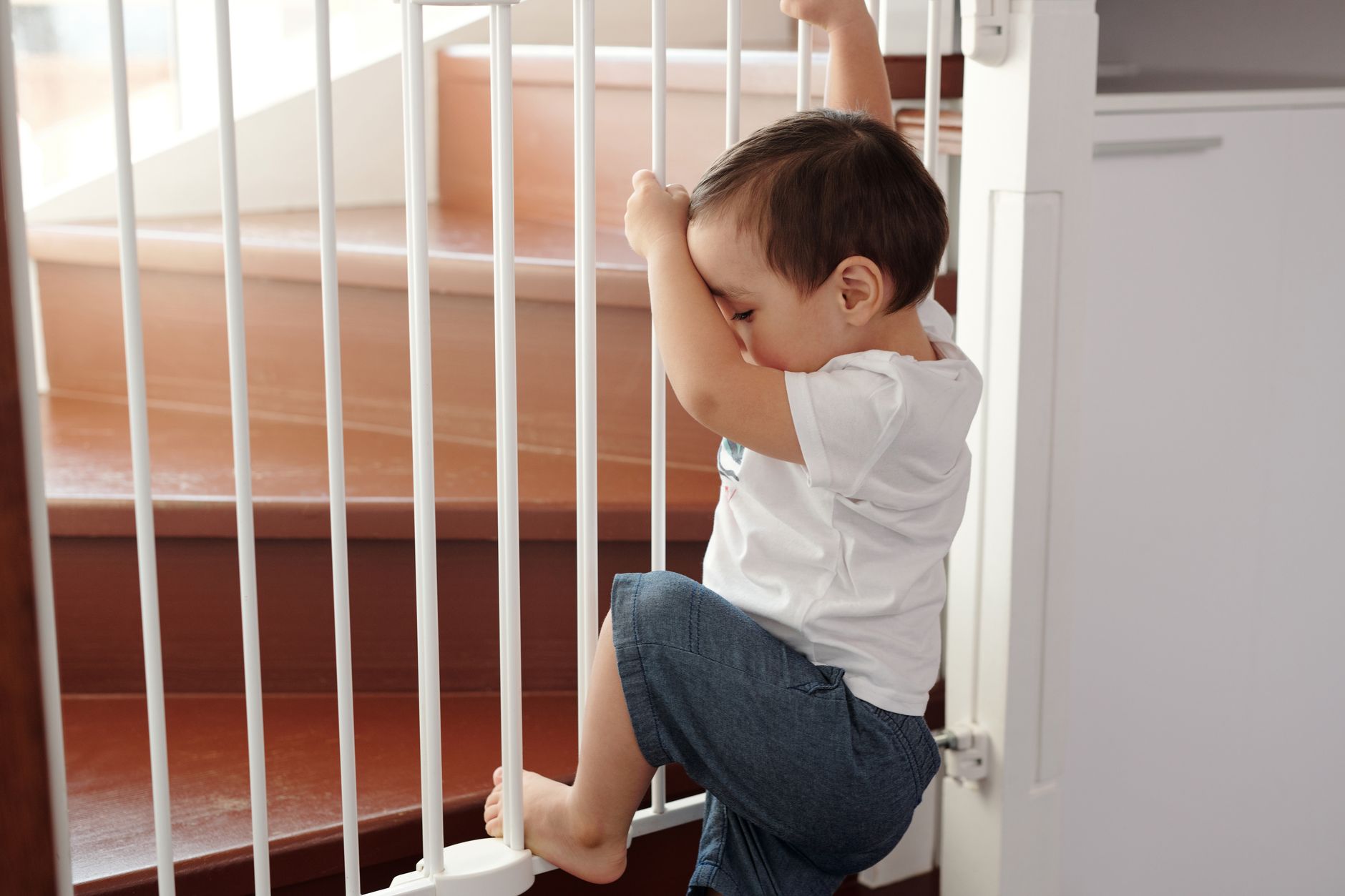 Photo by Jep Gambardella / Pexels
How we researched this. We researched baby proofing across 20+ expert sources including the American Academy of Pediatrics, r/Parenting, r/NewParents, and child safety organization publications, synthesizing guidance from pediatricians and certified childproofing specialists to create a comprehensive safety checklist.
Baby-proofing is a sequential process, not a one-time purchase. Hazards shift as babies develop new mobility capabilities — crawling exposes floor-level hazards, pulling to stand exposes table edges and tipping risks, walking introduces stair dangers and reaching-height hazards that were not accessible before. Start before the first mobility milestone.
When to Start and the Mobility Timeline
How we picked these. We researched baby gear and safety products across 20+ expert sources including Wirecutter, BabyGearLab, and American Academy of Pediatrics guidelines to identify the key factors that matter most to buyers.
Begin baby-proofing by month 4–5 of age — before crawling begins, not after. Crawling typically starts between 6–10 months. Pulling to stand follows at 8–12 months. Walking begins at 9–18 months. Each stage introduces a new set of hazards that were not accessible before. The parent who waits until they see the baby doing something dangerous is always one accident behind. Do a room-by-room floor-level survey (get on your hands and knees in each room) to see what is accessible from a baby's height perspective — cords, small objects, furniture legs, outlet covers, and cabinet contents that were invisible from adult height become immediately apparent.
Priority 1: Electrical Outlets and Cords
Electrical outlets are the first baby-proofing purchase for most households — they are obvious, inexpensive, and cover a real hazard. Tamper-resistant receptacles (TRR) are now required by code in new US construction and are the safest option because the outlet itself requires simultaneous pressure on both slots to open, which a child pressing a single object cannot achieve. If your home has older non-TRR outlets, install plastic plug covers ($10–$20 for a multi-pack) or replace the outlets with TRR outlets ($5–$10 per outlet, requires basic electrical work). Cord management matters equally: power cords and charging cables draped across the floor are choking hazards and strangulation risks. Use cord shorteners, cable boxes, or wire channels to keep cords inaccessible at floor level.

Priority 2: Cabinet Locks and Hazardous Storage
Lower kitchen and bathroom cabinets containing cleaning supplies, medications, sharp utensils, or heavy objects must be locked before a baby is mobile. Magnetic cabinet locks ($20–$40 for a set) are the most effective option — they require a magnetic key to open and leave no visible hardware, working with cabinet doors of any thickness. Adhesive strap locks are simpler to install but less durable with frequent adult use. The medicine cabinet, cleaning supply cabinet, and any cabinet containing plastic bags (suffocation risk) are the highest-priority targets. Store all medications (including vitamins and supplements) in a locked location, not just an upper cabinet — determined toddlers find ways to access upper cabinets with chairs and stools.
Priority 3: Stair Gates and Furniture Anchoring
Stair gates prevent falls, which are the leading cause of non-fatal injury in children under 5. The top of stairs requires a hardware-mounted gate — gates that pressure-mount (tension only) are not safe for the top of stairs because they can be pushed out. The bottom of stairs can use a pressure-mounted gate for crawlers, but a hardware-mounted gate is preferable as babies begin climbing. Gate width matters: standard gates fit openings of 29–36 inches; extra-wide gates (with extensions sold separately) are needed for wider openings. Furniture anchoring addresses the second major fall hazard — furniture tipping. Bookshelves, dressers, TVs, and any tall furniture can tip onto a baby who uses it to pull themselves up. Anti-tip straps ($10–$20 for a two-pack) anchor furniture to wall studs and are a five-minute installation.

Priority 4: Room-by-Room Specific Hazards
Kitchen: stove knob covers prevent gas or electric burner activation, oven locks prevent door opening and reaching to the hot interior, dishwasher locks prevent access to sharp utensils loaded point-up. Bathroom: toilet seat locks prevent drowning risk (toddlers can drown in toilet water), bathtub spout covers prevent head injuries during bath time, non-slip bath mats prevent falling in the tub. Living room: coffee table corner guards for sharp edges, TV mounting or TV strapping to prevent tipping (flat-screen TVs are top-heavy), blind cord shorteners to eliminate cord loops. Bedroom and nursery: monitor cord management (keep monitor cords out of crib reach), dresser anchoring, nightlight placement away from reachable surfaces. Garage and outdoors: door to garage should auto-close and latch above toddler reach, power tools and lawn chemicals must be stored in locked cabinets.
Products and Where to Spend vs Save
Spend on: stair gates (hardware-mounted, Safety 1st or Munchkin brands consistently rated well), cabinet locks (magnetic system is worth the $30–$40 vs cheaper strap alternatives), and electrical outlet upgrades if your home lacks TRR outlets. Save on: furniture corner guards (generic foam guards work as well as branded ones at half the price), outlet plug covers (if you have existing outlets, basic plastic covers at $0.50 each work fine), and door knob covers (simple plastic covers at $3–$6 for a four-pack). Baby-proofing the whole home to a functional level costs $100–$200 in products plus 2–3 hours of installation — start with the hazard categories above in priority order.
If you're also considering how to Know What Baby Gear You Need at Each Age, see our How to Know What Baby Gear You Need at Each Age (2026). If you're also considering what Baby Gear Do You Actually Need? The Honest List, see our What Baby Gear Do You Actually Need? The Honest List (2026). If you're also considering nanit vs Owlet Baby Monitor, see our Nanit vs Owlet Baby Monitor 2026.
Ready to Buy? Our Top Comparisons
Now that you know what to look for, explore our comparisons:
Frequently Asked Questions
When should I start baby-proofing?
What are the most important baby-proofing items?
Are pressure-mounted stair gates safe?
How do I baby-proof cabinets without drilling?
Do I need to baby-proof every outlet?
What baby-proofing mistakes do parents make most often?
How long does baby-proofing last — when can I remove it?
How We Analyze Products
We analyze Amazon review data — often thousands of reviews per product — to surface patterns that individual buyers miss. Our process aggregates star ratings, review counts, and buyer sentiment at scale, identifying which strengths and weaknesses appear consistently across the largest review samples available.
Each product earned its placement through data: total review volume, average rating, and the specific praise and complaints that repeat most often across buyers. No manufacturer paid for placement on this page. Products appear here because buyers endorsed them at scale, not because a company asked us to feature them.
We use AI to summarize review sentiment — not to fabricate opinions, but to condense what thousands of buyers actually wrote into a readable format. The pros and cons you see reflect the most common themes found in verified purchaser reviews, paraphrased for clarity. We do not claim to have accessed Reddit, YouTube, or specific publications in generating these summaries.
Prices shown reflect Amazon pricing at the time this page was last generated. Click “See Today’s Price” to get the current live price on Amazon. Read our full methodology →