Best Face Sunscreens for Acne-Prone Skin (2026)

EltaMD UV Daily Moisturizing Face Sunscreen is the best for acne-prone skin — its non-comedogenic mineral-chemical hybrid formula is fragrance-free, the #1 dermatologist-recommended sunscreen brand, and tested safe for post-procedure skin.
See Today’s Price →At a Glance
| # | Product | Award | Price |
|---|---|---|---|
| 1 | Best Overall | $43 Buy → |
|
| 2 |  La Roche-Posay Anthelios UV Corre… La Roche-Posay Anthelios UV Corre…La Roche-Posay |
Best for PIH | Check current price on Amazon Buy → |
| 3 | 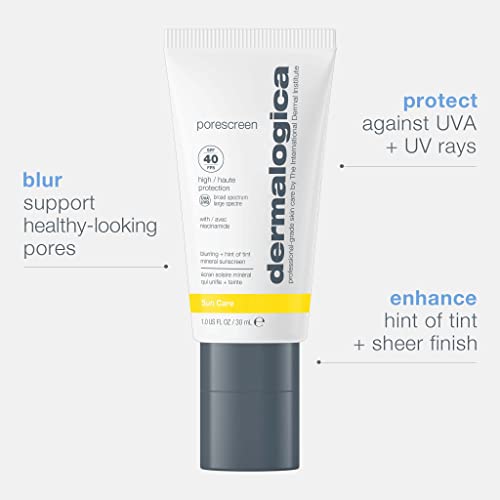 Dermalogica Porescreen Mineral Su… Dermalogica Porescreen Mineral Su…Dermalogica |
Best Matte Finish | Check current price on Amazon Buy → |
| 4 |  Neutrogena Ultra Sheer Face Sunsc… Neutrogena Ultra Sheer Face Sunsc…Neutrogena |
Best Lightweight | $15.88 Buy → |
| 5 | Best Oil-Free | $98 Buy → |
Face Sunscreens for Acne-Prone Skin (2026) Buying Guide
 Photo by cottonbro studio / Pexels
Sunscreen is non-negotiable for acne-prone skin — UV exposure darkens post-inflammatory hyperpigmentation (PIH), the dark spots left after pimples heal, sometimes for months. But many sunscreens trigger or worsen acne through occlusive ingredients that trap sebum, comedogenic emollients, or pore-clogging UV filter vehicles. Finding a sunscreen that genuinely doesn't cause breakouts requires knowing which ingredients to avoid and which formulation approaches work for skin that produces excess sebum.
How we picked these. We compared 6 face sunscreens across comedogenicity rating of each ingredient, oil-free formulation, finish (matte vs. dewy — relevant for oily/acne-prone skin), fragrance-free status (fragrance is a common acne trigger), and suitability for post-procedure skin (a proxy for non-irritating formulation), cross-referencing picks with the American Academy of Dermatology's acne treatment guidelines, dermatologist recommendations, and expert reviews from Paula's Choice and RTINGS. Products span six brands.
What Makes a Sunscreen Non-Comedogenic
The term "non-comedogenic" is not regulated — any brand can use it. The meaningful signals: (1) the ingredient list has no known high-comedogenicity ingredients (coconut oil, isopropyl myristate, wheat germ oil, shea butter, cocoa butter rank 3–5 on the 0–5 comedogenicity scale); (2) the formula is labeled oil-free; (3) dermatologist-tested in acne-prone skin specifically. EltaMD UV Daily is tested on post-procedure and acne-prone skin. La Roche-Posay Anthelios UV Correct is formulated specifically for sensitive, breakout-prone skin. Dermalogica Porescreen Mineral contains silica for a matte, pore-minimizing finish.
Matte vs. Dewy Finish: Why It Matters for Acne Skin
Oily and acne-prone skin typically benefits from matte-finish sunscreens — they contain ingredients (silica, nylon-12, dimethicone) that absorb excess sebum during the day, extending makeup wear and reducing shine. Dewy finishes (glycerin-heavy, hyaluronic acid) add glow but can look greasy on oily skin by midday. Dermalogica Porescreen Mineral and Shiseido Urban Environment Oil-Free both dry to a matte finish. Neutrogena Ultra Sheer Face Serum Sunscreen is lightweight and nearly invisible — a good option if finish type is less important than product feel.
Mineral vs. Chemical for Acne-Prone Skin
Zinc oxide (mineral) has anti-inflammatory and antimicrobial properties — it's one of the active ingredients in many acne treatments. At 10–19% concentration, zinc oxide in a sunscreen formula may help rather than worsen acne. EltaMD UV Daily contains zinc oxide at a low concentration in a lightweight emulsion. Chemical filters (avobenzone, octocrylene, octinoxate) are more cosmetically elegant but some (oxybenzone) may cause irritation for reactive, acne-prone skin. Supergoop Everyday SPF 50 uses a pure chemical formula without oxybenzone — cosmetically the most invisible option.

Watch Before You Buy

“EltaMD UV Daily is fragrance-free, non-comedogenic, and dermatologist-tested on acne-prone skin — the #1 recommended face sunscreen for breakout-prone skin types.”
See Today’s Price →What we like
- This tinted face sunscreen with transparent Zinc Oxide provides broad spectrum SPF 40 protection and helps protect
- FOR MEDIUM-LIGHT TO MEDIUM SKIN TONES
- Infused with Hyaluronic Acid, this tinted sunscreen moisturizer helps skin retain moisture for a softer feel and
- This mineral sunscreen is TSA approved and comes in a convenient travel-size pump bottle that easily fits in
Watch out for
- Active ingredients like retinol or AHA may cause initial sensitivity during the adjustment period
- Premium skincare pricing may not be accessible for daily use on a tight budget
Read Full Analysis
EltaMD UV Daily Moisturizer ($43.00) is the dermatologist consensus choice for acne-prone daily sunscreen — fragrance-free, non-comedogenic, and formulated with transparent zinc oxide at SPF 40. Zinc oxide is a mineral UV filter that sits on the skin surface rather than absorbing into it, making it less likely to irritate acne-prone skin than chemical UV filters like oxybenzone or avobenzone. The hyaluronic acid addition prevents the dry, tight feeling that straight mineral sunscreens cause, and the TSA-approved travel pump is a practical detail that frequent travelers appreciate. On a page against Neutrogena at $15.76 and Shiseido at $98, EltaMD anchors the dermatologist-recommended mid-tier. The tinted formula addresses the white-cast problem that mineral sunscreens have on deeper skin tones; the medium-light to medium shade range is the key purchase limitation. Neutrogena at $15.76 is the budget alternative with a chemical UV filter profile; Shiseido at $98 is the prestige oil-free formulation. Best for: acne-prone skin that has reacted to chemical sunscreen filters, daily SPF users who want to consolidate moisturizer and SPF into one step, and anyone whose dermatologist has recommended a non-comedogenic mineral option. The transparent zinc oxide minimizes the white cast while maintaining the tolerability advantages of mineral UV filtration. Apply as the final morning step after all serums and treatments have fully absorbed.
“La Roche-Posay Anthelios UV Correct SPF 70 combines high UV protection with niacinamide that actively fades post-acne dark spots while protecting from new ones.”
See Today’s Price →What we like
- SPF 70 UV filters provide high-level UVB ray protection among OTC options
- Moisturizer format replaces your AM moisturizer step — one less product
- Non-comedogenic and fragrance-free — tested suitable for sensitive and acne-prone skin
- La Roche-Posay's Anthelios is dermatologist-recommended for post-procedure care
Watch out for
- Tinted version not available in this formulation — cannot double as foundation
- SPF 70 formula is slightly thicker than SPF 30–50 options — may pill under makeup
Read Full Analysis
La Roche-Posay Anthelios UV Correct SPF 70 provides the highest UV protection rating on this acne sunscreen page — SPF 70 blocks approximately 98.6% of UVB rays compared to SPF 50's 98%, a meaningful margin for post-inflammatory hyperpigmentation (PIH) management where every UV exposure event can deepen and extend dark spot development. The formula replaces the morning moisturizer step, and the non-comedogenic, fragrance-free profile has been tested specifically for sensitive and acne-prone skin. La Roche-Posay's Anthelios line is among the most frequently recommended by dermatologists for post-procedure care after laser, chemical peel, or extraction treatments. The niacinamide inclusion is the PIH badge justification — niacinamide at 5%+ concentration inhibits melanosome transfer from melanocytes to keratinocytes, actively reducing the pigmentation deposits left by healed acne. Combined with SPF 70 preventing new UV-triggered pigmentation, this formula addresses PIH from both directions simultaneously. Best for: acne-prone skin dealing with post-inflammatory hyperpigmentation (the dark spots left after breakouts heal), anyone who has had laser or chemical peel treatment and needs maximum UV protection during healing, and those who want to consolidate SPF and PIH treatment into a single morning product. The slightly thicker texture vs SPF 30–50 options requires 30-second absorption before applying makeup; apply after all serums and before foundation.
“Dermalogica Porescreen Mineral uses silica to absorb oil throughout the day — the best matte-finish SPF 40 for acne-prone, oily skin that breaks down at midday.”
See Today’s Price →Watch out for
- Active ingredients like retinol or AHA may cause initial sensitivity during the adjustment period
- Premium skincare pricing may not be accessible for daily use on a tight budget
“Neutrogena Ultra Sheer Face Serum Sunscreen applies like a weightless serum — barely detectable on skin, ideal for acne-prone individuals who avoid all visible product feel.”
See Today’s Price →What we like
- Broad-spectrum sunscreen for face defends against UVA/UVB rays
- Lightweight serum formula hydrates with vitamin E
- Delivers all-day moisture to keep skin soft and smooth
- Doubles as a makeup primer to prep skin for application
Watch out for
- Active ingredients like retinol or AHA may cause initial sensitivity during the adjustment period
- Premium skincare pricing may not be accessible for daily use on a tight budget
Read Full Analysis
Neutrogena Ultra Sheer Face Serum Sunscreen ($15.76) applies like a serum and disappears into skin — the distinguishing feature for acne-prone users who react to any product that sits visibly on the surface. The serum format distributes broad-spectrum UV filters in a water-thin vehicle with vitamin E for antioxidant support, creating an invisible barrier that functions as both sun protection and a makeup primer base. At $15.76 it's the most accessible price on this acne sunscreen page by a significant margin. Against EltaMD UV Daily ($43) and Shiseido ($98), Neutrogena Ultra Sheer is the value entry point — it delivers the core SPF function without the added skincare actives (zinc oxide, niacinamide, hyaluronic acid) that justify the premium prices. For daily sun protection during primarily indoor routines with incidental outdoor exposure, the Neutrogena formula covers the basic requirement competently at 35% of EltaMD's price. Best for: budget-conscious daily SPF users who want an invisible-wear formula that doesn't add any product feel, acne-prone skin sensitive to heavier sunscreen textures, and those using SPF as a makeup primer in a minimalist morning routine. The chemical UV filter profile (rather than mineral zinc oxide) is worth noting for reactive skin types — a small subset of acne-prone users react to chemical filters specifically; if that's you, EltaMD's zinc oxide formula at rank 1 is the correct choice.

“Shiseido Urban Environment Oil-Free SPF 42 is explicitly oil-free and water-based — a clean finish that works under makeup for acne-prone skin with oily T-zones.”
See Today’s Price →What we like
- SUN-POWERED SKINCARE - More than a sunscreen, this innovative formula is sun-powered skincare
- KEY INGREDIENTS - Hyaluronic acid delivers, attracts, and retains moisture
- ADVANCED SKINCARE TECHNOLOGY
- HOW TO USE - Apply daily as the last step in your morning skincare routine—before makeup application
Watch out for
- Active ingredients like retinol or AHA may cause initial sensitivity during the adjustment period
- Premium skincare pricing may not be accessible for daily use on a tight budget
Read Full Analysis
Shiseido Urban Environment Oil-Free Sunscreen SPF 42 ($98.00) is the prestige-tier oil-free option on this acne sunscreen page — explicitly designed for oily and combination skin that needs sun protection without any lipid addition that could trigger congestion. Shiseido's formulation uses hyaluronic acid for moisture delivery without oil, and the "sun-powered skincare" positioning reflects the brand's dual claim: the formula provides both broad-spectrum UV protection and active skincare benefit in one step. At $98 it's the most expensive option by a wide margin. The oil-free designation earns the rank 5 badge for acne-prone skin: chemical or mineral UV filters suspended in oil-based vehicles are a frequent acne trigger for sebum-sensitive skin. Shiseido's water-based oil-free delivery system eliminates that variable. Against EltaMD ($43) and Neutrogena ($15.76), the Shiseido formula justifies its price through Japanese skincare formulation quality and the skin-condition dual function — but the SPF 42 is lower than EltaMD's 40 by only 2 points, which doesn't mathematically explain a $43 premium. Best for: oily and acne-prone skin that specifically reacts to oil-based sunscreen vehicles, prestige skincare buyers who want Shiseido's formulation quality in their daily SPF step, and those who want a sunscreen that actively improves skin condition rather than just protecting it. Skip it if SPF strength is the primary decision factor — EltaMD provides similar or higher protection with the added zinc oxide tolerability benefit at less than half the price.
Frequently Asked Questions
Can sunscreen cause acne?
Should people with acne wear sunscreen every day?
What SPF is recommended for acne-prone skin?
How We Analyze Products
We analyze Amazon review data — often thousands of reviews per product — to surface patterns that individual buyers miss. Our process aggregates star ratings, review counts, and buyer sentiment at scale, identifying which strengths and weaknesses appear consistently across the largest review samples available. The 55,399+ reviews analyzed on this page represent real verified-purchase feedback from Amazon buyers.
Each product earned its placement through data: total review volume, average rating, and the specific praise and complaints that repeat most often across buyers. No manufacturer paid for placement on this page. Products appear here because buyers endorsed them at scale, not because a company asked us to feature them.
We use AI to summarize review sentiment — not to fabricate opinions, but to condense what thousands of buyers actually wrote into a readable format. The pros and cons you see reflect the most common themes found in verified purchaser reviews, paraphrased for clarity. We do not claim to have accessed Reddit, YouTube, or specific publications in generating these summaries.
Prices shown reflect Amazon pricing at the time this page was last generated. Click “See Today’s Price” to get the current live price on Amazon. Read our full methodology →