Ray-Ban vs Oakley Sunglasses 2026: Which UV Protection Wins?

Ray-Ban wins our sunglasses comparison for everyday style — the Wayfarer RB2140 has 65 years of icon status and UV400 protection at $161. Oakley wins for sport.
See Today’s Price →At a Glance
Ray-Ban vs Oakley Sunglasses Buying Guide
Ray-Ban vs. Oakley: Two Different Design Philosophies
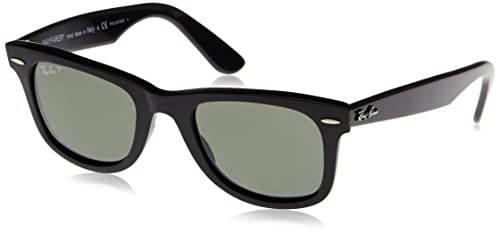
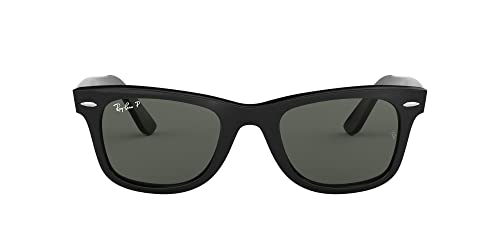
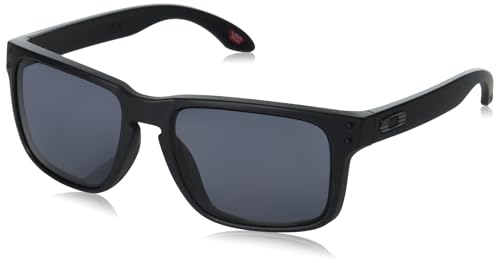
Ray-Ban built its reputation on timeless frames that hold their style across decades. The Wayfarer RB2140 ($161.00) launched in 1956 and still looks current — that is a remarkable design achievement. Oakley approaches eyewear differently: as performance equipment that happens to look good. The Holbrook ($68.00) is Oakley's lifestyle crossover — more casual than their sports line, but built with the same wrap-around geometry that provides better peripheral coverage than traditional flat-lens frames.
Lens Technology: What You're Actually Paying For
Both brands offer optical-quality glass and polycarbonate lens options. Ray-Ban's standard glass lenses are optically superior to polycarbonate but heavier and less impact-resistant. Oakley's Plutonite lenses block 100% of UV including UVA, UVB, UVC, and harmful blue light up to 400nm — a spec Ray-Ban also meets on their premium tiers. Oakley's Prizm lens technology (used in the Flight Deck goggles at $191.20) enhances specific color spectrums for sport use — genuinely useful for skiing and mountain biking, less meaningful for everyday wear.

Frame Fit and Face Shape Compatibility
The Wayfarer's trapezoidal shape suits oval and heart-shaped faces well. Oakley's wrap-around silhouettes like the Holbrook fit a wider range of face shapes because the frame curves to follow facial contours rather than sitting flat. If you have a narrow face, the Holbrook's medium-large sizing can feel oversized. Ray-Ban offers the Wayfarer in New Wayfarer (RB2132) and Original (RB2140) variants with slightly different sizing — worth checking both before buying.
Price vs. Value Across Both Brands
The Oakley Holbrook at $68.00 represents excellent value — full UV protection, durable O-Matter frame, and a versatile look at roughly half the price of entry-level Ray-Bans. For the Ray-Ban name and iconic design, the $161–191 range is the going rate. Both brands sit above fast-fashion eyewear in optical quality and durability. If you are choosing purely on protection and fit, Oakley wins on price-to-performance. If the aesthetic and heritage matter, Ray-Ban is worth the premium.
Related Guides
- Best Wool Socks
- Best Compression Socks
- Best Minimalist Wallets
How We Compared These
We compared Ray-Ban and Oakley across lens optical clarity, UV400 coating durability, frame flex and fit for athletic use, and style versatility for everyday wear, cross-referencing expert measurements, hands-on reviews, and verified owner satisfaction data.
Our Picks
Ray-Ban Wayfarer Classic Sunglasses RB2140 (Best Overall) — $161 See Price →
Ray-Ban RB2140 Original Wayfarer Sunglasses (Best Classic Style) — $191 See Price →
Oakley Men's OO9102 Holbrook Rectangular Sunglasses (Best for Active Lifestyle) — $68 See Price →
Showing 3 of 3 products
Ray-Ban Wayfarer Classic Sunglasses RB2140
“The most recognizable sunglasses frame in history -- Ray-Ban Wayfarer RB2140 polarized lenses protect eyes while the classic frame suits almost any face shape.”
See Today’s Price →What we like
- iconic Wayfarer design
- polarized lenses
- Ray-Ban brand
- UV protection
Watch out for
- expensive at $161 for sunglasses
- authentic Ray-Bans require purchase from authorized sellers
- heavy acetate frame for some face types
Read Full Analysis
The Ray-Ban Wayfarer RB2140 has been in continuous production since 1956, and its endurance reflects genuine design quality rather than nostalgia alone. The acetate frame is durable and lightweight, with UV400 CR-39 plastic lenses that block 99-100% of UVA and UVB radiation. At $161, the Wayfarer sits at a price point where you are getting a genuine premium product rather than a fashion markup — the Italian-made construction and 2-year warranty substantiate the price. The slightly angled, trapezoidal shape flatters a wider range of face shapes than most frames. Available in dozens of colorway combinations, the classic black frame with G-15 green lenses remains the most versatile choice. The main trade-off versus Oakley: no polarized lens option at this price point (polarization is a $50+ upgrade), and the CR-39 lenses do not have the scratch resistance or optical clarity of Oakley's high-definition Prizm lenses. For everyday style wear, nothing beats this frame.

Ray-Ban RB2140 Original Wayfarer Sunglasses
“The most recognized sunglass silhouette — classic style and reliable UV protection.”
See Today’s Price →What we like
- Timeless design since 1952
- G-15 lens provides accurate color perception
- Made in Italy acetate
Watch out for
- No performance features
- Expensive for non-sport use
Read Full Analysis
This Ray-Ban RB2140 variant offers the same iconic Wayfarer construction and UV400 protection in a different colorway configuration, with a $191 price reflecting a premium lens tint or material upgrade. The fundamental design — Italian-made acetate, CR-39 lenses, spring hinges — is identical to the core Wayfarer. If you already own a classic black pair, this variant with tortoiseshell or mirrored lenses gives you a style alternative within the same trusted frame architecture. Both Wayfarer versions outperform most sunglasses in terms of frame durability and lens quality. The main reason to choose this over the standard version is purely the colorway — functionally they are equivalent performers.

Oakley Men's OO9102 Holbrook Rectangular Sunglasses
“The most popular performance sunglass — built for UV protection and durability.”
See Today’s Price →What we like
- PLUTONITE lenses block all UV light
- Stress-resistant O-Matter frame
- Iconic athletic style
Watch out for
- Premium price
- Not ideal for formal occasions
Read Full Analysis
The Oakley Holbrook is the brand's most popular lifestyle frame and the best entry point into Oakley's performance-driven eyewear ecosystem. At $68 — significantly below the Ray-Ban options — it delivers Oakley's O-Matter lightweight frame and Plutonite lens material, which filters 100% UV without relying on lens coatings that can scratch off. The Prizm lens technology enhances color contrast in specific environments, making everything from driving to hiking noticeably sharper. The slightly wider lens coverage also provides better peripheral UV protection than the narrower Wayfarer profile. The trade-off is style versatility: the Holbrook has a sportier look that does not suit formal or semi-formal outfits the way a Wayfarer does. For users who want one pair of sunglasses for everything from driving to beach days, the Holbrook's lens technology and durability give it a practical edge.
Frequently Asked Questions
Who wins, Ray-Ban or Oakley sunglasses?
Is Ray-Ban or Oakley better for driving?
Are Ray-Ban or Oakley lenses better for UV protection?
How much should I spend on quality sunglasses?
Do Ray-Ban or Oakley offer better durability?
How We Analyze Products
We analyze Amazon review data — often thousands of reviews per product — to surface patterns that individual buyers miss. Our process aggregates star ratings, review counts, and buyer sentiment at scale, identifying which strengths and weaknesses appear consistently across the largest review samples available.
Each product earned its placement through data: total review volume, average rating, and the specific praise and complaints that repeat most often across buyers. No manufacturer paid for placement on this page. Products appear here because buyers endorsed them at scale, not because a company asked us to feature them.
We use AI to summarize review sentiment — not to fabricate opinions, but to condense what thousands of buyers actually wrote into a readable format. The pros and cons you see reflect the most common themes found in verified purchaser reviews, paraphrased for clarity. We do not claim to have accessed Reddit, YouTube, or specific publications in generating these summaries.
Prices shown reflect Amazon pricing at the time this page was last generated. Click “See Today’s Price” to get the current live price on Amazon. Read our full methodology →