Best Credit Cards for Gas (2026)
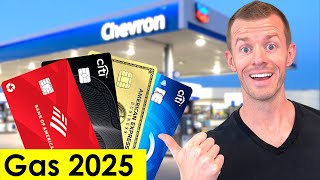
The Citi Custom Cash and American Express Blue Cash Preferred both offer high gas rewards. The Custom Cash earns 5% on your top spending category (which gas often qualifies as), with no annual fee. The Blue Cash Preferred earns 3% on gas with a $95 annual fee. Co-branded gas cards (Costco Anywhere Visa: 4%) work best for loyal brand shoppers.
At a Glance
| # | Card / Product | Award | Annual Fee | Rewards Rate | APR Range |
|---|
Credit Cards for Gas (2026) Buying Guide
 Photo by DΛVΞ GΛRCIΛ / Pexels
How we evaluated these. We compared gas credit cards across rewards rate at gas stations (3%–5% cash back), annual fee, gas station network restrictions vs. any station, APR range, and whether rewards extend to EV charging, cross-referencing NerdWallet, Bankrate, and verified cardholder reviews. Rates as of April 2026. Terms apply. This content is for informational purposes only and should not be considered financial advice.
Affiliate disclosure: Some products featured are from partners who compensate us. This does not affect our ratings or editorial recommendations.
With gas prices fluctuating between $3–$5 per gallon and the average American spending $2,000–$4,000 annually at gas stations, using the right credit card at the pump can put $80–$200 back in your pocket each year. Here's how to choose the best gas rewards card for your driving habits.
Top Gas Cash Back Cards
The Citi Custom Cash Card earns 5% on your top spending category automatically, and for many drivers this is gas stations (up to $500/month, $6,000/year). With no annual fee, this is the highest effective gas rate among no-fee cards. The American Express Blue Cash Preferred earns 3% at US gas stations (no cap) with a $95 annual fee. The Costco Anywhere Visa by Citi earns 4% on eligible gas purchases worldwide (on up to $7,000/year, then 1%), but requires a Costco membership and pays rewards annually rather than monthly — see our Best Credit Cards for Gas Stations comparison for the full rankings.
Co-Branded Gas Station Cards vs. General Rewards Cards
Co-branded gas station cards (Shell Fuel Rewards, ExxonMobil Rewards+) offer high per-gallon savings (typically 10–30 cents/gallon) but only at specific brand locations. These make sense if you consistently use one gas station chain. General rewards cards (Blue Cash Preferred, Citi Custom Cash) work everywhere and offer greater flexibility. In most cases, general rewards cards earn more total value unless you drive exclusively past one brand of station.
Warehouse Club Gas Savings
Costco and Sam's Club gas stations consistently offer gas prices 10–30 cents below market. The Costco Anywhere Visa earns 4% on gas, and Costco's below-market pricing makes it a dual win for Costco members. If you live near a Costco or Sam's Club and already have a membership, this combination is hard to beat. Note that standard grocery credit cards don't earn bonus rates at warehouse club gas stations. See our Best Credit Cards for Costco Shoppers guide.
Rotating Category Cards for Gas
The Chase Freedom Flex earns 5% in rotating quarterly categories, which periodically includes gas stations (typically in the fall). The Discover it Cash Back similarly rotates gas as a 5% category. These cards are excellent to pair with a primary gas card — when gas is a 5% category, shift your pump spending to the rotating card and maximize the earning period. Outside the rotation, fall back to your primary gas card.

Annual Fee Calculation for Gas Cards
The Blue Cash Preferred charges $95/year and earns 3% on gas (vs. 1–2% on most flat-rate cards). At 2% extra earnings, $95/0.02 = $4,750 in gas spending to break even on the annual fee for the gas category alone (ignoring the 6% grocery benefit). At $2,500 in annual gas spending, the math favors the no-fee Citi Custom Cash at 5%. At $5,000+ in gas spending, the Preferred's consistent 3% and the bundled grocery benefit typically justify the fee. For no-fee alternatives, see our Best No Annual Fee Credit Cards. For a full comparison of rewards cards, see Best Rewards Credit Cards.
Costco and Warehouse Club Gas: Special Rules
Costco gas stations are among the cheapest in most markets, but most credit cards don't earn gas bonus rates at Costco. The Costco Anywhere Visa by Citi is the exception — it earns 4% cash back at Costco gas stations (plus eligible gas worldwide), up to $7,000 in gas purchases per year. For committed Costco members who buy gas there regularly, the Costco Anywhere Visa is often the single best gas card available. The $0 annual fee (included with Costco membership) makes the net value high. See our Best Cards for Costco Shoppers for more details on this card's full earning structure.
Sam's Club offers a similar dynamic — the Sam's Club Mastercard earns 5% back on gas at Sam's Club and 3% elsewhere (up to $6,000/year). If you shop at Sam's Club regularly, this card stacks gas rewards with your membership spending. For drivers without warehouse club memberships, the Citi Custom Cash remains the strongest no-fee alternative at 5% on your top category.
Gas Station Convenience Store Purchases
Many drivers grab snacks or drinks inside the gas station — these purchases may or may not earn the gas bonus rate depending on how the transaction is processed. Pay-at-pump transactions almost always code as "service stations." Inside store purchases at standalone gas stations typically also code as service stations, but gas station convenience stores within larger retail chains (like Walmart gas stations) may code differently. To maximize rewards, use your highest-earning card for all purchases at standalone gas stations, not just fuel.
For overall optimized everyday spending that includes gas, see Best No Annual Fee Credit Cards for cards that earn well across multiple categories without the overhead of an annual fee. Combined with a dedicated gas card for fill-ups, you can build a two-card wallet that captures most high-value categories.
Electric Vehicle Owners: Charging vs. Gas Cards
EV owners face a different rewards question: charging networks rarely code as "gas stations." Level 2 home charging (through your electric utility) earns nothing on a gas card. Public charging networks (Tesla Supercharger, ChargePoint, Electrify America) typically code as "electric vehicle charging stations" — a merchant category most gas cards don't specifically reward. If you're transitioning to an EV, a flat-rate cash-back card (2% everywhere) often outperforms a gas-specific card once your fuel spending drops. Some cards like the Bank of America Customized Cash Rewards allow you to manually select categories, including EV charging, for your 3% bonus — worth considering as your driving mix shifts.

This content is for informational purposes only and should not be considered financial advice. Consult a qualified financial professional before making major financial decisions.
Frequently Asked Questions
What credit card gives the most cash back on gas?
Does a credit card work at gas station pay-at-pump?
Do gas station credit cards save money compared to regular credit cards?
Is 3% cash back on gas a good rewards rate?
Can I earn gas rewards at Costco with a standard credit card?
How do I maximize gas rewards when traveling?
Should I get a dedicated gas credit card?
How We Evaluate Financial Products
We compare financial products based on objective criteria: annual fees, APR ranges, rewards rates, sign-up bonuses, and key perks. We do not factor in issuer relationships or compensation when determining rankings. Products are ranked based on overall value for the target use case described on this page.
Rates and terms change frequently. We update these pages regularly, but always verify current rates directly on the issuer’s website before applying. APR ranges shown reflect the full possible range — your actual rate depends on your creditworthiness.
This content is for informational purposes only and should not be considered financial advice. We compare products; we do not advise on which product is right for your personal financial situation. Read our full methodology →