Best Crypto Wallets (2026)
For long-term holders, a hardware wallet (cold storage) is the most secure option — your private keys never touch an internet-connected device. For active traders and DeFi users, a non-custodial software wallet like MetaMask offers the best balance of convenience and self-custody. Custodial exchange wallets are convenient but mean the exchange controls your keys — "not your keys, not your coins."
At a Glance
| # | Product | Award | Account Min | Expense Ratio | Key Feature |
|---|
Crypto Wallets (2026) Buying Guide
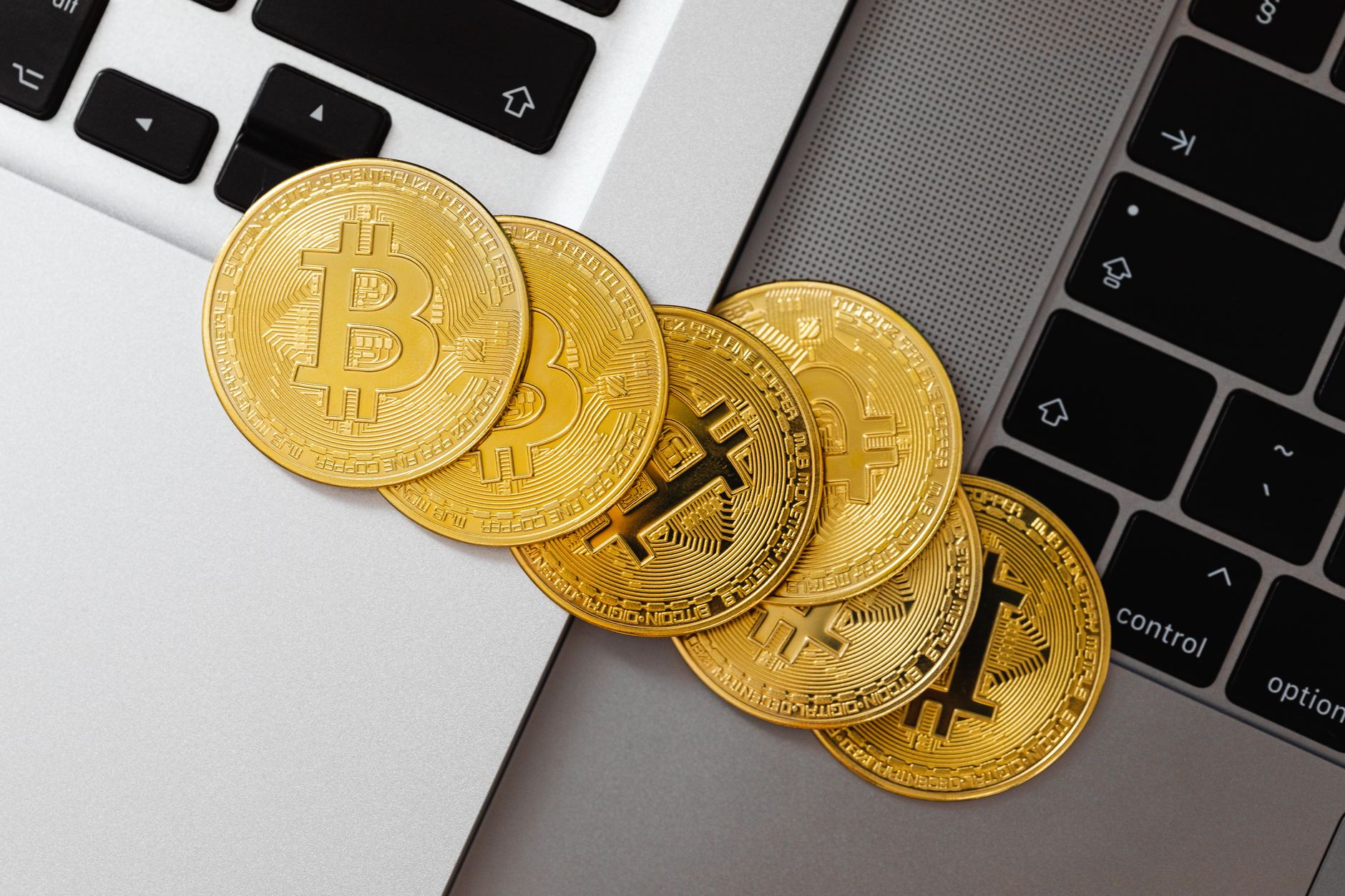 Photo by www.kaboompics.com / Pexels
How we evaluated these. We compared crypto wallets across hot vs. cold storage security model, supported coin count, private key control, DeFi and NFT compatibility, backup and recovery options, and hardware wallet certification, cross-referencing CoinDesk, NerdWallet, and verified user reviews. This content is for informational purposes only and should not be considered financial advice. Cryptocurrency involves significant risk of loss.
Affiliate disclosure: Some products featured are from partners who compensate us. This does not affect our ratings or editorial recommendations.
The crypto wallet landscape divides into two fundamental categories: custodial (someone else holds your keys) and non-custodial (you hold your own keys). Which you choose reflects your priorities — convenience and recovery options vs. true ownership and self-sovereignty.
Hardware Wallets (Cold Storage)
Hardware wallets are physical devices — typically USB-sized — that store private keys offline, completely isolated from internet exposure. Transactions are signed on the device itself, so even if your computer is compromised by malware, your keys remain secure. Leading hardware wallet manufacturers include Ledger and Trezor, both offering devices at multiple price points. When purchasing, always buy directly from the manufacturer — second-hand hardware wallets may have been tampered with. The main trade-off is friction: you need the physical device to transact, making hardware wallets impractical for daily trading but ideal for long-term holdings.
Software Wallets (Hot Wallets)
Software wallets are applications on your phone or computer that store private keys locally — not on a server. MetaMask (browser extension and mobile) is the dominant Ethereum and EVM-compatible wallet. Phantom leads for Solana. For Bitcoin specifically, Electrum (desktop) and BlueWallet (mobile) are trusted options. Software wallets are non-custodial — you control your keys — but they're "hot" because the device they run on connects to the internet. The primary risk is device compromise via malware. Protect software wallets with a strong passphrase and avoid storing seed phrases digitally.
Custodial Exchange Wallets
Custodial wallets at exchanges (Coinbase, Kraken, Gemini) are the most user-friendly option but require trusting the exchange with your keys. If the exchange is hacked, mismanaged, or goes bankrupt, your assets are at risk — as FTX's collapse demonstrated. Custodial wallets make sense for small holdings and active trading, but storing significant long-term holdings on an exchange is widely considered poor practice in the crypto community. Use exchange wallets for entry/exit, not storage.
Seed Phrase Security
Every self-custody wallet generates a 12- or 24-word seed phrase (recovery phrase) during setup. This phrase is the master key to your wallet — anyone who has it can restore your wallet and take all funds. Write it on paper and store it in multiple secure physical locations. Never store it digitally: not in email, not in cloud notes, not in a photo. Metal seed phrase backup plates are available for fire/water resistance. Losing your seed phrase permanently means losing your funds with no recovery option.
Multi-Signature and Multi-Asset Support
For significant holdings, multi-signature wallets require multiple keys (often 2-of-3 or 3-of-5) to authorize a transaction — eliminating single points of failure. Hardware wallets and platforms like Casa or Unchained support multi-sig configurations. For asset coverage, confirm your wallet supports the specific chains and tokens you hold — not all wallets support every EVM chain, Solana, or layer-2 networks. Hardware wallets typically add support for new assets via firmware updates.
Common Crypto Wallet Mistakes to Avoid
The most common and irreversible crypto wallet mistake is losing or discarding seed phrase backups. A seed phrase (12 or 24 words) is the master key to your wallet — losing it means permanent, unrecoverable loss of all assets in that wallet. No company, no recovery service, and no court order can restore access. Store seed phrases physically (metal backup plates, not paper alone), in at least two separate secure locations, and never digitally (no photos, no cloud storage, no email). The second critical mistake: using exchange-based "wallets" as long-term storage. When your crypto is on Coinbase, Kraken, or Binance, the exchange controls the private keys — if the exchange is hacked, goes bankrupt, or freezes accounts, you may lose access. Hardware wallets (Ledger, Trezor) give you true self-custody: your keys, your crypto. Only keep exchange balances for active trading amounts.
See also: Best IRA Accounts | Best Brokerage for Beginners | Best Roth IRA.
This content is for informational purposes only and should not be considered financial advice. Consult a qualified financial professional before making major financial decisions.
Rates as of April 2026. Refer to each provider's site for current terms.
Frequently Asked Questions
What is a crypto wallet?
What's the difference between a hot wallet and cold wallet?
Is it safe to keep crypto on an exchange?
What happens if I lose my hardware wallet?
Can crypto wallets be hacked?
What is a seed phrase?
Do I need a different wallet for each cryptocurrency?
How We Evaluate Financial Products
We compare financial products based on objective criteria: annual fees, APR ranges, rewards rates, sign-up bonuses, and key perks. We do not factor in issuer relationships or compensation when determining rankings. Products are ranked based on overall value for the target use case described on this page.
Rates and terms change frequently. We update these pages regularly, but always verify current rates directly on the issuer’s website before applying. APR ranges shown reflect the full possible range — your actual rate depends on your creditworthiness.
This content is for informational purposes only and should not be considered financial advice. We compare products; we do not advise on which product is right for your personal financial situation. Read our full methodology →