Best International Money Transfer Services 2026: Lowest Fees and Best Rates
The best international money transfer services combine low fees, exchange rates close to the mid-market rate, fast delivery, and broad destination coverage. Wise consistently ranks at the top for transparency and rate quality. Remitly and WorldRemit lead for cash pickup corridors and mobile wallet delivery in emerging markets.
At a Glance
| # | Product | Award | Transfer Fee | Exchange Rate Markup | Transfer Speed |
|---|
International Money Transfer Services Buying Guide
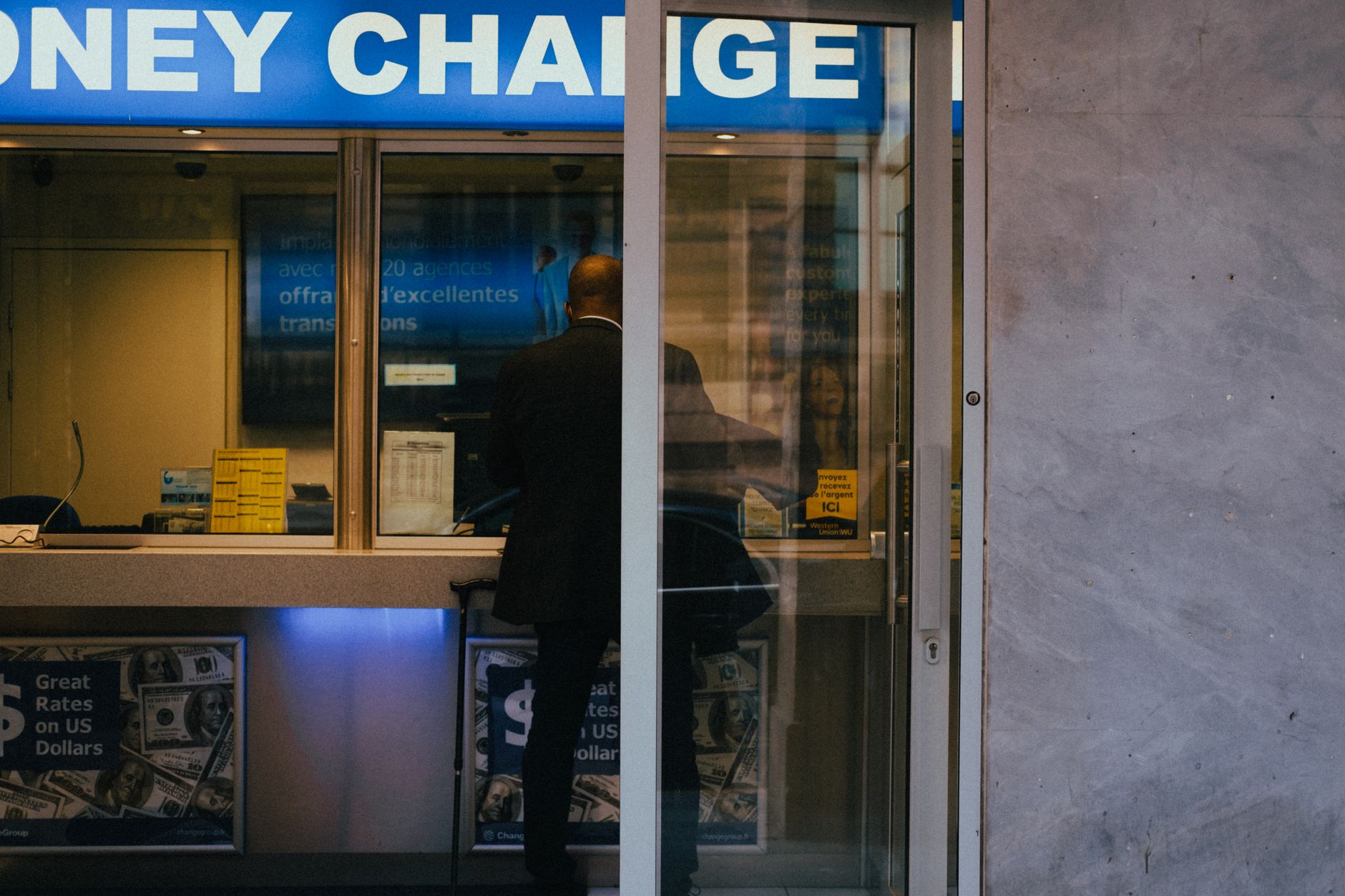 Photo by Mathias Reding / Pexels
How we evaluated these. We compared international money transfer services across exchange rate margin vs. mid-market rate, transfer fees by amount, delivery speed and method (bank deposit, cash pickup, mobile wallet), supported countries, and regulatory compliance (FinCEN registration), cross-referencing Wise exchange rate benchmarks, CFPB remittance rule data, and verified sender reviews. Rates as of April 2026. This content is for informational purposes only and should not be considered financial advice.
Affiliate disclosure: Some products featured are from partners who compensate us. This does not affect our ratings or editorial recommendations.
International money transfer services move funds across borders quickly and at a lower cost than traditional bank wire transfers. Banks typically charge $25–$50 per wire plus a 2–4% currency conversion spread, while specialized transfer services often charge flat fees under $10 and offer exchange rates much closer to the mid-market rate. For anyone sending money internationally on a regular basis, the difference in fees adds up quickly.
Key Factors When Comparing Transfer Services
The exchange rate matters more than the transfer fee for large amounts. A service advertising zero fees but a 3% exchange rate margin costs more than one charging a $10 fee with a 0.5% margin on a $1,000 transfer. Always calculate the total recipient amount — how much money actually arrives in the destination currency — rather than comparing fees in isolation. Transfer speed, available destination countries, delivery methods (bank deposit, cash pickup, mobile wallet), and payment options (debit, credit, bank transfer) also vary significantly between services.
Bank Wire Transfers vs. Specialized Services
Traditional bank wire transfers are reliable and universally accepted, but expensive and slow (typically 3–5 business days, $25–$50 fee, 2–4% exchange rate markup). Specialized services like Wise (TransferWise), Remitly, and OFX use mid-market exchange rates and charge small transparent fees, delivering funds in minutes to days depending on the corridor. For routine transfers, specialized services offer significantly better value. For very large or complex transactions (real estate, business payments), banks provide certainty and regulatory comfort that some businesses prefer.

Speed vs. Cost Trade-Offs
Transfer speed and cost often trade off. "Instant" or same-day transfers typically cost more than transfers that take 1–3 business days. Remitly offers this explicitly — a "Express" service for speed at a higher fee and "Economy" for slower delivery at a lower cost. If the recipient needs funds urgently, paying a premium for speed is justified. For regular transfers where timing is flexible, choosing the slower, cheaper option saves money over time.
Transfer Limits and Compliance
International transfers are subject to anti-money laundering (AML) and Know Your Customer (KYC) regulations. Most services require identity verification before sending above certain thresholds ($1,000–$3,000 for many platforms). Large transfers may require additional documentation. For very large transfers (above $10,000 in the U.S.), financial institutions are required to file Currency Transaction Reports (CTRs) with the government. This is routine compliance — it does not flag you for wrongdoing — but it is worth knowing before you initiate a large transfer.

Related Finance Guides
- Best Money Transfer Services
- PayPal vs Western Union
- Best Online Banks
- Best Neobanks
- Best Checking Accounts
How to Compare International Money Transfer Services Accurately
The total cost of an international transfer has two components that providers often obscure independently: the transfer fee (fixed or percentage) and the exchange rate markup (the spread between the interbank rate and what you receive). A provider advertising "no transfer fee" may charge 2–4% in exchange rate markup — on a $2,000 transfer, that's $40–$80 invisible to customers who compare only the stated fee. The best comparison method: use a service that shows the mid-market exchange rate (xe.com, Google) and calculate how much your recipient will actually receive in their currency after all costs. On a specific corridor (e.g., USD to MXN), rate leaders change frequently — compare Wise, Remitly, and WorldRemit on the exact amount you're sending for the most accurate cost comparison. Speed is the other variable: bank deposits typically take 1–3 business days; cash pickup is typically same-day or within hours.

See also: Best Money Transfer Services | PayPal vs Western Union | Best Prepaid Debit Cards.
Rates as of April 2026. Rates change frequently — verify current rates directly with the issuer before applying.
This content is for informational purposes only and should not be considered financial advice. Consult a qualified financial professional before making major financial decisions.
Frequently Asked Questions
What is the cheapest way to send money internationally?
How long do international transfers take?
Is it safe to send money through Wise or Remitly?
What is the exchange rate spread and why does it matter?
Can I send large amounts of money internationally?
What is the maximum amount I can transfer with services like Wise?
Are international transfer fees tax-deductible?
How We Evaluate Financial Products
We compare financial products based on objective criteria: annual fees, APR ranges, rewards rates, sign-up bonuses, and key perks. We do not factor in issuer relationships or compensation when determining rankings. Products are ranked based on overall value for the target use case described on this page.
Rates and terms change frequently. We update these pages regularly, but always verify current rates directly on the issuer’s website before applying. APR ranges shown reflect the full possible range — your actual rate depends on your creditworthiness.
This content is for informational purposes only and should not be considered financial advice. We compare products; we do not advise on which product is right for your personal financial situation. Read our full methodology →