How to Choose Supplements That Are Actually Worth Taking (2026)
The supplement market is mostly products without clinical evidence — vitamin D3, omega-3 and magnesium are the exceptions. Nature Made Vitamin D3 2000 IU ($17.45) is the most defensible first purchase: deficiency is common, and USP verification confirms the label matches what is in the softgel.
At a Glance
| # | Product | Award | Price |
|---|---|---|---|
| 1 | 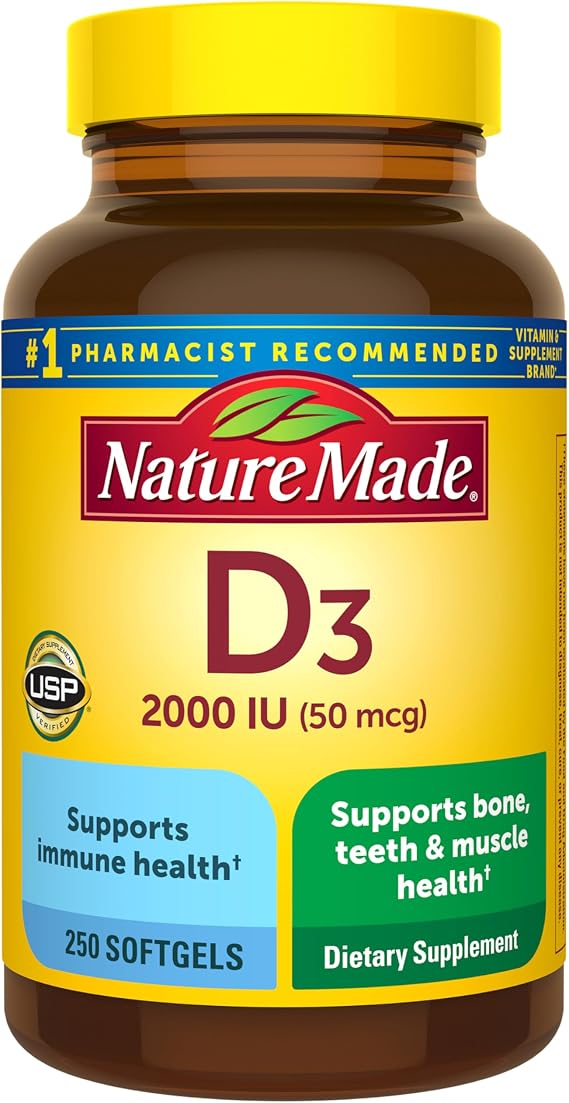 Nature Made Vitamin D3 2000 IU (5… Nature Made Vitamin D3 2000 IU (5…Nature Made |
Best Overall | $17.20 Buy → |
| 2 | Best Omega-3 | $59.42 Buy → |
|
| 3 | 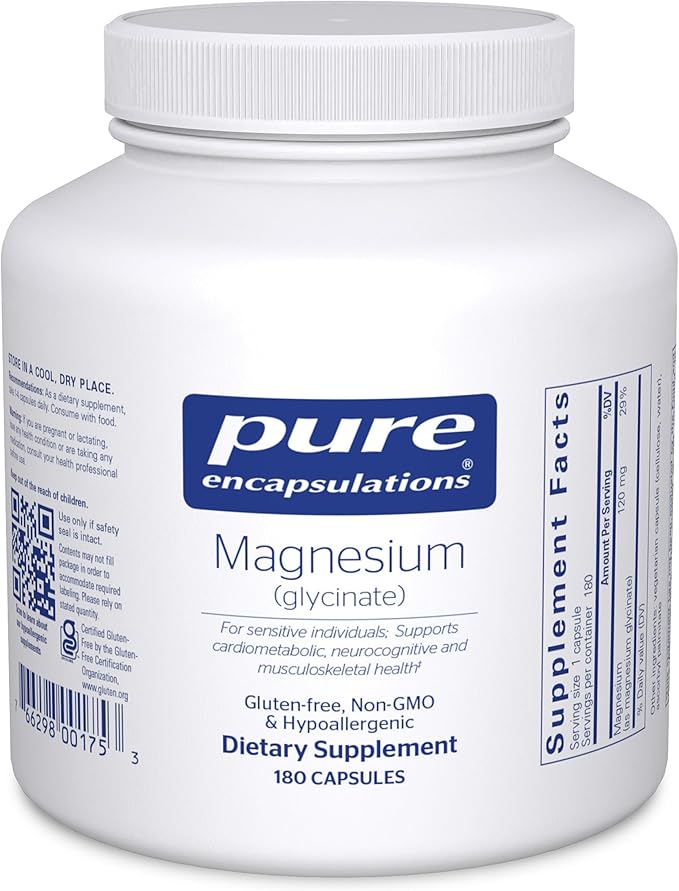 Pure Encapsulations Magnesium (Gl… Pure Encapsulations Magnesium (Gl…Pure Encapsulations |
Best Magnesium | $46.50 Buy → |
| 4 | 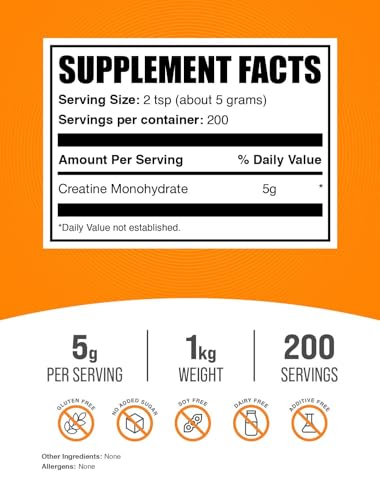 BulkSupplements.com Creatine Mono… BulkSupplements.com Creatine Mono…BulkSupplements |
Best Creatine | $29.97 Buy → |
| 5 |  NUTRAMIN Daily Vegan Keto Multivi… NUTRAMIN Daily Vegan Keto Multivi…Nutracelle |
Also Excellent | $32.99 Buy → |
How to Choose Supplements That Are Actually Worth Taking (2026) Buying Guide
 Photo by Jonathan Borba / Pexels
Most supplements lack the clinical evidence to justify their cost — but four have consistent research support across independent trials. Nature Made Vitamin D3 at $17.45 for 250 softgels addresses the most common nutrient deficiency in Western populations, with deficiency linked to immune function, bone density, and mood regulation. Nordic Naturals Ultimate Omega at $59.42 delivers 1,280mg EPA+DHA from third-party tested fish oil. Pure Encapsulations Magnesium Glycinate at $46.50 is the most bioavailable magnesium form for sleep quality and muscle recovery. BulkSupplements Creatine Monohydrate at $29.97 per kilogram is the most evidence-backed sports performance supplement. This guide covers what the research actually supports, where the evidence is weak, and how to prioritize supplementation based on your diet and any confirmed deficiencies.
This guide is for you if:- You take supplements and are not sure if they are actually doing anything
- You want evidence-backed picks — only the ones with real research behind them
- You are looking at D3, magnesium, omega-3, and creatine and want the honest answer
- You have a diagnosed deficiency and are working with a doctor on specific dosing
- You are looking for weight loss or performance supplements with big claims — skip those entirely
Quick Verdict: Our top pick is the Nature Made Vitamin D3 2000 IU 250 Softgels (Best Vitamin D3) — Nature Made D3 2000 IU soft gels are USP Verified, absorbed in oil for optimal bioavailability, and cost roughly $17.20/ Priced at $17.20.
<The Four Supplements With Real Evidence
1. Vitamin D3: The Most Common Deficiency in the U.S.
Roughly 42% of American adults are vitamin D deficient per NHANES data, with higher rates in people with darker skin (63%) and those who spend little time outdoors. Vitamin D is technically a hormone precursor that regulates calcium absorption, immune function, and muscle function.
Evidence: A 2022 meta-analysis in The Lancet of 70 RCTs found vitamin D supplementation reduced cancer mortality by 13% and reduced acute respiratory infections by 8-10% in deficient populations. The VITAL trial (25,871 adults, 5 years) found no cardiovascular benefit but significant cancer mortality reduction at 2000 IU/day.
Dose: 1,000-2,000 IU/day for maintenance in most adults. 4,000 IU is the tolerable upper limit. Take with fat (Vitamin D is fat-soluble). D3 (cholecalciferol) is more effective than D2. Get your levels tested (25-OH vitamin D blood test) to know where you're starting.
Form matters: Soft gel with oil outperforms dry tablet by 30-40% in absorption studies. Nature Made and Thorne are USP-verified or NSF-certified -- important because the FDA doesn't regulate supplements like drugs.
2. Omega-3 Fatty Acids: Brain and Cardiovascular Support
Omega-3s (specifically EPA and DHA) are the fatty acids found in fatty fish -- salmon, mackerel, sardines, herring. Most Americans eat 1-2 servings of fatty fish per week; recommendations are 2+ servings. The gap is real.
Evidence: The REDUCE-IT trial (8,179 high-risk cardiovascular patients) found high-dose EPA reduced major cardiac events by 25% vs placebo. The ORIGIN trial and meta-analyses show more modest effects at standard doses -- meaningful for cardiovascular risk reduction, mixed for all-comers. DHA is essential for brain structure; inadequate intake during pregnancy and aging is associated with cognitive decline (though supplementation trials in cognitively normal adults show weaker results).
Dose: 1,000-2,000mg EPA+DHA combined daily. Look at the supplement facts label -- a '1000mg fish oil' capsule may contain only 300mg EPA+DHA. You want grams of EPA+DHA, not grams of fish oil. Triglyceride form (Nordic Naturals) absorbs 70% better than ethyl ester form. Refrigerate after opening to slow oxidation.
Sustainability note: Nordic Naturals and Carlson source from small, fast-reproducing fish (anchovies, sardines) with certified sustainable fishery practices. Avoid large predator fish oils due to mercury bioaccumulation.
3. Magnesium: The Deficiency No One Talks About
Over 50% of Americans don't meet the RDA for magnesium (420mg/day for men, 320mg for women). Modern agricultural practices have depleted soil magnesium over the past 70 years. Magnesium is involved in 300+ enzymatic reactions including muscle contraction, nerve function, blood sugar regulation, and protein synthesis.
Evidence: A 2016 meta-analysis in Nutrients found magnesium supplementation reduced blood pressure by 2mmHg systolic on average. Multiple RCTs show improvement in sleep quality, particularly in older adults. A 2023 meta-analysis found significant reduction in type 2 diabetes risk in populations with deficiency.
Form matters enormously: Magnesium glycinate (best absorbed, least GI side effects), magnesium malate (good for energy/fatigue), magnesium L-threonate (claimed to cross blood-brain barrier -- preliminary evidence, higher cost). Avoid magnesium oxide: 4% absorption rate, mainly used as a laxative. Avoid magnesium citrate for daily use: 15% absorption, strong laxative effect at higher doses.
Dose: 200-400mg elemental magnesium daily, taken at night (may improve sleep). Build up slowly to avoid loose stools.
4. Creatine: The Most Studied Supplement in Sports Science
Creatine monohydrate has over 700 peer-reviewed studies making it the most evidence-backed performance supplement in existence. It's not just for bodybuilders -- creatine benefits anyone who does high-intensity exercise (sprints, weightlifting, HIIT).
Evidence: A 2017 meta-analysis in Journal of Strength and Conditioning Research found creatine supplementation increases maximal strength by 8% and lean body mass by 1.37kg over 4-12 weeks. Emerging research (2020-2023) shows cognitive benefits: improved working memory and processing speed, particularly under sleep deprivation and in older adults.
Dose: 3-5g creatine monohydrate daily. Loading phase (20g/day for 5 days) saturates muscle stores faster but is unnecessary -- you reach the same endpoint in 3-4 weeks at 3-5g/day. Timing doesn't matter; take it consistently. Mix with water or any beverage.
Form: Creatine monohydrate only. Creatine HCL, buffered creatine, and 'Kre-Alkalyn' are not superior in any peer-reviewed study and cost 3-5x more. BulkSupplements Creatine Monohydrate ($29.97 for 500g) is third-party tested and identical in effect to $29.97 branded versions.
What to Ignore in the Supplement Aisle
| Supplement | Claim | Reality |
|---|---|---|
| Multivitamins | Fill all nutritional gaps | Fat-soluble vitamins accumulate; most water-soluble are excreted; no mortality benefit in healthy adults (USPSTF 2022) |
| Vitamin C (high dose) | Prevents colds | Reduces duration by ~half a day if taken before getting sick; no prevention effect |
| Collagen peptides | Improves skin | Digested into amino acids; doesn't reach skin intact; eat protein instead |
| Testosterone boosters | Raises testosterone | Ashwagandha has modest effect (5-15%); everything else has no RCT support |
| Fat burners | Accelerates fat loss | Caffeine has modest thermogenic effect; everything else is placebo |
“Nature Made D3 2000 IU soft gels are USP Verified, absorbed in oil for optimal bioavailability, and cost roughly $16/year. The single highest-value supplement for most U.S. adults.”
See Today’s Price →What we like
- Vitamin D supports erythropoiesis (red blood cell production)
- Addresses the common co-deficiency that mimics iron-deficiency fatigue
- USP verified quality
- 68,000+ reviews
- Most affordable addition to the energy stack
Watch out for
- Addresses a different pathway — not an iron supplement itself
- Only beneficial if you're actually vitamin D deficient (common but not universal)
Read Full Analysis
Nature Made Vitamin D3 2000 IU earns Best Overall on this evidence-based supplement list for one reason: D3 deficiency is among the most common micronutrient deficiencies in the US, and correcting it is among the highest-value interventions available at any price. USP Verification confirms that what's on the label is in the capsule. At $15.56 for 250 softgels, the cost works out to roughly $0.06 per day — less than $16 annually for one of the most broadly applicable supplements on the market. The competitors on this page — Nordic Naturals at $59.42, Pure Encapsulations at $46.50 — address different purposes. Vitamin D's Best Overall status here isn't about formulation complexity; it's about population relevance and cost-per-impact ratio. Nature Made is the #1 pharmacist-recommended supplement brand, and the USP-certified 2000 IU formula is the same one healthcare providers commonly recommend as the starting point for adult D3 supplementation.

“”
See Today’s Price →What we like
- 1280mg EPA+DHA per serving (highest tested)
- Triglyceride form — 70% better absorption
- IFOS 5-star purity certified
- Virtually no fishy aftertaste or burps
- Lemon flavor for palatability
- Sustainably sourced
Watch out for
- Higher price per serving than drugstore brands
- 2-capsule serving size
- Refrigerate after opening for best freshness
“Pure Encapsulations Magnesium Glycinate uses the chelated form with best absorption and fewest GI side effects. NSF Certified. 120mg elemental magnesium per capsule -- take 2-3 nightly.”
See Today’s Price →What we like
- 120mg elemental magnesium glycinate per capsule
- Highly bioavailable form
- Hypoallergenic — no fillers
- NSF certified
Watch out for
- Expensive
- High-quality brands always cost more
Read Full Analysis
Pure Encapsulations Magnesium Glycinate earns Best Magnesium as the chelated form with the best absorption profile and fewest gastrointestinal side effects of any magnesium supplement. Magnesium glycinate binds the mineral to glycine for direct cellular uptake, avoiding the loose stool side effect common with magnesium citrate or oxide at equivalent doses. At 120mg elemental magnesium per capsule, 2–3 capsules nightly delivers the 240–360mg range most practitioners recommend for sleep and muscle relaxation support. The hypoallergenic formula — no fillers, no artificial additives — reflects Pure Encapsulations' clinical-grade manufacturing standard. NSF certification confirms independent quality verification. At $46.50, it's significantly more expensive than drugstore magnesium options, but glycinate's superior tolerability and absorption makes the premium defensible. For users who have tried magnesium and abandoned it due to GI upset, the glycinate form is typically the solution.
“BulkSupplements Creatine Monohydrate is third-party tested, micronized for easy mixing, and costs $0.05/dose -- identical mechanism to products costing 5x more. 500g lasts 100+ days at 5g/day.”
See Today’s Price →What we like
- 1kg = 200-day supply at 5g/day
- Lowest long-term cost option
- Same pure formula as 500g
Watch out for
- Larger bag harder to store
- No flavor
Read Full Analysis
BulkSupplements Creatine Monohydrate earns Best Creatine on this evidence-based list because creatine monohydrate is one of the most researched and consistently effective performance supplements in existence — and the 1kg bag makes it the lowest long-term cost option available. At $0.05 per 5g dose and a 200-day supply per bag, the cost-per-day is trivially low for an intervention with decades of published support for strength, power output, and cognitive function. The mechanism is straightforward: creatine saturates phosphocreatine stores in muscle and brain tissue, supporting ATP regeneration during high-intensity effort. There is no meaningful difference between BulkSupplements' third-party tested, micronized creatine monohydrate and products costing 5x more — the molecule is the molecule. The only valid upgrade is creatine HCl for users with GI sensitivity to monohydrate. For everyone else, BulkSupplements is the rational pick on this page.
“Nutramin Daily Vegan Multivitamin Gummies deliver a comprehensive daily vitamin stack in a great-tasting gummy format — an accessible choice for plant-based consumers who want to cover nutritional…”
See Today’s Price →Watch out for
- Supplements are not a substitute for a varied whole-food diet and healthy lifestyle
- Results vary by individual — consult a healthcare provider before starting any new supplement
Read Full Analysis
Nutramin Daily Vegan Multivitamin Gummies earn Also Excellent as the accessibility-focused option on this page — addressing the reality that the best supplement is the one you will actually take consistently. Where this page leads with high-evidence single nutrients (D3, omega-3, magnesium, creatine), Nutramin's gummy format covers a broad micronutrient baseline for plant-based consumers who want daily nutritional insurance in the most compliance-friendly format available. The vegan formulation matters for a gummy: many chewable vitamins use gelatin, and Nutramin uses plant-based alternatives. Current pricing is not listed — verify availability before purchasing. The Also Excellent badge reflects a role distinction: Nutramin is the daily multi for those who don't yet have a targeted supplement stack, not a replacement for the higher-evidence individual picks above. As an entry point or baseline coverage product for vegan supplementers, Nutramin earns its spot.
Frequently Asked Questions
Do I need to take supplements if I eat a healthy diet?
Should I take all four supplements or start with one?
What's the best time of day to take supplements?
Can supplements be dangerous?
Are expensive supplements significantly better than cheap ones?
How do I know if I'm actually deficient?
How We Analyze Products
We analyze Amazon review data — often thousands of reviews per product — to surface patterns that individual buyers miss. Our process aggregates star ratings, review counts, and buyer sentiment at scale, identifying which strengths and weaknesses appear consistently across the largest review samples available. The 116,467+ reviews analyzed on this page represent real verified-purchase feedback from Amazon buyers.
Each product earned its placement through data: total review volume, average rating, and the specific praise and complaints that repeat most often across buyers. No manufacturer paid for placement on this page. Products appear here because buyers endorsed them at scale, not because a company asked us to feature them.
We use AI to summarize review sentiment — not to fabricate opinions, but to condense what thousands of buyers actually wrote into a readable format. The pros and cons you see reflect the most common themes found in verified purchaser reviews, paraphrased for clarity. We do not claim to have accessed Reddit, YouTube, or specific publications in generating these summaries.
Prices shown reflect Amazon pricing at the time this page was last generated. Click “See Today’s Price” to get the current live price on Amazon. Read our full methodology →