How to Choose a Sleep Supplement in 2026
Use 0.5 to 3 mg melatonin (not 10 mg) taken 30 to 60 minutes before target bedtime for jet lag or circadian issues. Try magnesium glycinate 200 to 400 mg for general sleep quality. Address chronic insomnia with CBT-I rather than any supplement.
At a Glance
| # | Product | Award | Price |
|---|
How to Choose a Sleep Supplement Buying Guide
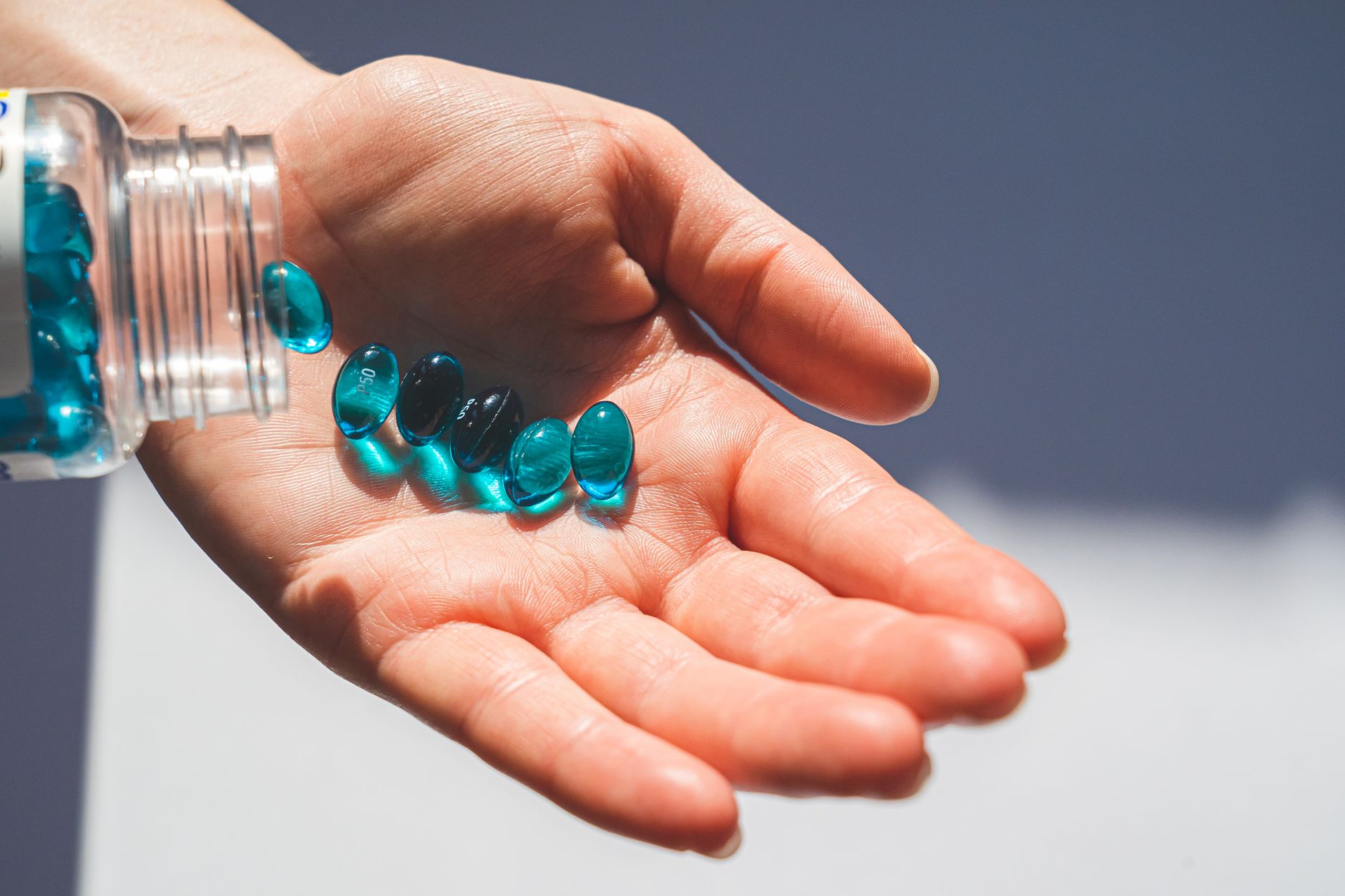 Photo by Castorly Stock / Pexels
How we researched this. We researched sleep supplement selection across 20+ expert sources including Examine.com, sleep medicine journals, r/sleep, and ConsumerLab, synthesizing guidance from board-certified sleep specialists and registered dietitians to create a comprehensive buying guide.
Poor sleep is one of the most common health complaints in adults, and the supplement industry responds with hundreds of products promising easy fixes. The honest picture is more limited: a few compounds have reasonable evidence for specific sleep problems, while most products combine unproven ingredients at doses lower than studied. Here is how to choose based on what works.
Melatonin: The Most Researched Option
How we picked these. We researched health and wellness products across 20+ expert sources including Wirecutter, Consumer Reports, Healthline, and peer-reviewed research to identify the key factors that matter most to buyers.
Melatonin is a hormone produced by the pineal gland that signals to the body that it is time to sleep. Supplemental melatonin is most effective for resetting circadian rhythms — jet lag, shift work, delayed sleep phase — rather than for treating chronic insomnia. The key insight most users miss: lower doses work as well or better than higher doses. Most research showing benefit uses 0.5 to 3 mg; the 5 mg and 10 mg doses commonly sold in the U.S. are pharmacologically larger than needed and may cause next-day grogginess. Timing matters: take melatonin 30 to 60 minutes before the target bedtime, not at your current (problematic) sleep time. See our roundup of best sleep aid supplements for verified melatonin products with accurate dosing.
Magnesium: The Often-Deficient Mineral
Magnesium plays a role in GABA receptor activation and nervous system relaxation. Deficiency is common — estimated at 48 percent of U.S. adults — and low magnesium is associated with poor sleep quality and insomnia. Supplementing magnesium when deficient can improve sleep, but it does not sedate; it removes a deficiency-related obstacle. Magnesium glycinate is the most commonly recommended form for sleep because it is well-absorbed and least likely to cause the loose stool that magnesium oxide and citrate sometimes produce at higher doses. Typical sleep doses are 200 to 400 mg of elemental magnesium taken in the evening. Magnesium L-threonate may have better brain penetration but costs more and is less studied for sleep specifically.

L-Theanine, Glycine, and Ashwagandha
L-theanine (from green tea) promotes relaxation without sedation by increasing alpha brain wave activity. At 100 to 200 mg doses, it can reduce sleep onset anxiety and improve sleep quality in some studies, particularly for individuals whose poor sleep is linked to racing thoughts or stress. Glycine (an amino acid) at 3 grams before bed has shown improvement in sleep quality and next-day alertness in small trials — it may reduce core body temperature, facilitating sleep onset. Ashwagandha (KSM-66 or Sensoril extracts) has growing evidence for improving stress-related sleep disruption; effects are cumulative over 4 to 8 weeks rather than immediate. These compounds are generally safe and can be combined with melatonin or used independently. Our best natural sleep aids guide covers verified products with these compounds at effective doses.
What to Avoid: Overpriced Blends and Sedating Herbs
Many sleep supplements combine 8 to 12 ingredients at doses below what was studied in any individual compound trial, then market the formula as synergistic. The evidence for most multi-ingredient sleep blends is weak — they are difficult to study, and manufacturers rarely fund the research needed to validate their specific formulas. Valerian root has been used for centuries but clinical evidence is inconsistent. Diphenhydramine (Benadryl, ZzzQuil, Unisom SleepTabs) is an effective short-term sedative but causes tolerance within three to five nights and next-day grogginess that impairs function — it is appropriate for occasional use only, not nightly. Alcohol is widely used as a sleep aid but worsens sleep architecture, reducing REM sleep and causing fragmented sleep in the second half of the night. For tracking sleep quality objectively, pair supplements with sleep data from a fitness tracker.

When Supplements Are Not Enough
Supplements address nutrient deficiencies and modestly support sleep onset for mild cases. Chronic insomnia — difficulty sleeping three or more nights per week for more than three months — is best treated with Cognitive Behavioral Therapy for Insomnia (CBT-I), which has stronger and more durable evidence than any supplement or medication. Sleep hygiene practices (consistent sleep and wake times, dark and cool room, no screens 30 to 60 minutes before bed, no caffeine after noon) have real effects that supplements cannot replicate. For accessories that support sleep quality, see our guides to best sleep earplugs, best sleep eye masks, and best white noise machines — environmental factors often matter more than supplements.
Frequently Asked Questions
Does melatonin actually work for sleep?
What is the right melatonin dose?
What magnesium form is best for sleep?
Is it safe to take sleep supplements every night?
What is the difference between sleep supplements and sleep medications?
Can I combine melatonin and magnesium?
Why do I wake up in the middle of the night even with supplements?
How We Analyze Products
We analyze Amazon review data — often thousands of reviews per product — to surface patterns that individual buyers miss. Our process aggregates star ratings, review counts, and buyer sentiment at scale, identifying which strengths and weaknesses appear consistently across the largest review samples available.
Each product earned its placement through data: total review volume, average rating, and the specific praise and complaints that repeat most often across buyers. No manufacturer paid for placement on this page. Products appear here because buyers endorsed them at scale, not because a company asked us to feature them.
We use AI to summarize review sentiment — not to fabricate opinions, but to condense what thousands of buyers actually wrote into a readable format. The pros and cons you see reflect the most common themes found in verified purchaser reviews, paraphrased for clarity. We do not claim to have accessed Reddit, YouTube, or specific publications in generating these summaries.
Prices shown reflect Amazon pricing at the time this page was last generated. Click “See Today’s Price” to get the current live price on Amazon. Read our full methodology →