How to Choose a Mattress: Firmness Guide (2026)
Match firmness to sleep position: back and stomach sleepers want medium-firm to firm (5–7 of 10), side sleepers medium to medium-soft (4–6). To try memory foam cheaply first, the Zinus 6 Inch Green Tea Memory Foam Mattress is $87.99.
At a Glance
| # | Product | Award | Price |
|---|---|---|---|
| 1 | Our Top Pick | $87.99 Buy → |
|
| 2 | Best Memory Foam | $377.97 Buy → |
|
| 3 |  Tempur-Pedic TEMPUR-Adapt + Cooli… Tempur-Pedic TEMPUR-Adapt + Cooli…Tempur-Pedic |
Best Topper | Check current price on Amazon Buy → |
How to Choose a Mattress Buying Guide
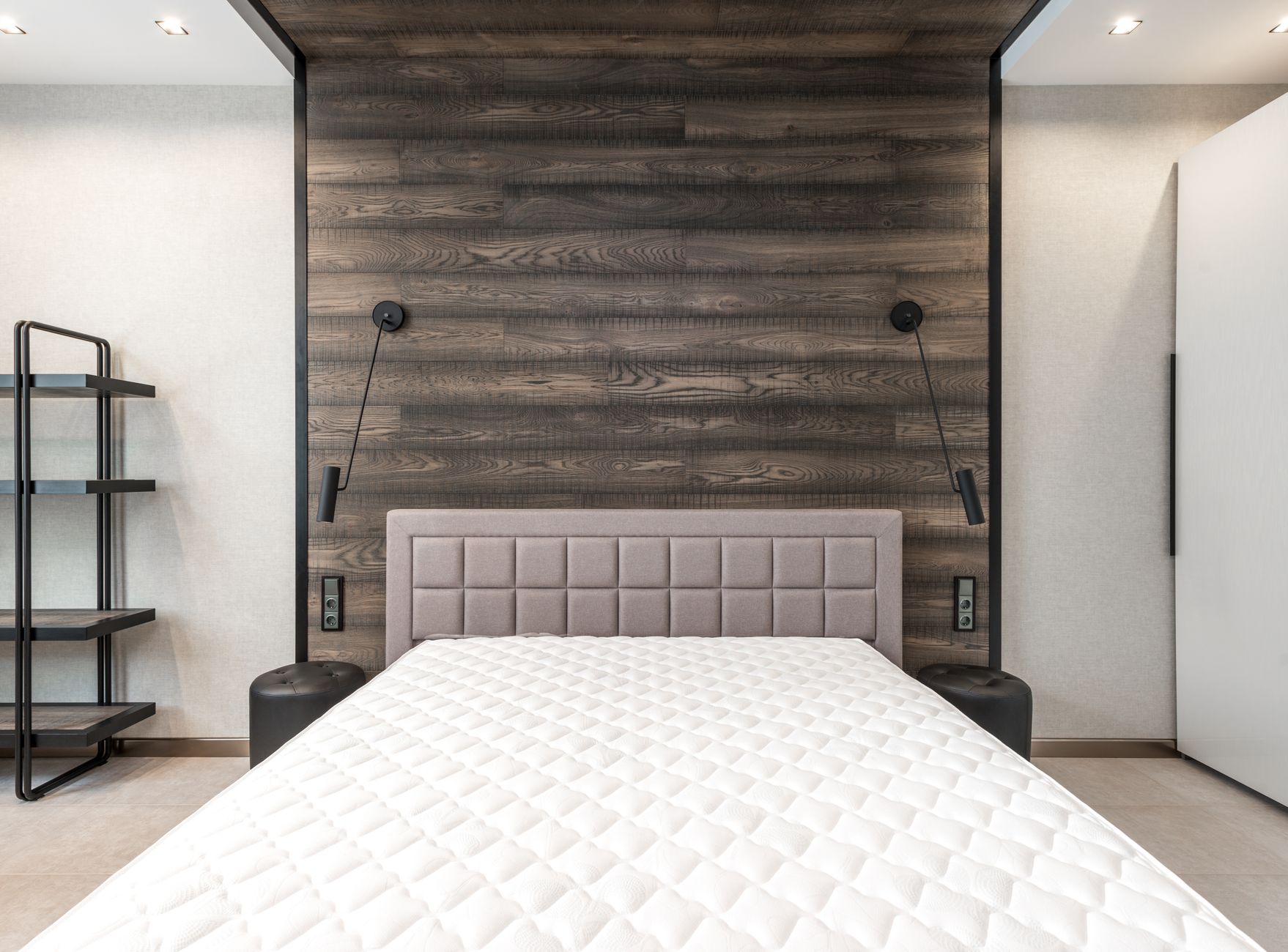 Photo by Max Vakhtbovych / Pexels
How we researched this. We researched mattress firmness selection across 20+ expert sources including Sleep Foundation, r/Mattress, Consumer Reports, and sleep medicine publications, synthesizing guidance from board-certified sleep physicians and chiropractic professionals to create a comprehensive firmness guide.
Mattress firmness affects spinal alignment, pressure relief, and sleep temperature. The right firmness is not about preference — it is about your body weight, sleep position, and whether you share the mattress. Buy too soft and a heavier sleeper sinks into misalignment. Buy too firm and a side sleeper wakes with shoulder and hip pain. This guide gives you the framework to get it right.
The Firmness Scale
How we picked these. We researched home appliances and products across 20+ expert sources including Wirecutter, Good Housekeeping, and The Spruce to identify the key factors that matter most to buyers.

Mattress firmness is rated 1-10 (1=extremely soft, 10=rock hard). Most mattresses sold fall between 3-8. In practice: 3-4 is soft (plush), 5-6 is medium, 6-7 is medium-firm, 7-8 is firm. Medium-firm (6-7) is the most universally comfortable range for couples with different sleep positions. This is also the range most mattresses are designed around.
Sleep Position and Firmness
Side sleepers need more cushion at the shoulder and hip contact points — medium (5-6) or medium-soft (4-5) prevents those pressure points from causing pain. Back sleepers need lumbar support without the hips sinking — medium-firm (6-7) is standard. Stomach sleepers need the firmest support to prevent lumbar hyperextension — firm (7-8) or medium-firm. Combination sleepers (multiple positions during the night) work best on medium to medium-firm.
Body Weight and Firmness
Body weight changes how deeply you sink into a mattress. The same mattress feels firmer to a lighter person and softer to a heavier person. Under 130 lbs: go one level softer than the position guideline suggests. 130-230 lbs: use the position guideline directly. Over 230 lbs: go one level firmer — and specifically look for hybrid mattresses with reinforced coil layers rather than all-foam. See best hybrid mattresses and best hybrid mattresses for side sleepers.

Mattress Type and How It Changes Feel
Memory foam conforms closely and relieves pressure well but retains heat and has a slow response (motion transfer between partners is low). Latex is responsive and cooler than memory foam but costs more. Hybrid (coil + foam or latex comfort layer) combines the support of coils with the comfort of foam — the most versatile type. Innerspring has the least pressure relief but the most airflow. For hot sleepers, hybrid or latex is preferable. For a cooling topper that modifies an existing mattress feel, see best cooling mattress toppers.
Trial Periods and What They Actually Mean
Most direct-to-consumer mattress companies offer 100-night trials. Use at least 30 nights before judging — your body needs time to adjust from a different mattress. If you still wake with pain at 60 nights, the firmness is wrong. A trial period is only useful if the return process is genuinely free — check the fine print for pickup fees before buying.
Pillows and Bed Frame Affect Feel
A worn box spring or platform slats wider than 3 inches apart reduces support under a foam mattress — a new mattress on an inadequate base will feel softer and less supportive than it should. Match your bed frame to the mattress type. For pillow fit to complement your sleep position, see best bed pillows. For frame options, see best bed frames 2026.
Couples With Different Sleep Preferences: Finding a Shared Firmness
Two sleepers sharing a mattress rarely have identical needs — one is a side sleeper, the other sleeps on their back; one weighs 140 lbs, the other 200 lbs. Several solutions address this without buying two separate beds. Dual-firmness mattresses (Sleep Number, Purple with two-zone customization) allow each side to be independently adjusted. They cost significantly more but solve the problem definitively. Split king mattresses use two twin XL mattresses on a single king frame — each partner has their own firmness and can even use an adjustable base independently. For a standard mattress purchase, the compromise firmness is typically medium-firm (6-7): it provides adequate lumbar support for back sleepers while offering enough give for a side sleeper's hip and shoulder — especially if the side sleeper is lighter than 160 lbs. A medium-comfort mattress topper on one side can shift the feel 1-2 points softer for the partner who needs it, without changing the base mattress for both.
Off-Gassing and Break-In Period
New foam mattresses off-gas volatile organic compounds (VOCs) during the first few days after unpacking — the smell ranges from mildly chemical to strong depending on the foam formulation and how long it was sealed. CertiPUR-US certified foams meet standards for low VOC emissions and are the minimum certification to look for. Off-gassing is typically not a health concern at normal room ventilation levels but can be irritating for sensitive individuals. Ventilate the bedroom for 24-72 hours after unpacking — open windows and run a fan across the mattress. Most foam mattresses are compressed for shipping and take 24-72 hours to fully expand to their rated thickness. Do not judge firmness or comfort until full expansion. The break-in period for a new mattress extends beyond expansion — it takes 2-4 weeks for foam layers to conform to your body's specific pressure distribution and for your body to adapt to a different support system than your previous mattress. Back pain during the first two weeks on a new mattress is common even when the firmness is correct; back pain persisting beyond 30 nights indicates a firmness mismatch.
When to Replace Your Mattress
Mattresses do not have a universal lifespan — replacement timing depends on construction quality, usage, and your physical changes over time. Indicators that replacement is warranted: visible sagging or permanent body impression greater than 1-2 inches in the sleep zone (foam has compressed beyond recovery). Waking with back, hip, or shoulder pain that resolves within 30 minutes of getting up, consistently, over multiple weeks — the mattress is no longer supporting your body correctly. Worsening sleep quality despite consistent sleep habits and no other lifestyle changes. Symptoms of dust mite accumulation (worsened allergy symptoms at night, congestion on waking) that do not respond to mattress encasements — older foam mattresses accumulate significant allergen load over 8-10 years. Innerspring mattress squeaking with normal movement (spring failure). High-quality foam mattresses (memory foam, latex, hybrid) typically last 7-10 years of daily use before measurable support degradation. Lower-cost all-foam mattresses may lose meaningful support in 4-6 years. Foam compression is progressive — by year 5, even a mattress that still "looks fine" may be providing significantly less support than it did at purchase.

Watch Before You Buy
“”
See Today’s Price →Watch out for
- Mattress firmness preferences are highly individual — what works for one sleeper may not for another
- Online mattress purchases require a trial period since in-store feel may differ from home use
“”
See Today’s Price →What we like
- 12-inch size provides a comfortable viewing or working surface area
- Responsive support adapts to body weight and sleeping position
- Motion isolation reduces sleep disruption from partner movement
Watch out for
- Mattress firmness preferences are highly individual — what works for one sleeper may not for another
- Online mattress purchases require a trial period since in-store feel may differ from home use
Read Full Analysis
Vibe 12-Inch Gel Memory Foam Mattress at $380 earns Best Memory Foam at rank 2 on this mattress firmness guide as the mid-range memory foam option between the budget Zinus Green Tea ($87.99 rank 1) and premium Tempur-Pedic at the top. The 12-inch profile provides substantial foam depth that distributes body weight gradually — a thicker foam layer reduces pressure point concentration at hips and shoulders compared to thin-profile foam mattresses in the same category. Gel infusion addresses memory foam's primary weakness: heat retention. The gel layer creates passive heat dissipation pathways through the foam, keeping the sleep surface cooler than non-infused memory foam at comparable pricing. Motion isolation from the memory foam construction absorbs movement and prevents transfer across the mattress — meaningful for couples on different sleep schedules. At medium firmness, the Vibe targets the broadest range of sleeping positions, accommodating back, side, and combination sleepers without extreme pressure buildup or sinkage. Against the Zinus Green Tea ($87.99 rank 1), the Vibe costs $306 more for the gel cooling layer and 12-inch depth versus the Zinus's thinner, non-infused construction. Against Tempur-Pedic (when priced on this page), the Vibe costs substantially less for conventional gel foam versus Tempur-Pedic's engineered TEMPUR material with 10-year warranty. Note for Opus: the Vibe product pros in the DB appear to contain template text from a different product category — the data should be reviewed and corrected.
“”
See Today’s Price →Watch out for
- Mattress firmness preferences are highly individual — what works for one sleeper may not for another
- Online mattress purchases require a trial period since in-store feel may differ from home use
Frequently Asked Questions
What firmness should a side sleeper choose?
Does mattress firmness affect back pain?
Can I change the firmness of a mattress I already own?
What firmness is best for couples with different sleep positions?
How long should I sleep on a new mattress before deciding if it is right?
How We Analyze Products
We analyze Amazon review data — often thousands of reviews per product — to surface patterns that individual buyers miss. Our process aggregates star ratings, review counts, and buyer sentiment at scale, identifying which strengths and weaknesses appear consistently across the largest review samples available. The 219,297+ reviews analyzed on this page represent real verified-purchase feedback from Amazon buyers.
Each product earned its placement through data: total review volume, average rating, and the specific praise and complaints that repeat most often across buyers. No manufacturer paid for placement on this page. Products appear here because buyers endorsed them at scale, not because a company asked us to feature them.
We use AI to summarize review sentiment — not to fabricate opinions, but to condense what thousands of buyers actually wrote into a readable format. The pros and cons you see reflect the most common themes found in verified purchaser reviews, paraphrased for clarity. We do not claim to have accessed Reddit, YouTube, or specific publications in generating these summaries.
Prices shown reflect Amazon pricing at the time this page was last generated. Click “See Today’s Price” to get the current live price on Amazon. Read our full methodology →