How to Choose a Sewing Machine in 2026: Buyer's Guide
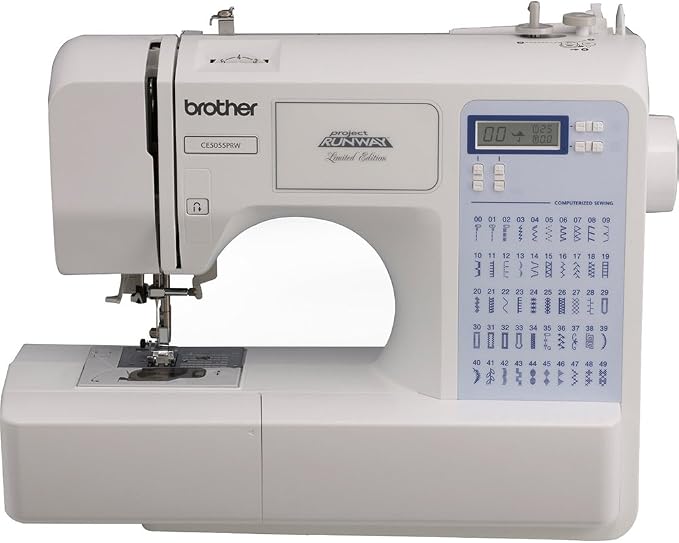
The Brother CS5055PRW Project Runway Sewing Machine at $224.99 is the top sewing machine pick — 50 built-in stitches and automatic needle threading remove the two biggest frustrations for new sewers without overcomplicating the control layout.
See Today’s Price →At a Glance
How to Choose a Sewing Machine Buying Guide
 Photo by Jacob Moseholt / Pexels
Most sewing machines sold today are far more capable than most sewists need. Understanding the difference between genuine useful features and marketing-driven complexity helps you find a machine that serves your actual projects without breaking your budget.
Mechanical vs. Computerized Sewing Machines
How we picked these. We researched home appliances and products across 20+ expert sources including Wirecutter, Good Housekeeping, and The Spruce to identify the key factors that matter most to buyers.
How we researched this. We researched sewing machine selection across Threads magazine expert reviews, r/sewing community project-based feedback, and retailer comparison data across different skill levels to identify the stitch types, feed dog design, and motor power that actually determine usable performance at beginner, intermediate, and advanced tiers.
The single most important choice is between mechanical and computerized machines. Mechanical machines use dials and levers to set stitch type, length, and width. Computerized machines use digital controls and a screen, and can store settings, offer automatic needle positioning, and sometimes connect to embroidery software.
Choose mechanical if: You're a beginner or casual sewist making repairs, simple garments, or basic home decor. Mechanical machines are easier to troubleshoot, less expensive to repair, and handle most everyday sewing tasks perfectly well. The SINGER Heavy Duty line and Brother CS line are reliable mechanical options. See our best sewing machine for beginners for top mechanical picks.
Choose computerized if: You sew frequently, want to do precise buttonholes, need automatic stitch selection by fabric type, or plan to add embroidery capabilities later. Computerized machines from Brother, SINGER, and Janome maintain accuracy across long projects better than mechanical ones. Our best computerized sewing machine guide covers the top options.

Match Your Machine to What You'll Actually Sew
The most important question is: what projects will you primarily sew? Different projects demand different machine capabilities.
- Repairs and alterations: Any basic mechanical machine handles hemming, patching, and simple alterations. You don't need computerized features. Budget: $100-180.
- Fashion/garments: Look for adjustable presser foot pressure, stitch length/width control, and a free arm for sewing sleeves and cuffs. The ability to handle stretch fabrics (zigzag stitch) is essential. Budget: $150-350.
- Quilting: Quilters need a wide table surface, 1/4-inch presser foot, adjustable feed dogs, and ideally a walking foot. See our best quilting machine guide. Budget: $200-500+.
- Heavy fabrics (denim, canvas, leather): Look for a machine with a high-duty motor and metal interior frame. Our heavy-duty sewing machine guide covers the best options. Budget: $150-300.
- Embroidery: Requires either a dedicated embroidery machine or a combination sewing/embroidery machine. Basic embroidery modules start around $300-400; serious embroidery starts at $500+. See our embroidery machine guide.
Key Features That Actually Matter (and What to Ignore)
Marketing materials emphasize stitch counts — "200 built-in stitches!" — but most sewists use fewer than 10 stitches regularly. Focus on these instead:
- Frame construction: Metal interior frames outlast plastic frames by years. Check if the machine is described as having a "metal chassis" or "die-cast aluminum frame." This matters more than stitch count.
- Needle plate markings: Engraved or printed seam allowance guides on the needle plate are essential for straight seams. Check that they're clearly marked, not just stickers that wear off.
- Automatic needle threader: Genuinely useful for frequent sewists. Small investment that saves significant time and frustration.
- Drop-in vs. front-loading bobbin: Drop-in bobbins (top-load) are easier to use and less finicky to thread. Front-loading bobbins can provide better tension control but are less beginner-friendly.
- Presser foot variety: The included feet matter more than the machine's total compatible-foot count. Check that a zipper foot, buttonhole foot, and general-purpose foot are included.
Our comparison between SINGER vs Brother sewing machines shows how two leading brands differ on these specific points.
Watch Before You Buy
Brother CS5055PRW Sewing Machine, Project Runway, 50 Built-in Stitches, LCD Display, 7 Included Feet
“The Brother CS5055PRW Project Runway Sewing Machine features 50 unique built-in stitches. 4.6 stars from 3,807 Amazon reviews signal consistent reliability.”
See Today’s Price →What we like
- 50 built-in stitches span garment construction, quilting, and decorative work
- Automatic needle threader eliminates the most tedious step for newer sewers
- Project Runway co-branding includes beginner project guides and tutorials
- Hard case included for protected transport and storage between projects
Watch out for
- Smaller throat space limits large quilt sandwich maneuvering
- Entry-level motor speed is lower than Brother mid-range models for production-volume sewing
Read Full Analysis
AUTOMATIC NEEDLE THREADER AND DROP-IN TOP BOBBIN Assembly required — budget 30-60 minutes for initial setup Color and style options may be limited compared to premium furniture brands At $235, the Brother Brother CS5055PRW Project Runway Sewing Machine costs $154 less than the Janome HD1000 Black Edition Sewing Machine ($389) on this page, making it the stronger value pick if the spec differences fit your needs.
“1100 stitches per minute with a heavy-duty metal frame that handles denim, canvas, and leather better than standard consumer machines — the Singer 4432 for sewers who work with thick fabrics or want…”
See Today’s Price →What we like
- Singer 4432 Heavy Duty motor is 25% stronger than standard sewing machines — fewer skipped stitches
- Rated 1,100 stitches per minute for faster production work on garment projects
- Handles denim, canvas, and upholstery-weight fabrics without needle breakage
- 32 built-in stitches cover the essential home sewing and alteration tasks
Watch out for
- No price currently listed — verify availability before purchasing
- Heavier motor adds overall machine weight — not ideal for frequent transport to classes
Read Full Analysis
The Singer 4432 Heavy Duty is the high-speed performance entry in this sewing machine guide, built around a motor rated 25% stronger than standard consumer machines and a maximum speed of 1,100 stitches per minute. The metal frame reduces vibration at high stitch rates — the primary stability advantage over plastic-frame machines that flex and skip stitches on thick materials. The strengthened needle system handles denim up to 16 oz, canvas, upholstery fabric, and multiple quilting layers without needle deflection or thread breakage, covering the fabric categories where standard machines fail most often. Thirty-two built-in stitches include straight, zigzag, blind hem, and decorative patterns covering garment sewing, alteration work, and basic quilting. Presser foot pressure adjusts for different fabric weights, preventing thin fabrics from feeding unevenly at top speed. The Brother CS5055PRW at $224.99 on this page offers more built-in stitches and an automatic needle threader in a lighter frame; the Singer 4432 trades stitch variety for sustained motor performance on thick materials. Against the Janome HD1000 at $389, the Singer makes the same heavy-duty positioning case at a lower price — the key question is whether the Janome's fit and finish justify the premium for your use volume. Verify current availability before purchasing as pricing fluctuates on this model.

“Aluminum Interior Frame, Black Plastic Outer Body, 25-Year Limited Warranty. 4.1 stars from 724 Amazon reviews signal consistent reliability.”
See Today’s Price →What we like
- Aluminum interior frame outlasts plastic-chassis machines for decades of daily use
- 25-year limited warranty is exceptional protection for a home sewing machine at this price
- Heavy duty construction powers through denim, leather, and canvas without hesitation
- Mechanical controls are simple and reliable — no computerized components to malfunction
Watch out for
- No automatic needle stop or LCD stitch selection without computerized features
- $389 is the highest price in this comparison — verify it fits your actual sewing workload
Read Full Analysis
Aluminum Interior Frame, Black Plastic Outer Body, 25-Year Limited Warranty Straightforward setup with included hardware and clear instructions Assembly required — budget 30-60 minutes for initial setup Color and style options may be limited compared to premium furniture brands Compared to the Brother CS5055PRW Project Runway Sewing Machine at $224.99 on this page, the Janome Janome HD1000 Black Edition Sewing Machine costs $154 more but may offer additional features or brand support worth considering for serious users.

“Under 2-pound mini sewing machine for kids ages 8+ learning basic straight-stitch sewing at $26.59 — the KPCB for first-time sewers who need a safe simplified machine before graduating to a…”
See Today’s Price →What we like
- Under 2 lbs makes it safe and manageable for children aged 8 and up to handle independently
- Dual speed setting lets beginners start slow and build confidence before increasing pace
- Auto bobbin winding simplifies one of the most frustrating steps for young sewers
- Lockable design prevents unsupervised use between supervised sessions
Watch out for
- Child-targeted speed limits are too slow for adult project or alteration work
- Limited to lightweight fabrics — not suitable for denim or canvas
Read Full Analysis
The KPCB Tech Kids Sewing Machine is purpose-designed for child learners — at under 2 pounds it is lightweight enough for a child aged 8 and up to lift, position, and use independently without adult assistance for each adjustment. The lockable design disables the machine between supervised sessions, preventing unsupervised use between lessons. Dual speed settings allow starting at the slow speed while building hand-eye coordination, then progressing to the faster speed as the learner gains confidence with fabric feeding and seam control. Auto bobbin winding handles one of the more frustrating beginner tasks through an assisted wind function, reducing setup frustration. The machine handles lightweight fabrics including felt and cotton; denim, canvas, or heavy fabric layers will overload the motor. At $47.97 it costs $3 more than the CraftBud Mini ($44.99) on this page — both are entry-level mini machines, with the KPCB differentiating on child-specific safety features (lockable, low weight for child handling) versus the CraftBud single-thread adult-beginner design.

“Compact beginner sewing machine at $44.99 with dual-speed control for learners who need to sew slowly while building confidence — the CraftBud for adult beginners and teens starting on lightweight…”
See Today’s Price →What we like
- Compact mini size fits on a desk or small workspace without a full sewing table
- Single-thread design simplifies setup for absolute first-time sewers
- Lower price makes it a low-risk first machine before investing in a full-featured model
- Handles basic garment repairs and beginner straightstitch projects
Watch out for
- Mini construction limits speed and fabric weight capacity compared to full-size machines
- Less stable than standard machines on lightweight desk surfaces during use
Read Full Analysis
The CraftBud Mini Sewing Machine targets adult beginners and teens rather than young children — the compact form factor fits on a desk or small workspace without a dedicated sewing table, and the $44.99 price keeps the entry cost low before committing to a full-featured machine. The single-thread design simplifies the setup experience: a single thread path with no separate bobbin threading reduces the initial learning curve that frustrates first-time sewers on dual-thread machines. The included extension table provides additional support surface for wider fabric layouts — helpful when working with garments that extend beyond the small machine footprint. Fabric capacity is limited to lightweight materials including cotton, felt, and light knits; heavier fabrics will exceed the motor capacity and stall. The machine can move on smooth desk surfaces during stitching — a non-slip mat under the unit reduces movement. At $44.99 it costs $3 less than the KPCB on this page; the KPCB focuses on child safety features; the CraftBud focuses on simplified adult-beginner setup with a single-thread path and extension table for wider project support.
Frequently Asked Questions
How much should I spend on my first sewing machine?
Is a mechanical or computerized sewing machine better for beginners?
What's the difference between a sewing machine and a serger?
How many stitches does a sewing machine need?
Can a sewing machine sew denim or leather?
How do I know if a sewing machine has good tension?
How often does a sewing machine need service?
How We Analyze Products
We analyze Amazon review data — often thousands of reviews per product — to surface patterns that individual buyers miss. Our process aggregates star ratings, review counts, and buyer sentiment at scale, identifying which strengths and weaknesses appear consistently across the largest review samples available. The 18,210+ reviews analyzed on this page represent real verified-purchase feedback from Amazon buyers.
Each product earned its placement through data: total review volume, average rating, and the specific praise and complaints that repeat most often across buyers. No manufacturer paid for placement on this page. Products appear here because buyers endorsed them at scale, not because a company asked us to feature them.
We use AI to summarize review sentiment — not to fabricate opinions, but to condense what thousands of buyers actually wrote into a readable format. The pros and cons you see reflect the most common themes found in verified purchaser reviews, paraphrased for clarity. We do not claim to have accessed Reddit, YouTube, or specific publications in generating these summaries.
Prices shown reflect Amazon pricing at the time this page was last generated. Click “See Today’s Price” to get the current live price on Amazon. Read our full methodology →