How to Clean Every Type of Floor (2026)
For hardwood: damp mop only, never saturate, use a pH-neutral cleaner. For laminate: almost dry mop, water is the enemy. For vinyl plank: mop with minimal water and a vinyl-safe cleaner. For tile: normal wet mopping is fine, focus on grout lines. For carpet: vacuum before any liquid treatment, blot stains never rub.
At a Glance
| # | Product | Award | Price |
|---|
How to Clean Every Type of Floor (2026) Buying Guide
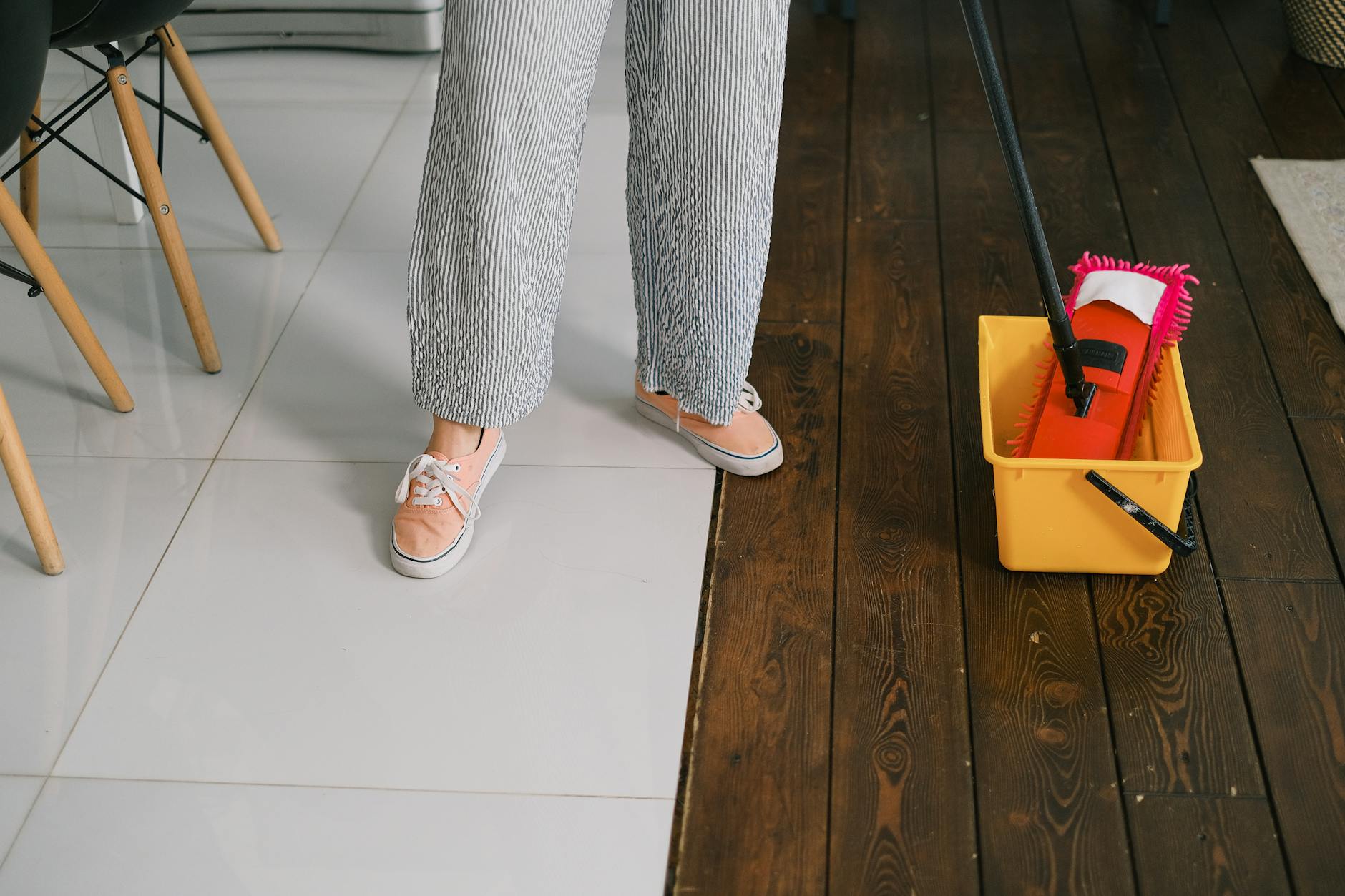 Photo by SHVETS production / Pexels
How we researched this. We researched floor cleaning methods across 20+ expert sources including flooring manufacturer care guides, r/CleaningTips, This Old House, and professional cleaning industry publications, synthesizing guidance from flooring installers and certified cleaning technicians to create a comprehensive floor care guide.
The most important principle in floor cleaning is matching your method to your floor material. What works perfectly for tile (generous mopping with cleaning solution) can permanently damage laminate or hardwood. Understanding why — and what each surface can and can't tolerate — prevents expensive mistakes. The most common floor cleaning errors involve too much water on moisture-sensitive surfaces and the wrong cleaner pH on finished surfaces.
Hardwood Floors: Minimal Moisture, Maximum Care
How we picked these. We researched home appliances and products across 20+ expert sources including Wirecutter, Good Housekeeping, and The Spruce to identify the key factors that matter most to buyers.
Hardwood is a natural material that absorbs and expands with moisture. Excess water causes boards to cup (edges rise), crown (center rises), or gap as they repeatedly expand and contract. The correct cleaning approach: dust mop or vacuum (without a beater bar — bristle or soft brush attachment only) to remove abrasive grit that would scratch the finish. Then, a barely damp microfiber mop with a hardwood-specific pH-neutral cleaner — one that doesn't leave residue that dulls the finish.
Never: flood the floor, allow water to pool, use vinegar or ammonia-based cleaners (they dull oil-finished and polyurethane finishes over time), or use a steam mop. Wring out your mop until it's nearly dry — it should feel slightly cool to the touch, not wet. The right mop matters: a flat microfiber mop with a spray bottle allows you to control moisture precisely, applying just enough to clean without saturating.
Laminate Floors: Even Less Moisture Than Hardwood
Laminate is a photograph of wood laminated over a high-density fiberboard core. The core is extremely sensitive to moisture — it swells when wet and doesn't return to its original dimension when dry. This means laminate floor damage from water is permanent and irreversible. Clean with a nearly dry microfiber mop or a dampened cloth — no standing liquid ever. A mist of a laminate-safe cleaner sprayed ahead of the mop is the correct technique, not pre-soaking the floor.

Many "all-purpose floor cleaners" leave residue on laminate that attracts dirt and dulls the finish. Use cleaners specifically labeled safe for laminate or use plain water with a touch of dish soap (a few drops per gallon, well-diluted). Avoid any cleaner with wax, oil, or shining agents — laminate has a UV-cured acrylic finish that doesn't absorb wax, leaving a hazy buildup.
Tile and Grout: The Maintenance Issue Is Grout
Ceramic and porcelain tile are the most durable and forgiving floor surfaces — they tolerate wet mopping, steam cleaning, and most cleaning products without damage. The maintenance challenge is grout, not tile. Grout is porous and absorbs stains and bacteria. Sweep or vacuum daily in kitchens (grout traps cooking grease and food), mop weekly with a pH-neutral floor cleaner, and address grout quarterly with an oxygen bleach solution (let sit 10–15 minutes, scrub with a stiff brush).
A steam mop is excellent for tile — the heat sanitizes without chemicals, and the steam pressure helps lift embedded dirt from grout lines. Steam mops are safe on properly sealed ceramic and porcelain tile with standard grout. Avoid steam on tile with epoxy grout (it can soften it) or on tile with cracked or missing grout (steam forces moisture under the tile).
Vinyl Plank (LVP): Durable but Not Indestructible
Luxury vinyl plank (LVP) is waterproof through its core, making it the most moisture-tolerant hard floor option. However, "waterproof core" doesn't mean you should flood it — excess water can seep under planks through gaps and promote mold growth on the subfloor. Clean with a damp mop (more moisture than laminate, less than tile), a vinyl-safe cleaner, and dry promptly. Avoid abrasive scrubbers (they dull the textured finish), solvent-based cleaners (they can soften the vinyl), and steam mops on floating vinyl (heat can cause expansion).
Carpet: Vacuum First, Then Address Stains
Carpet cleaning starts with a thorough vacuum before any liquid treatment — applying a cleaning solution to a carpet with loose dirt grinds that dirt deeper into the fibers. For spot stains: blot up liquid immediately (never rub — rubbing spreads the stain and pushes it deeper), apply stain treatment appropriate to the stain type, let dwell, then blot clean. For annual deep cleaning: a professional hot water extraction (steam cleaning) every 12–18 months removes embedded dirt and allergens that vacuuming can't reach. DIY rental carpet cleaners work but leave more moisture in the carpet than professional equipment, increasing drying time and potential for mildew.
How We Analyze Products
We analyze Amazon review data — often thousands of reviews per product — to surface patterns that individual buyers miss. Our process aggregates star ratings, review counts, and buyer sentiment at scale, identifying which strengths and weaknesses appear consistently across the largest review samples available.
Each product earned its placement through data: total review volume, average rating, and the specific praise and complaints that repeat most often across buyers. No manufacturer paid for placement on this page. Products appear here because buyers endorsed them at scale, not because a company asked us to feature them.
We use AI to summarize review sentiment — not to fabricate opinions, but to condense what thousands of buyers actually wrote into a readable format. The pros and cons you see reflect the most common themes found in verified purchaser reviews, paraphrased for clarity. We do not claim to have accessed Reddit, YouTube, or specific publications in generating these summaries.
Prices shown reflect Amazon pricing at the time this page was last generated. Click “See Today’s Price” to get the current live price on Amazon. Read our full methodology →