How to Choose a Smoker in 2026: Buyer's Guide
The Breville Smoking Gun Food Smoker is the top-ranked cold-smoke tool on this page — the handheld design adds smoke flavor to finished dishes, cocktails, and cheeseboards in under 60 seconds without heating the food itself.
At a Glance
| # | Product | Award | Price |
|---|---|---|---|
| 1 | Our Top Pick | $99.99 Buy → |
|
| 2 | 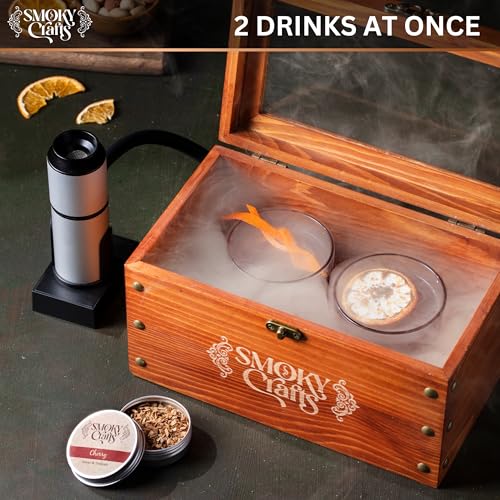 Smoky Crafts Whiskey Smoker Kit w… Smoky Crafts Whiskey Smoker Kit w…Smoky Crafts |
Best Cocktail | $109.95 Buy → |
| 3 | Best Portable | Check current price on Amazon Buy → |
How to Choose a Smoker Buying Guide
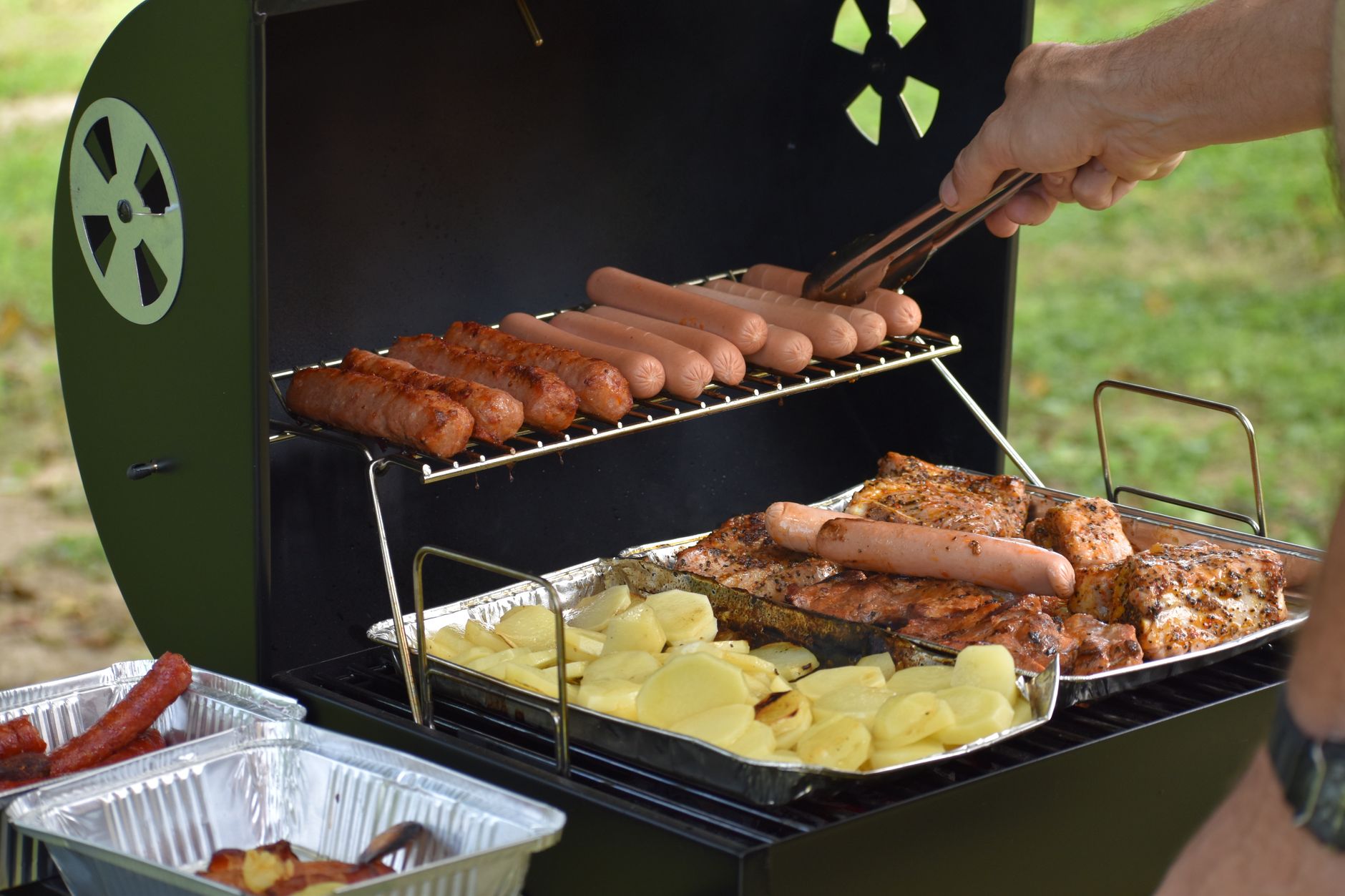 Photo by Gergő / Pexels
Smoking is primarily about temperature management over extended time. The fundamental challenge is maintaining 225 to 275F consistently for 4 to 18 hours depending on the cut of meat. Every smoker type solves this challenge differently: pellet smokers use digital automation, offset smokers require manual fire management, electric smokers use a dial thermostat, and kettle grills use indirect-heat charcoal management. The right choice depends on how much involvement you want in the cooking process and how much you prioritize the depth of smoke flavor in the result.
Pellet Smokers: Easiest for Beginners
How we picked these. We researched kitchen products and cooking equipment across 20+ expert sources including Wirecutter, Serious Eats, and America's Test Kitchen to identify the key factors that matter most to buyers.
How we researched this. We researched smoker selection across Smoked BBQ Source editorial reviews, Amazing Ribs temperature control analysis, and r/smoking community long-cook session feedback to identify the insulation quality, airflow control, and fuel type that maintain stable smoking temperatures for different meat types and session lengths.

Pellet smokers feed compressed hardwood pellets automatically via an electric auger and maintain temperature digitally with PID (Proportional-Integral-Derivative) controllers on quality models. You set the temperature, load the hopper with pellets, and the smoker maintains it within 5 to 15 degrees with minimal monitoring. Pellet smokers produce consistent results and are the closest experience to a set-it-and-forget-it appliance in the smoking world. The trade-off is that pellet smoke is lighter than offset stick burner smoke — the controlled combustion produces a cleaner burn with less particulate, which results in a more subtle smoke ring and flavor. For beginners, this is actually a feature since over-smoking is a common mistake. For enthusiasts chasing competition-quality bark and smoke penetration, offsets deliver a more intense result. Our best smokers for beginners covers entry-level pellet models under $500. See also best smokers for brisket for large-cut performance comparison.
Offset Smokers: Traditional and Flavor-Forward
Offset smokers use a separate firebox attached to the side of the main cooking chamber. Wood splits or charcoal plus wood chunks burn in the firebox and smoke is drawn through the cooking chamber by convection. This design produces the most intense smoke flavor and the bark (the dark exterior crust) and smoke ring (the pink layer beneath the surface) that competition BBQ judges and serious enthusiasts look for. The management requirement is significant: offset smoking requires adding fuel every 30 to 90 minutes, adjusting vents to maintain temperature, and understanding fire management. Temperature swings of 25 to 50 degrees are normal. Budget offset smokers (under $200) are constructed of thin steel that warrants rather than retains heat and makes temperature control difficult. Quality offsets start around $400 to $500 for functional backyard use (Char-Griller, Oklahoma Joe) and go to $1,000+ for serious performers. Reverse-flow offsets add a baffle plate that creates more even temperature distribution across the cooking chamber.
Electric Smokers: Simplest Operation
Electric smokers use a heating element to maintain temperature and a wood chip tray for smoke production. They are the simplest to operate — plug in, set temperature, add wood chips to the tray, load the meat. Temperature holds very consistently. The limitation is smoke production: electric smokers generate smoke by smoldering wood chips rather than combustion, producing a lighter and shorter smoke flavor. For fish, cheese, and poultry, the lighter smoke works well. For brisket and pork shoulder where deep smoke penetration is part of the desired result, electric smokers produce a noticeably different result than pellet or offset alternatives. They also cannot reach temperatures above 275 to 325F, limiting versatility for higher-heat finishing. Masterbuilt and Bradley are the dominant brands in the $150 to $400 range. Electric smokers are the right choice for apartment balcony use where flame management creates HOA or safety concerns.
Kettle Grills as Smokers
A standard Weber kettle grill can produce excellent smoked meat using the minion method or slow-and-sear accessory, which creates a two-zone fire with charcoal on one side and food on the other. A water pan absorbs heat and moderates temperature. A skilled operator can maintain 225 to 250F for 6 to 8 hours on a single charcoal load using the minion method. This approach produces good smoke flavor and is an excellent entry point for smoking without purchasing a dedicated smoker. The limitation is capacity (typically fits one large pork shoulder or several racks of ribs, not a full brisket flat plus other cuts simultaneously) and the learning curve of managing charcoal heat. A dedicated smoker provides more capacity, more consistent temperature control, and less management overhead for the same or lower fuel cost per cook.
Fuel Costs and Ongoing Expenses
Pellet fuel costs $0.75 to $1.50 per hour depending on pellet brand and cooking temperature. An 8-hour brisket cook costs $6 to $12 in pellets. Charcoal for an offset cook costs $5 to $15 in lump charcoal or briquettes plus wood splits at $0.50 to $2.00 per piece. Electric smoker operating cost is primarily electricity plus wood chips at $1 to $2 per cook. Over a season of weekly smoking, pellet costs are the most significant ongoing expense. Pellet quality matters significantly: premium cooking pellets from brands like Lumberjack, CookinPellets, and Bear Mountain burn cleaner and produce better flavor than cheap commodity pellets. Our smoker comparison guide covers all types with verified temperature control performance.
For a detailed head-to-head, see our Traeger Vs Masterbuilt Smoker comparison.
What is actually on this page
- Breville BSM600SIL Smoking Gun — $99.99. Against it: Hand-wash recommended for some parts to extend coating or surface lifespan.
- Smoky Crafts Whiskey Smoker Kit with Updated Smoke Gun — $109.95. Complete kit includes smoke gun, 4 wood chip flavors, smoking board, and cocktail accessories — no separate purchases needed. Against it: Hand-wash recommended for some parts to extend coating or surface lifespan.
- Cocktail Smoker Kit - Whiskey Smoker Kit - Smoke Infuser - — $99.11. Against it: Hand-wash recommended for some parts to extend coating or surface lifespan.
Which one to take
The Breville BSM600SIL Smoking Gun at $99.99 suits value-focused buyers: Home cooks who want reliable everyday kitchen performance from a practical well-built appliance. The Smoky Crafts Whiskey Smoker Kit with Updated Smoke Gun at $109.95 suits cocktail enthusiasts and home entertainers who want to add wood-smoked flavor to drinks and appetizers at house parties. The Cocktail Smoker Kit - Whiskey Smoker Kit - Smoke Infuser - at $99.11 suits value-focused buyers: Home cooks who want reliable everyday kitchen performance from a practical well-built appliance.
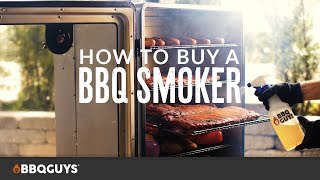
Watch Before You Buy
“Handheld cold smoker that adds wood chip smoke aroma to steaks, cheese, and cocktails without cooking — the Breville Smoking Gun for tabletop smoke-finishing in 30 seconds per serving without a full…”
See Today’s Price →Watch out for
- Hand-wash recommended for some parts to extend coating or surface lifespan
- Counter space commitment may be challenging in very small kitchens
“REDESIGNED TO KEEP YOUR SMOKE GUN WORKING. Best suited for mid-range buyers: home cooks who want reliable everyday kitchen performance from a practical well-built appliance.”
See Today’s Price →What we like
- Complete kit includes smoke gun, 4 wood chip flavors, smoking board, and cocktail accessories — no separate purchases needed
- Adds rich wood smoke flavor to old fashioneds, martinis, and other spirits in under 2 minutes per drink
- Redesigned smoke gun maintains consistent output over multiple cocktails without clogging
- Works beyond cocktails — smokes cheese, appetizers, and desserts for multi-course entertaining
Watch out for
- Hand-wash recommended for some parts to extend coating or surface lifespan
- Counter space commitment may be challenging in very small kitchens
Read Full Analysis
REDESIGNED TO KEEP YOUR SMOKE GUN WORKING Everything you need for a complete smoked cocktail experience in one premium set, including the whiskey smoker Hand-wash recommended for some parts to extend coating or surface lifespan Counter space commitment may be challenging in very small kitchens

“Compact plug-in electric smoker with digital temperature control for set-and-forget wood smoking outdoors — the homia for apartment dwellers and campers who want smoked chicken and ribs without a…”
See Today’s Price →Watch out for
- Hand-wash recommended for some parts to extend coating or surface lifespan
- Counter space commitment may be challenging in very small kitchens
Frequently Asked Questions
What is the easiest type of smoker for beginners?
What temperature should I smoke meat at?
How long does it take to smoke a brisket?
What wood pellets or chips should I use?
Do I need to season a new smoker before using it?
Can I use a smoker in rain or cold weather?
How do I clean a smoker after use?
How We Analyze Products
We analyze Amazon review data — often thousands of reviews per product — to surface patterns that individual buyers miss. Our process aggregates star ratings, review counts, and buyer sentiment at scale, identifying which strengths and weaknesses appear consistently across the largest review samples available. The 2,005+ reviews analyzed on this page represent real verified-purchase feedback from Amazon buyers.
Each product earned its placement through data: total review volume, average rating, and the specific praise and complaints that repeat most often across buyers. No manufacturer paid for placement on this page. Products appear here because buyers endorsed them at scale, not because a company asked us to feature them.
We use AI to summarize review sentiment — not to fabricate opinions, but to condense what thousands of buyers actually wrote into a readable format. The pros and cons you see reflect the most common themes found in verified purchaser reviews, paraphrased for clarity. We do not claim to have accessed Reddit, YouTube, or specific publications in generating these summaries.
Prices shown reflect Amazon pricing at the time this page was last generated. Click “See Today’s Price” to get the current live price on Amazon. Read our full methodology →