How to Choose Cast Iron Cookware in 2026: Buyer's Guide
For most cooks, a Lodge 10.25" bare cast iron skillet is the first purchase — proven performance, made in the USA, and at $25-35 it is an exceptional value. Add a 5-6 quart enameled Dutch oven (Lodge, Cuisinart, or Le Creuset depending on budget) for braising and soups.
At a Glance
| # | Product | Award | Price |
|---|---|---|---|
| 1 |  Le Creuset Enameled Cast Iron Tra… Le Creuset Enameled Cast Iron Tra…Le Creuset |
Our Top Pick | $179.95 Buy → |
| 2 |  Amazon Basics Pre-Seasoned Cast I… Amazon Basics Pre-Seasoned Cast I…Amazon Basics |
Best Set | $89.91 Buy → |
| 3 |  Old Mountain Fajita Plate Set, Bl… Old Mountain Fajita Plate Set, Bl…Old Mountain |
Best Specialty | $20.59 Buy → |
How to Choose Cast Iron Cookware Buying Guide
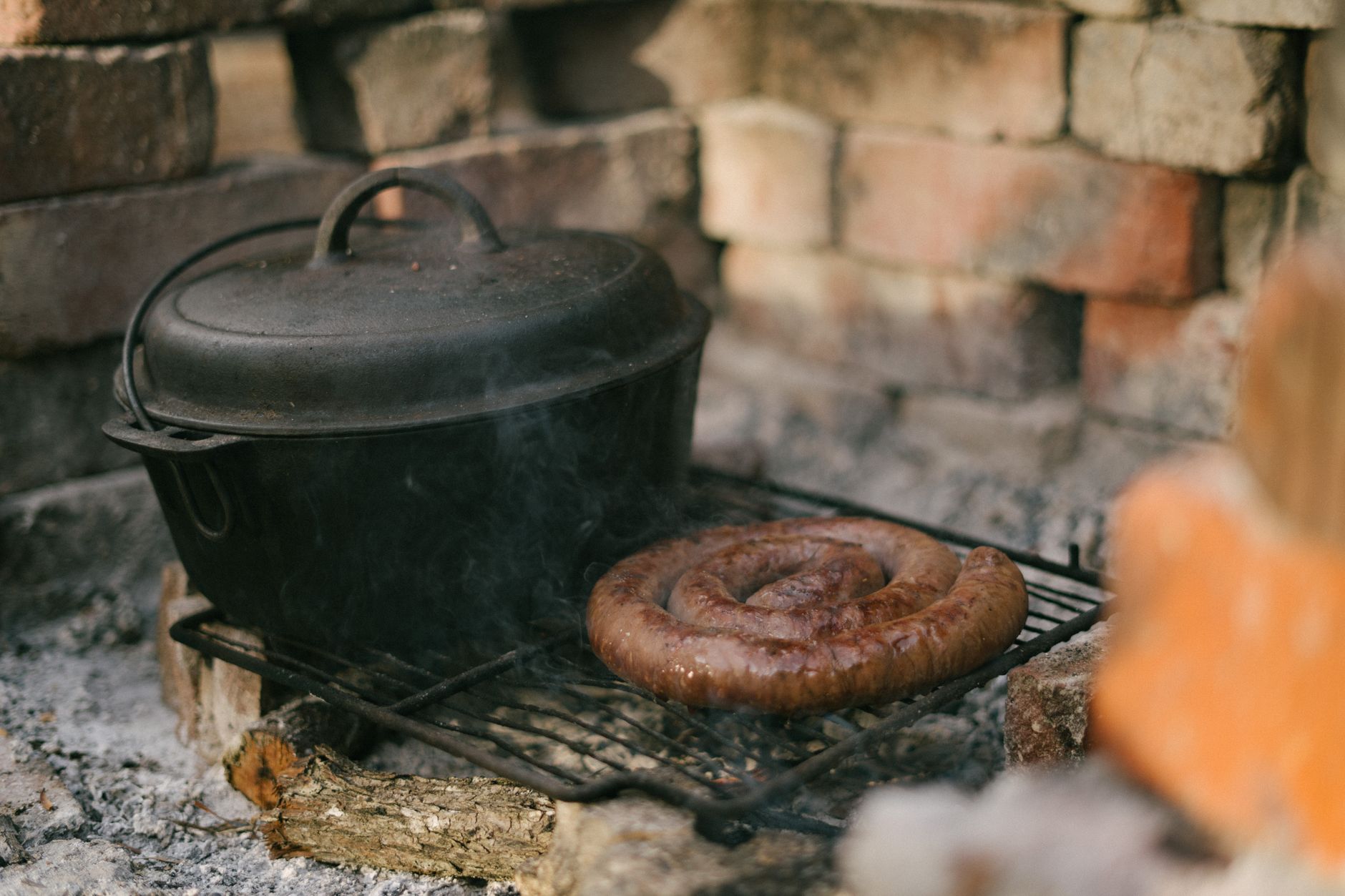 Photo by Hc Digital / Pexels
Cast iron cookware divides into two fundamentally different categories with different care requirements, ideal uses, and price ranges: bare (raw) cast iron and enameled cast iron. Understanding the difference is the most important step in choosing.
Bare Cast Iron vs. Enameled Cast Iron
How we picked these. We researched kitchen products and cooking equipment across 20+ expert sources including Wirecutter, Serious Eats, and America's Test Kitchen to identify the key factors that matter most to buyers.
How we researched this. We researched cast iron selection across America's Test Kitchen heat distribution testing, Serious Eats seasoning and reactivity trials, and r/castiron community maintenance guidance to identify the weight, finish, and handle design factors that determine long-term cooking performance and ease of maintenance.
Bare cast iron is the traditional, uncoated version — the iron surface builds a polymerized layer of seasoning over time that provides non-stick properties and rust resistance. It is reactive with acidic foods (tomatoes, wine, citrus) which can strip seasoning and impart a metallic flavor in long-cooked acidic sauces. It must be dried completely after washing and re-oiled to prevent rust. Enameled cast iron has a porcelain enamel coating — it is non-reactive, dishwasher-safe (though hand washing is recommended for the enamel's longevity), and requires no seasoning. It is significantly more expensive than bare cast iron. Lodge makes excellent bare cast iron at $20-50; Le Creuset and Staub make the benchmark enameled pieces at $200-400. See our best cast iron skillets and Lodge vs Le Creuset comparison for direct performance comparisons.
What to Buy First: Skillet or Dutch Oven
Start with a bare cast iron skillet (10 or 12 inch). This is the most versatile piece — it sears steak, bakes cornbread, fries eggs, roasts chicken, and goes directly from stovetop to oven. A 10.25" Lodge skillet costs $25-35 and will last indefinitely. The Dutch oven is the second purchase — a 5-6 quart enameled Dutch oven handles braises, soups, stews, and bread baking. The enamel coating makes it better for long-cooked acidic sauces than bare iron. Lodge's enameled Dutch oven offers comparable performance to Le Creuset at one-third the price. See the best cast iron cookware roundup and best Dutch ovens for complete comparisons.
Weight Considerations
Cast iron is heavy — a 12-inch skillet weighs 7-8 pounds, a 6-quart Dutch oven 10-13 pounds full. This is not a dealbreaker, but it is a consideration. A heavy filled Dutch oven coming out of a hot oven requires a confident grip and oven mitts that actually protect your wrists. Older cooks or those with wrist or hand strength limitations should consider a 10-inch skillet and 5-quart Dutch oven rather than the larger sizes. Seasoned cast iron also cannot be plunged into cold water — thermal shock can crack the iron.
Seasoning: What It Is and Why It Matters
Seasoning is a thin layer of polymerized oil baked into the iron surface. It provides a protective, non-stick layer that builds with cooking. Lodge ships their cast iron pre-seasoned from the factory — it is ready to use out of the box, though the initial seasoning is basic and improves significantly after the first dozen uses. Season your bare cast iron by rubbing a thin layer of flaxseed oil or vegetable shortening over the entire surface and baking at 450-500°F for an hour, upside down. See the complete cast iron seasoning guide for detailed technique. Never use soap — the myth that dish soap destroys cast iron comes from old lye-based soaps that stripped seasoning; modern dish soaps in small amounts are fine for occasional use.
Le Creuset, Staub, or Lodge Enamel?
Le Creuset and Staub are the European benchmark brands — their enamel quality, color depth, and long-term finish durability are excellent. Lodge enameled cast iron uses Chinese-made enamel that is less thick and less precisely applied than Le Creuset, but performs comparably in cooking tests at one-third the price. The Le Creuset vs Lodge Dutch oven comparison shows where the price difference is and is not justified. For most home cooks, Lodge enamel is the rational choice. Le Creuset is the right choice if you want the best possible finish quality and color selection, or if you are buying a piece you intend to use for 50+ years.
Cooking Techniques That Maximize Cast Iron Performance
Cast iron performs differently than other cookware and requires specific technique to get the best results. Preheat the pan before adding food — cast iron is slow to heat but holds heat extremely well once warm. Cold food in a cold cast iron skillet results in sticking; food added to a properly preheated pan (2-3 minutes on medium heat) releases cleanly. For searing: heat the pan until a drop of water dances and evaporates immediately, add oil, then add the protein. Do not move the food for the first 2-3 minutes — it will release naturally when a crust has formed. Forcing food off the surface tears the sear and leaves it behind. Cast iron retains heat so well that it cooks food after removal from the burner — reduce heat 1-2 minutes earlier than you would with thin stainless or aluminum. In the oven, cast iron goes up to 500°F without concern. The cornbread method: preheat the cast iron in the oven while mixing the batter, pour batter into the hot pan, and the bottom crust forms immediately — this produces the characteristic crispy bottom that is impossible in a cold pan.
Cleaning and Re-Seasoning: What Actually Works
Cast iron cleaning is surrounded by persistent myths. Modern dish soap used briefly will not strip a well-developed seasoning — it is a valid cleaning option for stuck-on food. Do not soak cast iron in water (rust begins quickly) and do not run it through a dishwasher (extended water contact and harsh detergents strip seasoning completely). For stuck food: a few tablespoons of coarse salt and a paper towel scrub removes most residue abrasively without water. For more stubborn residue, chain mail scrubbers ($15-20) clean without scratching the seasoning. After washing, dry completely over a burner on low heat for 2-3 minutes — never air dry or towel dry and put away. While still warm, apply a very thin film of neutral oil (flaxseed, vegetable, or Crisco) to all surfaces with a paper towel, wiping until the surface looks dry rather than oily. An oil film that is too thick becomes sticky and rancid. When to strip and re-season: rust spots, a persistent sticky surface, or burnt-on residue that cleaning cannot remove all warrant a full re-season. Scrub with a scouring pad to remove all rust and old seasoning, repeat the oven seasoning process 3-4 times, and rebuild.
Specialty Cast Iron Pieces Worth Adding
Beyond the essential skillet and Dutch oven, several cast iron pieces solve specific cooking problems well. A cast iron griddle (flat, sits across two burners) is excellent for pancakes, smash burgers, grilled sandwiches, and breakfast spreads that exceed the capacity of a skillet. A grill pan (ridged surface, square or rectangular) creates grill marks on stovetop and handles asparagus, zucchini, and chicken cutlets for indoor grilling. A cast iron baking dish handles cornbread, cobblers, and skillet cookies and provides more even browning than aluminum baking pans. A cast iron press (like the Lodge cast iron press) is used for pressing and searing meat simultaneously — the weight of the press accelerates crust development on smash burgers and sandwiches. For outdoor cooking, cast iron is the most appropriate cookware for use directly on campfire coals — it distributes campfire heat evenly where aluminum pans develop hot spots.
Watch Before You Buy
“Enameled cast iron delivers superior heat distribution and retention. 4.6 stars from 530 Amazon reviews signal consistent reliability.”
See Today’s Price →What we like
- Enameled cast iron delivers superior heat distribution and retention
- Ready to use, requires no seasoning
- Easy-to-clean and durable enamel resists dulling, staining, chipping and cracking
- Black satin interior enamel develops a patina over time to enhance cooking performance
Watch out for
- Cast iron and stainless require specific care to maintain performance and prevent rust or sticking
- Heavier than non-stick coated alternatives making handling challenging for some users
Read Full Analysis
Enameled cast iron delivers superior heat distribution and retention Cast iron and stainless require specific care to maintain performance and prevent rust or sticking Heavier than non-stick coated alternatives making handling challenging for some users Compared to the Amazon Basics Pre-Seasoned Cast Iron 5-Piece Kitchen Cookware Set at $90 on this page, the Le Creuset Le Creuset Enameled Cast Iron Crepe Pan Premium Enamel costs $93 more but may offer additional features or brand support worth considering for serious users.
“10.5 inch griddle, 8 inch skillet, 10.25 inch skillet, and 10.25 inch Dutch oven with lid. 4.6 stars from 2,468 Amazon reviews signal consistent reliability.”
See Today’s Price →What we like
- 10.5 inch griddle, 8 inch skillet, 10.25 inch skillet, and 10.25 inch Dutch oven with lid
- Cast iron for even heat distribution and retention
- Oven safe to 500 degrees Fahrenheit
- Always use hot-pads, oven mitts, or potholders while moving or removing cast iron cookware on or from the stove or
Watch out for
- Cast iron and stainless require specific care to maintain performance and prevent rust or sticking
- Heavier than non-stick coated alternatives making handling challenging for some users
Read Full Analysis
Amazon Basics' five-piece cast iron set covers every daily cooking scenario — the 10.5-inch griddle for pancakes and sandwiches, both an 8-inch and 10.25-inch skillet for different batch sizes, and a Dutch oven with lid for braises and soups — all pre-seasoned and oven-safe to 500°F. Reviewers note the seasoning builds reliably over the first several uses, matching the performance of more expensive bare cast iron. The trade-offs are shared by all bare cast iron: handles conduct heat (always use mitts) and the surface needs immediate drying after washing to prevent surface rust. At $89.91 for five pieces, this set delivers dramatically more daily utility than the Le Creuset single crepe pan at $179.95 — and far more cooking versatility than the Old Mountain specialty fajita plate at $20.59.
“The Old Old Mountain Fajita Plate Set - Pre-Seasoned Cast Iron Fajita Pan with Wooden Tray and Hot Mitt features pre seasoned and ready to use. 4.4 stars from 900 Amazon reviews signal consistent…”
See Today’s Price →What we like
- Pre Seasoned and Ready to Use
- Comes with wood tray, Comes with quilted hot mit
- Length 9.50 x Width 7.25 without handle
- Old Mountain logo is burned into back of wood tray
Watch out for
- Budget pricing may reflect simpler construction or fewer premium features
- Cast iron and stainless require specific care to maintain performance and prevent rust or sticking
Read Full Analysis
Old Mountain's pre-seasoned fajita plate arrives with a wood serving tray and quilted hot mitt, delivering the restaurant-style tableside presentation that a standard skillet cannot replicate — the cast iron surface retains heat for the full 15–20 minutes a fajita spread typically takes to serve. Pre-seasoned and ready to use from first heating. At $19.50, this is a specialty purchase rather than a general cast iron pan: the 9.5×7.25-inch cooking surface is sized for one or two portions, making it ideal for entertaining rather than everyday meal prep. For general cast iron cooking across skillet, griddle, and Dutch oven needs, the Amazon Basics 5-piece set at $89.91 covers far more ground — the Old Mountain earns its spot specifically for fajita and sizzler plate presentations.
Frequently Asked Questions
Bare cast iron or enameled — which should I buy?
Is Lodge as good as Le Creuset?
How do I season a cast iron skillet?
Can I use cast iron on an induction stove?
How do I clean cast iron without stripping the seasoning?
Can you cook acidic foods in cast iron?
What size cast iron skillet should I buy?
How We Analyze Products
We analyze Amazon review data — often thousands of reviews per product — to surface patterns that individual buyers miss. Our process aggregates star ratings, review counts, and buyer sentiment at scale, identifying which strengths and weaknesses appear consistently across the largest review samples available. The 3,898+ reviews analyzed on this page represent real verified-purchase feedback from Amazon buyers.
Each product earned its placement through data: total review volume, average rating, and the specific praise and complaints that repeat most often across buyers. No manufacturer paid for placement on this page. Products appear here because buyers endorsed them at scale, not because a company asked us to feature them.
We use AI to summarize review sentiment — not to fabricate opinions, but to condense what thousands of buyers actually wrote into a readable format. The pros and cons you see reflect the most common themes found in verified purchaser reviews, paraphrased for clarity. We do not claim to have accessed Reddit, YouTube, or specific publications in generating these summaries.
Prices shown reflect Amazon pricing at the time this page was last generated. Click “See Today’s Price” to get the current live price on Amazon. Read our full methodology →