How to Meal Plan on a Budget (2026 Practical Guide)
Plan three or four dinners a week rather than seven, build around proteins that stretch across meals, and prep components instead of finished plates. The WHYSKO Meal Prep Stainless Steel Mixing Bowl 5-Piece Set ($27.99) covers the prep side.
At a Glance
How to Meal Plan on a Budget (2026 Practical Guide) Buying Guide
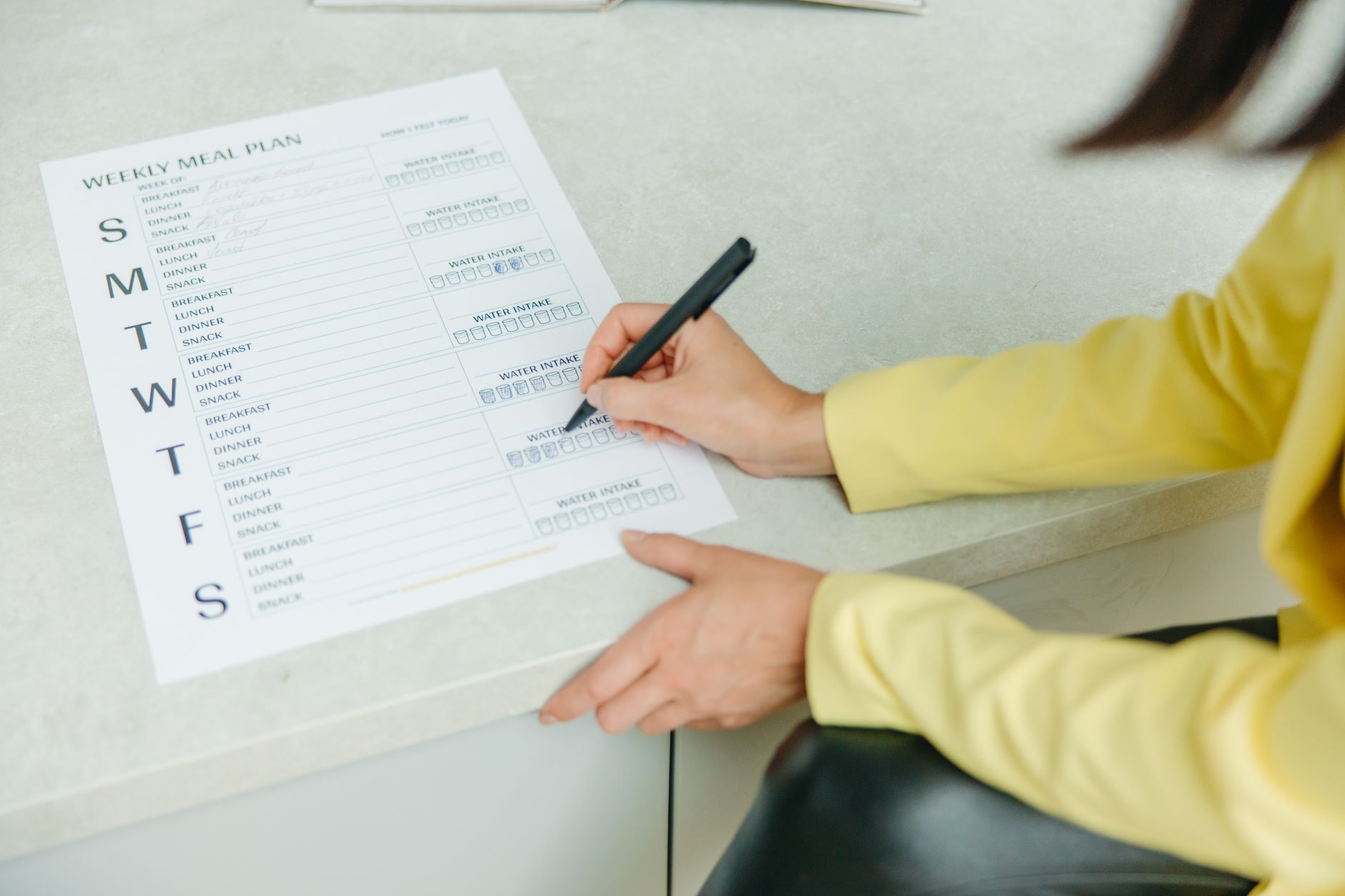 Photo by Yaroslav Shuraev / Pexels
How we researched this. We researched budget meal planning across 20+ expert sources including r/EatCheapAndHealthy, r/MealPrepSunday, registered dietitian resources, and food budget publications, synthesizing guidance from registered dietitians and frugal living specialists to create a comprehensive planning guide.
Meal planning works not because it forces you to eat the same thing every day, but because it eliminates the daily decision of "what should I make?" that usually ends in takeout. The system matters more than the recipes. Here's how to build one that actually sticks.
The Component Method (Better Than Full-Meal Prep)
How we picked these. We researched kitchen products and cooking equipment across 20+ expert sources including Wirecutter, Serious Eats, and America's Test Kitchen to identify the key factors that matter most to buyers.

The classic mistake is prepping complete meals — seven identical chicken-and-rice containers. By Wednesday you're bored. The better approach is prepping components that combine into multiple different meals. Examples: cook a batch of chicken thighs → serve as stir-fry Monday, chicken salad Tuesday, chicken tacos Wednesday. Roast a sheet pan of vegetables → side dish tonight, folded into scrambled eggs tomorrow, added to a grain bowl later. Cook a large pot of grains (rice, farro, quinoa) → base for three different meals. This approach needs fewer containers and produces more variety. Good storage containers make this system work — the best meal prep containers and best food storage containers are worth investing in once.
Building Your Weekly System
Step 1: Check what you already have before shopping (the fridge clean-out meal at week's end). Step 2: Plan 3–4 dinners, not 7. Leave room for leftovers, one easy meal (eggs, sandwiches), and one "use what you have" night. Step 3: Build your grocery list around proteins, produce, and pantry staples — not specific recipes. Step 4: Batch cook 1–2 things on Sunday (or whenever you have 30 minutes). A slow cooker or instant pot dramatically reduces active cooking time — see our best Instant Pot picks for hands-off batch cooking. Step 5: Track what you waste each week and eliminate those items from future lists. Most waste is lettuce and herbs — switching to baby spinach (sturdier, more versatile) and buying dried herbs eliminates a common money pit.
The Cheapest Proteins That Don't Feel Cheap
Protein is the highest cost-per-serving category. The best value proteins in 2026: chicken thighs (cheaper than breasts, more flavorful, harder to overcook), eggs (still one of the cheapest complete protein sources per gram), canned tuna and salmon, dried beans and lentils (25–40 cents per serving, excellent fiber). The worst value: pre-marinated anything, individually portioned anything, "gourmet" ground meat blends. Buy in bulk when proteins are on sale and freeze immediately — most households could save $20–30/month just from strategic buying and freezing rather than buying fresh at full price every week.
Produce Strategy: Fresh vs. Frozen
Frozen vegetables are nutritionally equivalent to fresh (often better, since they're flash-frozen at peak ripeness) and eliminate waste. For vegetables that will be cooked, buy frozen: broccoli, peas, corn, spinach, edamame. For vegetables eaten raw or lightly cooked, fresh is better: tomatoes, cucumbers, bell peppers, lettuce. Buy fresh fruit for the current week only; buy frozen for smoothies and cooking. This split typically reduces produce waste from 30–40% (industry average for home cooks) to under 10%. A food processor makes vegetable prep fast enough that you'll actually use fresh vegetables consistently — see the best food processors for prep-focused models.
Making It Stick: The Minimum Viable System
The most common reason meal planning fails is that people build unsustainable systems — planning 14 meals, spending 4 hours prepping, burning out by week 3. The minimum viable system: one batch protein, one batch grain, one sauce or dressing, fresh vegetables bought Tuesday (not Sunday, when willpower is high but freshness fades). That's it. The entire pantry-based planning philosophy says: buy 15 versatile staples and you can make dozens of combinations without a weekly plan at all. Build toward that with a well-stocked pantry over 6–8 weeks and meal planning becomes less necessary because you always have the components for 4–5 meals on hand. Start tracking your grocery spending in an app — most people underestimate it by 30–40% before they start.
The Essential Pantry Staples That Enable Budget Meal Planning
Budget meal planning becomes effortless when the pantry replaces the grocery store for most meals. A well-stocked pantry means you need to buy 5-7 items per week rather than 20-30. Core pantry for budget meal planning: canned tomatoes (diced, crushed, paste) — the base for dozens of sauces, soups, and braises. Dried beans and lentils — the cheapest protein per gram, 6-month shelf life, 20 cents per serving. Rice and grains (long-grain white rice, rolled oats, farro, quinoa) — caloric foundation for any meal. Canned fish (tuna, salmon, sardines, mackerel) — ready-to-eat protein at $1-2 per serving. Neutral cooking oil, olive oil, and a small bottle of sesame oil for flavor. Dry spices: cumin, smoked paprika, chili powder, garlic powder, onion powder, dried oregano, red pepper flakes — these 7 spices combine into the flavor base for Mexican, Italian, Middle Eastern, and Asian-inspired cooking. Soy sauce, fish sauce, hot sauce, and Worcestershire — each adds depth that otherwise requires more expensive ingredients. With these pantry items, you can make 15-20 different meals without a trip to the store. The most significant single budget improvement most households can make is eliminating single-purpose specialty ingredients and replacing them with versatile pantry staples.
Food Storage and Safety for Meal Prep
Prepped components are only useful if they stay fresh and safe through the week. Refrigerator storage guidelines for meal prep: cooked proteins (chicken, beef, pork) store safely for 3-4 days. Cooked grains and legumes store 5-7 days. Raw vegetables (cut, washed) store 3-5 days depending on the vegetable — hardier vegetables (carrots, celery, cabbage) last longer; leafy greens last 1-3 days. Store proteins and cooked components on the top shelf of the refrigerator (coldest, least temperature-fluctuating area). Store dressings and sauces separately from greens — combined salads wilt within hours. The container matters: glass containers maintain temperature stability better and do not absorb odors. Shallow containers cool faster in the refrigerator than deep containers — important for food safety (bacteria multiply fastest when food cools slowly through the 40-140°F danger zone). Freeze components you won't use within the storage window — batch-cooked grains and beans freeze and reheat well. Label everything with the date — a simple masking tape and marker system prevents the guessing game that leads to food waste.
Watch Before You Buy
“”
See Today’s Price →What we like
- Stainless steel bowls nest compactly — multiple bowls store in less space than flat-bottom containers
- Non-reactive surface is safe for marinating proteins in acidic ingredients without metallic flavor transfer
- Measurement markings inside each bowl reduce the need for separate measuring cups during prep sessions
Watch out for
- Mixing bowls are preparation tools, not storage containers — cannot replace lidded meal prep boxes for portioning
- No lids included — prepped ingredients cannot be stored in the refrigerator without adding plastic wrap
Read Full Analysis
Best Mixing Bowls at $27.99 on the how-to-meal-plan-on-a-budget-2026, the Whysko Meal Prep Stainless Steel Mixing Bowls Set covers the active preparation phase that lidded storage containers cannot fill. The stainless steel construction is non-reactive, making each bowl safe for marinating proteins in acidic ingredients -- citrus, vinegar, yogurt -- without the metallic flavor transfer that lower-grade bowls cause over repeated use. Measurement markings inside each bowl replace the need for separate measuring cups during large-batch prep sessions, reducing both equipment count and cleanup time. The nesting design stores the full set in less cabinet space than equivalent-capacity glass containers occupy when stacked. Against the Stack Man containers at rank 1 and ThinkFit carry bag at $39.85, the Whysko bowls address the prep workstation rather than the storage or transport problem -- a complementary function rather than an overlap. The absence of lids means prepped ingredients require plastic wrap or transfer to sealed containers before refrigerator storage, which is the primary limitation for this set in a budget meal planning workflow.
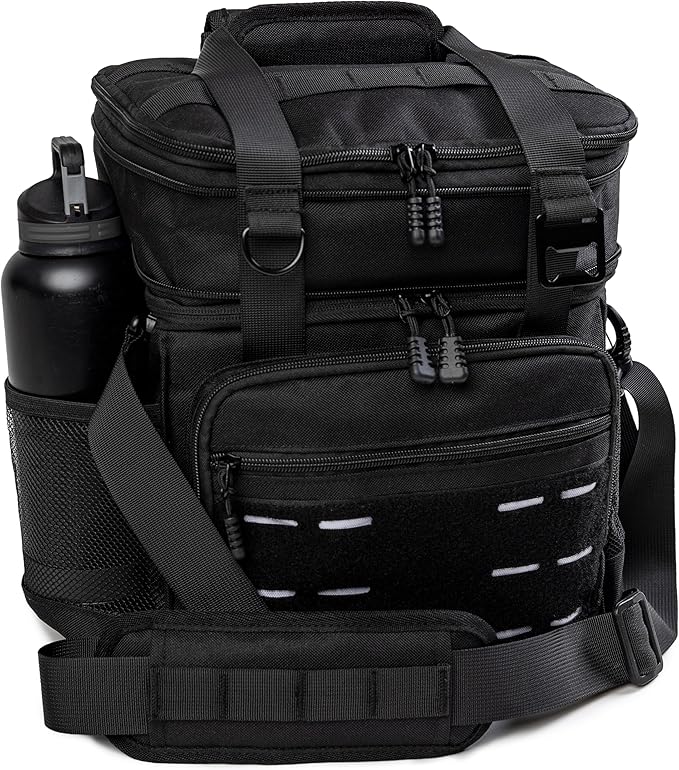
“By choosing ThinkFit, you’re supporting a US-based, family-owned small business backed by the SBA. 4.7 stars from 4,653 Amazon reviews signal consistent reliability.”
See Today’s Price →What we like
- Insulated carry bag keeps cold meals at safe temperature for 6+ hours between morning prep and lunchtime
- Multiple interior compartments separate snacks, dressings, and mains without separate bags
- Shoulder strap and handle offer two carry options for commuters and gym-goers
Watch out for
- Carry bag requires separate containers inside — not a standalone food storage solution
- Insulation performance depends on pre-chilling with an ice pack — no ice pack included in the kit
Read Full Analysis
Best Lunch Box at $29.95 on the how-to-meal-plan-on-a-budget-2026, the ThinkFit Insulated Meal Prep Lunch Box is the transport layer that makes a week of batch cooking actually portable. The insulated carry bag keeps cold meals at safe temperature for 6+ hours between morning prep and lunchtime without requiring a separate ice pack, though pre-chilling with ice extends performance further. Multiple interior compartments separate snacks, dressings, and mains inside a single bag, eliminating the need to pack multiple separate containers into a standard backpack. At $29.95, ThinkFit slots directly between the Stack Man containers at the top rank and the Whysko mixing bowls at $29.99, covering the transport segment of the meal prep system while those two products cover the prep and storage phases. The shoulder strap and handle give two carry options for commuters versus gym-goers. The bag requires separate containers inside -- it is not a standalone storage solution -- so pairing it with the Stack Man or another lidded container set completes the system described in this guide.

“”
See Today’s Price →What we like
- Produces 12 hard, soft, or medium boiled eggs simultaneously — one of the highest batch outputs of any countertop egg cooker
- Auto-shutoff alarm sounds when eggs finish — no timer-watching or risk of overcooking during a busy meal prep session
- Detachable tray and rack are dishwasher-safe for quick cleanup after batch egg prep
Watch out for
- Dedicated function only — does not poach, scramble, or fry, so it adds an appliance if you don't already own one
- At $49.95 it costs more than stovetop batch cooking — value increases proportionally with prep frequency
Read Full Analysis
The Dash Deluxe Rapid Egg Cooker handles up to 12 eggs per batch — hard, soft, or medium boiled depending on water fill level — and automatically shuts off with an alarm when the cycle completes. For budget meal planners who batch hard-boiled eggs weekly as a high-protein, low-cost food, cooking 12 at once eliminates the multiple stovetop rounds or timing that smaller batches require during a busy prep session. Detachable tray and rack are dishwasher-safe for quick cleanup after a large batch. At $49.95 on a budget meal planning guide, the Dash costs more upfront than a pot on a stove. The value calculation runs on frequency: cooks who hard-boil eggs weekly for a week of lunches or breakfasts recoup the cost in time and attention saved across sessions, while cooks who occasionally boil a few eggs get less return from a dedicated appliance. The auto-shutoff removes overcooking risk when attention is split across multiple simultaneous prep tasks — no timer management needed during a multi-item prep session. Right for budget meal planners who batch hard-boiled eggs weekly as a low-cost protein source and want that step to run unattended without monitoring. Skip it if egg prep is occasional or limited to two or three eggs — stovetop boiling handles that case without an additional appliance at any cost.
Frequently Asked Questions
How much can meal planning actually save per month?
What's the best day to meal prep?
Can I meal prep without cooking everything in advance?
How long do meal prepped foods actually keep?
What containers are worth buying for meal prep?
Is meal planning worth it if I live alone?
How We Analyze Products
We analyze Amazon review data — often thousands of reviews per product — to surface patterns that individual buyers miss. Our process aggregates star ratings, review counts, and buyer sentiment at scale, identifying which strengths and weaknesses appear consistently across the largest review samples available. The 12,762+ reviews analyzed on this page represent real verified-purchase feedback from Amazon buyers.
Each product earned its placement through data: total review volume, average rating, and the specific praise and complaints that repeat most often across buyers. No manufacturer paid for placement on this page. Products appear here because buyers endorsed them at scale, not because a company asked us to feature them.
We use AI to summarize review sentiment — not to fabricate opinions, but to condense what thousands of buyers actually wrote into a readable format. The pros and cons you see reflect the most common themes found in verified purchaser reviews, paraphrased for clarity. We do not claim to have accessed Reddit, YouTube, or specific publications in generating these summaries.
Prices shown reflect Amazon pricing at the time this page was last generated. Click “See Today’s Price” to get the current live price on Amazon. Read our full methodology →