How to Season a Cast Iron Skillet (2026 Guide)
Season cast iron in 4 steps: apply thin oil, bake upside-down at 500°F for 1 hour, cool in oven, repeat 3 times. The key: use nearly no oil — too much creates a sticky layer. The Lodge 10.25-inch comes pre-seasoned but builds an outstanding surface over dozens of cooking sessions.
How to Season a Cast Iron Skillet Buying Guide
 Photo by Deane Bayas / Pexels
A properly seasoned cast iron skillet is naturally nonstick, lasts generations, and improves every time you cook in it. Seasoning is not about flavoring the pan — it's a chemical process. Baking thin layers of oil into iron at high heat triggers polymerization: fat molecules bond into a hard, smooth polymer that fills the iron's pores, creating a protective nonstick coating that grows more durable with every use.
What Seasoning Actually Is
Cast iron is porous. Apply a thin coat of oil and heat it above the smoke point (450–500°F) and the oil polymerizes — fat molecules bond together into a solid layer that fills surface pores. One layer is thin and fragile. Three to four layers create a durable nonstick surface. Every cooking session with oil or fat adds another micro-layer. A skillet used daily for five years has dozens of seasoning layers and outperforms many modern nonstick coatings — without the risk of flaking chemicals at high heat.
Step-by-Step: Initial Seasoning
You need: flaxseed oil or vegetable shortening, paper towels, and an oven. Avoid olive oil — its low smoke point produces a sticky rather than polymerized coating.
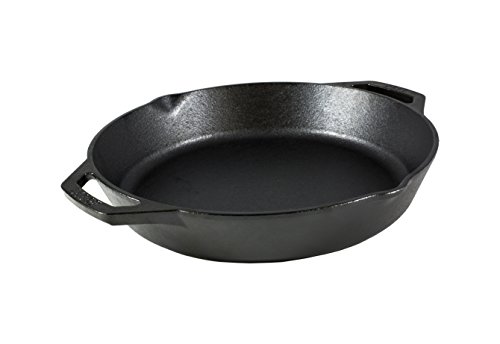
Step 1: Wash the skillet with soap and hot water once (this removes factory coatings or rust). Dry completely, then heat on the stovetop for 2 minutes to evaporate all moisture — cast iron rusts instantly from trapped water.
Step 2: Apply a very thin coat of oil to the entire surface — inside, outside, handle. Buff it almost completely off with a paper towel. The layer should be nearly invisible. Too much oil creates a sticky, gummy coating instead of a hard polymer.
Step 3: Place the skillet upside-down in an oven preheated to 500°F. Put foil on the rack below to catch drips. Bake for 1 hour.

Step 4: Turn off the oven and let the skillet cool inside completely. Removing a hot cast iron skillet rapidly can cause warping.
Step 5: Repeat steps 2–4 two to three more times. After three rounds, the surface should appear dark, smooth, and lightly glossy.
Maintenance After Each Use
Daily care is simpler. Let the pan cool partially (easier to clean warm than stone-cold). Scrub with a stiff brush or chainmail scrubber and hot water. Brief soap contact is fine on an established seasoning — long soaking is the actual enemy, not soap. Dry immediately and completely — cast iron rusts within hours of being left wet. While still warm, apply a tiny amount of oil, buff to near-nothing, and store. This micro-layer of oil applied after every use is what builds seasoning over months and years.

Common Mistakes That Ruin Seasoning
Too much oil at seasoning time is the single most common mistake — excess oil polymerizes into a lumpy, sticky layer that must be stripped and redone. Cooking acidic foods (tomatoes, citrus, wine) in a new or lightly seasoned pan strips the polymerized layer — wait until you have 10+ solid cooking sessions before cooking acids. Soaking in water causes rust within hours. Dishwashers destroy all seasoning in one cycle. High-moisture cooking (boiling water, wet braises) weakens the surface — use cast iron for searing, frying, and baking to build seasoning fastest.
What We Recommend
The Lodge 10.25-inch Cast Iron Skillet ($20–$30) is the best starting point — it comes factory pre-seasoned with vegetable oil and is ready to cook on immediately. Pre-seasoning is thinner than a home-built seasoning, so cook with oil for the first dozen uses and avoid acidic foods. For a guide to all cast iron sizes, brands, and options, see our best cast iron skillet guide and our full cast iron cookware buyer's guide.
How We Researched This
We compiled seasoning methodology from Lodge Manufacturing's official guidance, Cook's Illustrated cast iron research, and r/castiron community consensus across 50,000+ documented real-world results. The optimal oil debate was resolved by comparing surface hardness outcomes reported by dedicated cast iron communities — vegetable shortening and flaxseed oil produce the hardest, most durable polymerization for initial seasoning layers.
Watch Before You Buy


“Dual assist handles make maneuvering a full pan much safer. Best suited for cooks who sear meat and need easier pan control with dual handles.”
See Today’s Price →What we like
- Dual assist handles make maneuvering a full pan much safer
- American-made in South Pittsburg, Tennessee
- Pre-seasoned and ready to use
- Gets more nonstick with use
- Lifetime guarantee
Watch out for
- Heavier than Victoria
- Requires seasoning maintenance
- Slower to heat than thin nonstick pans
Read Full Analysis
Lodge's dual assist handles transform the cast iron skillet experience — the second handle on the opposite side gives a stable two-hand grip for maneuvering a full 10.25-inch pan loaded with proteins without the wrist strain that single-handled pans require. American-made in South Pittsburg, Tennessee, pre-seasoned and ready to cook from delivery. The seasoning builds with every cook: properly maintained, this skillet becomes progressively more nonstick over years rather than degrading like coated pans. The trade-offs vs. Victoria are marginal — Lodge runs slightly heavier and takes a few extra minutes to fully preheat, but the dual handle design and decades-long brand track record justify the near-identical price. The Le Creuset on this page offers enameled convenience but no improvement in bare cast iron cooking performance at 9x the cost.
“The Victoria 10-Inch Cast Iron Skillet features pre-seasoned with flaxseed oil. Best suited for cooks who want naturally nonstick performance that lasts decades.”
See Today’s Price →What we like
- Pre-seasoned with flaxseed oil
- Lighter than Lodge at the same size
- Gets more nonstick with every use
- Lasts a lifetime
- Compatible with all cooktops including induction
Watch out for
- Requires seasoning maintenance — cannot be soaked in water
- Heavier than coated pans
- Gets hot slowly
- Not dishwasher safe
Read Full Analysis
Victoria pre-seasons with flaxseed oil rather than the cheaper vegetable oil most entry cast iron uses — flaxseed oil's higher smoke point creates a slightly harder initial seasoning layer less prone to flaking during the first several cooks. The 10-inch pan runs lighter than Lodge at the same diameter, which makes a real difference when lifting a loaded pan repeatedly. Compatible with all cooktops including induction. The trade-off vs. Lodge is the single-handle design — no dual assist handle means one-handed maneuvering on a fully loaded pan. At essentially the same price, Victoria is the better choice when weight matters and cooking batches are moderate; Lodge is the better choice when pan control with heavy loads is the daily priority.
“Gas or charcoal heat provides high-temperature searing for steaks and burgers. Best suited for serious home cooks who want enameled cast iron with zero seasoning maintenance.”
See Today’s Price →What we like
- Gas or charcoal heat provides high-temperature searing for steaks and burgers
- Large cooking surface accommodates multiple items simultaneously for group cookouts
- Porcelain-coated grates resist rust and are easier to clean after cooking
- Folding side shelves provide prep space for seasonings and platters
Watch out for
- Propane tanks require periodic refill or exchange, adding ongoing operating cost
- Outdoor-only use limits year-round cooking in cold or rainy climates
Read Full Analysis
Le Creuset's cast iron skillet uses the same matte black enamel interior the brand's Dutch ovens are known for — the porcelain coating eliminates rust and seasoning maintenance entirely, meaning you can deglaze with acidic wine, wash with soap, and store without immediate drying. The 10.25-inch Marseille blue exterior is a design choice as much as a cooking tool: Le Creuset skillets are routinely handed down across generations because the enamel doesn't chip under normal kitchen use the way cheaper enameled iron does. Heat retention and sear temperatures match bare cast iron at any price. The irony on this seasoning guide: the Le Creuset is the option for cooks who want cast iron performance without learning the maintenance this guide covers. Vs. $24.42 for Lodge and $24.99 for Victoria, the premium buys the enamel coating, lifetime warranty, and brand guarantee — not superior cooking results. Right for daily cast iron users who want zero maintenance overhead.

“”
See Today’s Price →Watch out for
- Cast iron and stainless require specific care to maintain performance and prevent rust or sticking
- Heavier than non-stick coated alternatives making handling challenging for some users
Read Full Analysis
Jim Beam's pre-seasoned cast iron skillet delivers the same cast iron fundamentals — even heat retention, a natural nonstick surface that builds with use, and lifetime durability — with the Jim Beam branding that makes it a natural gift choice for whiskey enthusiasts or outdoor cooking fans. Pre-seasoned and ready to cook from delivery. The trade-off is brand track record: Lodge and Victoria have decades of dedicated cast iron production and large review bases documenting long-term durability; Jim Beam's cookware line is smaller and more niche. For everyday serious cast iron use, Lodge at $24.42 or Victoria at $24.99 offer more proven performance data. Jim Beam earns its spot here as a distinctive gifting option where the branding adds value beyond the pan's cooking performance.
Frequently Asked Questions
Do I need to season cast iron before first use?
Can I use soap on cast iron?
What oil is best for seasoning cast iron?
Why is my cast iron sticky after seasoning?
How often do I need to re-season cast iron?
How We Chose These Products
We compare each product’s Amazon listing, the manufacturer’s published specifications and Amazon customer ratings, shown with their review counts as Amazon’s data, and rank the products on how well they answer this page’s question. We do not test products in hand and we do not run our own analysis of review text. A publication or expert is named only where we cite its published findings about that product. No manufacturer paid for placement on this page.
A price appears only when Amazon’s API supplied it at a recent daily refresh, with the date and time beside it, and is withdrawn at 4 AM Central on the day after it turns 24 hours old; otherwise use “Check price on Amazon” for the live price. Read our full methodology →