How to Start Meal Prep for Beginners (2026)
Start with containers you can see into and stack. The PrepNaturals 5-Pack 30oz Glass Meal Prep Containers ($26.99) are the best first buy — glass does not stain or hold smells the way cheap plastic does, and 30oz is a full dinner portion.
At a Glance
| # | Product | Award | Price |
|---|---|---|---|
| 1 |  PrepNaturals 5 Pack 30 Oz Glass M… PrepNaturals 5 Pack 30 Oz Glass M…Prep Naturals |
Best Glass | $26.99 Buy → |
| 2 | Best Lunch Box | $39.85 Used — not a new unit Buy → |
|
| 3 | Best Mixing Bowls | $29.99 Buy → |
How to Start Meal Prep for Beginners (2026) Buying Guide
 Photo by Ron Lach / Pexels
How we researched this. We researched meal prep strategies for beginners across 20+ expert sources including r/MealPrepSunday, registered dietitian blogs, r/EatCheapAndHealthy, and food safety publications, synthesizing guidance from registered dietitians and professional meal prep coaches to create a comprehensive beginner guide.
Meal prep works best as a system rather than a weekly project. The goal isn't to make 21 labeled containers of complete meals — that approach gets boring by Wednesday and requires precise forecasting of what you'll want to eat days in advance. The component approach is more flexible: prep the building blocks (grains, proteins, vegetables), combine them differently each day based on appetite, and rely on sauces and condiments to create variety from the same ingredients.
The Three-Component System
How we picked these. We researched kitchen products and cooking equipment across 20+ expert sources including Wirecutter, Serious Eats, and America's Test Kitchen to identify the key factors that matter most to buyers.
Pick one item from each category for a 3–4 day prep. These three components combine into 6–8 different meals by varying the combinations and adding different sauces or toppings.
Grains (cook 2–3 cups dry): White or brown rice, quinoa, farro, or pasta. Grains keep 4–5 days refrigerated and reheat well with a splash of water to prevent drying. Cook a full pot — the extra 10 minutes of cook time produces 3–4x more food than a single serving.
Protein (cook 1.5–2 lbs): Chicken thighs (more forgiving than breasts, which dry out when reheated), hard-boiled eggs, ground turkey or beef, or a large pot of beans from dry (far cheaper than canned, similar cooking effort with an Instant Pot). Season simply — salt, pepper, and garlic work with everything. More specific seasoning limits what the protein can go with later.
Vegetables (roast 2 sheet pans): Roasting concentrates flavor and removes excess moisture that causes sogginess. Broccoli, cauliflower, sweet potato, Brussels sprouts, bell peppers, and zucchini all roast well at 425°F for 20–30 minutes. Cut pieces uniformly for even cooking. Leafy greens (spinach, kale) are better prepped as raw leaves and added fresh — they lose texture and volume when pre-cooked.
What Equipment You Actually Need
The minimum for efficient meal prep: a set of uniform meal prep containers (glass or BPA-free plastic, same size so they stack), two half-sheet baking pans (for roasting vegetables simultaneously), one large pot (for grains and beans), and a cutting board. Optional but significantly helpful: an Instant Pot or pressure cooker (cooks dried beans in 30 minutes vs. 90 on the stovetop, rice in 12 minutes vs. 20), and a food processor for chopping large quantities of vegetables quickly.

The storage system matters as much as the cooking. Uniform-size containers that seal properly and stack efficiently in the refrigerator make the difference between a functional prep fridge and a chaotic one where things get lost and spoil. Label containers with the date prepped — this prevents guessing about freshness and reduces waste.

Food Safety: The Rules That Actually Matter
Cooked food left in the temperature danger zone (40–140°F) grows bacteria rapidly. The rule: cooked food should be cooled from 140°F to 70°F within 2 hours, and from 70°F to 40°F within an additional 4 hours. In practice: don't put a large hot pot directly into the refrigerator (it raises the fridge temperature and the dense pot cools slowly). Divide into smaller containers and let cool 30–45 minutes at room temperature before refrigerating. Large batches of dense starchy food (rice, beans) take much longer to cool than expected — use shallow containers or an ice bath to speed cooling.
The 3–4 day refrigerator rule applies to cooked proteins and grains. When in doubt, freeze portions you won't use in 3 days immediately after cooling — frozen cooked proteins and grains reheat well and last 3 months. A systematic freezer prep (batch-cooking for the freezer once a month) builds a rotation of meals that remain genuinely varied.
Making It Stick: The System Over Motivation
Most people who start meal prepping stop within a month because they tried to be too ambitious (prepping 14 different dishes), chose meals that don't reheat well (salads, crispy foods), or scheduled prep at a time they're actually too tired to cook (Sunday evenings after a full weekend). The prep session that works is the one that happens — even 60 minutes of basic component prep is dramatically better than no prep. Start with the minimal version (one grain, one protein, no fancy recipes), do it for 4–6 weeks until it's routine, and add complexity only after the habit is established.
Sauces and Condiments: The Multiplier That Makes Components Interesting
The same grilled chicken breast becomes five different meals when paired with five different sauces. This is the true leverage point of component meal prep — variety comes from sauces, not different proteins. A well-stocked sauce collection: jarred salsa (instant tacos, eggs, rice bowls), tahini (sesame sauce, hummus base, salad dressing), soy sauce and rice vinegar (stir-fry base, Asian-style bowls), tomato paste plus garlic (pasta sauce in 10 minutes), canned coconut milk (curry base, creamy soup), and a quality hot sauce. Each of these costs $2-5 and lasts months. With these six items plus your prepped components, 20 distinct meals are achievable without additional shopping. Prep a single sauce each session: a batch of sesame-ginger dressing, a simple romesco, or a roasted garlic vinaigrette provides a fresh flavor dimension that keeps the same components interesting across four days. The sauce takes 5-10 minutes and delivers the highest return on prep time of any single investment in the system.
Breakfast Prep: The Easiest Win
Breakfast is the highest-friction meal for most households — morning time pressure means most people default to processed options or skip it entirely. Prep-friendly breakfasts that take under 5 minutes to assemble: overnight oats (oats, milk or yogurt, chia seeds, toppings — mix Sunday, eat through Thursday with zero morning prep). Hard-boiled eggs (cook a dozen, store in shell in the refrigerator up to 2 weeks — the fastest complete-protein breakfast available). Breakfast burritos (scrambled eggs, beans, cheese, salsa wrapped in tortillas, individually wrapped in foil, frozen — microwave 2 minutes from frozen). Smoothie packs (portion fruit and greens into zip-lock bags, freeze — blend each morning with liquid in under 2 minutes). Addressing breakfast prep specifically eliminates the most common weekday skip-and-grab problem and often provides more nutritional benefit per minute of prep effort than any other meal.
“Borosilicate glass — oven, microwave, freezer safe. 4.6 stars from 52,855 Amazon reviews signal consistent reliability.”
See Today’s Price →What we like
- Borosilicate glass is oven-safe to 900F — containers go from fridge directly to oven without transfer
- Glass does not absorb odors or stain from tomato-based sauces, curries, or high-pigment foods
- BPA-free glass eliminates the leaching concern associated with heated plastic containers
Watch out for
- Glass containers are heavier than plastic alternatives — noticeable when packing a full day lunch bag
- Glass breaks on hard drops — not suitable for gym bags or commutes where impact risk is higher
Read Full Analysis
Best Glass at $27.99 on the how-to-start-meal-prep-for-beginners-2026, the PrepNaturals 5-Pack 30oz Glass Meal Prep Containers give beginning meal preppers a material advantage over plastic alternatives from the first batch. Borosilicate glass rated oven-safe to 900F allows containers to go from refrigerator directly to oven without transfer -- eliminating the extra step that plastic containers require for reheating baked dishes and casseroles. The glass does not absorb odors or stain from tomato-based sauces, curries, or high-pigment ingredients, maintaining a clean starting condition even after 50 or more prep cycles. BPA-free construction eliminates the leaching concern that arises when plastic containers are repeatedly microwaved. At $26.99 for 5 containers, PrepNaturals costs the same as the Whysko mixing bowl set on this page but serves a different purpose -- PrepNaturals covers portioned cold storage while Whysko handles the active prep workstation. The primary limitation for beginners is weight: glass is heavier than plastic, making the full packed lunch bag noticeably heavier for daily commuters who carry meals in a backpack.
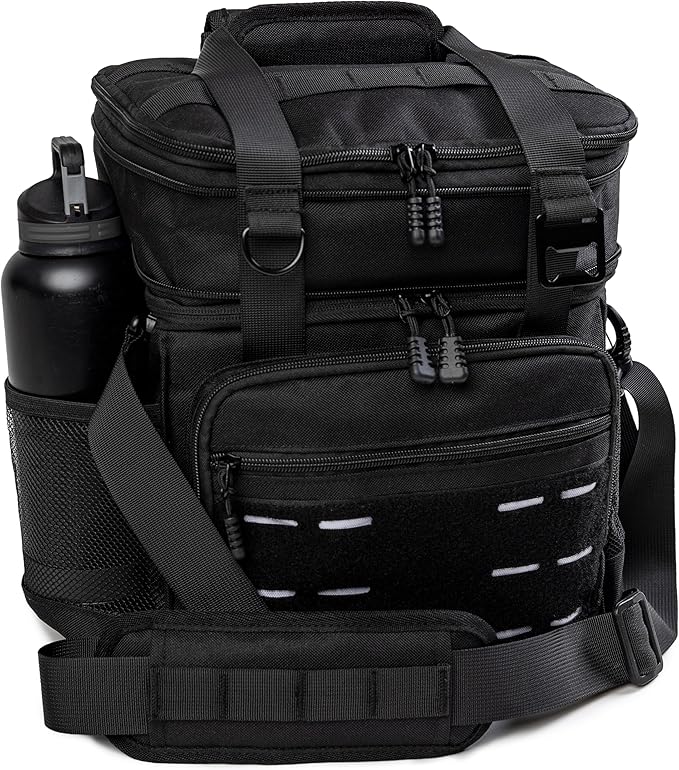
“By choosing ThinkFit, you’re supporting a US-based, family-owned small business backed by the SBA. 4.7 stars from 4,653 Amazon reviews signal consistent reliability.”
See Today’s Price →What we like
- Insulated carry bag keeps cold meals at safe temperature for 6+ hours between morning prep and lunchtime
- Multiple interior compartments separate snacks, dressings, and mains without separate bags
- Shoulder strap and handle offer two carry options for commuters and gym-goers
Watch out for
- Carry bag requires separate containers inside — not a standalone food storage solution
- Insulation performance depends on pre-chilling with an ice pack — no ice pack included in the kit
Read Full Analysis
Best Lunch Box at $29.95 on the how-to-start-meal-prep-for-beginners-2026, the ThinkFit Insulated Meal Prep Lunch Box solves the transport problem that every beginner meal prepper encounters after a successful batch: how to carry portioned meals without leaking, temperature loss, or a disorganized bag. The insulated carry bag maintains cold meal temperatures for 6+ hours, covering the gap between morning departure and lunchtime without requiring ice packs. Multiple interior compartments keep snacks, dressings, and mains separated so the bag arrives at the destination as organized as it was packed. At $29.95, ThinkFit is the most expensive single item on this page versus the Stack Man containers and Whysko mixing bowls at $29.99 each -- but it addresses the transport phase that those two products do not cover, making it a complement rather than a competitor to them. Beginners should note the bag requires separate lidded containers inside -- it is not a standalone food storage solution -- so pairing it with the PrepNaturals glass containers or Stack Man set at rank 1 completes the system.
“Stainless steel mixing bowl set with lids for marinating, tossing, and storing prepped ingredients — the Whysko for cooks who prep large volumes where plastic bowls flex and tip. Nesting design…”
See Today’s Price →What we like
- Stainless steel bowls nest compactly — multiple bowls store in less space than flat-bottom containers
- Non-reactive surface is safe for marinating proteins in acidic ingredients without metallic flavor transfer
- Measurement markings inside each bowl reduce the need for separate measuring cups during prep sessions
Watch out for
- Mixing bowls are preparation tools, not storage containers — cannot replace lidded meal prep boxes for portioning
- No lids included — prepped ingredients cannot be stored in the refrigerator without adding plastic wrap
Read Full Analysis
The Whysko Stainless Steel Mixing Bowls provide a non-reactive surface for the active prep phase — safe for marinating proteins in citrus, vinegar, or wine-based acidic ingredients without metallic flavor transfer that reactive metals can produce. Measurement markings inside each bowl reduce the need for separate measuring cups during active meal prep sessions. The nesting design stacks the full set in the footprint of a single bowl for compact storage, and included lids convert the bowls to temporary refrigerator storage between prep stages. At $26.99 on a meal prep beginners guide, the Whysko Mixing Bowls address the preparation phase rather than the storage-and-portioning phase. The PrepNaturals glass set ($26.99, rank 1) covers portioned container storage; the ThinkFit lunch bag ($39.85) handles insulated transport. The Whysko handles the mixing, marinating, and tossing that happens before food moves into containers — the step where stainless non-reactivity and large-volume capacity matter most. Stainless construction handles large batch volumes without the flexing or tipping that smaller plastic bowls exhibit under weight. Right for meal preppers working with large volumes who marinate proteins in acidic ingredients and want a durable, stackable mixing set that won't react with the food. Skip it if you need portioned individual containers for daily lunches — the PrepNaturals glass set or ThinkFit on this page address that storage-and-transport use case more directly.
Frequently Asked Questions
How many days ahead can I safely meal prep?
What containers are best for meal prep?
How do I prevent meal prep from getting boring?
Is meal prepping actually cheaper than cooking daily?
How long does meal-prepped food stay safe in the refrigerator?
How We Analyze Products
We analyze Amazon review data — often thousands of reviews per product — to surface patterns that individual buyers miss. Our process aggregates star ratings, review counts, and buyer sentiment at scale, identifying which strengths and weaknesses appear consistently across the largest review samples available. The 65,718+ reviews analyzed on this page represent real verified-purchase feedback from Amazon buyers.
Each product earned its placement through data: total review volume, average rating, and the specific praise and complaints that repeat most often across buyers. No manufacturer paid for placement on this page. Products appear here because buyers endorsed them at scale, not because a company asked us to feature them.
We use AI to summarize review sentiment — not to fabricate opinions, but to condense what thousands of buyers actually wrote into a readable format. The pros and cons you see reflect the most common themes found in verified purchaser reviews, paraphrased for clarity. We do not claim to have accessed Reddit, YouTube, or specific publications in generating these summaries.
Prices shown reflect Amazon pricing at the time this page was last generated. Click “See Today’s Price” to get the current live price on Amazon. Read our full methodology →