Kitchen Knives Explained: Types, Steel, and What You Actually Need
The Etekcity Stainless Steel Kitchen Scale ($10.97) is the top-ranked kitchen essential — precise to 1g with a tare function that handles bowl-to-bowl transfers, and the slim stainless platform cleans in seconds without absorbing odors from raw ingredients.
At a Glance

Kitchen Knives Explained Buying Guide
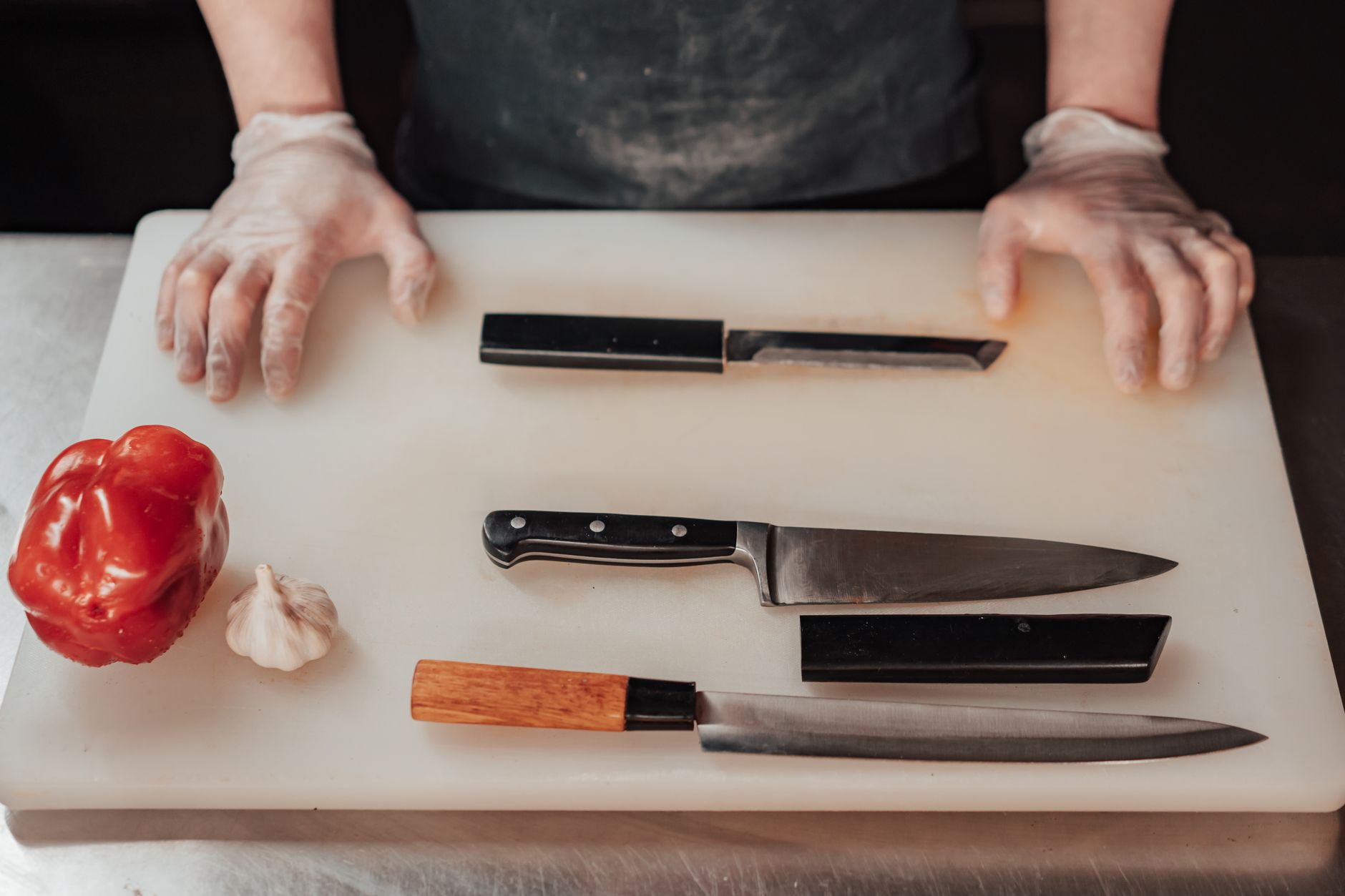 Photo by Mikhail Nilov / Pexels
Walk into any kitchen store and you will find 50-piece knife sets, $400 Japanese single-bevel blades, and ceramic options that promise to stay sharp forever. Most of it is noise. Professional chefs typically work with two or three knives they have been using for years. Understanding what knife types actually do — and what the marketing terminology means — makes the decision straightforward.
The Problem with How Most People Buy Knives
How we picked these. We compared 3 kitchen tools and appliances across build quality, cooking performance, ease of use, and durability, cross-referencing expert reviews from Wirecutter, Serious Eats, and America's Test Kitchen and verified buyer feedback.
The most common knife-buying mistake is the knife block set. A 15-piece block set for $150 gives you 15 knives at $10 each — which means every knife is either low-quality steel, thin gauge that bends, or both. The bread knife in a budget block set is worse than a dedicated $30 serrated bread knife. The kitchen shears are weaker than a $12 pair of kitchen shears. The carving fork you will use twice a year takes up space that a good chef's knife should occupy.

The better approach: buy individual knives at appropriate price points for the tasks you actually do. This guide tells you which knife does what, what the steel difference means in real use, and what to spend at each tier to get a knife that performs for a decade.
The American Culinary Federation's knife skills curriculum identifies the chef's knife, paring knife, and bread knife as the three essential cuts that cover professional prep work. Everything else — slicers, boning knives, santoku, nakiri — are specialty tools for specific tasks.
The Essential Knives and What Each Actually Does
These are the six knives worth understanding. The first three are the ones most people need.


Chef's knife (8-inch is standard): The workhorse. Rocks through herbs, pushes through dense vegetables, slices proteins, and minces alliums. The broad blade lets you scoop cut ingredients off the board. This is the knife worth spending money on — quality here pays dividends on every meal. See our best chef's knife guide for the top picks at every price tier, from the Victorinox Fibrox at $40 to the MAC Professional at $165.
Paring knife (3–4 inch): Detail work that's impractical with a large blade: peeling, deveining shrimp, trimming strawberries, segmenting citrus, and any cut where the food is held in the hand rather than on the board. You don't need to spend much here — a $15–$25 Victorinox or Wüsthof paring knife does everything a $75 one does.
Bread knife (serrated, 9–10 inch): The one specialty knife that's genuinely irreplaceable. A serrated blade saws through crusty bread without crushing it — no straight-edge blade, regardless of sharpness, can do this as well. Also excels at slicing tomatoes (the serration grabs the skin), citrus, and cakes. One bread knife lasts a lifetime; most home cooks never need to sharpen one. See our serrated knife options for recommendations.
Santoku (5–7 inch Japanese-style): A flatter blade profile designed for the up-and-down chopping motion (versus the rocking motion a chef's knife is built for). Excellent for thin-slicing vegetables and proteins. The Granton edge (oval divots along the blade) reduces food sticking. Santoku vs. chef's knife is largely a motion-preference decision, not a capability difference. If you already own a good chef's knife, a santoku is a "nice to have."
Boning knife (flexible or stiff, 6-inch): For separating meat from bone, breaking down chicken, and working around joints. The flexibility allows the blade to follow bone contours. Unless you regularly break down whole chickens or butcher sub-primal cuts, this is a specialty tool. Worth having if you do; irrelevant if you don't.
Nakiri (Japanese vegetable knife, 6–7 inch): A flat-profiled, thin-bladed knife optimized for push-cutting vegetables — no rocking, just straight down through the board. Superior to any other knife for very precise vegetable prep (julienne, brunoise, paper-thin slices). A specialized tool for enthusiasts; the chef's knife covers the same territory less elegantly.
German Steel vs. Japanese Steel: What the Difference Actually Means
The German vs. Japanese knife debate is the most discussed topic in home knife-buying and the one with the most marketing distortion. Here is what the difference means in practical kitchen use.
German knives (Wüsthof, Henckels, Victorinox) use softer stainless steel (typically 58–60 HRC on the Rockwell hardness scale) with a 15–20 degree edge bevel on each side. Softer steel is tougher — it flexes rather than chips when it hits something hard. German knives require less careful handling: they tolerate contact with bones, hard squash, or the occasional accidental metal-on-metal moment. They dull more quickly than harder Japanese steel, but they're also easier to resharpen at home with a standard whetstone or honing steel. Our vegetable knife guide includes several German options that perform well for everyday prep.
Japanese knives (Shun, Global, MAC, Tojiro) use harder steel (61–66 HRC) with a finer, thinner edge bevel (10–15 degrees each side, sometimes single-bevel). Harder steel takes and holds a sharper edge — a quality Japanese knife can be sharpened to a keenness that a German knife cannot match. The tradeoff: hard steel is more brittle. Japanese knives chip when they hit bone, flex under lateral pressure, or are used improperly (chopping through frozen food, for instance). They also require more skill and care to resharpen — a coarse whetstone that's adequate for German steel can damage a high-hardness Japanese blade. See our detailed chef's knife comparison for side-by-side German vs. Japanese options at matching price points.
The practical answer for most home cooks: German steel if you want something durable and maintenance-friendly that will last for decades with minimal care. Japanese steel if you want maximum sharpness, are willing to be careful with the blade, and are prepared to learn proper whetstone sharpening (or pay for professional sharpening periodically). For families with kids in the kitchen or anyone who occasionally does heavy-duty cutting, German steel's toughness is the more practical choice.
The steel grades to know: VG-10 is the most common high-quality Japanese stainless steel — used in Shun Classic and many MAC knives. AUS-10 is similar. X50CrMoV15 is the standard German stainless alloy used by Wüsthof and Victorinox. High-carbon steel (without "stainless") takes the best edge of all but requires drying after every use to prevent rust — a maintenance demand most home cooks find impractical. Our detailed German vs Japanese knife guide covers the steel specifications in depth.
Watch Before You Buy

Our Picks
Etekcity Food Kitchen Scale Stainless Steel — $10 See Price →
Kitchen Mama Auto Electric Can Opener One Touch Automatic Battery Operated — $23 See Price →
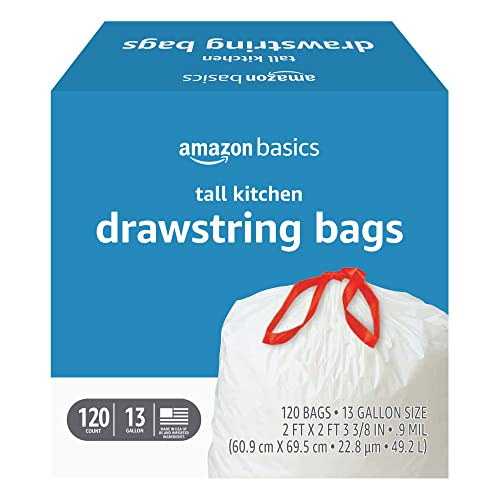
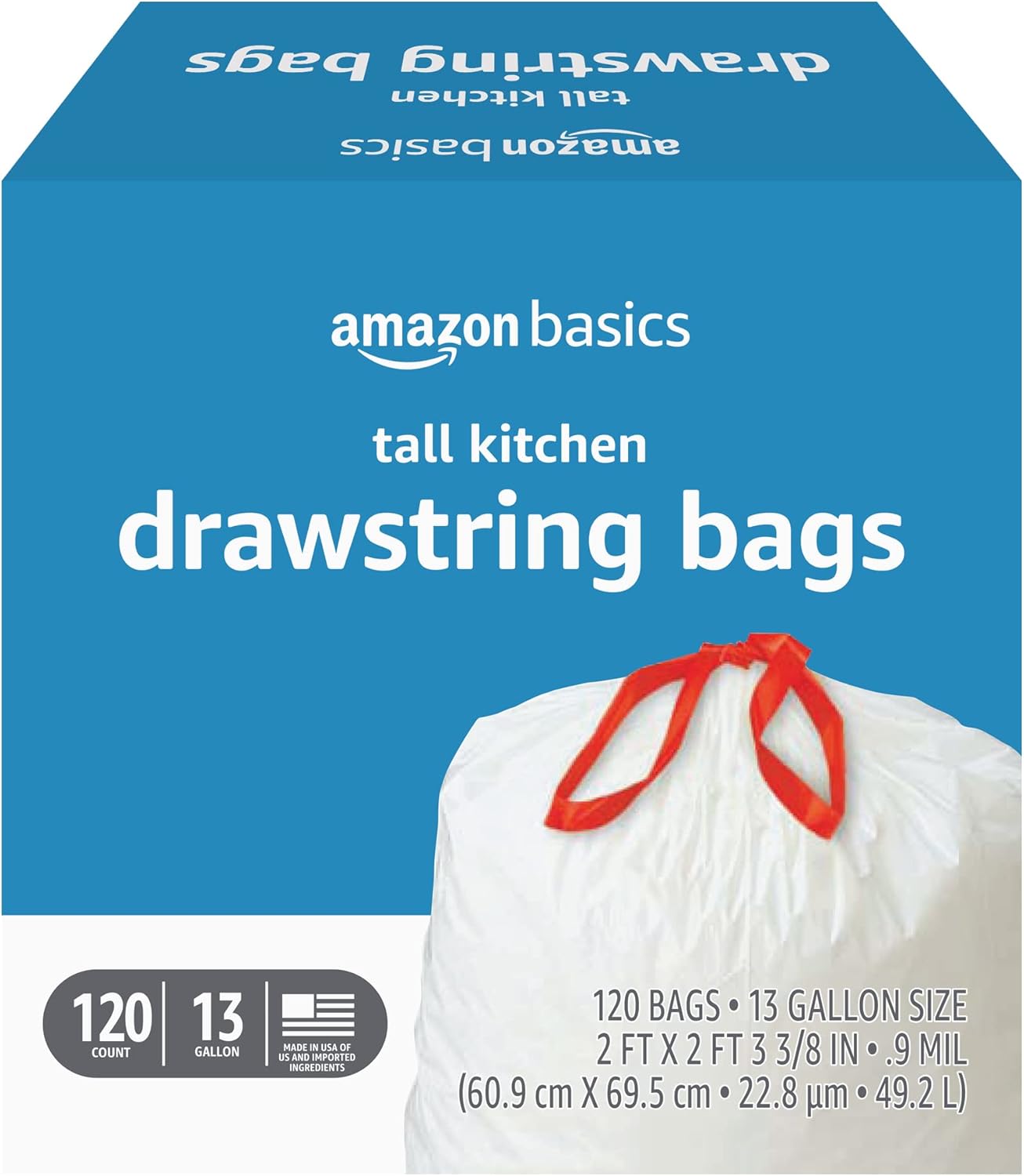
Amazon Basics Tall Kitchen Drawstring Trash Bags 13 Gallon Unscented 120 Count — $17 See Price →
Showing 3 of 3 products
Etekcity Food Kitchen Scale Stainless Steel
“Etekcity budget kitchen scale — reliable and affordable for everyday portion control.”
See Today’s Price →What we like
- Very affordable
- 5kg capacity
- Tare function
- Stainless steel platform
Watch out for
- Basic precision (2g)
- Smaller platform
- No pull-out display
Kitchen Mama Auto Electric Can Opener One Touch Automatic Battery Operated
“The best can opener for people with arthritis or limited hand strength. Kitchen Mama's one-touch automatic design requires zero grip - just press the button and it walks itself around the can. Smooth ”
See Today’s Price →What we like
- Fully hands-free - just press button and it opens the can automatically
- Smooth edge cutting - no sharp edges
- Battery operated - no cord, works anywhere in the kitchen
- Works on all standard can sizes
- Affordable and easy to use
Watch out for
- Requires AA batteries - ongoing cost
- Slower than countertop corded models
Amazon Basics Tall Kitchen Drawstring Trash Bags 13 Gallon Unscented 120 Count
“A budget-friendly 120-count trash bag pack for households that prioritize value. Best for light to moderate kitchen waste where premium puncture resistance is not needed.”
See Today’s Price →What we like
- 13 gal
- 120-count
- Unscented
- Drawstring tie closure
Watch out for
- Thinner construction than premium brands
- Drawstring less reinforced than competitors
- No scented option for odor control
Frequently Asked Questions
What type of kitchen knife should I buy first?
What is the difference between German and Japanese kitchen knives?
What does knife steel hardness (HRC) actually mean?
Do I need to buy a knife sharpener?
What cutting board material is safest for knives?
How We Analyze Products
We analyze Amazon review data — often thousands of reviews per product — to surface patterns that individual buyers miss. Our process aggregates star ratings, review counts, and buyer sentiment at scale, identifying which strengths and weaknesses appear consistently across the largest review samples available. The 361,419+ reviews analyzed on this page represent real verified-purchase feedback from Amazon buyers.
Each product earned its placement through data: total review volume, average rating, and the specific praise and complaints that repeat most often across buyers. No manufacturer paid for placement on this page. Products appear here because buyers endorsed them at scale, not because a company asked us to feature them.
We use AI to summarize review sentiment — not to fabricate opinions, but to condense what thousands of buyers actually wrote into a readable format. The pros and cons you see reflect the most common themes found in verified purchaser reviews, paraphrased for clarity. We do not claim to have accessed Reddit, YouTube, or specific publications in generating these summaries.
Prices shown reflect Amazon pricing at the time this page was last generated. Click “See Today’s Price” to get the current live price on Amazon. Read our full methodology →