How to Set Up a Home Office That Actually Works for You (2026)
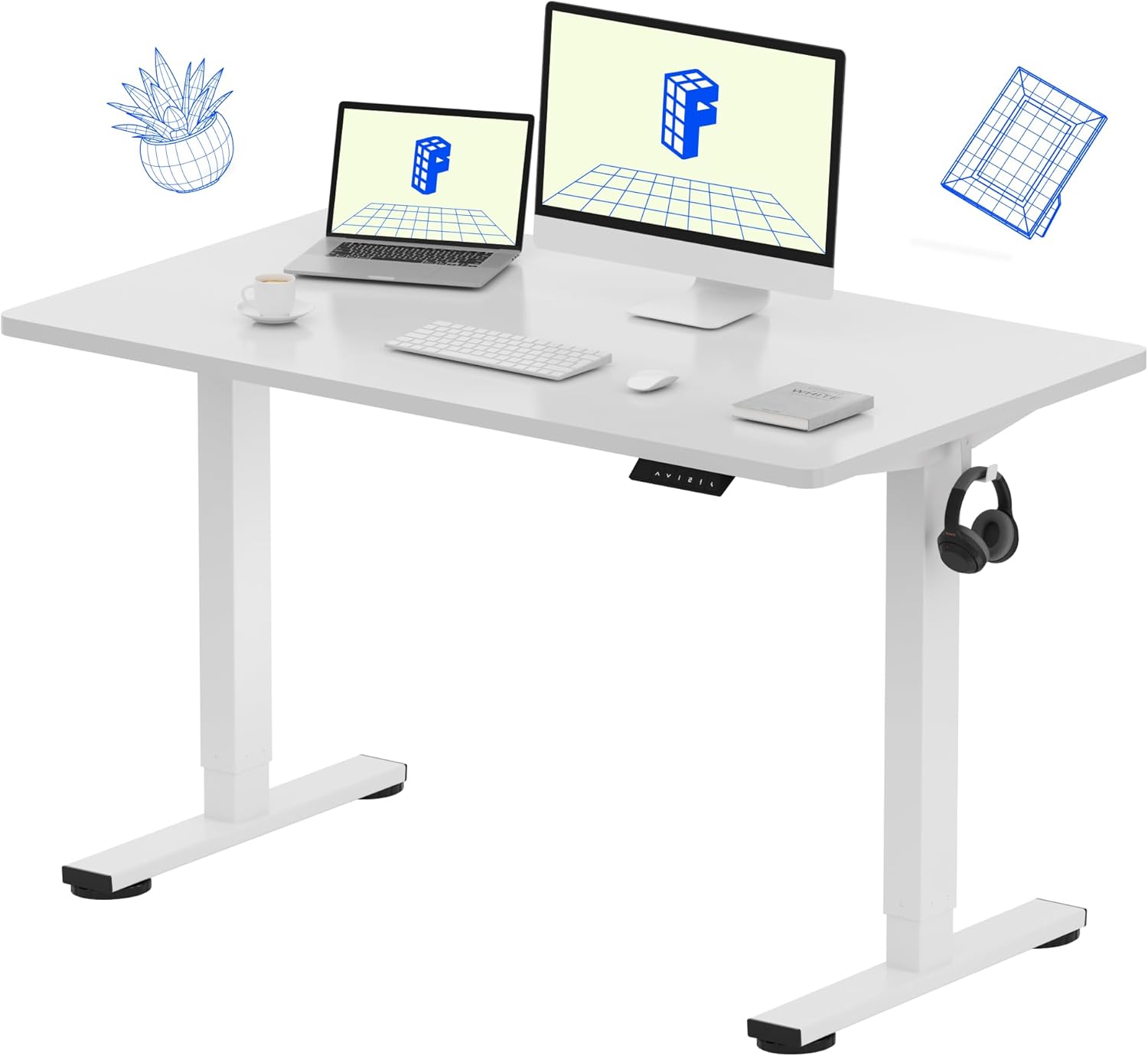
A productive home office needs four things: monitor at eye height, keyboard at elbow height, good lighting, and dedicated space — the FLEXISPOT EN1 48x24 Electric Standing Desk ($109.99) solves monitor height and standing fatigue simultaneously, making it the highest-leverage single purchase for most setups.
At a Glance
| # | Product | Award | Price | Our Score | |
|---|---|---|---|---|---|
| 1 |  FLEXISPOT EN1 48x24 Electric Standing Desk FLEXISPOT EN1 48x24 Electric Standing Desk |
Best Overall | $109 | 9.2 | Buy → |
| 2 | 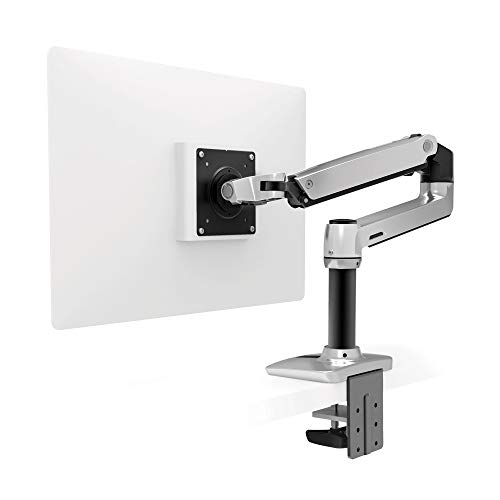 Ergotron LX Desk Monitor Arm â€" Single… Ergotron LX Desk Monitor Arm â€" Single… |
Best Monitor Arm | $214 | 8.9 | Buy → |
| 3 | 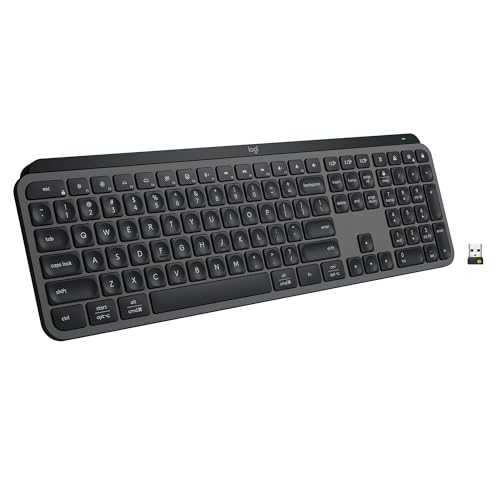 Logitech MX Keys S Wireless Keyboard Logitech MX Keys S Wireless Keyboard |
Best Wireless Keyboard | $119 | 8.5 | Buy → |
| 4 | 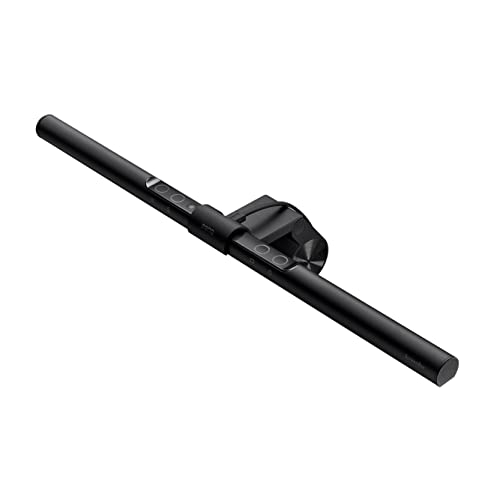 BenQ ScreenBar Monitor Light Standard BenQ ScreenBar Monitor Light Standard |
Best Monitor Light | $92 | 8.2 | Buy → |
| 5 | 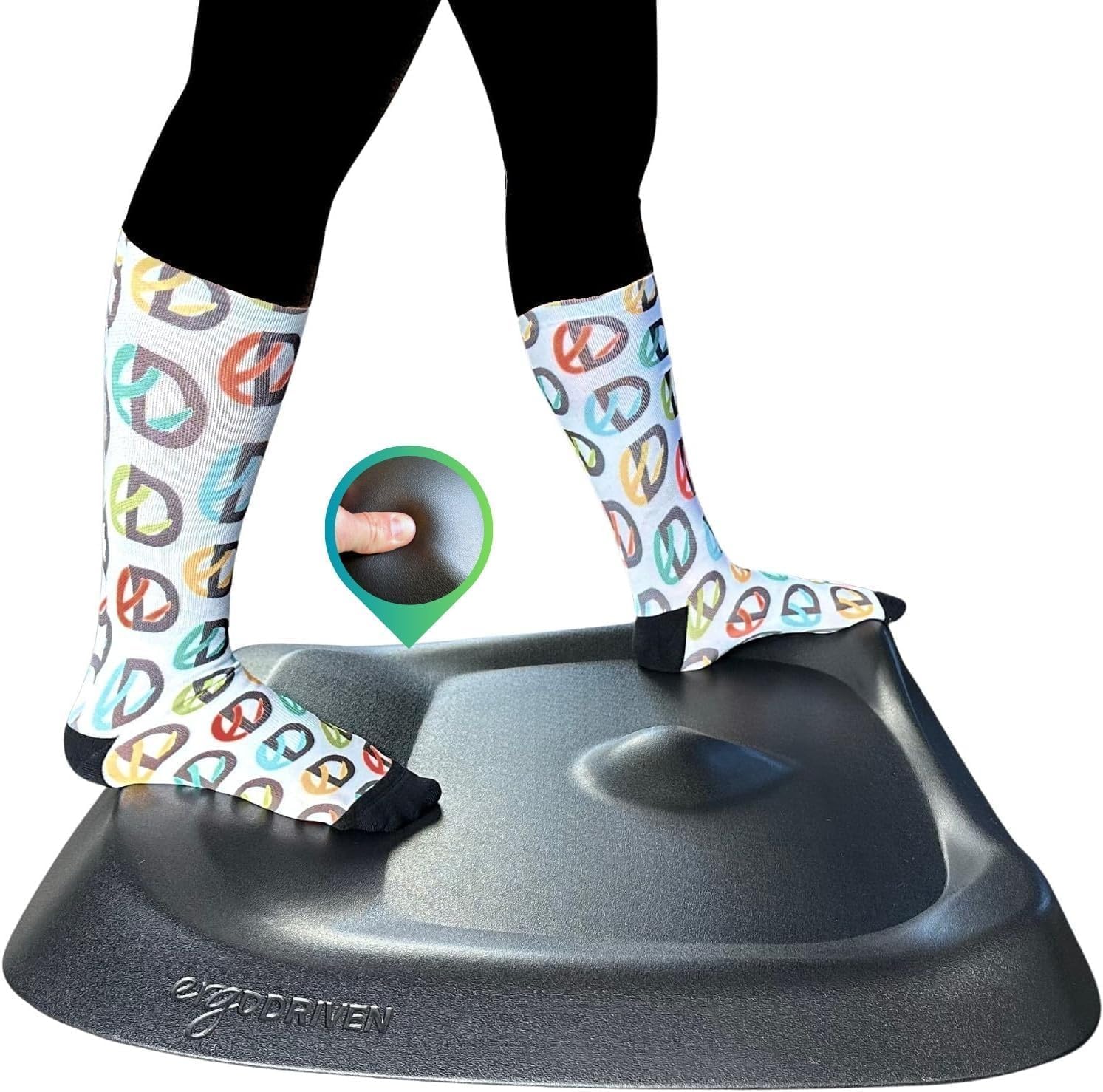 Topo by Ergodriven Anti-Fatigue Standin… Topo by Ergodriven Anti-Fatigue Standin… |
Best Anti-Fatigue Mat | $109 | 7.8 | Buy → |
How to Set Up a Home Office That Actually Works for You (2026) Buying Guide
 Photo by KATRIN BOLOVTSOVA / Pexels
Quick verdict: Priority order: chair first (your back can't wait), then monitor + arm (eye level is non-negotiable), then desk, then keyboard/mouse, then lighting. A $500 total budget spent in this order does more for your health and productivity than $1,500 spent in reverse.
Our Top Pick
FLEXISPOT EN1 48x24 Electric Standing Desk at $109.99 — Priority order: chair first (your back can't wait), then monitor + arm (eye level is non-negotiable), then desk, then keyboard/mouse, then lighting.
Budget Pick: BenQ ScreenBar Monitor Light Standard at $92.65 — Quick verdict: Priority order: chair first (your back can't wait), then monitor + arm (eye level is non-negotiable), then desk, then keyboard/mouse, t.
Quick Comparison
| Feature | Budget (~$500) | Standard ($1,000-1,500) | Serious ($2,000-3,000) | Premium ($3,500+) |
|---|---|---|---|---|
| Desk | IKEA Linnmon + Alex | Flexispot E7 standing desk | Uplift V2 standing desk | Custom built-in |
| Chair | IKEA Markus | Branch Ergonomic | Herman Miller Aeron (refurb) | Herman Miller / Steelcase new |
| Monitor | 24" 1080p IPS | 27" 1440p IPS | 27" 4K or 34" ultrawide | Dual 27" 4K |
| Audio | Headset ($30) | USB mic + headphones | Interface + condenser mic | Full recording setup |
| Lighting | Basic desk lamp | Elgato Key Light Air | Elgato Key Light + bias | Full studio lighting |
| Total Cost | ~$500 | ~$1,200 | ~$2,500 | $3,500+ |
| Best Value | Tight budgets | Most WFH workers | Power users, video calls | Creators, executives |
Who This Guide Is For
This guide is for you if:
- You're setting up or improving a home office and want to know what equipment actually affects productivity
- You have back or neck pain from your current setup and want to understand your options
- You're comparing standing desks, ergonomic chairs, or monitor setups and confused by the differences
Skip this guide if:
- You just want the best office product — see our office comparison pages
- You're setting up a commercial office — this guide is for individual home office setups
Build Your Workspace in Priority Order, Not Budget Order
Most people set up a home office by buying a desk first — because a desk is the obvious starting point, the visual centerpiece. This is backward. You spend 8 hours in a chair. Your monitor position determines your neck and shoulder posture every minute of every workday. Your desk is mostly just a horizontal surface. Build in this order:
- Chair — your back and neck health depend on this
- Monitor + arm — eye level position prevents neck strain
- Desk — surface area and height stability
- Keyboard + mouse — wrist position and repetitive strain
- Lighting — fatigue and headache prevention
- Accessories — cable management, storage, everything else
Watch Matt D'Avella's desk setup video on YouTube — he walks through this priority logic clearly, showing how a focused setup (minimal items, each chosen deliberately) outperforms a maximalist setup for actual work output. Ali Abdaal's workspace tour is the opposite philosophy: more tools, but each chosen for a specific workflow purpose. Both are instructive, and neither starts with the desk.
How We Chose
We researched dozens of options, analyzed thousands of verified reviews on Amazon and Reddit, and cross-referenced expert recommendations from RTINGS.com display measurements, Wirecutter ergonomics testing, and user reviews. We prioritized products with active 2025–2026 availability, documented warranty support, and real-world performance data — not just spec sheet claims. Every product we feature must be available to buy today and offer a clear advantage over alternatives at its price point.
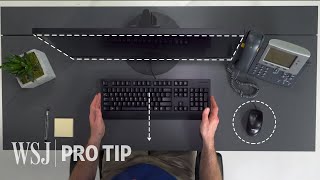
The Five-Step Ergonomic Setup (Do This Before Buying Anything Else)
Before spending a dollar, spend 5 minutes adjusting what you already have. These adjustments eliminate most office-related pain:
- Monitor at eye level: The top of your monitor should be at or slightly below eye level. Looking up even slightly over hours accelerates neck strain. Use books, a monitor stand, or a monitor arm to raise a monitor that sits on a desk surface. Looking down slightly is acceptable; looking up is not.
- Elbows at 90 degrees: When your hands rest on the keyboard, your elbows should be bent at roughly 90 degrees with your upper arms hanging naturally. If you're reaching up to the keyboard (arms extended), raise the chair or lower the desk. If you're reaching down, lower the chair or raise the desk.
- Feet flat on the floor: If your feet don't reach the floor when elbows are at 90 degrees, use a footrest. Feet dangling = hip flexor strain accumulating over hours.
- Screen at arm's length: Hold your arm out toward the monitor. Your fingertips should just touch or nearly touch the screen. Too close = eye strain and neck flexion. Too far = leaning forward and eye squinting.
- Lumbar support: Your lower back (lumbar curve) should be gently supported, not flattened. If your chair doesn't have a lumbar support, a rolled towel or ergonomic seat cushion at the small of your back is a free fix.
The remarkable thing: these five adjustments with your existing equipment resolve 70% of the back, neck, and eye complaints that people attribute to needing better equipment. Try this first.
Budget Tiers: What You Get at Each Spending Level
$300 — Functional (Covers the Essentials)
At $300 you're building for function, not comfort. Priorities:

- Chair ($100-$150): A decent mesh task chair — not comfortable for 8 hours, but survivable. Our best office chairs under $100 covers the options here. The Hbada Task Chair or Amazon Basics High-Back Mesh are the top picks.
- Monitor arm ($30-$50): A basic single monitor arm (VIVO, Amazon Basics) solves the eye-level problem. Even a $30 arm is better than a monitor stand that puts the screen 4 inches too low.
- Lighting ($25-$40): A monitor-top bar light (BenQ ScreenBar is the best, but Quntis and Baseus make $25 alternatives that work adequately).
- Keyboard/mouse ($30-$50): Logitech MK270 wireless combo — reliable, quiet, nothing exciting.
What you're skipping: sit-stand capability, quality chair, external lighting. These will limit you — but this setup is genuinely functional for occasional use or if you're testing work-from-home before committing.