Best Dog Food for German Shepherds 2026: Bloat Prevention, Joint
Purina Pro Plan Large Breed Adult Shredded Blend is the best dog food for most German shepherds -- veterinarian-recommended with research backing, live probiotics for digestive support, adequate glucosamine, and a protein-to-fat ratio appropriate for active large breeds. Always feed in two meals per day (not one) to reduce bloat risk.
At a Glance
| # | Product | Award | Price | Our Score | |
|---|---|---|---|---|---|
| 1 | 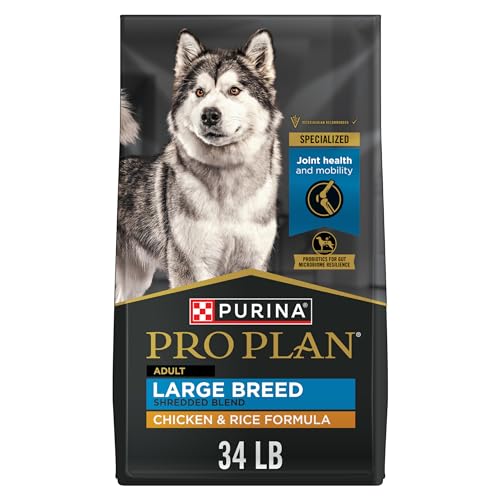 Purina Pro Plan Large Breed Adult Shred… Purina Pro Plan Large Breed Adult Shred… |
Best Overall | $77 | 9.2 | Buy → |
| 2 | 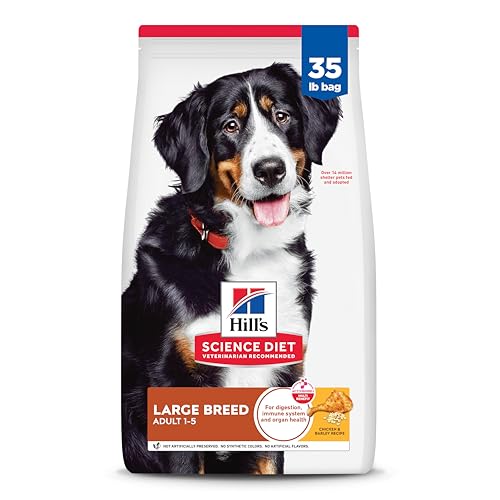 Hill's Science Diet Large Breed Adult 1… Hill's Science Diet Large Breed Adult 1… |
Best Vet Brand | $86 | 8.9 | Buy → |
| 3 | 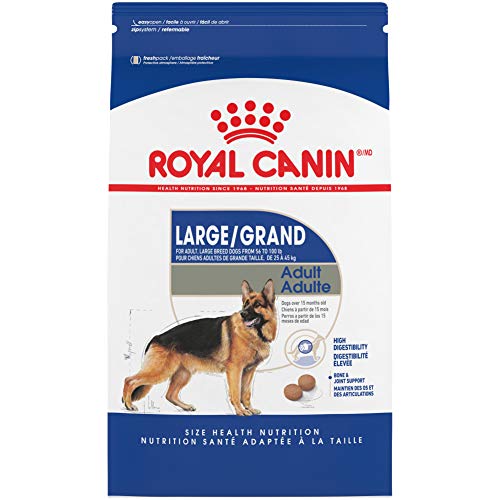 Royal Canin Large Breed Adult Dry Dog Food Royal Canin Large Breed Adult Dry Dog Food |
Best Breed Balance | $21 | 8.5 | Buy → |
| 4 | 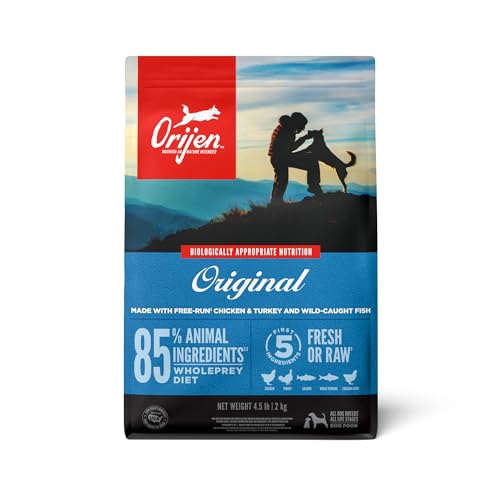 ORIJEN Original Dry Dog Food ORIJEN Original Dry Dog Food |
Best High-Protein Option | $35 | 8.2 | Buy → |
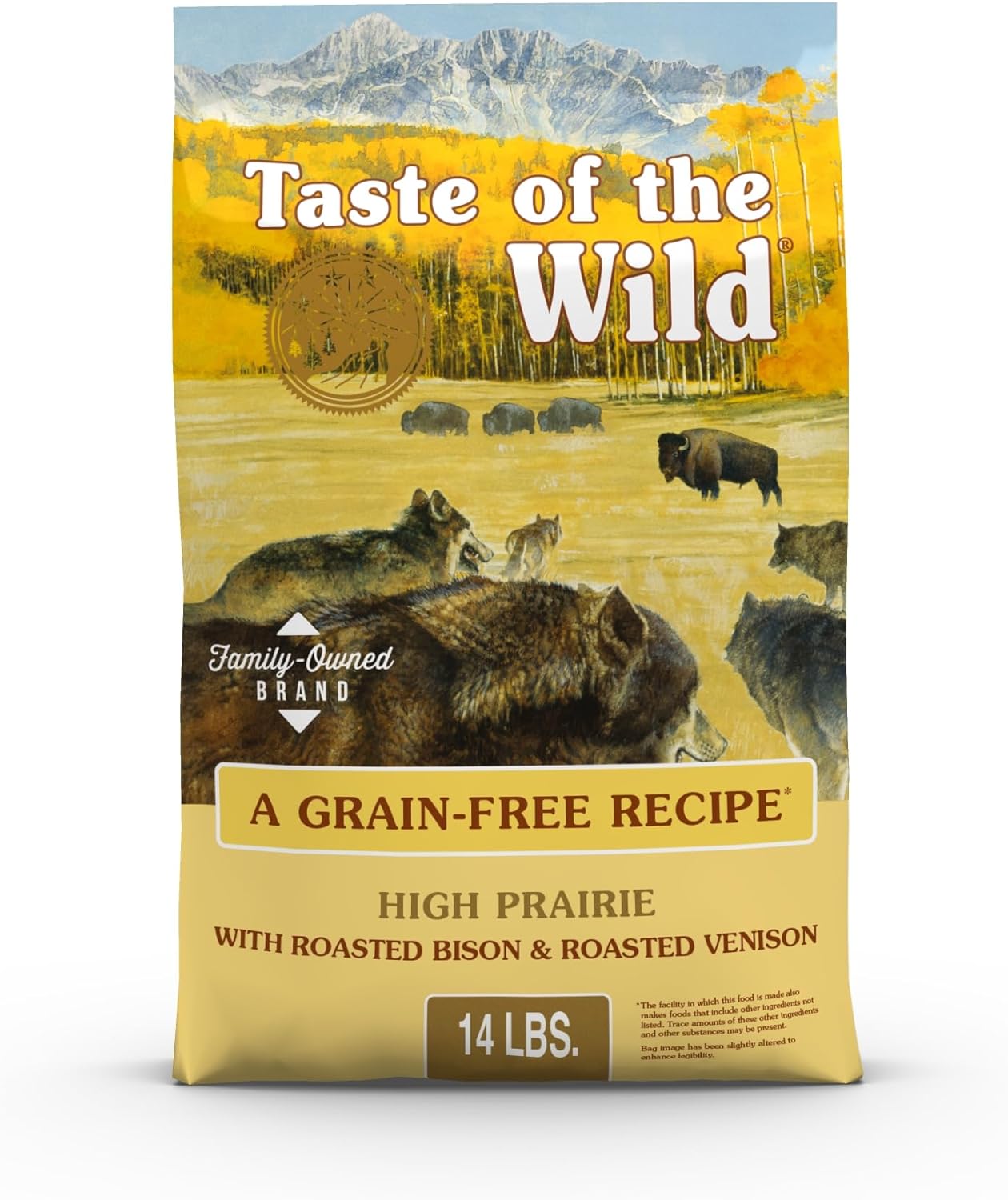
| 5 | 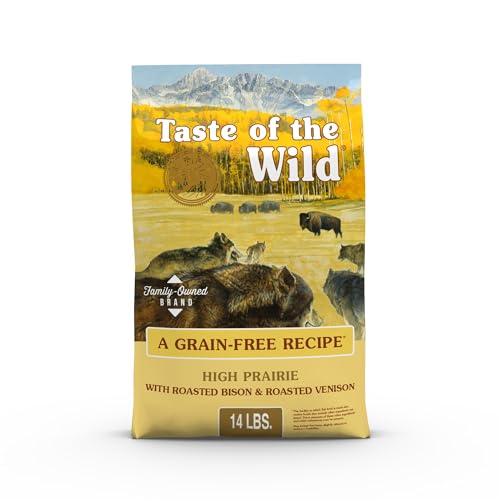 Taste of the Wild High Prairie Grain-Fr… Taste of the Wild High Prairie Grain-Fr… |
Best Sensitive Stomach Option | $38 | 7.8 | Buy → |
Dog Food for German Shepherds Buying Guide
 Photo by Irina Solianyk / Pexels
| Best For |
Standard adult GSDs in typical households |
GSDs over 7, showing stiffness or slowing |
||
| Protein Level | ||||
| Calorie Density | ||||
| Joint Additives |
Beneficial — high activity stresses joints |
|||
| Key Watch-Out | ||||
| Our Pick For |
Quick Verdict: Our top pick is the Purina Pro Plan Large Breed Adult Shredded Blend Chicken & Rice (Top Pick) — Purina Pro Plan Large Breed Adult Shredded Blend -- vet-recommended with live probiotics (Lactobacillus acidophilus) .... Priced at $77.48.
Budget Pick: The Royal Canin Large Breed Adult Dry Dog Food at $21.90 — Royal Canin Large Breed Adult uses adapted fiber and digestive support appropriate for large breeds.
This guide is for you if:
-
Your dog has specific dietary needs — allergies, joint issues, kidney disease, or age-related changes
-
You want to understand ingredient quality and label claims before switching to a premium diet
-
Your vet recommended a dietary change and you want to understand your options
Skip this guide if:
-
You just want a quick pick — see our top dog food picks
-
Your dog has a serious diagnosed condition — those require direct vet guidance
Quick verdict: Purina Pro Plan Large Breed Adult Shredded Blend is the best dog food for most German shepherds -- veterinarian-recommended with research backing, live probiotics for digestive support, adequate glucosamine, and a protein-to-fat ratio appropriate for active large breeds. Always feed in two meals per day (not one) to reduce bloat risk.
German shepherds are the second most popular dog breed in the United States -- and among the most nutritionally complex. They combine a large, muscular frame with unusual digestive sensitivity, a high predisposition to bloat, and specific joint vulnerabilities that demand more from their diet than most large-breed formulas address.Our Top Pick: Purina Pro Plan Large Breed Adult Shredded Blend Chicken & Rice
Adult German shepherds weigh 50-90 pounds, with males typically 65-90 lbs and females 50-70 lbs. They are athletic, high-drive dogs with higher caloric needs per pound of body weight than similarly-sized calmer breeds. An active working German shepherd may need 1,700-2,200 kcal per day; a sedentary adult shepherd may need only 1,300-1,500 kcal.
Their double coat, athletic build, and historically working-dog heritage all point toward a food with higher protein (26-30% on a dry matter basis) and moderate to slightly elevated fat (14-18% DM). Standard large-breed formulas at 22-24% protein may be sufficient for maintenance, but most shepherds do better -- more muscle tone, better coat, more sustained energy -- at the higher end of the protein range.
The Bloat (GDV) Risk: How Diet Affects It
Gastric dilatation-volvulus (GDV) -- commonly called bloat -- is one of the most dangerous and time-sensitive emergencies in veterinary medicine. The stomach fills with gas, fluid, or food, then rotates on its axis, trapping contents and cutting off blood supply. Without surgery within hours, GDV is fatal.

German shepherds are among the top five most bloat-prone breeds, according to Purdue University's landmark bloat study. The risk factors that diet can influence:
Meal frequency: Feeding one large meal per day significantly increases bloat risk compared to two smaller meals. This is the single most important dietary modification for GSD owners. Always split the daily ration into a minimum of two meals.
Eating speed: Dogs that eat rapidly inhale more air, increasing gastric air accumulation. Slow-feeder bowls, puzzle feeders, or spreading food on a flat tray dramatically reduce eating rate. This simple change can halve the amount of air swallowed during a meal.
Timing of exercise: Exercise within one hour before or after eating is strongly associated with bloat risk. The general recommendation is to wait at least one hour after meals before vigorous exercise.
Water intake around meals: Large amounts of water consumed immediately after eating may contribute to bloat in some studies. Offering moderate water access (not unlimited) immediately post-meal is advised.
Kibble size: Very small kibble may cause dogs to eat faster. Standard or large kibble sizes can slow eating naturally.
Elevated food bowls: Once believed to reduce bloat risk, current evidence actually shows elevated bowls may slightly increase GDV risk in large breeds. This reversal surprises many GSD owners -- feed your shepherd from a floor-level bowl.
Fat content: Meals very high in fat take longer to empty from the stomach, potentially increasing bloat risk. Foods with moderate fat (14-18% DM) rather than very high fat (>20% DM) are preferred.
For Sensitive Stomachs: Hill's Science Diet Large Breed Adult 1-5 Dry Dog Food
German shepherds have higher rates of digestive sensitivity than most breeds. Two conditions are particularly relevant:
Exocrine Pancreatic Insufficiency (EPI): The pancreas fails to produce adequate digestive enzymes (lipase, protease, amylase), leading to chronic diarrhea, weight loss despite normal or increased appetite, and poor coat condition. EPI is significantly more common in German shepherds than in any other breed -- affecting an estimated 1-2% of GSDs versus far less than 0.1% in most breeds. Dogs with EPI require enzyme supplementation added to every meal; the diet itself should be highly digestible with moderate fat.
Inflammatory Bowel Disease (IBD) and food-responsive enteropathy: Many shepherds have chronic gastrointestinal sensitivity -- soft stools, intermittent vomiting, gas -- that responds to diet modification. Common dietary triggers include certain proteins (usually beef or chicken in sensitized dogs), excessive fat, and poorly digestible fiber sources.
Signs your GSD may have food-responsive GI issues:
-
Chronic loose stools despite no obvious illness
-
Frequent gas and borborygmus (gut sounds)
-
Occasional vomiting unrelated to eating speed
-
Poor coat quality despite adequate nutrition
If your shepherd shows these signs, an elimination diet trial (novel protein + single carbohydrate source for 8-12 weeks) is the diagnostic standard -- not simply trying different commercial foods every two weeks.