| Ingredient Type | Named By-Products (e.g. Chicken By-Products) | Generic By-Products (e.g. Poultry By-Products) | Chicken Meal | Whole Chicken |
|---|
| What It Contains | Organ meats, bone, blood — no feathers/hair/hooves | Same but from mixed unspecified birds | Rendered whole chicken — concentrated protein | Whole muscle meat + moisture (mostly water) |
| Protein Quality | Good (organs are nutrient-dense) | Acceptable | Excellent (30-65% protein after rendering) | Good but lower protein after cooking |
| Digestibility | High (liver, kidney, heart) | Moderate | High (rendered, consistent) | High (muscle meat) |
| Consumer Perception | Low (marketing problem) | Lower | Medium | High (preferred by buyers) |
| AAFCO Approved? | Yes | Yes | Yes | Yes |
| Verdict | Fine — often a positive addition | Acceptable, not ideal | Excellent protein source | Good but check meal as 2nd ingredient |
| Bottom Line | Chicken by-products are not inferior to whole chicken — organ meats are nutrient-dense. Chicken meal (2nd+ ingredient) is the best protein value. |
<
What By-Products Actually Are: The AAFCO — see our pet food label guide for how to interpret these standards Definition
AAFCO (the Association of American Feed Control Officials) defines "poultry by-products" as the non-rendered clean parts of slaughtered poultry — including heads, feet, and viscera (internal organs), but specifically excluding feathers except in unavoidable trace amounts. "Chicken by-products" follows the same definition for chicken specifically.
▶
9 Dog Foods To AVOID (And The 2 That Are Worth It)
The viscera — internal organs — include:
- Liver
- Kidneys
- Heart
- Lungs
- Spleen
- Gizzards
- Intestines (cleaned)
- Undeveloped eggs
The definition explicitly excludes feathers, hair, horns, hooves, teeth, and hide — the actual waste components of slaughter. When a bag of dog food says "no by-products," it's technically advertising the absence of organ meats. Whether that's a selling point depends entirely on your view of organ meat nutrition — and nutritionally, there's a strong case that removing organ meats makes a food worse, not better.
How We Chose
We researched dozens of options, analyzed thousands of verified reviews on Amazon and Reddit, and cross-referenced expert recommendations from AKC breed standards, veterinary journals, and verified Amazon owner reviews. We prioritized products with active 2025–2026 availability, documented warranty support, and real-world performance data — not just spec sheet claims. Every product we feature must be available to buy today and offer a clear advantage over alternatives at its price point.
Why Organ Meats Are Nutritionally Dense
In virtually every traditional food culture in the world, organ meats are prized — not discarded. Foie gras, liverwurst, pâté, haggis, menudo, pajata, kidney pie, sweetbreads, andouille sausage made with intestine, sushi with salmon roe — these are the dishes that command premium prices in restaurants and appear at celebratory meals. The Western preference for muscle meat over organ meats is historically recent and culturally specific. It is not a nutritional judgment.
Here is what the primary organ meats in by-products actually contain:
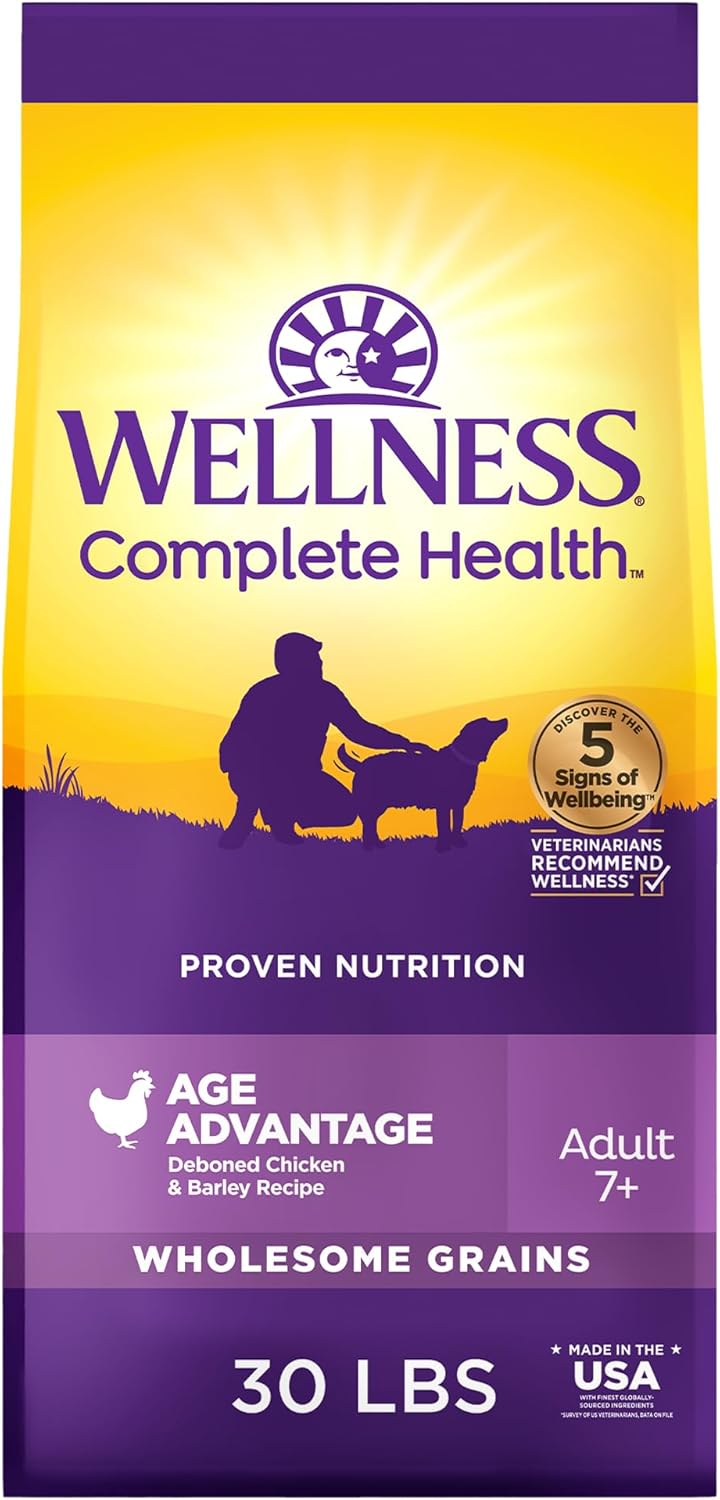
For Senior Dogs: Wellness Complete Health Senior Dry Dog Food
Liver is arguably the most nutrient-dense food in existence. It is:
- The richest dietary source of vitamin A — so rich that veterinary nutritionists cap liver at approximately 5% of a dog's homemade diet to prevent vitamin A toxicity
- Extraordinarily high in vitamin B12 — one ounce of beef liver provides roughly 988% of the human daily value
- Very high in riboflavin (B2), folate, iron, and copper
- High in quality, highly digestible protein
The concern about liver vitamin A toxicity in homemade diets actually demonstrates how potent it is — you have to be careful not to feed too much because it's too nutritious. That's not a characteristic of filler.
Our Picks
Purina Pro Plan Large Breed Adult Shredded Blend Chicken & Rice (Best Overall) — $77 See Price →
Hill's Science Diet Large Breed Adult 1-5 Dry Dog Food (Best Vet-Diet Standard) — $86 See Price →
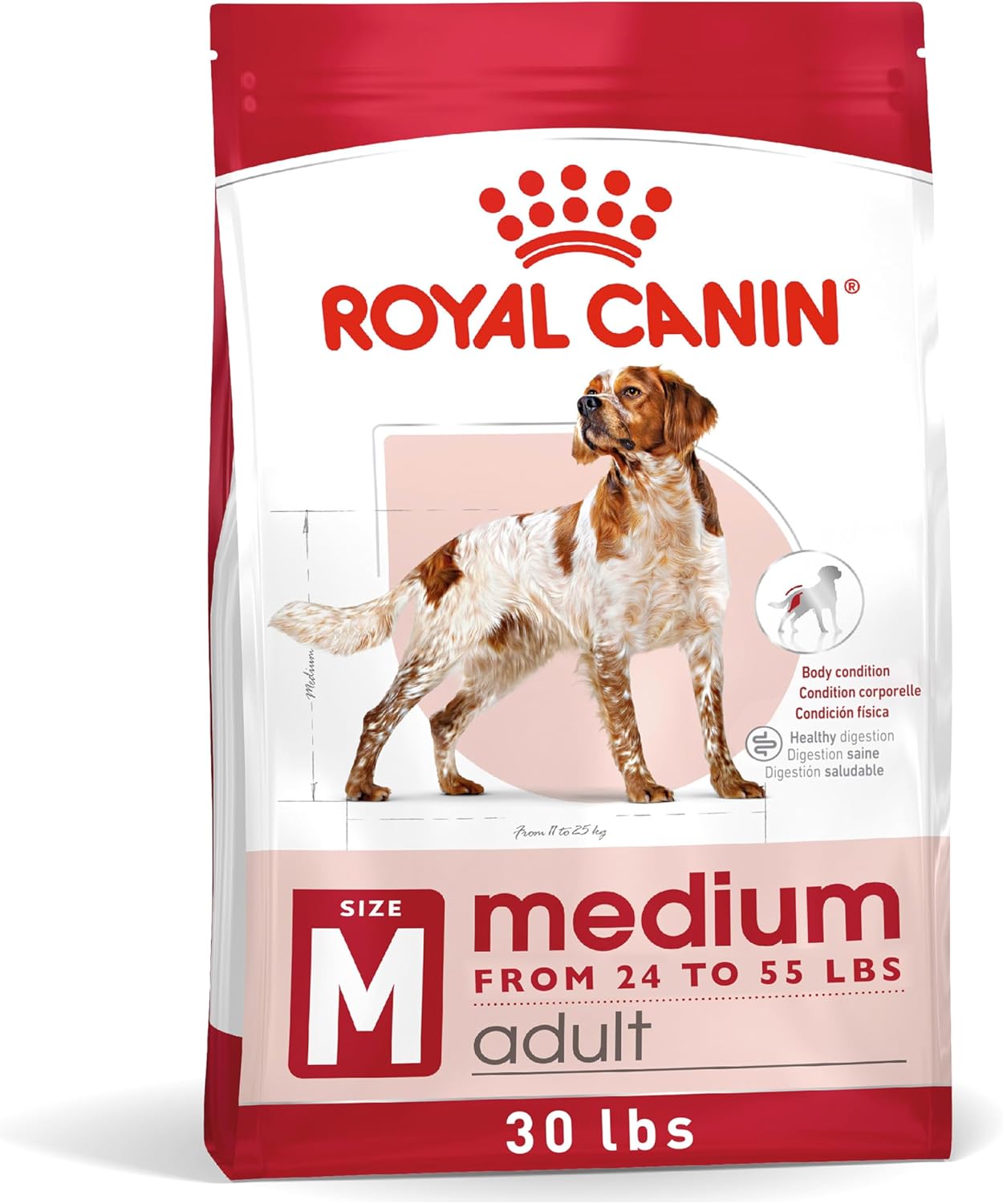
Royal Canin Size Health Nutrition Medium Adult Dry Dog Food (Best Breed-Specific Formula) — $99 See Price →
Wellness Complete Health Senior Dry Dog Food 30 lb (Best Senior Formula with Organs) — $69 See Price →
Frequently Asked Questions
Are by-products in dog food dangerous?
No. By-products are primarily organ meats — liver, heart, kidneys, gizzards, and lungs. AAFCO definitions explicitly exclude feathers, horns, hooves, and hair. Organ meats are highly nutritious and digestible. No research shows that dogs fed by-products have worse health outcomes than those fed muscle-meat-only formulas.
What exactly is in chicken by-product meal?
Chicken by-product meal is rendered and dried organ meats and secondary parts from chickens: liver, kidneys, heart, lungs, spleen, gizzards, feet, necks, and undeveloped eggs. By AAFCO definition, it excludes feathers except in unavoidable trace amounts.
Why do premium brands advertise no by-products?
The no-by-products marketing claim emerged in the 1980s–1990s as a premium positioning strategy, not a nutritional finding. It became self-reinforcing as more brands adopted it to signal premium status. The claim is about brand positioning, not about documented health benefits from avoiding organ meats.
Is liver in dog food good or bad?
Liver is one of the most nutrient-dense foods that exists — extremely high in vitamin A, B12, iron, copper, and folate. It is so nutritious that veterinary nutritionists cap it at about 5% of homemade diets to prevent vitamin A overconsumption. Its presence in by-products makes those by-products more nutritious, not less.
What is the difference between by-products and by-product meal?
By-products are the fresh, unprocessed organ meats and secondary parts — high in moisture, listed by pre-cooking weight. By-product meal is the same ingredients rendered and dried to approximately 10% moisture, creating a concentrated protein and nutrient source. Meal form contributes more protein per label weight.
Should I choose a dog food with no by-products?
Not necessarily. Veterinary nutritionists recommend evaluating brands based on whether they employ board-certified nutritionists, conduct AAFCO feeding trials, do independent safety testing, and publish peer-reviewed research — not on whether they use by-products. Several top vet-recommended brands use by-products in their formulas.
How We Analyze Products
We analyze Amazon review data — often thousands of reviews per product — to surface patterns
that individual buyers miss. Our process aggregates star ratings, review counts, and buyer
sentiment at scale, identifying which strengths and weaknesses appear consistently across
the largest review samples available. The 15,160+ reviews analyzed on this page represent real verified-purchase feedback from Amazon buyers.
Each product earned its placement through data: total review volume, average rating, and the
specific praise and complaints that repeat most often across buyers. No manufacturer paid for
placement on this page. Products appear here because buyers endorsed them at scale, not
because a company asked us to feature them.
We use AI to summarize review sentiment — not to fabricate opinions, but to condense what
thousands of buyers actually wrote into a readable format. The pros and cons you see reflect
the most common themes found in verified purchaser reviews, paraphrased for clarity. We do not
claim to have accessed Reddit, YouTube, or specific publications in generating these summaries.
Prices shown reflect Amazon pricing at the time this page was last generated. Click
“See Today’s Price” to get the current live price on Amazon.
Read our full methodology →
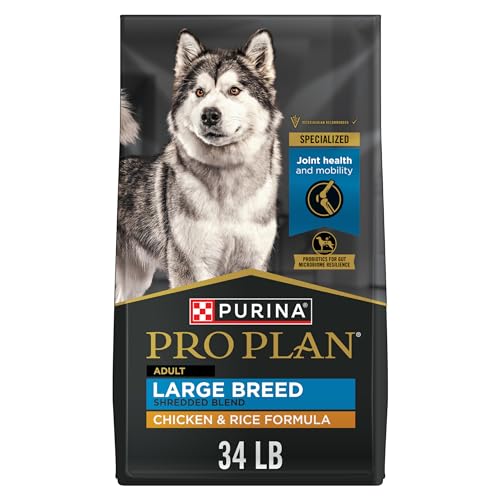 Purina Pro Plan Large Breed Adult Shred…
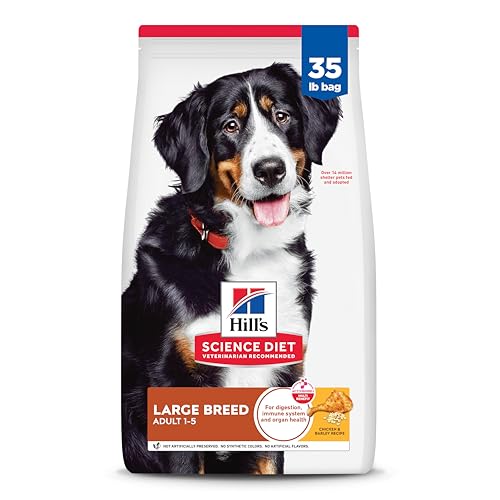 Hill's Science Diet Large Breed Adult 1…
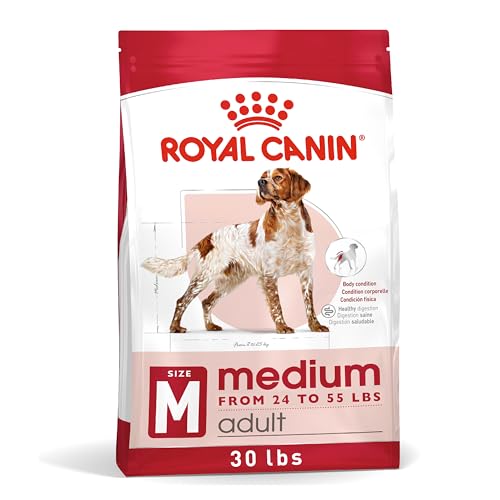 Royal Canin Size Health Nutrition Mediu…
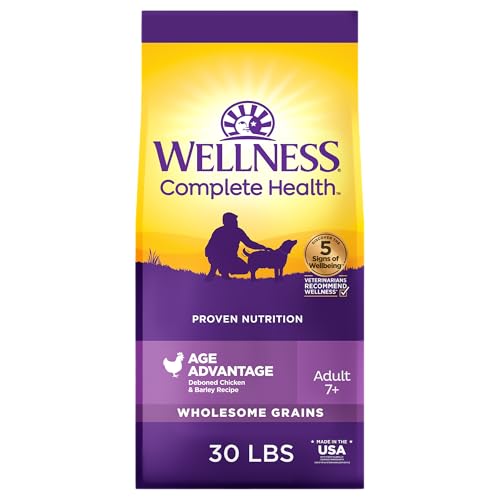 Wellness Complete Health Senior Dry Dog…
 Photo by Helena Lopes / Pexels