How to Prepare for a New Kitten (2026): Everything You Need
A new kitten needs 7 essentials from day one: litter box with clumping litter, food and water bowls, age-appropriate kitten food, a carrier for vet visits, a scratching post, safe toys, and a vet appointment in the first week. Budget $150-300 for the full initial setup.
At a Glance
| # | Product | Award | Price |
|---|---|---|---|
| 1 | Best Overall | $12.99 Buy → |
|
| 2 | 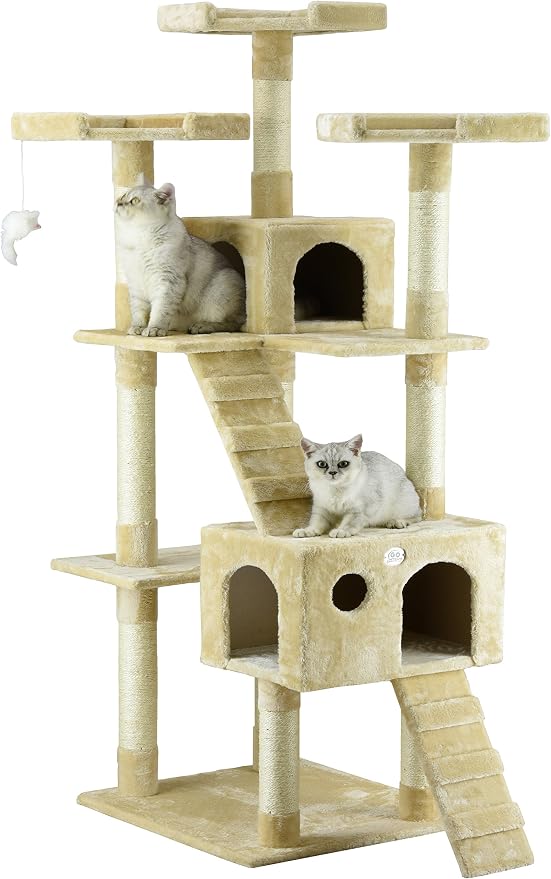 Go Pet Club 72" Tall Cat Tree Tow… Go Pet Club 72" Tall Cat Tree Tow…Go Pet Club |
Best Cat Tree | $116.99 Buy → |
| 3 | Best Flea Protection | $59.97 Buy → |


How to Prepare for a New Kitten (2026) Buying Guide
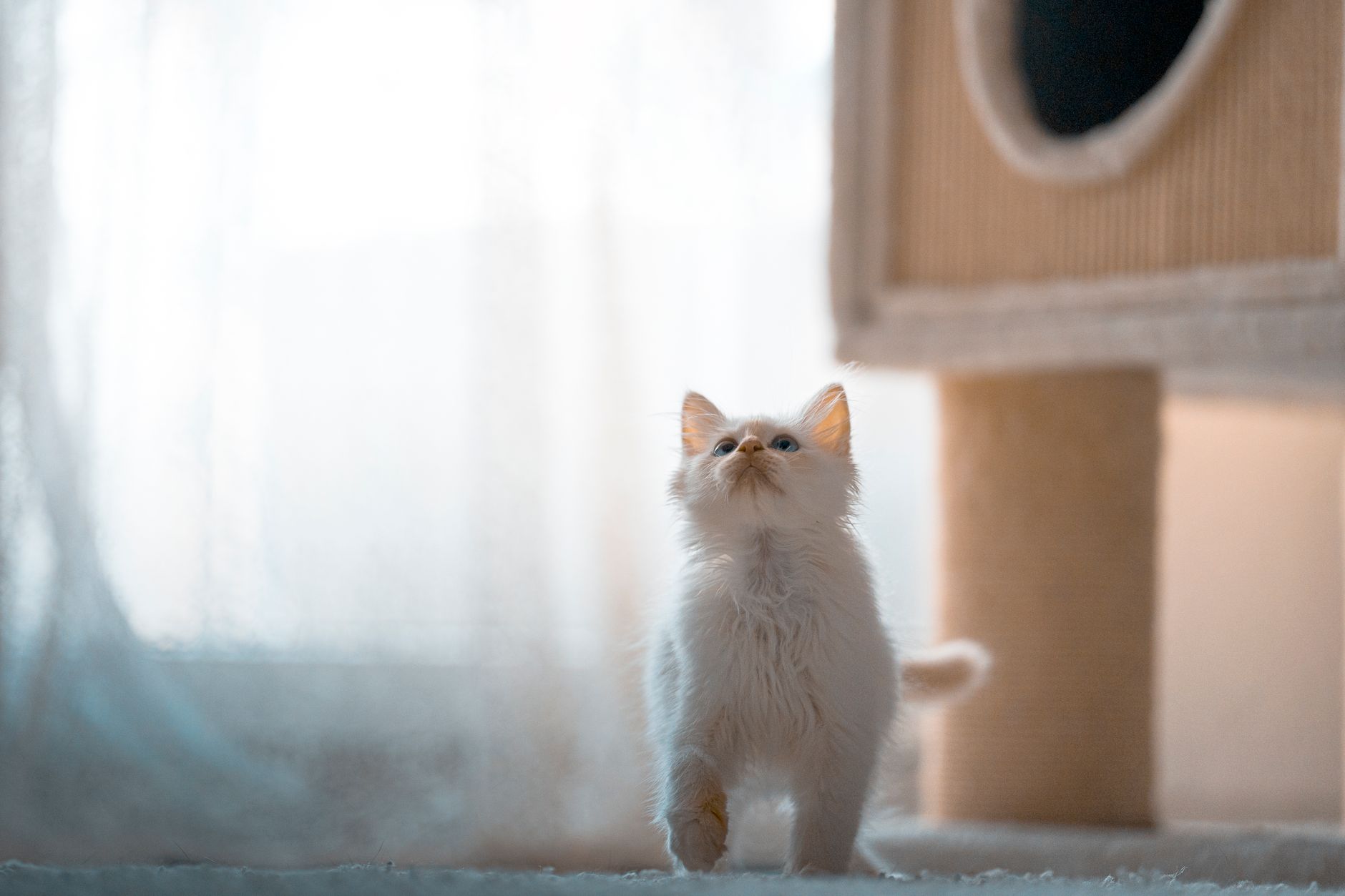 Photo by Omar Ramadan / Pexels
Quick Comparison
| Feature | Essentials Only ($150–300) | Well-Equipped ($300–600) | Premium Start ($600+) |
|---|---|---|---|
| Best For | Tight budgets, first-time cat owners | Most new kitten owners | Multiple cats or premium setup from day one |
| What's Included | Litter box, food/water bowls, carrier, basic toys, litter | Above + cat tree, bed, interactive toys, nail trimmers, grooming brush | Above + automatic litter box, microchip feeder, camera monitor, premium bed |
| Litter Box | Basic open-top box ($15–25) | Hooded box or top-entry ($30–60) | Self-cleaning automatic ($80–600) |
| Cat Tree | Not included | Basic 3-tier ($40–80) | Full cat furniture suite ($100–300) |
| Vet Setup Budget | Separate — budget $150–300 first year | Separate — budget $150–300 first year | Separate — budget $150–300 first year |
| Our Pick For | Single kitten, budget-conscious | Best value for most owners | Multi-cat households, tech adopters |
Quick verdict: Before your kitten arrives: litter box + litter, food + bowls, carrier, scratching post, and a vet appointment scheduled. Kitten-proofing is as important as the shopping list.
Our Top Pick
Petmate Open Cat Litter Pan at $18.99 — Before your kitten arrives: litter box + litter, food + bowls, carrier, scratching post, and a vet appointment scheduled.
Budget Pick: Seresto Flea & Tick Collar for Cats at $59.97 — Quick verdict: Before your kitten arrives: litter box + litter, food + bowls, carrier, scratching post, and a vet appointment scheduled.
Who This Guide Is For
This guide is for you if:
- You just got (or are about to get) a new puppy or kitten and need a complete supply list
- You want to know what's essential vs. optional so you don't waste money on gear you won't use
- You're preparing your home before the animal arrives and want to get it right the first time
Skip this guide if:
- You already have your supplies — jump to the YouTube section below for training guidance
- You're looking for breed-specific advice — this checklist applies across all breeds and sizes
Our Top Pick: Petmate Open Cat Litter Pan
🧺 Litter Box + Litter — $15–$50
The rules for kittens: one box per cat plus one extra (if you have one cat, two boxes). Open boxes with low entry sides are better for young kittens who can't hop into covered boxes easily. Place boxes in quiet, low-traffic locations — kittens that feel ambushed while using the box will avoid it.

Litter selection: Unscented, clumping clay litter is the most universally accepted. Strongly scented litters are off-putting to many cats. Fine-grained litters are preferred over coarse. Avoid silica gel crystals for kittens under 6 months — they can be curious and ingest them. Natural litters (World's Best, Dr. Elsey's) have fans among cat owners trying to reduce dust. Our World's Best vs Dr. Elsey's comparison and Dr. Elsey's vs Tidy Cats breakdown go deeper on litter choices.
Litter depth: 3–4 inches minimum. Cats like to dig. Too-shallow litter gets kicked everywhere.
🍽️ Food + Bowls — $15–$40
Kittens need kitten-specific food until 12 months — adult cat food doesn't have the caloric density or protein ratios growing kittens require. AAFCO "complete and balanced for growth" on the label is mandatory. Wet food is nutritionally recommended for kittens (better hydration, closer to natural diet), but dry kibble is more convenient. Many cat owners do both — wet in the morning, dry available during the day.
Stainless steel or ceramic bowls are preferred over plastic. Cats can develop feline acne from plastic bowls, and plastic harbors bacteria in scratches. Wide, shallow bowls are preferred by most cats — deep narrow bowls force cats to bend their whiskers, which they find uncomfortable (whisker fatigue). Our tested kitten food guide has our top picks by budget.
Water: Many cats prefer running water. A pet water fountain dramatically increases water intake, which is important for urinary health — especially in male cats who are prone to blockages. See our Catit vs PetSafe water fountain comparison for fountain options.
📦 Carrier — $25–$60
Your kitten needs a carrier for the trip home and for all vet visits. Hard-sided carriers with top and front openings are the standard — vets can examine your cat directly from the carrier (important for anxious cats). Soft-sided carriers are fine for calm, trained cats but harder to clean if your kitten stress-vomits on the way to the vet (it happens).
Leave the carrier out in your home permanently with a cozy blanket inside. Cats that only see the carrier when they're going somewhere scary will associate it with dread. Cats that sleep in it treat it like furniture. Our cat carrier guide covers the top options.
🪨 Scratching Posts — $20–$60
This is not optional if you care about your furniture. Cats scratch to mark territory (they have scent glands in their paws), to stretch, and to shed claw sheaths. They will scratch — your job is to give them something better to scratch than your couch.
What works: Tall (minimum 28 inches), stable, sisal-covered posts. If the post wobbles, cats won't use it — they need to apply real force. Place scratchers near sleeping areas (cats scratch when they wake up) and near furniture they've already targeted. Horizontal cardboard scratchers are also popular — many cats like both.
A good cat tree solves both the vertical territory and scratching needs simultaneously. Our cat tree guide under $75 has tested options.
🏡 Toys — $20–$40 starting set
Kittens have two play modes: solo play and interactive play. Both are important. Interactive play (wand toys, laser pointer with physical treat reward at end) is actually exercise and mimics hunting — 15–20 minutes twice daily dramatically reduces destructive behavior. Solo toys (crinkle balls, small stuffed mice, jingle toys) entertain when you're busy.
Avoid toys with small parts that can be chewed off and swallowed — feathers, googly eyes, small bells. Cats have died from intestinal obstructions from swallowed toy parts. Inspect toys regularly and discard damaged ones.
How We Chose
We researched dozens of options, analyzed thousands of verified reviews on Amazon and Reddit, and cross-referenced expert recommendations from AKC breed standards, veterinary journals, and verified Amazon owner reviews. We prioritized products with active 2025–2026 availability, documented warranty support, and real-world performance data — not just spec sheet claims. Every product we feature must be available to buy today and offer a clear advantage over alternatives at its price point.