How to Choose a Cat Litter in 2026: Buyer's Guide
For most cats and most households, a low-dust clumping clay litter is the practical default — Dr. Elsey's Precious Cat Ultra or Arm & Hammer Clump & Seal are consistently rated for odor control, minimal tracking, and near-universal cat acceptance.
At a Glance
| # | Product | Award | Price |
|---|
How to Choose a Cat Litter Buying Guide
 Photo by Nicholas Fu / Pexels
Cats have preferences about their litter that matter practically — a litter your cat dislikes will result in litter box avoidance, which creates bigger problems than any litter choice. The good news: most cats accept clumping clay litter, which is why it remains the dominant choice.
Clumping vs. Non-Clumping
How we picked these. We researched pet care and accessories across 20+ expert sources including The Spruce Pets, PetMD, and American Kennel Club to identify the key factors that matter most to buyers.
How we researched this. We researched cat litter selection across veterinary hygiene guidelines, Cat Fancy editorial reviews, and r/cats community long-term odor and clumping feedback to identify the material type, particle size, and additive composition that balance odor control, ease of cleaning, and feline acceptance across different litter box setups.
Clumping litter forms solid masses when wet, which you scoop out completely — the surrounding dry litter remains clean. Non-clumping litter absorbs urine but does not form solid clumps, requiring full litter box changes every 1-2 weeks. Clumping litter is almost universally preferred for its practicality: you remove waste completely every scoop rather than leaving urine-soaked litter behind. The main exception is kittens under 8 weeks old — very young kittens may ingest clumping litter, which can cause intestinal blockages. Use non-clumping litter until 8 weeks, then transition to clumping. See the best cat litter and best clumping cat litters for tested options.
Clay vs. Crystal vs. Natural Litters
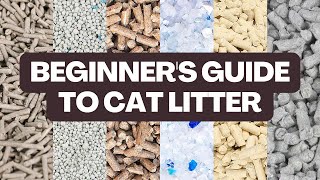
Clay (sodium bentonite) clumping litter is the most widely used — well-researched, accepted by virtually all cats, and inexpensive. The trade-off is dust (varying greatly by brand) and environmental concerns (sodium bentonite mining is strip-mining). Silica crystal litter (small translucent beads) absorbs urine into the crystals without clumping, controls odor well, and produces almost no dust — it requires stirring daily and a full change monthly. It is the lowest-maintenance option for households where daily scooping is inconsistent. Natural litters (corn, wheat, pine, paper, walnut shell) are biodegradable and better for the environment. They vary widely in acceptance — some cats refuse them entirely, especially cats accustomed to clay. Corn and wheat litters clump reasonably well; pine pellets and paper do not. See the best cat litter for odor control for brand comparisons. Also see how Arm & Hammer and Fresh Step compare.
Dust: The Most Underrated Factor
Dust from clay cat litter is a real respiratory concern for cats and for humans who scoop daily. High-dust litter creates visible clouds when poured or disturbed — this sediment accumulates in cats' lungs and can exacerbate asthma (cats develop asthma at significant rates). Look for "low-dust" or "99% dust-free" claims and verify them through user reviews — manufacturer dust claims are not standardized. Dr. Elsey's Precious Cat Ultra is consistently reviewed as genuinely low-dust among clay litters. Silica crystal and paper litters are virtually dust-free. If your cat has respiratory issues, immediately switch to a dust-free option. See odor control cat litters for brand analysis.
Odor Control: What Actually Works
Odor control comes from two mechanisms: quickly neutralizing ammonia from urine (activated charcoal, baking soda additives) and absorbing urine before bacteria can break it down. The most important odor control practice is scooping frequency — a litter box scooped twice daily will have less odor than any "odor control" litter scooped once every two days. Baking soda additives (Arm & Hammer products) neutralize ammonia odor effectively. Activated charcoal additives absorb odor molecules. Heavily perfumed litters mask odor for humans but can actually deter cats from using the box — cats have much more sensitive noses than humans. Compare Tidy Cats vs World's Best and World's Best vs Dr. Elsey's.
Tracking and Litter Box Setup
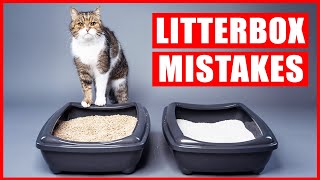
Litter tracking (litter granules carried out of the box on paws) is a top complaint. Larger granule sizes track less than fine granules because they do not stick between paw pads as easily. Adding a litter-trapping mat outside the box reduces tracking by 60-80%. Self-cleaning litter boxes can only work with compatible litters — check the manufacturer specifications before purchasing a self-cleaning box. Fill the litter box to 3-4 inches depth — shallower means less coverage for digging cats; deeper means more litter displaced with each dig and more tracking. The general rule is one litter box per cat plus one extra. See the best cat litter mats and best cat litter boxes.

Frequently Asked Questions
Clumping or non-clumping cat litter — which is better?
Is crystal cat litter better than clay?
Why is my cat not using the litter box?
How deep should cat litter be?
How often should I completely change the litter box?
Is scented or unscented cat litter better?
How do I switch my cat to a new type of litter?
How We Analyze Products
We analyze Amazon review data — often thousands of reviews per product — to surface patterns that individual buyers miss. Our process aggregates star ratings, review counts, and buyer sentiment at scale, identifying which strengths and weaknesses appear consistently across the largest review samples available.
Each product earned its placement through data: total review volume, average rating, and the specific praise and complaints that repeat most often across buyers. No manufacturer paid for placement on this page. Products appear here because buyers endorsed them at scale, not because a company asked us to feature them.
We use AI to summarize review sentiment — not to fabricate opinions, but to condense what thousands of buyers actually wrote into a readable format. The pros and cons you see reflect the most common themes found in verified purchaser reviews, paraphrased for clarity. We do not claim to have accessed Reddit, YouTube, or specific publications in generating these summaries.
Prices shown reflect Amazon pricing at the time this page was last generated. Click “See Today’s Price” to get the current live price on Amazon. Read our full methodology →