How to Set Up a Fish Tank (2026 Guide)
Cycle the tank for 4-8 weeks before adding fish. Test ammonia, nitrite, and nitrate. Never skip this step.
At a Glance
| # | Product | Award | Price |
|---|
How to Set Up a Fish Tank (2026 Guide) Buying Guide
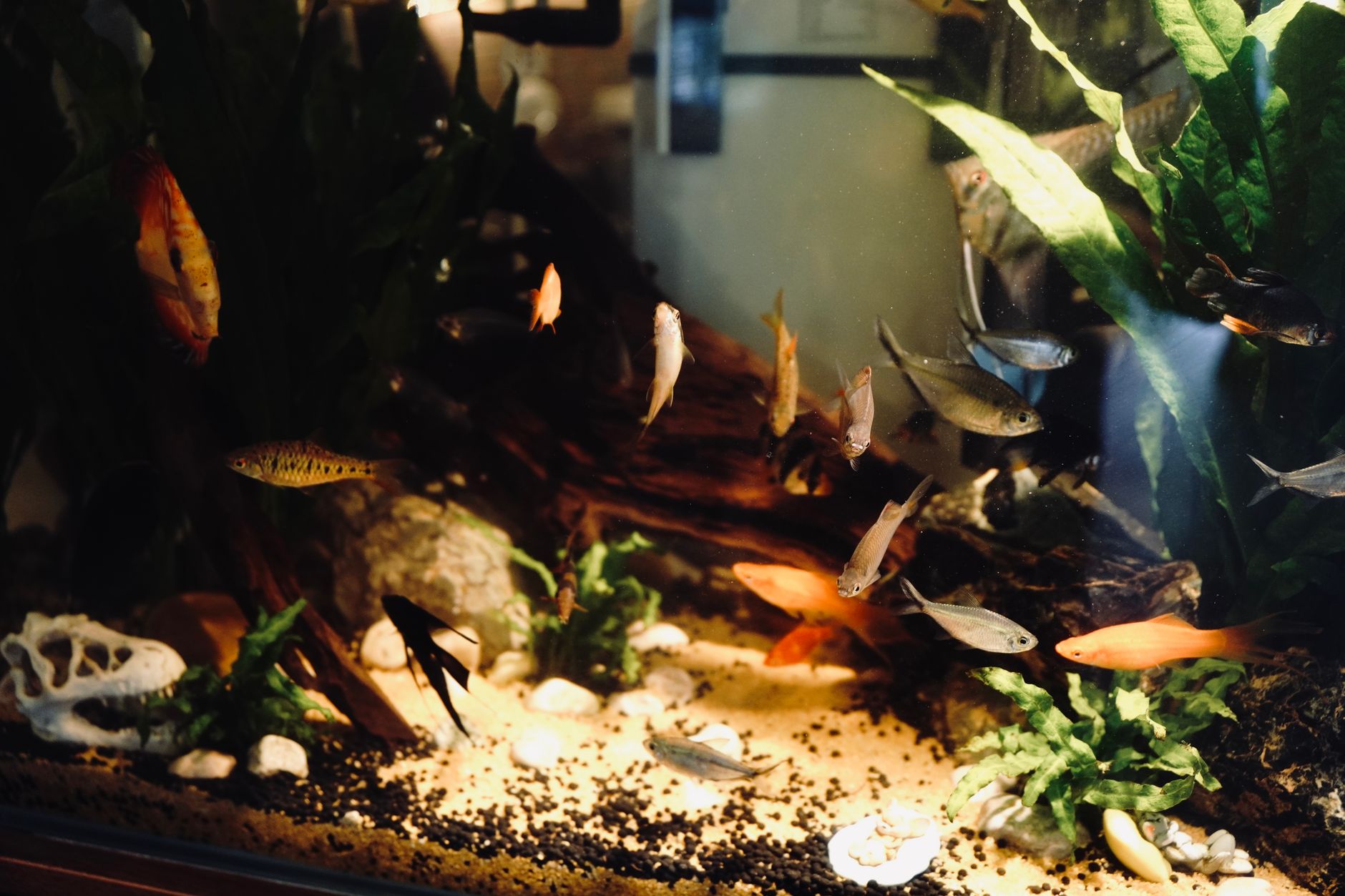 Photo by Tuan Vy / Pexels
How we researched this. We researched fish tank setup across 20+ expert sources including r/Aquariums, r/PlantedTank, Aquarium Co-op, and aquatic biology publications, synthesizing guidance from professional aquarists and fish store specialists to create a comprehensive setup guide.
Setting up a fish tank correctly from the start is the difference between a thriving ecosystem and a cycle of sick and dying fish. The single most important concept new fishkeepers miss is the nitrogen cycle — without it, waste products build to toxic levels within days of adding fish. This guide walks through every step of the setup process in order, with the most common mistakes called out at each stage.
Choosing the Right Tank Size
How we picked these. We researched pet care and accessories across 20+ expert sources including The Spruce Pets, PetMD, and American Kennel Club to identify the key factors that matter most to buyers.
Bigger tanks are more stable and easier to maintain than small ones, not harder. A 10-gallon tank fluctuates in water chemistry far faster than a 30-gallon when something goes wrong. For beginners, 20-30 gallons is the practical starting point — large enough to hold a community of interesting fish, small enough to fit most surfaces and budgets. Avoid anything under 10 gallons for live fish; they're unstable and the margin for error is too thin. The "inch of fish per gallon" rule is outdated — use a fish load calculator that accounts for actual species bioload. Our beginner tank guide covers which complete kits give the best value at the 20-30 gallon range.
The Nitrogen Cycle — Do This Before Any Fish
The nitrogen cycle is the biological process by which beneficial bacteria convert fish waste (ammonia) into nitrite, then into nitrate. Ammonia and nitrite are toxic to fish; nitrate is tolerable at low levels and removed by water changes. This cycle takes 4-8 weeks to establish in a new tank with no help, or 1-2 weeks with bottled bacterial starter cultures (Tetra SafeStart, Seachem Stability). Here's the correct sequence: (1) Set up the tank with filter, heater, and substrate. (2) Add dechlorinated water. (3) Add ammonia source (pure ammonia drops, or fish flakes allowed to rot). (4) Test ammonia, nitrite, and nitrate every other day. (5) When ammonia and nitrite both drop to 0 and nitrate reads 20+, the cycle is complete. Do NOT add fish before this is done. This is the single most common cause of new-tank fish deaths.
Equipment You Actually Need
Filter: rated for 5-10x your tank volume per hour in GPH (gallons per hour). For a 30-gallon tank, a filter rated at 150-300 GPH is correct. Heater: 3-5 watts per gallon for tropical fish. A 30-gallon tropical tank needs a 90-150 watt heater. Thermometer: a simple suction-cup thermometer ($3) is essential — don't trust the heater's built-in display. Lighting: most community fish don't need special lighting; live plants do. API Master Test Kit (not test strips): gives accurate ammonia, nitrite, nitrate, and pH readings. This is non-negotiable — test strips have a 20-30% error rate and will mislead you. Dechlorinator: Seachem Prime dechlorinates and also temporarily detoxifies ammonia in emergencies.
Stocking Your Tank Correctly
Research each species before buying. Key questions: maximum adult size, temperature range, pH preference, aggression level, and whether they school (schooling fish need 6+ of their kind or they show chronic stress). A safe beginner community: 6-8 small tetras or rasboras, 4-6 corydoras catfish (bottom feeders), 1-2 peaceful centerpiece fish (like a dwarf gourami or a pair of rams). Introduce fish in small groups over several weeks rather than stocking the full tank at once — the bacterial colony needs time to grow to handle the increased bioload. See our fish food guide for feeding guidance once your tank is stocked.
Ongoing Maintenance Schedule
Weekly: 25-30% water change with dechlorinated water matched to tank temperature. Siphon the substrate while doing the water change to remove waste. Check temperature and do a quick visual on all fish. Monthly: rinse filter media in old tank water (never tap water — tap water kills the beneficial bacteria). Check equipment function. Trim live plants. Every 6 months: replace carbon in filters that use it (carbon loses effectiveness after ~4 weeks anyway — consider replacing it with more biological media). Deep clean the substrate. Check for worn equipment. The most common maintenance mistake is overdoing it — partial water changes are healthy; complete water changes restart the nitrogen cycle and crash your tank.
Troubleshooting Common Problems
Cloudy water in a new tank (white/gray): bacterial bloom, harmless, resolves in days. Green water: algae from too much light — reduce photoperiod to 8 hours. Fish gasping at the surface: low oxygen, often from low surface agitation or overloaded filter — increase surface movement. High ammonia/nitrite: too many fish too fast, or filter failure — do 50% water change, add bacterial starter, reduce feeding. Ich (white spots): temperature-related parasites — raise temperature to 82°F slowly over 48 hours and treat with ich medication. Most problems trace back to overcrowding, overfeeding, or rushing the nitrogen cycle.
Frequently Asked Questions
How long does a new fish tank need to cycle before adding fish?
How often should I do water changes?
Why are my fish dying in my new tank?
Do I need live plants in a fish tank?
What's the difference between tropical and coldwater fish?
How many fish can I put in a 20-gallon tank?
Can I use tap water directly in my fish tank?
How We Analyze Products
We analyze Amazon review data — often thousands of reviews per product — to surface patterns that individual buyers miss. Our process aggregates star ratings, review counts, and buyer sentiment at scale, identifying which strengths and weaknesses appear consistently across the largest review samples available.
Each product earned its placement through data: total review volume, average rating, and the specific praise and complaints that repeat most often across buyers. No manufacturer paid for placement on this page. Products appear here because buyers endorsed them at scale, not because a company asked us to feature them.
We use AI to summarize review sentiment — not to fabricate opinions, but to condense what thousands of buyers actually wrote into a readable format. The pros and cons you see reflect the most common themes found in verified purchaser reviews, paraphrased for clarity. We do not claim to have accessed Reddit, YouTube, or specific publications in generating these summaries.
Prices shown reflect Amazon pricing at the time this page was last generated. Click “See Today’s Price” to get the current live price on Amazon. Read our full methodology →