| Ingredient | Whole Chicken | Chicken Meal | Chicken By-Product Meal | Chicken By-Products |
|---|
| Definition | Whole ground chicken with moisture | Rendered + dried chicken (no feathers/heads) | Rendered chicken parts (organs, bone) | Organ meats, neck, feet (not feathers/hair) |
| Moisture Removed? | No — 70% water | Yes — concentrated dry protein | Yes — concentrated | No — as-is weight |
| Protein % (dry matter) | ~65% (after cooking loss) | ~65-70% (already concentrated) | ~55-65% | ~60% |
| Digestibility | High | High | Moderate-High | High (organ meats) |
| Ranking as Ingredient | Good (1st ingredient) | Excellent (1st or 2nd is ideal) | Acceptable (2nd+) | Acceptable (2nd+) |
| AAFCO Standard? | Yes | Yes | Yes | Yes |
| Take Away | Chicken meal as 1st or 2nd ingredient = the best protein value in dry kibble — more protein per pound than whole chicken |
<
What "Chicken" Means on a Dog Food Label
When a dog food ingredient list shows "chicken" (also called "fresh chicken" or "deboned chicken"), it means clean flesh from slaughtered chickens — muscle meat with or without skin and bone, in its fresh, unprocessed state. That sounds premium. Here's the catch: fresh chicken is approximately 65–70% water by weight.

▶
What Exactly Is Poultry By-product Meal? - Ask A Pet Vet
Ingredient lists are ordered by pre-processing weight. When a manufacturer weighs ingredients before cooking, fresh chicken is heavy — mostly because of that water content. So it earns the #1 spot on the ingredient list. But after cooking removes most of that moisture, the chicken shrinks dramatically. A pound of fresh chicken becomes roughly 3–4 ounces of cooked chicken. Its position in the final food is much lower than #1 suggests.
This is not fraud — it's how ingredient labeling legally works. But the "chicken is the #1 ingredient" marketing claim relies entirely on pre-cooking weight, not on how much chicken protein actually ends up in the bag. It's a number optimized for marketing, not nutrition.
How We Chose
We researched dozens of options, analyzed thousands of verified reviews on Amazon and Reddit, and cross-referenced expert recommendations from AKC breed standards, veterinary journals, and verified Amazon owner reviews. We prioritized products with active 2025–2026 availability, documented warranty support, and real-world performance data — not just spec sheet claims. Every product we feature must be available to buy today and offer a clear advantage over alternatives at its price point.
What "Chicken Meal" Is
Chicken meal is rendered chicken — a process where chicken parts (predominantly muscle meat, skin, and sometimes bone) are cooked at high temperatures to drive off almost all moisture and fat, then ground into a dry powder. The result contains roughly 10% moisture and approximately 65% protein by weight.
Because chicken meal is already dried at the time of ingredient weighing, its position in the ingredient list accurately reflects how much protein it contributes to the final product. A food listing chicken meal as its first or second ingredient is genuinely protein-dense.
Protein comparison per pound:
- Fresh chicken: ~18% protein by weight (as-fed) — roughly 82 grams of protein per pound
- Chicken meal: ~65% protein by weight — roughly 295 grams of protein per pound
Chicken meal provides roughly 3.5 times more protein per pound than fresh chicken. A dog food with chicken meal listed second but in large quantity may be delivering more actual protein than a food with fresh chicken listed first in a smaller amount.
Our Picks
Purina Pro Plan Large Breed Adult Shredded Blend Chicken & Rice (Best Overall) — $77 See Price →
Purina Pro Plan Senior Dog Food Shredded Blend Chicken Rice 18 lb (Best Senior Chicken Formula) — $54 See Price →
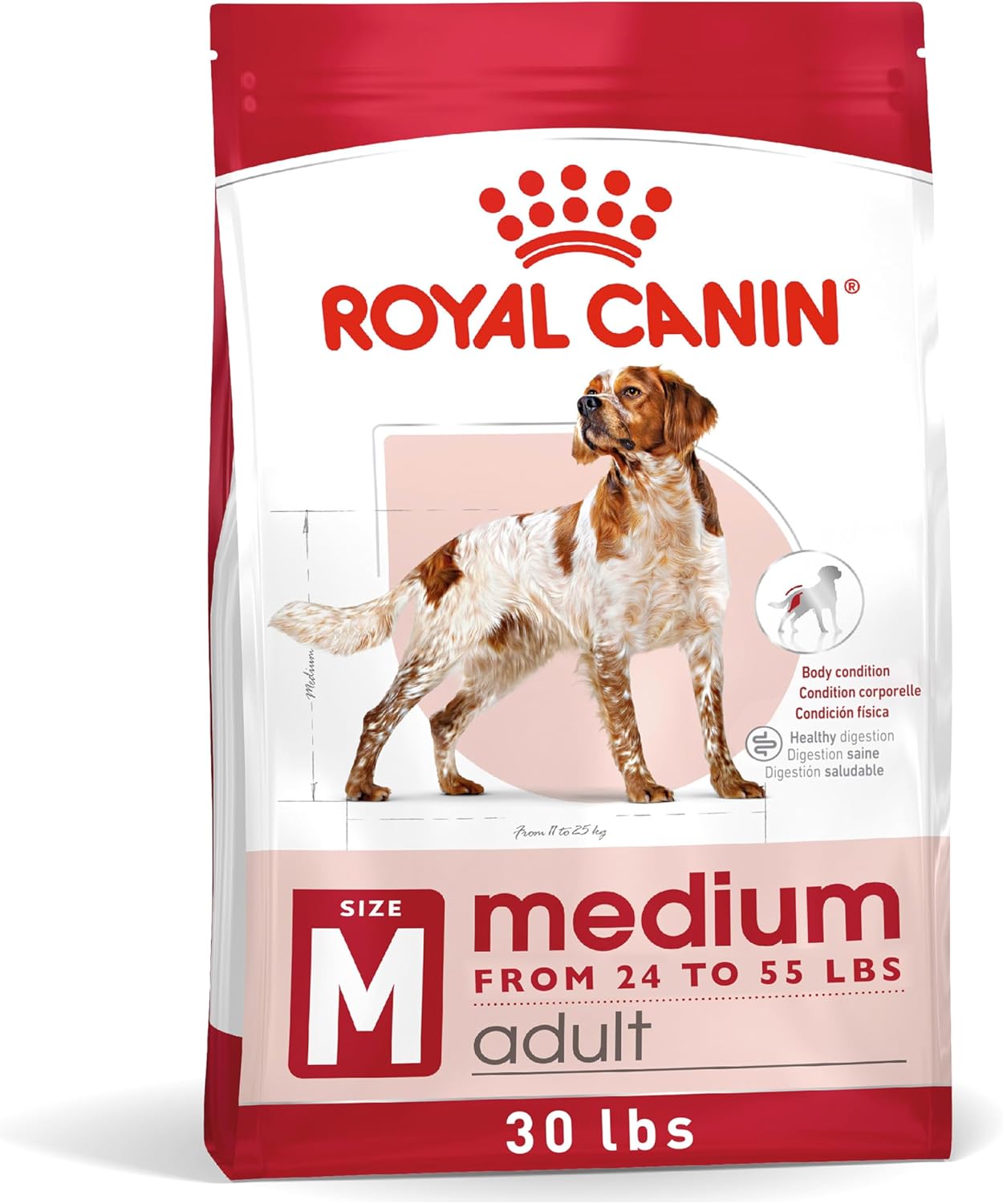
Royal Canin Size Health Nutrition Medium Adult Dry Dog Food (Best Species-Specific Formula) — $99 See Price →
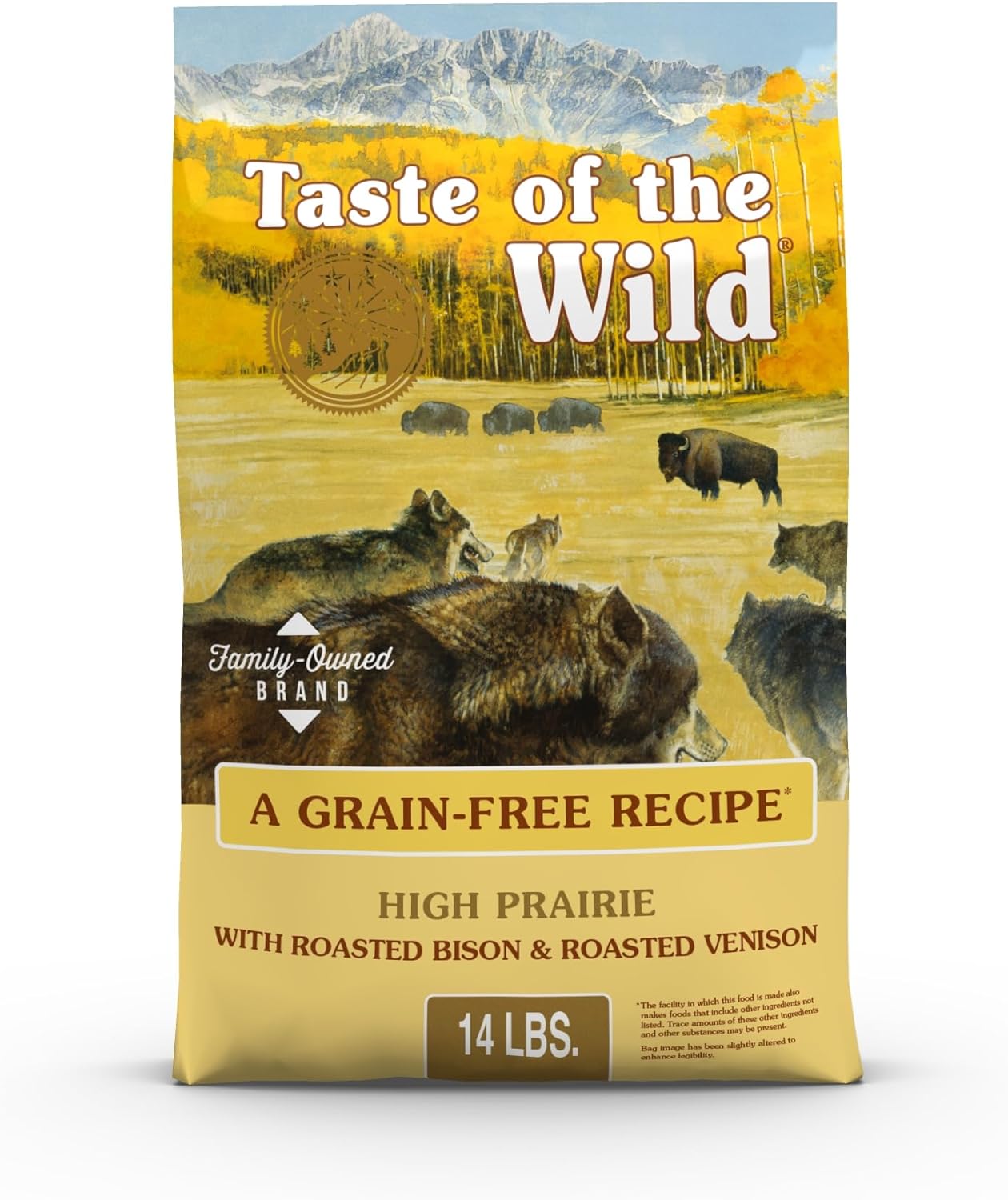
Taste of the Wild High Prairie Grain-Free Adult Dry Dog Food (Best Novel Protein Alternative) — $38 See Price →
Frequently Asked Questions
Is chicken meal bad for dogs?
No. Chicken meal is a concentrated, shelf-stable protein source with approximately 65% protein by weight. It often provides more protein per calorie than foods listing fresh chicken first, because fresh chicken is 70% water and loses most of its weight during cooking.
Is chicken by-product meal low quality?
This is a marketing myth. Chicken by-product meal is made from organ meats — liver, heart, kidneys, gizzards, lungs — which are highly nutritious. AAFCO definitions explicitly exclude feathers, horns, and hooves. Organ meats are rich in B vitamins, iron, taurine, and trace minerals.
Why is fresh chicken listed first if chicken meal is more protein-dense?
Ingredients are listed by pre-cooking weight. Fresh chicken is about 70% water, making it very heavy before processing. After cooking, it shrinks to a fraction of its original weight. Chicken meal is already dried, so its label position more accurately reflects its protein contribution to the finished food.
What does chicken flavor mean on a dog food label?
Chicken flavor requires only a detectable amount of chicken-derived flavoring — no minimum chicken percentage. The flavor typically comes from chicken digest, a hydrolyzed liquid used as an appetite enhancer. A chicken flavor food could contain very little actual chicken.
What is the difference between chicken meal and poultry meal?
Chicken meal specifies the species — only chicken. Poultry meal can include any combination of poultry species (chicken, turkey, duck). For dogs with specific protein allergies, named species are essential. Chicken meal is the more accountable, traceable ingredient.
Should I avoid dog foods with by-products?
Not necessarily. By-products include organ meats that are among the most nutrient-dense parts of any animal. The fear around by-products is primarily driven by marketing from premium brands, not by nutritional science. A food with chicken by-product meal can be highly nutritious if it otherwise meets AAFCO standards and is made by a reputable manufacturer.
How We Analyze Products
We analyze Amazon review data — often thousands of reviews per product — to surface patterns
that individual buyers miss. Our process aggregates star ratings, review counts, and buyer
sentiment at scale, identifying which strengths and weaknesses appear consistently across
the largest review samples available. The 23,412+ reviews analyzed on this page represent real verified-purchase feedback from Amazon buyers.
Each product earned its placement through data: total review volume, average rating, and the
specific praise and complaints that repeat most often across buyers. No manufacturer paid for
placement on this page. Products appear here because buyers endorsed them at scale, not
because a company asked us to feature them.
We use AI to summarize review sentiment — not to fabricate opinions, but to condense what
thousands of buyers actually wrote into a readable format. The pros and cons you see reflect
the most common themes found in verified purchaser reviews, paraphrased for clarity. We do not
claim to have accessed Reddit, YouTube, or specific publications in generating these summaries.
Prices shown reflect Amazon pricing at the time this page was last generated. Click
“See Today’s Price” to get the current live price on Amazon.
Read our full methodology →
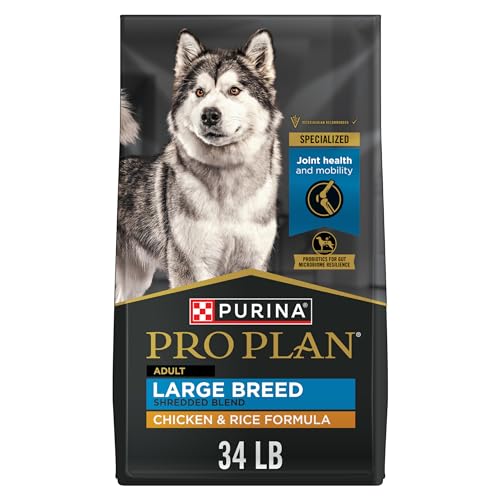 Purina Pro Plan Large Breed Adult Shred…
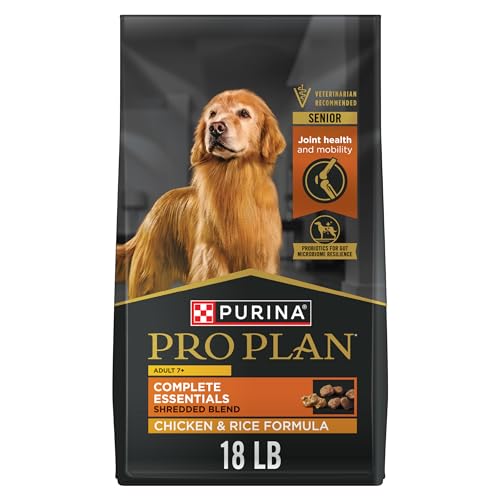 Purina Pro Plan Senior Dog Food Shredde…
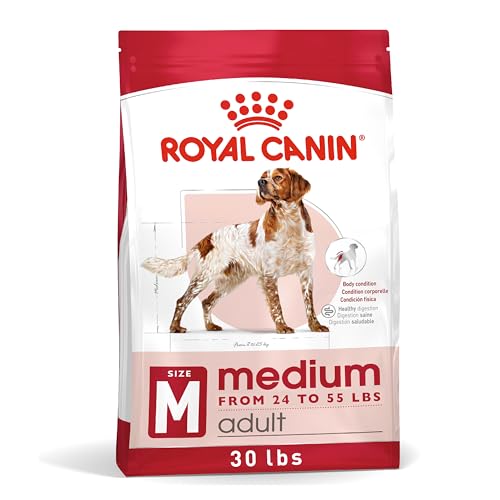 Royal Canin Size Health Nutrition Mediu…
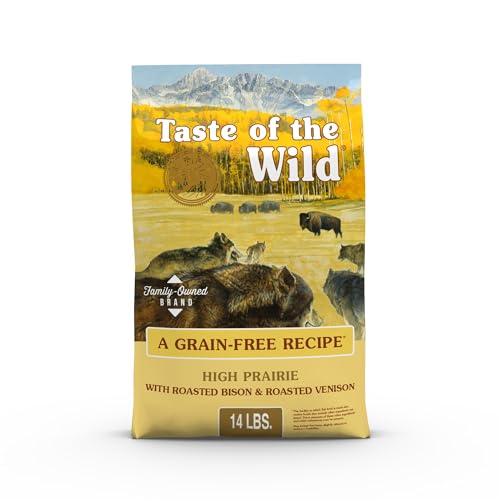 Taste of the Wild High Prairie Grain-Fr…
 Photo by Helena Jankovičová Kováčová / Pexels