How to Build a Budget Home Gym (2026 Guide)
A functional home gym needs just three things: adjustable dumbbells, a pull-up bar, and a resistance band set — all under $200. Add a flat bench and a barbell set when budget allows for a complete strength training setup.
At a Glance
| # | Product | Award | Price |
|---|
How to Build a Budget Home Gym (2026 Guide) Buying Guide
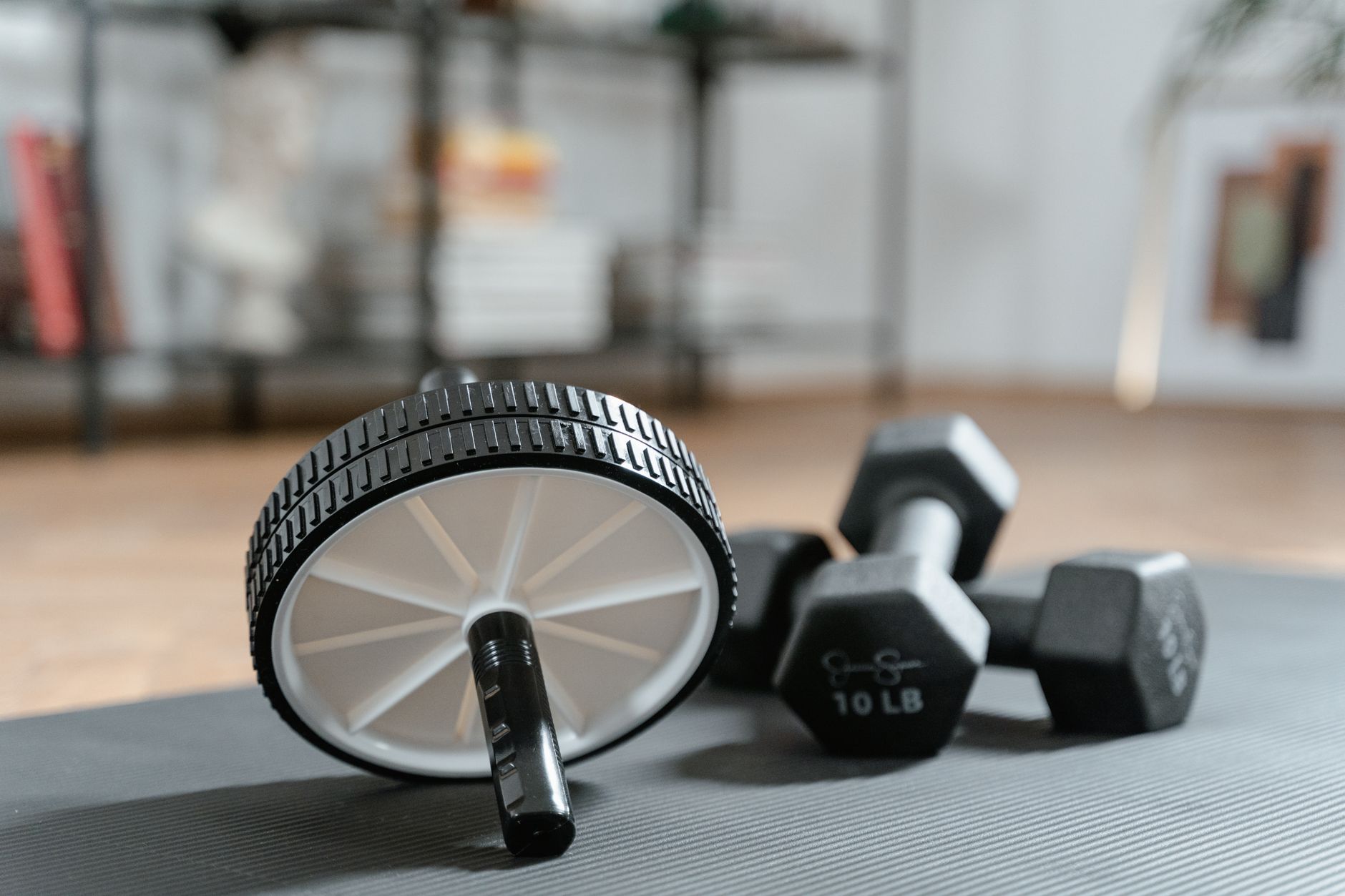 Photo by MART PRODUCTION / Pexels
How we researched this. We researched budget home gym building across 20+ expert sources including r/homegym, Garage Gym Reviews, ACE Fitness, and strength training publications, synthesizing guidance from certified personal trainers and budget-conscious home gym owners to create a comprehensive setup guide.
A functional home gym does not require a dedicated room or a large budget. The goal is covering the three movement categories — push, pull, hinge/squat — with equipment that stores reasonably and lasts. This guide walks through the priority order so you spend money on what matters first.
The Foundation: Adjustable Dumbbells or a Fixed Set
How we picked these. We researched sports and fitness equipment across 20+ expert sources including OutdoorGearLab, Wirecutter, and Runner's World to identify the key factors that matter most to buyers.
Dumbbells cover more exercises per dollar than any other equipment. Adjustable dumbbells (PowerBlock, Bowflex SelectTech) replace a full rack in one footprint — essential for small spaces. Fixed dumbbell sets are more durable and faster to use but require more floor space. For the best options at different price points, see best dumbbells for home gym. If you are starting from scratch, a 5-50 lb adjustable set covers beginner through intermediate strength training.
Adding a Barbell and Plates
A barbell enables the four foundational lifts — squat, deadlift, bench press, overhead press — that no dumbbell fully replicates at higher weights. You need a rack or power cage for bench and squat, which adds floor footprint. For beginners or smaller spaces, start with dumbbells and add a barbell setup when the budget allows. See best barbells 2026 for the top options.
Kettlebells for Conditioning
A single kettlebell covers swings, goblet squats, Turkish get-ups, and carries — compound movements that combine strength and conditioning. One 35-lb (16 kg) kettlebell for most men or one 26-lb (12 kg) for most women is a starting point. Add a heavier bell as strength increases. See best kettlebells 2026 for durable cast-iron options.
Cardio Equipment: What Fits Your Space
Treadmills are the most versatile cardio machines but take 25-35 sq ft of floor space. Folding treadmills reduce footprint by 60% when stored. For a sub-$500 option that handles walking and light jogging, see best budget treadmills. If space is the constraint: a jump rope, resistance bands, or a kettlebell circuit provides equivalent conditioning in minimal footprint.
The Minimal Budget Build
Under $300 complete: adjustable dumbbells or a fixed 5-50 lb set ($150-200), a pull-up bar that mounts in a doorframe ($25-35), a resistance band set ($20-30), and a yoga mat ($20-30). This covers pushing (dumbbell press, push-ups), pulling (pull-ups, band rows), hinging (dumbbell RDL, band hip hinge), and core work. See best beginner home gym equipment for curated starter sets.
Flooring and Space Planning
Rubber flooring tiles (3/4 inch thick) protect the floor under weights and reduce noise — budget $1.50-2.00 per sq ft. A 10x10 ft space (100 sq ft) handles dumbbells, a mat, and a pull-up bar. Add a barbell and rack, and you need 10x15 ft minimum. Measure before buying any rack — ceiling height of 8 ft minimum for overhead press and pull-ups from a rack.
Programming: How to Structure Workouts with Minimal Equipment
Equipment does not determine results — programming does. The most common home gym failure is buying equipment and training inconsistently because there is no plan. A simple 3-day full-body program works better than a 5-day split with minimal equipment because you hit each muscle group more frequently. Pattern: push (dumbbell press, push-ups), pull (rows, pull-ups), hinge (Romanian deadlift, kettlebell swing), squat (goblet squat, split squat), core (plank, dead bug). Three rounds of 8-12 reps per movement, three days per week, adding weight or reps weekly. This linear progression works for 6-12 months without any additional equipment. Write down your weights and reps after every session — you cannot track progress you do not measure.
Common Equipment Buying Mistakes in Home Gyms
The biggest mistake: buying cardio equipment you will not use. A treadmill that becomes a clothes rack costs $300-600 for nothing. Buy cardio equipment only after you have established a consistent strength training habit. Second: buying fixed dumbbells in one weight. A 25-lb dumbbell is right for some exercises (rows) and wrong for others (lateral raises need 10-15 lbs, overhead press might need 35-40 lbs). Either buy a range or buy adjustable. Third: skipping flooring. Dropping weights on bare concrete damages both the floor and the weight, and the noise carries through the house. Budget the flooring into your initial purchase. Fourth: buying a Smith machine or cable system before mastering free weights. These machines cost $500-1,500, take 40-80 sq ft, and are harder to use correctly than a dumbbell or barbell. Master the free weight basics first. Fifth: storing equipment in the garage in cold climates — cold rubber is stiff and brittle, and motivation drops sharply when the gym is freezing.
Recovery Equipment Worth Having
Recovery is where strength gains happen — training is just the stimulus. A foam roller ($20-35) addresses soft tissue quality between sessions and reduces soreness enough to train more consistently. A lacrosse ball ($5) reaches deeper tissue in the hips and lats that a foam roller cannot. For sleep quality, a cooling pillow or sleep mask costs under $30 and sleep is the single most impactful recovery variable under your control. Compression sleeves ($15-25) for knees and elbows reduce joint pain during training for anyone over 40 who trains frequently. A pull-up bar doubles as a passive shoulder decompression tool — hanging for 30-60 seconds before pressing movements reduces impingement for most people. Skip electronic recovery devices (massage guns at $200+, EMS suits) until equipment and programming are dialed in — the marginal benefit is real but small compared to basics.
Warm-Up and Mobility: Not Optional
Cold muscles produce less force, are more injury-prone, and cause joint pain that makes training unpleasant enough that you stop doing it. A 5-7 minute warm-up before lifting is non-negotiable. Effective warm-up for a home gym session: 2 minutes of light activity (jumping jacks, bodyweight squats) to raise core temperature, then joint-specific prep — leg swings, hip circles, band pull-aparts or arm circles before pressing, ankle circles before squatting. For lower body sessions: 10-15 minutes of mobility work before heavy hip hinge movements prevents the back tightness that stops most home gym trainees over 30. The Functional Range Conditioning (FRC) approach — controlled articular rotations at each joint — takes 10 minutes and yields measurable improvement in 4-6 weeks. Flexibility-specific equipment (a 10-foot piece of PVC pipe for $5 or a yoga block for $10) enables most mobility work adequately without investing in a separate mobility program.
How We Analyze Products
We analyze Amazon review data — often thousands of reviews per product — to surface patterns that individual buyers miss. Our process aggregates star ratings, review counts, and buyer sentiment at scale, identifying which strengths and weaknesses appear consistently across the largest review samples available.
Each product earned its placement through data: total review volume, average rating, and the specific praise and complaints that repeat most often across buyers. No manufacturer paid for placement on this page. Products appear here because buyers endorsed them at scale, not because a company asked us to feature them.
We use AI to summarize review sentiment — not to fabricate opinions, but to condense what thousands of buyers actually wrote into a readable format. The pros and cons you see reflect the most common themes found in verified purchaser reviews, paraphrased for clarity. We do not claim to have accessed Reddit, YouTube, or specific publications in generating these summaries.
Prices shown reflect Amazon pricing at the time this page was last generated. Click “See Today’s Price” to get the current live price on Amazon. Read our full methodology →