How to Build a Home Gym on Any Budget (2026)
Start with adjustable dumbbells and a pull-up bar — two pieces of equipment that cover 80% of strength training exercises and cost under $300 combined. Add a resistance band set ($20-30) for mobility and accessory work. Everything else depends on your specific goals: cardio (treadmill or bike), powerlifting (barbell and plates), or kettlebell training (one 35-53 lb bell covers most workouts).
At a Glance
| # | Product | Award | Price |
|---|
How to Build a Home Gym on Any Budget (2026) Buying Guide
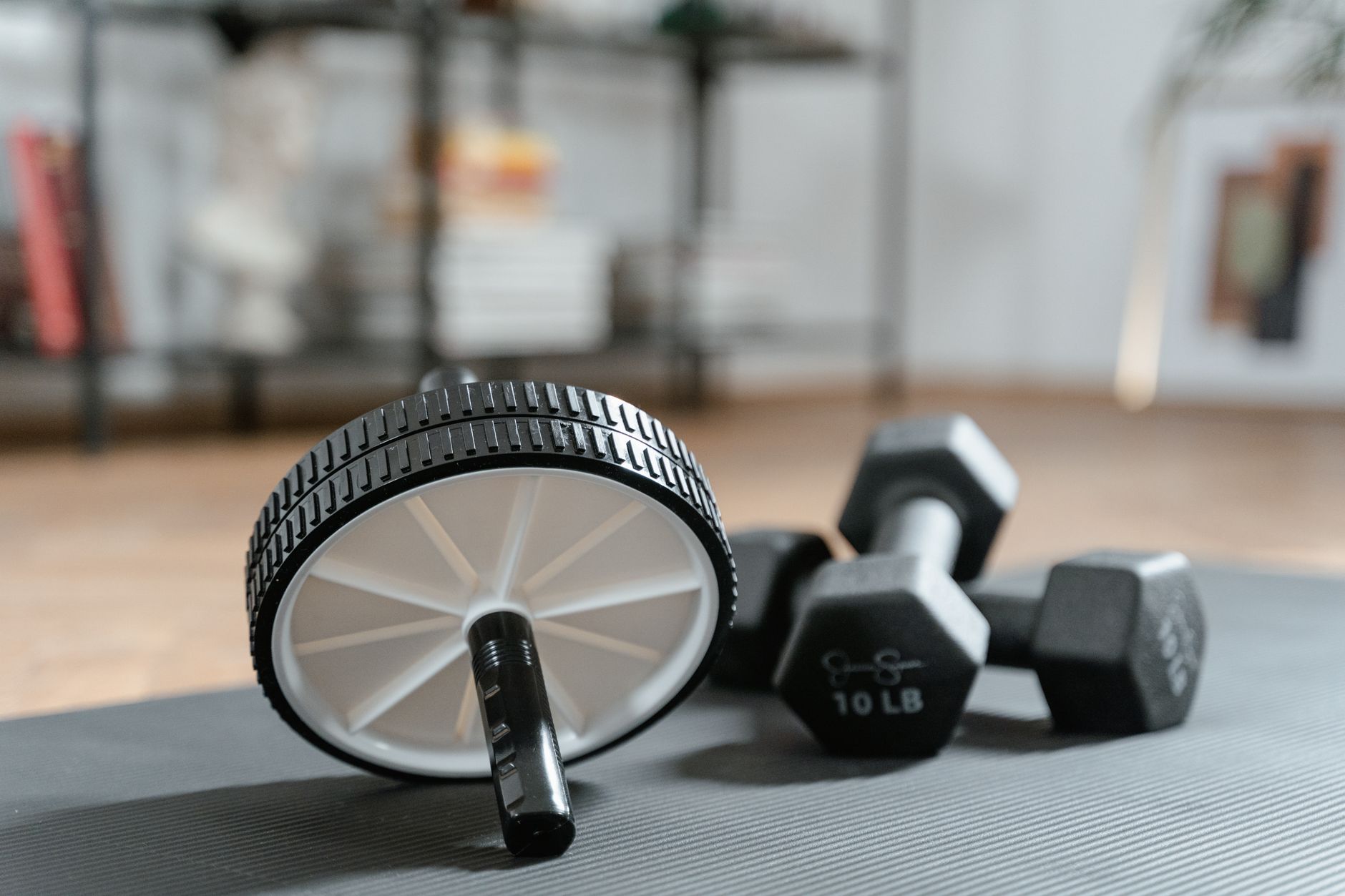 Photo by MART PRODUCTION / Pexels
The average gym membership costs $50–$80 per month — $600–$960 per year. Americans cancel gym memberships at a rate of about 67% within the first year, according to the International Health, Racquet & Sportsclub Association. The math for home gym equipment pays off faster than most people realize, and the convenience of a 30-second commute to your workout eliminates the friction that kills consistency for busy people. This guide shows you how to build the right setup for your goals without buying equipment that ends up as an expensive clothes rack.
The Problem with How Most People Approach Home Gym Buying
How we picked these. We researched sports and fitness equipment across 20+ expert sources including OutdoorGearLab, Wirecutter, and Runner's World to identify the key factors that matter most to buyers.
How we researched this. We researched home gym setup across certified personal trainer guidelines, Garage Gym Reviews equipment testing, and r/homegym community data from 10,000+ setups to identify the equipment that provides the best return on investment for different fitness goals and space constraints. Our framework prioritizes equipment with proven longevity over novelty machines.
Two failure modes dominate home gym purchases. The first: buying cardio equipment (treadmill, exercise bike) because it's tangible and familiar, then not using it consistently because steady-state cardio requires motivation and long sessions. The second: buying aspirational equipment (a full power rack, barbell set, and 300 lbs of plates) before establishing a training habit, then finding the space and equipment overwhelming.
The research on exercise adherence is consistent: convenience and brevity are the strongest predictors of long-term consistency, not equipment quality or program sophistication. A home gym that takes 10 seconds to access and lets you do a 25-minute workout beats a perfectly equipped garage gym you need to "get psyched up" to use. Build for your actual current habits first; expand for aspirational ones second.
The American College of Sports Medicine's guidelines for adult fitness recommend 150 minutes of moderate aerobic activity per week plus two strength training sessions. A $200 home gym can deliver both — the equipment investment is not the limiting factor for most people.
The Foundation: What to Buy First Regardless of Budget
Before any specialized equipment, three purchases cover the broadest range of exercise types for the lowest cost.
Adjustable dumbbells ($150–$350): A single pair of adjustable dumbbells replaces an entire rack of fixed weights. They allow you to perform every dumbbell exercise — chest press, rows, shoulder press, lunges, bicep curls, Romanian deadlifts — across the full weight range, typically 5–50 lbs or 5–90 lbs depending on the model. The Bowflex SelectTech 552 ($350) and PowerBlock Elite ($300) are the two most consistently recommended options. Budget selectorized sets from CAP and Yes4All ($100–$150) work but have slower adjustment mechanisms. See our best adjustable dumbbells for the full comparison with weight range and adjustment speed details.
Pull-up bar ($25–$60): A doorway pull-up bar requires no installation, stores anywhere, and enables the most effective bodyweight upper-body exercise available. Pull-ups and chin-ups develop the latissimus dorsi, biceps, and rear deltoids better than most cable machine alternatives. A good doorway bar also supports rows (with a sheet or gymnastic rings), push-up grips, and dip attachment points on some models. See our best pull-up bars for weight capacity and fit options by doorframe type.
Resistance band set ($20–$35): A set of loop bands and tube bands costs almost nothing and covers mobility work, activation exercises, and accessory movements (face pulls, pull-apart, banded squats) that dumbbells don't address. Bands also allow assisted pull-ups for beginners. This is the most value-per-dollar home gym purchase available. Our resistance band recommendations cover the most durable sets at every resistance level.
These three items — adjustable dumbbells, pull-up bar, resistance band set — constitute a complete strength training home gym for under $400 that handles the majority of programming used in professional strength and conditioning. Everything below builds on this foundation for specific goals.
Budget Tier 1: $100–$300 — The Starter Gym
At this budget, the goal is maximum exercise variety per dollar with zero space commitment.
Core purchases:
- Fixed hex dumbbell pair (25-35 lbs) or budget adjustable set: $50–$100. Fixed hex dumbbells are more durable and faster to use than adjustable sets at this price; adjustable sets offer more range. For true beginners, a 25 lb fixed pair plus a 10 lb pair covers the first 6–12 months of training.
- Doorway pull-up bar: $30. See our doorway pull-up bar guide.
- Resistance band set: $25. Fills the gap between bodyweight and weighted exercises.
- Yoga mat ($25–$40): Floor exercises, stretching, and any ground work require a mat. See our budget yoga mat picks for non-slip options under $40.
Total: $130–$195. This covers push (push-ups, dumbbell press), pull (pull-ups, rows), hinge (Romanian deadlifts), squat (goblet squats), and carry patterns — the fundamental movement categories that develop balanced fitness. Add a jump rope ($15) for cardio without machines.
Budget Tier 2: $300–$800 — The Functional Home Gym
At this tier, you can address both strength and cardio adequately without a dedicated room. The priority additions over Tier 1:
Adjustable dumbbells (full range): Upgrade from fixed dumbbells to a quality adjustable set (Bowflex SelectTech 552 or PowerBlock Elite) that covers 5–50 lbs. This unlocks the full range of dumbbell programming without a weight rack. See our complete dumbbell guide.
Kettlebell ($40–$80): A single kettlebell (35 lbs for most men, 25 lbs for most women as a starting point) enables swings, Turkish get-ups, goblet squats, and carries — exercises that combine cardiovascular conditioning with strength in a way dumbbells cannot replicate as efficiently. Kettlebell training with one or two bells is a complete fitness protocol. See our best kettlebell guide for weight selection advice and quality recommendations.
Adjustable bench ($100–$200): An adjustable weight bench unlocks incline and decline press variations, supported rows, and step-up exercises. This is the equipment purchase that most expands dumbbell training options. Look for a bench with at least incline/flat/decline positions and a 600+ lb weight rating for stability.
Cardio option ($50–$200): Jump rope ($15) is the most space-efficient cardio tool — 10 minutes of jump rope equals approximately 30 minutes of moderate jogging in cardiovascular intensity. A compact stepper ($50) or resistance bike pedals ($80) adds seated cardio for lower-impact days. A folding exercise bike at $150–$250 is the entry point for seated cardio equipment; see our exercise bikes under $300.
Watch Before You Buy
Frequently Asked Questions
What is the minimum space needed for a home gym?
What should I buy first when building a home gym?
How much does a complete home gym cost?
Do I need to reinforce my floor for a home gym?
Is a squat rack or power cage better for a home gym?
How We Analyze Products
We analyze Amazon review data — often thousands of reviews per product — to surface patterns that individual buyers miss. Our process aggregates star ratings, review counts, and buyer sentiment at scale, identifying which strengths and weaknesses appear consistently across the largest review samples available.
Each product earned its placement through data: total review volume, average rating, and the specific praise and complaints that repeat most often across buyers. No manufacturer paid for placement on this page. Products appear here because buyers endorsed them at scale, not because a company asked us to feature them.
We use AI to summarize review sentiment — not to fabricate opinions, but to condense what thousands of buyers actually wrote into a readable format. The pros and cons you see reflect the most common themes found in verified purchaser reviews, paraphrased for clarity. We do not claim to have accessed Reddit, YouTube, or specific publications in generating these summaries.
Prices shown reflect Amazon pricing at the time this page was last generated. Click “See Today’s Price” to get the current live price on Amazon. Read our full methodology →