How to Choose a Cooler in 2026: Buyer's Guide
For most weekend camping trips and tailgates, a 45 to 65 quart roto-molded or heavy-duty hard cooler with 2 to 3 inch wall insulation holds ice 3 to 5 days. Budget hard coolers work for day trips. Soft coolers excel for portability and boat use. Yeti-tier pricing is only necessary for extended backcountry trips or professional use.
At a Glance
| # | Product | Award | Price |
|---|
How to Choose a Cooler Buying Guide
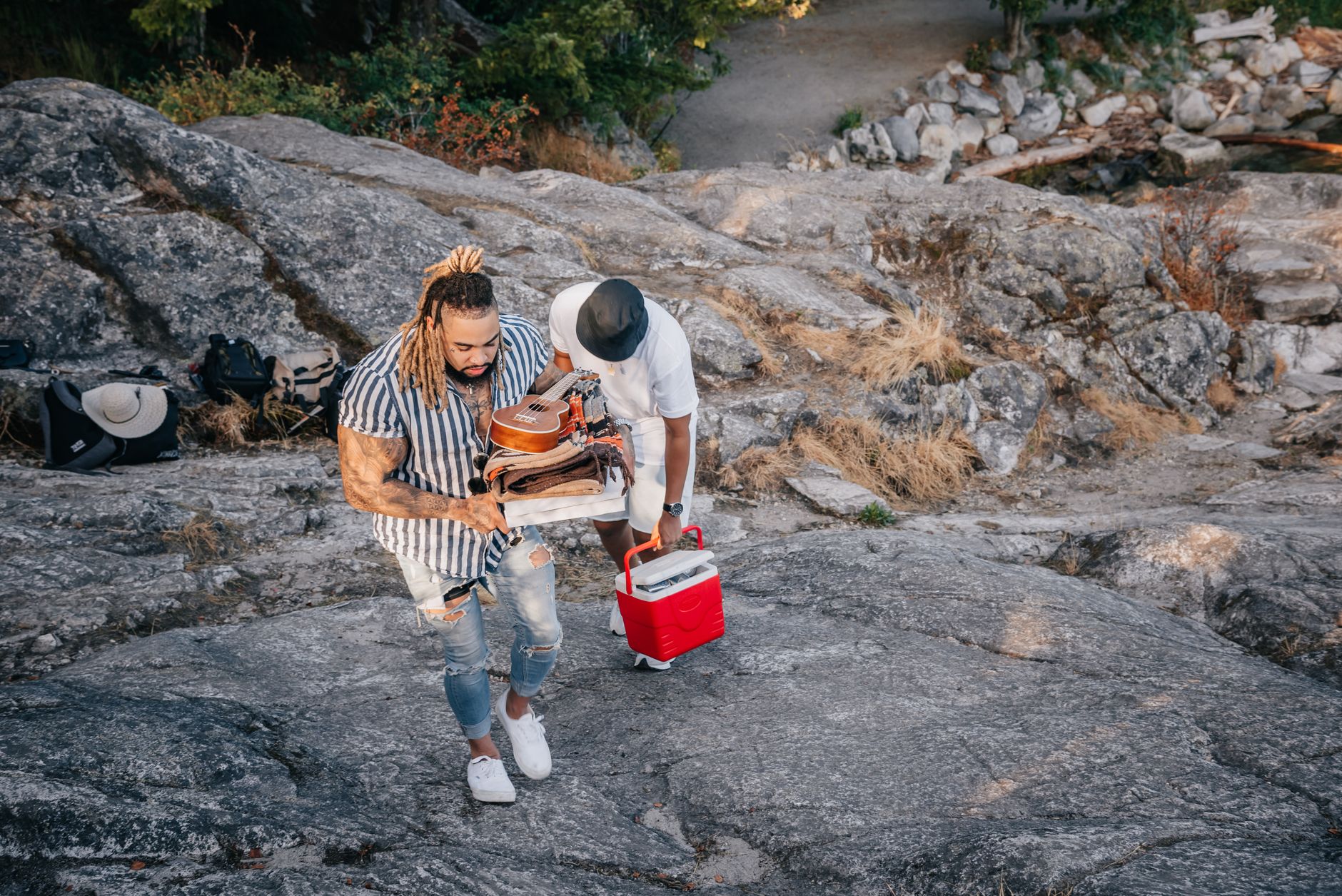 Photo by PNW Production / Pexels
Ice retention is the primary performance metric for coolers and it is determined almost entirely by wall thickness and insulation quality. A 2-inch thick wall of closed-cell foam insulation holds ice dramatically longer than a 1-inch wall regardless of the brand name on the outside. The cooler industry has converged on two quality tiers: rotomolded premium coolers (Yeti, RTIC, Pelican, Orca) with 2.5 to 3 inch walls rated for 5 to 10 days of ice retention, and standard injection-molded coolers (Coleman, Igloo, Rubbermaid) with 1 to 1.5 inch walls rated for 1 to 3 days. Soft coolers occupy a separate category optimized for weight and portability over extended ice retention.
Rotomolded vs. Injection-Molded vs. Soft Coolers
How we picked these. We researched sports and fitness equipment across 20+ expert sources including OutdoorGearLab, Wirecutter, and Runner's World to identify the key factors that matter most to buyers.
How we researched this. We researched cooler performance across Wirecutter ice retention testing over 4+ days, OutdoorGearLab temperature stability data, and r/camping community real-world ice life feedback to identify the insulation thickness, lid seal design, and drain placement that maintain temperature across different outing lengths and ambient conditions.
Rotomolded coolers are made by rotating a mold with plastic resin inside an oven, creating a seamless one-piece exterior shell that is extremely durable and can be filled with thick foam insulation during manufacturing. This produces a cooler with no seams to fail, superior insulation, and a heavy-duty build that tolerates being used as a step stool or boat seat. They cost more because the manufacturing process is slower and more expensive than injection molding. Injection-molded coolers (the majority of budget and mid-range models) are made by injecting plastic into a two-part mold, which creates a cooler with thinner walls and a visible seam line. They are lighter, cheaper, and work fine for 1 to 2 day use. Soft coolers are made from insulated fabric and are best for beach days, boat trips, and situations where you carry the cooler significant distances. Our best coolers overall covers all three categories. For camping, see best camping coolers.
Ice Retention: What the Specs Actually Mean
Manufacturer ice retention claims are measured under controlled laboratory conditions that do not reflect real-world use. A cooler rated for "7 days of ice retention" achieves that in a temperature-controlled room starting with properly pre-chilled cooler walls and the correct ice-to-contents ratio. In direct summer sun on a black truck bed, expect 30 to 50 percent shorter retention. Pre-chilling your cooler — filling it with ice or cold water for several hours before loading food — significantly improves real-world performance by removing the thermal mass of the cooler shell itself from the equation. Use block ice rather than cubed ice for longer retention: blocks melt more slowly because they have less surface area per pound. A 2:1 ice to food ratio by volume is the standard guideline. Our road trip cooler guide tests real-world ice retention across brands.
Size: Quarts and Realistic Capacity
Cooler quart ratings are internal volume before ice. A 45-quart cooler holds about 45 pounds of ice plus some food, or a smaller amount of ice with more food. A practical rule: plan for 2 quarts of cooler space per person per day of a trip, then add 20 quarts for ice. A 3-day trip for 4 people suggests a minimum of 24 quarts for food plus ice capacity, meaning a 45 to 50 quart cooler comfortably covers the trip. Overestimating size wastes money and creates a heavier, harder-to-handle cooler with empty airspace that reduces ice retention (more warm air). Common sizes for reference: 20 to 25 quart for a day trip for 2 people, 45 to 65 quart for weekend camping for 4 people, and 75 to 120 quart for extended trips or large groups. See our best cooler bags for day trips for soft cooler sizing.
Latches, Gaskets, and Drain Design
A properly sealing cooler lid gasket is as important as insulation for ice retention. The lid gasket creates an air seal that prevents warm ambient air from circulating through the cooler. On premium rotomolded coolers, thick rubber gaskets combined with heavy rubber T-latch closures create an almost airtight seal. Budget coolers use thin foam or rubber gaskets that compress and gap over time. Test the lid seal by placing a dollar bill in the closed lid — if you can pull it out without resistance, the seal is inadequate. Drain plugs matter for ease of use over a multi-day trip. A wide drain plug positioned at the lowest point of the cooler interior allows full water drainage. Some coolers add a drain hose or spigot attachment for easier draining at a campsite. Avoid coolers where the drain requires removing a stopper that then gets lost. Our best coolers for beginners covers value-oriented models with solid gasket designs.
Weight Loaded and Portability Features
An empty 65-quart rotomolded cooler weighs 25 to 35 pounds. Add 65 pounds of ice and food and you have a 90 to 100 pound load. Two people lifting from integrated rope handles is manageable. Single-person portability requires wheels and a telescoping handle. Most coolers over 50 quarts with premium positioning now include wheeled base options. For boat, beach, or any use where you drag rather than carry, wheels are worth the weight premium. For backpacking adjacent use where you carry the cooler any significant distance, soft coolers in the 20 to 30 liter range are the only practical option. Handles should be rubber over-molded (not bare metal) to prevent hand fatigue and cold-transfer on icy coolers. Tie-down slots are useful for securing the cooler in a truck bed or on a boat.

Frequently Asked Questions
Is a Yeti cooler worth the price?
How long does ice last in a cooler?
What size cooler do I need for camping?
What is the difference between a soft and hard cooler?
Should I use ice cubes or block ice in my cooler?
Can a cooler be used as a seat?
How do I clean a cooler after a camping trip?
How We Analyze Products
We analyze Amazon review data — often thousands of reviews per product — to surface patterns that individual buyers miss. Our process aggregates star ratings, review counts, and buyer sentiment at scale, identifying which strengths and weaknesses appear consistently across the largest review samples available.
Each product earned its placement through data: total review volume, average rating, and the specific praise and complaints that repeat most often across buyers. No manufacturer paid for placement on this page. Products appear here because buyers endorsed them at scale, not because a company asked us to feature them.
We use AI to summarize review sentiment — not to fabricate opinions, but to condense what thousands of buyers actually wrote into a readable format. The pros and cons you see reflect the most common themes found in verified purchaser reviews, paraphrased for clarity. We do not claim to have accessed Reddit, YouTube, or specific publications in generating these summaries.
Prices shown reflect Amazon pricing at the time this page was last generated. Click “See Today’s Price” to get the current live price on Amazon. Read our full methodology →