Best Microphones 2026: USB, XLR & Studio Mics Compared

The Logitech Blue Yeti USB Microphone is the best overall mic — 34,000-plus reviews, three selectable pickup patterns (cardioid, omnidirectional, bidirectional), and plug-and-play USB setup cover streaming, podcasting, and video calls without needing a dedicated audio interface.
At a Glance
| # | Product | Award | Price | Score |
|---|---|---|---|---|
| 1 | Logitech Creators Blue Yeti USB M… Logitech G |
Our Top Pick | $69.86 as of Nov 24, 12:15 PM CT details Buy → |
6.8 |
| 2 | Best for Streaming | Check price on Amazon Buy → |
6.7 | |
| 3 |  Audio-Technica AT2020USB+ Cardioi… Audio-Technica |
Best Condenser | $179.99 as of Nov 24, 12:13 PM CT details Buy → |
6.8 |
| 4 | Best Hybrid | $255 as of Nov 24, 12:27 PM CT details Buy → |
7.5 |
Score Breakdown
| Logitech Creators Blu… | HyperX QuadCast S – R… | Audio-Technica AT2020… | Shure MV7 USB Podcast… | |
|---|---|---|---|---|
| Overall | 6.8 | 6.7 | 6.8 | 7.5 |
| Comfort | 65 | 70 | 65 | 70 |
| Noise Canceling | 65 | 65 | 65 | 83 |
| Sound | 73 | 65 | 73 | 73 |
Scores 0–100 from published specifications and independent reviewers' measurements. Amazon star ratings are shown separately and are never part of a score. 0 = feature not present. – = insufficient data. How we score →
Microphones Buying Guide
 Photo by Damian Sochacki / Pexels
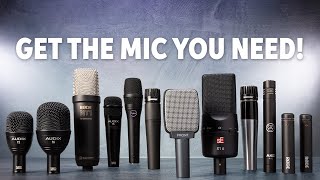
The microphone market splits into two clear camps: USB microphones that plug directly into any computer, and XLR microphones that require a separate audio interface. For beginners and streamers, USB is the right choice — one cable, instant setup, no additional gear required. For podcasters and recording professionals, XLR unlocks better preamp quality, more flexibility, and the option to upgrade hardware independently over time.
USB vs. XLR: Which Should You Buy?
USB microphones like the Blue Yeti and HyperX QuadCast S are the obvious choice for streaming, video calls, and home recording — no interface needed, just plug in. XLR microphones like the Shure SM7B ($299) and Shure SM58 ($299) require a separate audio interface but offer superior signal path quality and the flexibility to swap preamps. The Shure MV7 ($299) bridges both worlds with simultaneous USB and XLR outputs in a single microphone body.
Price Tiers: What You Get at Each Level
Under $120: The Blue Yeti and HyperX QuadCast S cover streaming and video calls with solid sound quality and plug-and-play simplicity. $120-$200: The Audio-Technica AT2020USB+ ($189.96) is a step up in condenser quality — cleaner high-frequency detail and better dynamic range for voice recordings. $200-$400: The Shure MV7 ($299) and SM7B ($299) enter professional territory, delivering the vocal presence used in commercial radio and podcast studios. The SM7B requires proper preamp gain to reach its full potential.

Who Should Buy What
Streamers and content creators who want standout audio without complex setup should choose the HyperX QuadCast S — built-in RGB, tap-to-mute, and four pickup patterns. Podcasters recording in noisy home environments benefit from the Shure SM7B's dynamic capsule, which rejects background noise far better than any condenser mic at this price. Home studio musicians and voice actors should look at the Audio-Technica AT2020USB+ ($189.96) for its cardioid condenser clarity. The Blue Yeti remains the best all-rounder for anyone who wants one versatile microphone for everything.
What to Avoid
Don't buy a condenser microphone if you record in an untreated room — condensers pick up every echo, HVAC hum, and keyboard click. Dynamic mics forgive bad acoustics; condensers reward treated spaces. Avoid USB microphones from unknown brands under $40 — they typically have narrow frequency response, high self-noise, and poor drivers that cause latency in streaming software. Skip buying the SM7B without budgeting for a proper preamp or inline booster (like the Cloudlifter CL-1) — it sounds thin and noisy without adequate gain.
Our Picks and Why
The Logitech Blue Yeti USB Microphone Blackout ($109.99) earns the top spot for clear, broadcast-quality sound with easy plug-and-play setup. The HyperX QuadCast S RGB USB Microphone ($119) is the step-up choice — a USB or XLR option depending on your setup. And the Audio-Technica AT2020USB+ Cardioid Condenser ($189.96) rounds out the top three with a value mic that still sounds clean on calls and streams.
“Four pickup patterns: cardioid, bidirectional, omnidirectional, stereo. 4.6 stars from 34,315 Amazon reviews signal consistent reliability.”
See Today’s Price →What we like
- Four pickup patterns: cardioid, omni, bidirectional and stereo
- Custom three-capsule condenser array
- On-mic controls for mute, gain, pattern and headphone volume
- No-latency headphone monitoring
- Adjustable desktop stand included; also fits a mic stand or boom arm
- Plug and play on Mac and PC
Watch out for
- A condenser: in a noisy room it hears more of the room than a dynamic microphone
- Its Blue VO!CE voice effects run in Logitech's software
Read Full Analysis
Four pickup patterns, plug-and-play; versatile for podcasting and content creation. Four pickup patterns: cardioid, bidirectional, omnidirectional, stereo Picks up more background noise than dynamic mics in noisy rooms Large and heavy — may need a boom arm upgrade from the included stand

“4 polar patterns for flexible recording setups. 4.7 stars from 18,755 Amazon reviews signal consistent reliability.”
See Today’s Price →What we like
- Tap-to-mute with an LED that shows when the mic is live
- Built-in anti-vibration shock mount and internal pop filter
- Four polar patterns: stereo, omnidirectional, cardioid, bidirectional
- Gain dial and headphone jack on the mic
- Mount adapter fits most mic stands and boom arms
- Certified by Discord and TeamSpeak
Watch out for
- A condenser: in a noisy room it hears more of the room than a dynamic microphone
Read Full Analysis
HyperX QuadCast S pairs four selectable polar patterns with full RGB lighting and an internal anti-vibration shock mount — a combination that addresses three common streaming setup problems simultaneously. The built-in anti-vibration mount isolates the capsule from desk vibrations and keyboard typing impact that condenser microphones without mounts transmit directly to the recording. Tap-to-mute with an illuminated LED indicator provides instant visual confirmation that the mic is muted, critical for live streaming where accidentally broadcasting an unintended moment is a publicly visible mistake. The HyperX QuadCast S costs $14 more than the Blue Yeti and $78 less than the Audio-Technica AT2020USB+. Against the Blue Yeti at its similar price, the QuadCast S adds the anti-vibration shock mount, built-in pop filter, tap-to-mute with LED feedback, and RGB lighting for streaming aesthetics — hardware features the standard Blue Yeti doesn't include. Against the AT2020USB+, you give up Audio-Technica's studio-grade condenser capsule quality and the headphone mix control, but gain streaming-specific hardware designed for desk use rather than studio tracking. The HyperX QuadCast S is the right pick for streamers and content creators who want professional-looking RGB, physical tap-to-mute control, and shock isolation without reaching into the $200 tier. Skip it for the Shure MV7 or AT2020USB+ if recording accuracy for podcasting, narration, or music production is the primary requirement — those mics target studio-grade performance over streaming aesthetics.
“Studio-grade condenser capsule with decades of Audio-Technica pedigree. 4.7 stars from 4,760 Amazon reviews signal consistent reliability.”
See Today’s Price →What we like
- Studio-grade condenser capsule with decades of Audio-Technica pedigree
- Built-in headphone mix control — blend mic input with playback audio in real time
- Wide dynamic range handles both vocals and instruments accurately
Watch out for
- Cardioid pattern only — no polar pattern switching
- More expensive than the Blue Yeti
Read Full Analysis
Best budget condenser, studio vocals/acoustics Studio-grade condenser capsule with decades of Audio-Technica pedigree Cardioid pattern only — no polar pattern switching Keep in mind: more expensive than the blue yeti. Compared to the HyperX QuadCast S RGB USB Microphone on this page, the Audio-Technica Audio-Technica AT2020USB+ Cardioid Condenser costs $78 more but may offer additional features or brand support worth considering for serious users.

“Dynamic mic design rejects background noise far better than condensers. 4.7 stars from 6,941 Amazon reviews signal consistent reliability.”
See Today’s Price →What we like
- Dynamic mic design physically rejects background noise that condenser mics pick up — HVAC systems, apartment walls, and keyboard sounds disappear from the recording
- Dual USB and XLR output lets you use this with your laptop today and upgrade to an audio interface later without replacing the microphone itself
- Voice-isolating technology tunes the polar pattern toward close-range voice frequencies, reducing pickup from everything else in the room at the same distance
- Touch-panel controls for gain, monitoring, and mute sit on the mic body — adjust levels without touching your computer software
- ShurePlus Motiv app applies EQ, compression, and limiting directly on the microphone so the signal arrives at your recording software already processed
Watch out for
- Cardioid-only (no multiple polar patterns like Blue Yeti)
- More expensive at $150
- Dynamic mics can sound thinner than condensers without proximity effect
Read Full Analysis
USB+XLR, strong noise rejection; excellent for untreated rooms and streaming. Dynamic mic design rejects background noise far better than condensers Cardioid-only (no multiple polar patterns like Blue Yeti) Keep in mind: more expensive. Compared to the Audio-Technica AT2020USB+ Cardioid Condenser on this page, the Shure Shure MV7 USB Podcast Microphone Black costs $102 more but may offer additional features or brand support worth considering for serious users.
Frequently Asked Questions
Do I need an audio interface for the Shure SM7B?
Is the Blue Yeti good enough for professional podcasting?
What's the difference between a condenser and dynamic microphone?
Can I use a USB microphone with an iPad or iPhone?
How do I reduce background noise from my microphone?
How We Chose These Products
We compare each product’s Amazon listing, the manufacturer’s published specifications and Amazon customer ratings, shown with their review counts as Amazon’s data, and rank the products on how well they answer this page’s question. We do not test products in hand and we do not run our own analysis of review text. A publication or expert is named only where we cite its published findings about that product. No manufacturer paid for placement on this page.
A price appears only when Amazon’s API supplied it at a recent daily refresh, with the date and time beside it, and is withdrawn at 4 AM Central on the day after it turns 24 hours old; otherwise use “Check price on Amazon” for the live price. Read our full methodology →
How We Score These Products
Each dimension score comes from evidence about the exact model listed — a published specification, a measurement by a named independent reviewer, or that product’s own buyer reviews, as described for each dimension below — not from a similar product in the same range. We do not test products ourselves, and we do not score a dimension we could not evidence. A dash means no evidence was found for that product, not that it performed badly.
Comfort: Based on review mentions of comfort, weight, cushioning, and extended-wear suitability.
Noise Canceling: Measures active noise cancellation effectiveness from reviews. Open-back headphones score 0 (no ANC by design).
Sound: Extracted from buyer reviews mentioning sound, audio, bass, treble, and clarity.
The overall score is the mean of the dimensions we could evidence for that product, on a 10-point scale. Price is shown separately and is never folded into a score. Amazon star ratings are shown separately and are never part of any score.