Best Microphones for Home Recording Beginners 2026
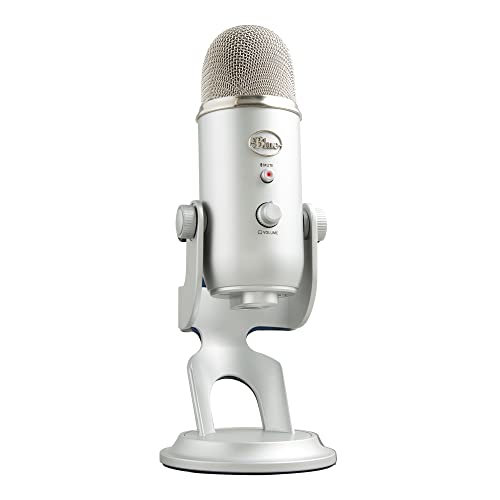
The Logitech Blue Yeti USB Microphone is the best home recording mic for most beginners — plug-and-play USB connection (no audio interface needed), multiple pickup patterns for different recording scenarios, and trusted by podcasters, streamers, and home studio musicians alike. For podcasting, the RØDE PodMic USB delivers broadcast-quality dynamic pickup in a purpose-built design.
At a Glance
| # | Product | Award | Price | Power Source | Audible Noise | Polar Pattern |
|---|---|---|---|---|---|---|
| 1 | Logitech Creators Blue Yeti USB M… Logitech G |
Best Overall USB Mic | $69.99 as of Nov 24, 12:11 PM CT details Buy → |
— | — | — |
| 2 | Best for Podcasting | $184.99 as of Nov 24, 12:32 PM CT details Buy → |
XLR or USB | 94 Decibels | Unidirectional | |
| 3 | Best for Streaming | $52.04 as of Nov 24, 12:24 PM CT details Buy → |
— | — | — | |
| 4 | Best Budget USB | $17.95 as of Nov 24, 12:23 PM CT details Buy → |
— | — | — |
Microphones for Home Recording Beginners Buying Guide
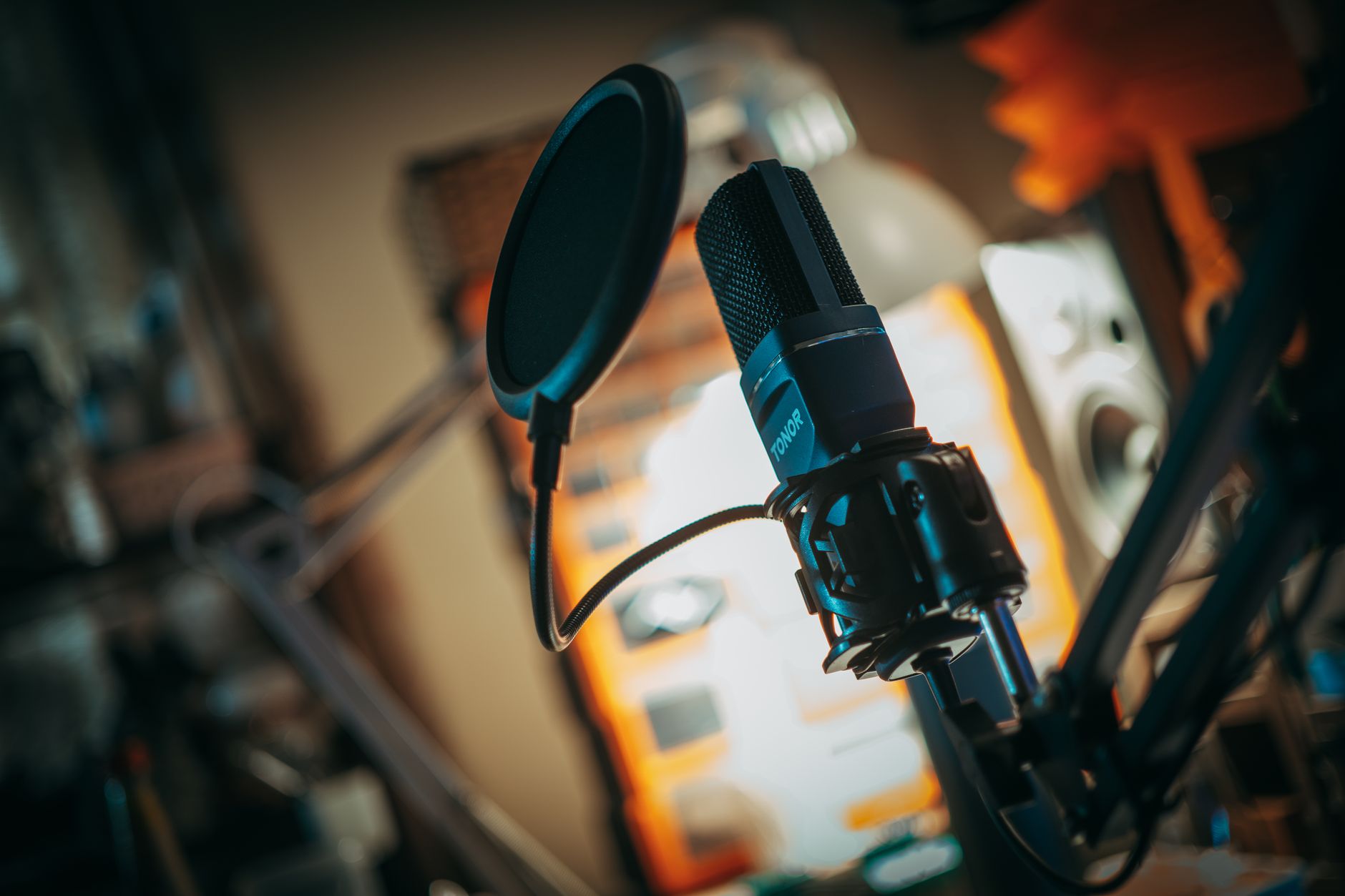 Photo by FOX ^.ᆽ.^= ∫ / Pexels
Microphone selection comes down to two fundamental choices: USB or XLR, and condenser or dynamic. USB microphones plug directly into your computer — no additional hardware required. XLR microphones require an audio interface between the microphone and your computer, which adds cost and complexity but improves signal quality and gives you more control. For beginners who aren't sure whether they'll continue recording, USB is the right starting point. For beginners who are committed to home recording and want the best possible sound quality, an XLR setup with a budget audio interface (Focusrite Scarlett Solo: ~$120) and a quality dynamic mic is worth the investment.
How we picked these. Microphones were selected for beginner-appropriate setup and verifiable recording quality at each price point.
Condenser vs. Dynamic: The Most Important Choice for Home Recording
Condenser microphones are more sensitive — they pick up more detail, more room ambience, and more of the natural characteristics of vocals and acoustic instruments. They're ideal for controlled recording environments (treated rooms, isolation booths). The problem for home recording: their sensitivity also picks up room reflections, keyboard clicks, HVAC noise, and street sounds. In an untreated room, condenser recordings often sound reverby and noisy. Dynamic microphones are less sensitive and have a tighter pickup pattern — they capture the source directly in front of them and reject room noise more aggressively. For untreated home environments (bedrooms, living rooms, closets), a quality dynamic like the Shure SM58 or RØDE PodMic produces tighter, cleaner recordings than a condenser in the same space. Counterintuitive for beginners, but real: a dynamic in a bad room often beats a condenser in the same bad room.
Pickup Patterns: What Cardioid, Omnidirectional, and Bidirectional Mean
Most microphones use a cardioid pattern — capturing sound primarily from the front and rejecting sound from the sides and rear. This is the correct pattern for solo podcasting, voiceover recording, and solo instrument recording. Omnidirectional captures equally in all directions — useful for recording a roundtable conversation or room ambience. Bidirectional (figure-8) captures front and rear, rejecting sides — useful for recording two people facing each other from one microphone. The Blue Yeti supports all four patterns (cardioid, omnidirectional, bidirectional, stereo), making it extremely flexible. The Shure SM58 and RØDE PodMic are cardioid-only, which is correct for solo recording and live performance.
Self-Noise: Why It Matters for Quiet Recordings
Self-noise (measured in dBA) is the electronic hiss the microphone generates internally. Lower is better. The Shure SM58 (dynamic) has negligible self-noise. The Blue Yeti (condenser) has approximately 20dBA of self-noise — inaudible during speech but audible during silent passages between words if you record at high gain. For voiceover and podcast recording, self-noise below 25dBA is acceptable. For recording quiet acoustic instruments (fingerpicked guitar, whispered vocals), target below 15dBA and use a dedicated condenser with low self-noise.
Price Tiers and What to Expect
Budget USB ($50–$100): Samson Satellite, Razer Seiren. Functional for podcasting and streaming. Adequate for online calls and basic voiceover. Not suitable for music production. Mid-range USB ($100–$160): Blue Yeti. The most versatile USB mic at this price — four pickup patterns, onboard headphone monitoring, gain control. The starting point for serious podcasting, streaming, and home recording. Professional USB/XLR ($150–$200): RØDE PodMic USB ($180), Shure SM58 ($180 XLR). Broadcast-grade quality. Shure SM58 has been used on live stages and recording studios for 50 years. These are tools that professional creators use for real work.

Our Picks and Why
The Logitech Blue Yeti USB Microphone is our overall pick for home recording — the long-running best-seller for podcasts and voiceovers, with four switchable pickup patterns, zero-latency headphone monitoring, and true USB plug-and-play that needs no audio interface. If you are committed to podcasting, the RØDE PodMic USB Dynamic Broadcast Microphone ($180) is purpose-built for it, with a broadcast-grade dynamic capsule, a built-in pop filter, and both USB-C and XLR outputs so it grows with your setup. For game streamers, the Razer Seiren Emote ($49.99) is a budget condenser with a tight supercardioid pattern and a built-in LED emoji display for on-stream reactions.
Watch Before You Buy

“Logitech Blue Yeti USB Microphone: the world's best-selling podcast and home recording microphone — four pickup patterns, zero-latency headphone monitoring, USB plug-and-play, and a decade of proven…”
See Today’s Price →What we like
- Four polar patterns (cardioid, bidirectional, omnidirectional, stereo) cover solo podcasting, face-to-face interviews, round-table groups, and room ambience from a single microphone without swapping capsules
- Built-in headphone jack with zero-latency monitoring lets you hear yourself in real time during recording without the delay that software monitoring introduces
- Gain control and mute button on the mic body allow hands-on adjustments without reaching for software controls mid-session
- USB connection works without an audio interface — plug in and record immediately on Mac or Windows without a driver download
Watch out for
- Advanced configuration may require technical knowledge to fully optimize
- Performance may lag behind premium models for intensive workloads
Read Full Analysis
Logitech Blue Yeti's four polar patterns make it the most adaptable microphone for home recording beginners who don't yet know exactly what they'll record. Cardioid mode handles vocal takes and podcast commentary; bidirectional covers two-person sessions where a singer faces a producer; omnidirectional captures full room ambience and acoustic instrument performances with natural bloom; stereo mode preserves spatial width for guitar or piano recordings. The built-in headphone jack with zero-latency monitoring lets you hear what the recording captures in real time during tracking, enabling immediate adjustment without playback review between takes. On this home recording page, the Blue Yeti sits above the Razer Seiren Emote and Samson Satellite at $24.99 in versatility and recording capability. Against the RØDE PodMic the Blue Yeti condenser captures more high-frequency detail, though the condenser element is more sensitive to room ambience and background noise than the RØDE's dynamic capsule. For beginners recording in typical home environments — untreated bedrooms and offices — both produce strong results, with the Blue Yeti's multi-pattern capability making it more adaptable as recording projects grow more varied. The Blue Yeti is the right home recording entry point for beginners who want one microphone covering vocals, acoustic instruments, podcasting, and interviews without purchasing separate equipment. Skip it for the RØDE PodMic if your home recording space has notable background noise and you need the dynamic capsule's natural ambient rejection.
Skip this if: You record in an untreated room with notable room echo — the Blue Yeti's condenser sensitivity will pick up room reflections; choose the RØDE PodMic dynamic for untreated spaces.

“RØDE PodMic USB Dynamic Broadcast Microphone: purpose-built for podcast recording with RØDE's broadcast-caliber dynamic capsule, internal pop filter, USB-C and XLR outputs on one microphone…”
See Today’s Price →What we like
- Integrated pop filter eliminates plosive artifacts without an add-on accessory
- XLR + USB-C dual output for full interface compatibility
- RØDE's Revolution Preamp delivers ultra-low noise for pristine recordings
Watch out for
- More expensive than the Blue Yeti for similar USB-only use cases
- Heavier broadcast-style housing requires a solid boom arm
Read Full Analysis
RØDE PodMic USB addresses the home podcast recording use case directly — its dynamic capsule naturally rejects ambient noise, room reflections, and air handling hum that home environments produce without acoustic treatment, while the Revolution Preamp maintains a clean signal floor for spoken-word recordings. The integrated pop filter is built into the grille rather than sold as an add-on accessory, and dual USB-C and XLR output provides a clear upgrade path from home USB recording to a professional studio interface without replacing the microphone. The RØDE PodMic is the premium option on this home recording page. Against the Blue Yeti at rank 1, the RØDE's dynamic capsule handles acoustically imperfect rooms more gracefully — the Blue Yeti's condenser is more sensitive and captures room tone alongside vocals, which can be a challenge in untreated home spaces. For podcast recordings where consistent episode-to-episode vocal quality matters more than multi-format versatility, the RØDE's single-purpose broadcast design is an asset. Against the Razer Seiren Emote and Samson Satellite at the budget end, the PodMic's noise floor and output clarity are measurably better for professional-quality episode delivery. Buy the RØDE PodMic USB if your primary home recording goal is clean podcast episodes delivered to a consistent broadcast standard in a real home environment without acoustic treatment. Skip it for the Blue Yeti if you also record instruments, need multiple polar patterns, or want more versatility across project types.
Skip this if: You need multiple pickup patterns for roundtable recording — the PodMic is cardioid-only; the Blue Yeti's pattern switching handles multi-person setups better.

“Razer Seiren Emote Wired Condenser Microphone: Razer's USB condenser with supercardioid pickup pattern, LED emoji display for stream reactions, and stream-optimized frequency response. Best for…”
See Today’s Price →What we like
- Built-in 80×40 LED display shows streaming reactions and emotes in real time — a physical visual element in-room audiences see that cameras don't capture
- Cardioid pickup pattern focuses on the voice directly in front while rejecting background noise from sides and rear
- USB plug-and-play connection works without phantom power, an audio interface, or driver installation on Mac and Windows
- 25mm condenser capsule captures the warm, detailed vocal tone that condenser elements provide over dynamic alternatives
Watch out for
- Advanced configuration may require technical knowledge to fully optimize
- Performance may lag behind premium models for intensive workloads
Read Full Analysis
Razer Seiren Emote delivers a 25mm condenser capsule for home recording setups producing streaming and video content — the cardioid polar pattern and condenser element capturing vocal warmth and detail that dynamic microphones at this price cannot match for close-mic home recording. USB plug-and-play works without drivers or an audio interface, making setup immediate from any home computer. The cardioid pattern focuses on the voice directly in front while rejecting ambient noise from the sides and rear. On this home recording page, the Seiren Emote sits between the Samson Satellite and the Blue Yeti at rank 1. Against the Blue Yeti, you give up three additional polar patterns and the headphone monitoring jack — the Seiren Emote captures only in cardioid mode. Against the RØDE PodMic, you pay $134 less but give up broadcast-grade dynamic noise rejection and the Revolution Preamp's noise floor. For home studio streaming and content creation where budget is the deciding constraint, the condenser capsule delivers vocal quality that represents a meaningful step up from built-in laptop or webcam audio. Buy the Razer Seiren Emote for home recording if you primarily produce streaming and video content and want condenser-quality vocal capture without a $100+ investment. Skip it for the Blue Yeti if you need polar pattern flexibility for recording instruments or multi-person sessions, or the RØDE PodMic if podcast-grade audio in a noisy home environment is the target.
Skip this if: You're recording music or serious podcast content — the Seiren Emote is optimized for gaming streams, not music production or professional voiceover.

“Samson Satellite USB/iOS Broadcast Microphone: works with both computers and iOS devices via USB, making it the most flexible USB microphone for mobile recording. Good entry-level option for podcast…”
See Today’s Price →What we like
- XY stereo capsules capture room acoustics naturally for podcasts and instruments
- USB + Lightning connections serve both PC and iOS devices from one mic
- Headphone jack with zero-latency monitoring lets you hear yourself in real time
- Compact round design looks good on a desk without a boom arm
Watch out for
- Omnidirectional pattern picks up background room noise in untreated spaces
- No physical gain knob — must adjust input level in system settings
Read Full Analysis
Samson Satellite brings XY stereo capsules and both USB and Apple Lightning connectivity to home recording — the only microphone on this page designed for stereo instrument capture and native iOS compatibility. The XY configuration records acoustic guitar, piano, ukulele, and drum practice with natural spatial depth that single-capsule cardioid microphones flatten. Zero-latency headphone monitoring lets you hear the recording in real time during tracking, and the compact tabletop form requires no boom arm or stand. As the budget entry on this home recording page, the Samson Satellite serves instrument-focused beginners who want stereo capture. Against the RØDE PodMic and Blue Yeti at rank 1, you give up vocal isolation quality and recording depth — but for acoustic instrument recordings at home where the stereo spread of a guitar or piano matters to the feel of the recording, the XY capsules capture something the cardioid-only alternatives compress away. The Lightning connector is a practical advantage for musicians who record on iPad using GarageBand or similar apps. Buy the Samson Satellite if you record acoustic instruments at home and want stereo capture at an entry price, or if you use iPad as your primary recording device and need Lightning compatibility. Skip it for the Blue Yeti if vocal podcasting and single-voice commentary are the primary recording format — cardioid isolation delivers cleaner voice takes than stereo XY capture.
Skip this if: You're committed to home studio recording — the Samson is a starting point for podcast beginners; the Blue Yeti at a similar or slightly higher price delivers significantly better recording quality.
Frequently Asked Questions
Do I need an audio interface for home recording?
Is the Blue Yeti worth it for podcasting?
What's the best microphone for recording in an untreated room?
What is the RØDE PodMic used for?
Can the Shure SM58 be used for home recording?
How We Chose These Products
We compare each product’s Amazon listing, the manufacturer’s published specifications and Amazon customer ratings, shown with their review counts as Amazon’s data, and rank the products on how well they answer this page’s question. We do not test products in hand and we do not run our own analysis of review text. A publication or expert is named only where we cite its published findings about that product. No manufacturer paid for placement on this page.
A price appears only when Amazon’s API supplied it at a recent daily refresh, with the date and time beside it, and is withdrawn at 4 AM Central on the day after it turns 24 hours old; otherwise use “Check price on Amazon” for the live price. Read our full methodology →