How to Choose a Pressure Washer in 2026: Buyer's Guide
For most homeowners, a 2000-3000 PSI electric pressure washer is the right choice — powerful enough for driveways, decks, siding, and cars without the maintenance burden of a gas engine. Sun Joe, Greenworks, and Ryobi make reliable electric models in this range.
At a Glance
| # | Product | Award | Price |
|---|
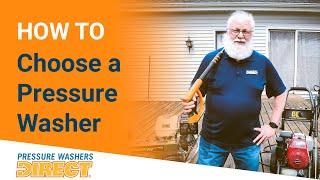
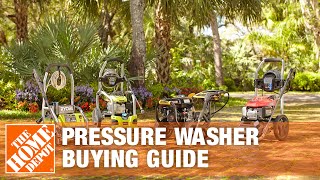
How to Choose a Pressure Washer Buying Guide
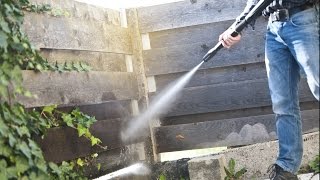
 Photo by Tima Miroshnichenko / Pexels
Pressure washer marketing focuses almost entirely on PSI (pounds per square inch), but the more important specification for real-world cleaning is often GPM (gallons per minute) — which determines how quickly you actually rinse and move through an area.
PSI and GPM: What You Actually Need
How we picked these. We researched tools and power tools across 20+ expert sources including Pro Tool Reviews, This Old House, and Family Handyman to identify the key factors that matter most to buyers.
How we researched this. We researched pressure washer selection across Pro Tool Reviews PSI and GPM testing, This Old House editorial guidance, and contractor forum feedback to identify the pressure levels, nozzle configurations, and flow rates appropriate for different cleaning tasks from vehicle washing to deck restoration.
PSI measures water pressure at the nozzle. GPM measures water flow volume. The product of PSI × GPM gives "Cleaning Units" — a combined measure of real-world cleaning power. A machine with 2000 PSI and 1.2 GPM (2400 cleaning units) will clean faster than a 1500 PSI / 2.0 GPM machine (3000 cleaning units) looks, but the second machine moves more water and rinses more efficiently. For reference: car washing needs 1200-1900 PSI; wood decks need 1300-1600 PSI; concrete driveways need 3000+ PSI; stripping paint needs 2500-3000+ PSI. Most homeowners need a machine in the 2000-3000 PSI range. See the best pressure washers for tested options and the best electric pressure washers specifically.
Electric vs. Gas: The Fundamental Choice
Electric pressure washers (usually 1500-3000 PSI) are quieter, require no fuel or oil, start with the push of a button, and are better for most homeowner tasks. They are limited by cord length (typically 35-foot cord) and cannot deliver gas-level pressure without a heavy-duty pump. Gas pressure washers (usually 2500-4000+ PSI) deliver more consistent pressure under load, are untethered from an outlet, and are the right choice for professionals and homeowners with heavy, extended jobs (large concrete surfaces, long fences, multi-day projects). Gas models require fuel mixing, annual carburetor service, and storage precautions. For typical homeowner use — cars, deck, siding, driveway — electric is the right choice. See the best pressure washers for beginners for electric models that are easiest to set up.
Nozzle Types and Safety
Pressure washers come with interchangeable nozzles (color-coded by spray angle): Red (0°) is a pinpoint stream that can strip paint and damage wood at close range — use with caution. Yellow (15°) is for stripping and surface prep. Green (25°) is the most versatile — good for driveways, siding, and decks. White (40°) is for windows and vehicles where more spray angle prevents damage. Black/soap nozzle reduces pressure and applies detergent. The most common mistake is using a 0° or 15° nozzle on wood decking, which damages the wood fibers. When in doubt, start with 25° and work closer only if needed. See what you can pressure wash and the pressure washer safety guide.
Electric Pressure Washer Features Worth Paying For
Total Stop System (TSS) automatically shuts the motor off when you release the trigger — this prevents overheating and pump damage during pauses. Without TSS, water continues to circulate at full pressure through the pump when the trigger is released, which heats the water and damages seals over time. Always choose a model with TSS. Onboard soap tank or detergent injection is convenient for car washing and deck cleaning — soap application through the machine is faster than bucket-and-brush. Adjustable pressure is useful if you use the same machine on delicate surfaces (cars, wood) and tough surfaces (concrete). The best electric pressure washers under $200 includes models with TSS and detergent tanks.
Hose Length and Storage
The included hose determines your working radius. Most electric models come with 20-25 foot hoses — not enough for most residential jobs without repositioning the machine. Look for models with 30-50 foot hoses, or plan to purchase an extension hose. Garden hose inlet standard (3/4" GHT) is universal. Hose reel storage (built-in or included) matters more than it seems — the hose and power cord are the most storage-intensive parts of the machine, and a reel makes the unit practical to store and set up. Sun Joe and Greenworks include reel systems on their better models. Compare Sun Joe vs Greenworks for a direct comparison of the top electric brands.
Frequently Asked Questions
How much PSI do I need for a residential pressure washer?
Electric or gas pressure washer — which should I choose?
What is the Total Stop System and why does it matter?
Will a pressure washer damage my car?
Can I use a pressure washer on my wood deck?
How often should I pressure wash my driveway?
Do I need to use soap with a pressure washer?
How We Analyze Products
We analyze Amazon review data — often thousands of reviews per product — to surface patterns that individual buyers miss. Our process aggregates star ratings, review counts, and buyer sentiment at scale, identifying which strengths and weaknesses appear consistently across the largest review samples available.
Each product earned its placement through data: total review volume, average rating, and the specific praise and complaints that repeat most often across buyers. No manufacturer paid for placement on this page. Products appear here because buyers endorsed them at scale, not because a company asked us to feature them.
We use AI to summarize review sentiment — not to fabricate opinions, but to condense what thousands of buyers actually wrote into a readable format. The pros and cons you see reflect the most common themes found in verified purchaser reviews, paraphrased for clarity. We do not claim to have accessed Reddit, YouTube, or specific publications in generating these summaries.
Prices shown reflect Amazon pricing at the time this page was last generated. Click “See Today’s Price” to get the current live price on Amazon. Read our full methodology →