Best Raised Garden Bed Kits Under $100
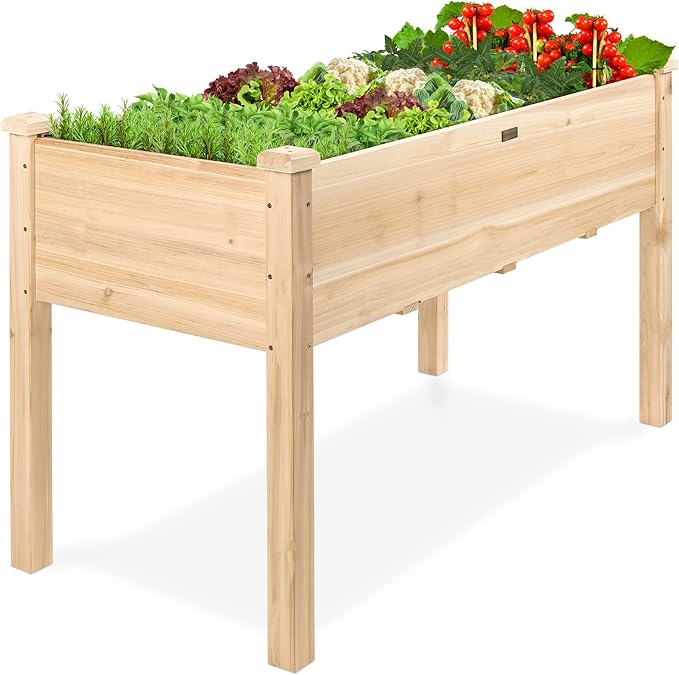
The Best Choice Products 48x24x30in Raised Garden Bed at $59.99 is the top kit under $100 — 30-inch standing height eliminates bending during planting and harvest. Greenes Fence cedar boards are the longer-lasting alternative if the budget stretches to $39.99.
See Today’s Price →At a Glance
| # | Product | Award | Price |
|---|---|---|---|
| 1 | Best Choice Products 48 x 24 x 30… Best Choice Products |
Best Overall | $89.99 Buy → |
| 2 |  Greenes Fence Premium Cedar Raise… Greenes Fence Premium Cedar Raise…Greenes Fence |
Best Cedar | Check current price on Amazon Buy → |
| 3 |  Yaheetech 1pc Raised Garden Bed 4… Yaheetech 1pc Raised Garden Bed 4…Yaheetech |
Best Elevated | $59.99 Buy → |
Raised Garden Bed Kits Under $100 Buying Guide
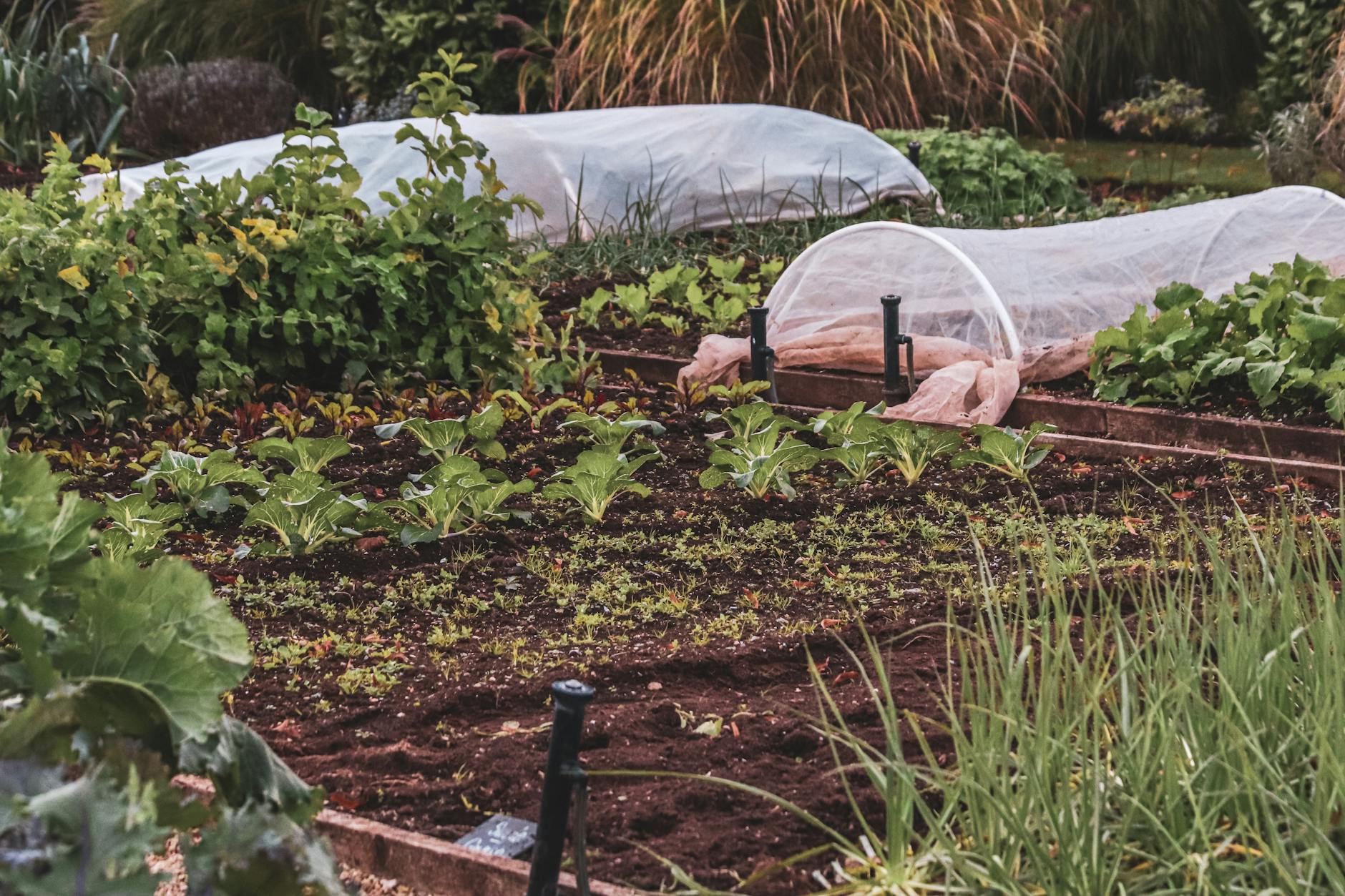 Photo by Boys in Bristol Photography / Pexels
A raised bed kit removes most of the hard work — no digging, no tilling. You fill with quality soil and start planting. Under $100 covers most 4x4 to 4x8 foot beds in wood, metal, or composite.
Material Matters
Cedar is the gold standard — naturally rot-resistant and chemical-free (safe for vegetables). Douglas fir is cheaper but rots faster. Galvanized steel lasts 20+ years but costs more upfront. Avoid treated pine for food crops.
Height and Accessibility
Standard beds (6-12 inches tall) work for most plants. Elevated beds (24-30 inches) are back-friendly and wheelchair-accessible. Root vegetables like carrots and potatoes need 12+ inches of depth.
Size and Layout
4 feet wide is the sweet spot — you can reach the center from either side without stepping in. 4x8 feet gives enough space for a serious vegetable garden. Longer beds need a center support beam to prevent bowing.
Assembly
Most kits use corner brackets or dovetail joints — no tools needed. Check that corner connections are metal-reinforced; wood-only corners loosen after a few soil expansions and contractions.
The Best Choice Products 48 x 24 x 30 Inches Raised Garden Bed at $89.99 is the pick to beat here. The cedar wood panel inserts provide a natural look while the steel frame corners give structural stability across multiple seasons. Below is what the other 2 options on this page do differently, and what each one costs.
How these compare
Best Choice Products 48 x 24 x 30 Inches Raised Garden Bed ($89.99) — The cedar wood panel inserts provide a natural look while the steel frame corners give structural stability across multiple seasons. Greenes Fence Premium Cedar Raised Garden Bed ($39.99) — Naturally rot-resistant cedar. Trade-off: 7-inch depth limits to shallow-rooted crops. Yaheetech 1pc Raised Garden Bed 48x24x30in Elevated Wooden ($59.99) — Table-height at 30 inches — no bending required. Trade-off: Shallower planting depth than ground-level beds.
What the price difference buys
Prices on this page run from $39.99 to $79.99, a difference of $40.00. The Greenes Fence Premium Cedar Raised Garden Bed is the least you can spend here, and the compromise is noted as: 7-inch depth limits to shallow-rooted crops. The Best Choice Products 48 x 24 x 30 Inches Raised Garden Bed asks $89.99, and what it offers for that is: The cedar wood panel inserts provide a natural look while the steel frame corners give structural stability across multiple seasons. Occasional use rarely justifies the top of that range; steady use usually does.
Which one fits your situation
Best Choice Products 48 x 24 x 30 Inches Raised Garden Bed — best for: Mid-range buyers: Homeowners who want reliable outdoor equipment for routine seasonal yard and garden maintenance. Greenes Fence Premium Cedar Raised Garden Bed — best for: Herbs, lettuce, and flowers in a natural wood setting. Yaheetech 1pc Raised Garden Bed 48x24x30in Elevated Wooden — best for: Elderly gardeners, people with back issues, or wheelchair gardeners.
What to check before you buy
Greenes Fence Premium Cedar Raised Garden Bed — 7-inch depth limits to shallow-rooted crops. Yaheetech 1pc Raised Garden Bed 48x24x30in Elevated Wooden — Shallower planting depth than ground-level beds. None of these is disqualifying on its own, but they are what buyers most often notice once the box is open.
The details that decide it
Greenes Fence Premium Cedar Raised Garden Bed — Classic wood aesthetic. Yaheetech 1pc Raised Garden Bed 48x24x30in Elevated Wooden — Includes two large planting boxes.
Watch Before You Buy

“Best Choice Products 48x24x30" elevated bed is ADA-friendly height — no kneeling required for $79.99.”
See Today’s Price →What we like
- Extra-long 48-inch length gives one of the largest planting footprints in the under-$100 category|30-inch height keeps weeding at a comfortable height with minimal bending|Steel frame with powder coat handles outdoor weather across multiple growing seasons|Cedar wood panels provide warm natural look at lower cost than all-cedar beds
Watch out for
- Steel frame corners can rust at cut edges if the coating chips and is not touched up|Large panel assembly takes 45-60 minutes and benefits from two people
Read Full Analysis
At $84.99, the Best Choice Products elevated bed delivers one of the largest planting footprints in the under-$100 category: 48x24 inches of growing surface at a 30-inch standing height that eliminates kneeling entirely. That ADA-friendly height is the defining differentiator here — most raised beds in this price range sit 12-18 inches off the ground, requiring significant bending throughout the growing season. The cedar wood panel inserts provide a natural look while the steel frame corners give structural stability across multiple seasons. One maintenance note: the powder-coated steel corners can rust at cut edges if the coating chips — a quick touch-up of any exposed metal at the start of each season extends the life considerably. Assembly takes 45-60 minutes and benefits from two people for panel fitting, but the standing-height ergonomics make that a one-time investment that pays off every time you tend the bed.
“Greenes Fence original cedar raised bed is rot-resistant and chemical-free — classic choice at $40.”
See Today’s Price →What we like
- Naturally rot-resistant cedar
- Classic wood aesthetic
- No chemical treatments
- Easy interlocking assembly
Watch out for
- 7-inch depth limits to shallow-rooted crops
- Cedar warps slightly with moisture over time
- Shorter lifespan than metal alternatives
Read Full Analysis
Greenes Fence has built cedar raised beds for over 40 years — the interlocking corner design that lets the boards stack and lock without tools or hardware is their original innovation and still the reason the brand appears on this list at $39.99. For a first raised bed, no-tool assembly means setup goes from unboxing to planting-ready in under 30 minutes, without a drill or measuring tape. At 4x4 feet and 7-inch depth, this is the classic starter bed size that fits most backyard corners, patios, and side-yard strips while providing enough root depth for tomatoes, peppers, lettuce, and most herbs. Naturally rot-resistant cedar with no chemical treatments means it's food-safe from day one — relevant for vegetable gardeners who don't want to research what's in the wood that contacts their soil. The 7-inch depth is the main constraint for this price point. Deep-rooted crops — carrots, full-sized beets, parsnips — need 12 inches or more. The Best Choice Products ($89.99 on this page) and Yaheetech Elevated ($59.99) offer more depth and footprint at higher prices. Cedar warps slightly with moisture through seasonal cycles, which the interlocking system accommodates without the bed losing structural integrity. At $39.99 this is the lowest-cost entry on this page and the right first bed for gardeners establishing whether raised bed growing fits their routine before committing to larger, more expensive installations.
“Yaheetech elevated planter with legs keeps soil off patios and deters ground pests for $62.”
See Today’s Price →What we like
- Table-height at 30 inches — no bending required
- Includes two large planting boxes
- Fir wood construction
- Drainage holes in both boxes
Watch out for
- Shallower planting depth than ground-level beds
- Wood may need sealing after first season
- Limited to smaller plants at this depth
Read Full Analysis
Table-height planters solve two problems that ground-level raised beds don't: the 30-inch legs keep soil containers off patios and decks (no moisture damage to surfaces underneath), and the elevation breaks the slug-and-snail access pathway that ground-level beds provide to climbing pests. At $61.99, the Yaheetech fits between the Greenes Fence cedar bed ($39.99) and Best Choice ($89.99) on this page on price while occupying a different functional category. Two large planting boxes with drainage holes distribute the weight and allow independent planting — herbs in one box, vegetables in the other, or rotating crops between boxes across seasons without disturbing both sections simultaneously. Fir wood construction is lighter than cedar but comparable in workability; note that fir is not naturally rot-resistant the way cedar is, so sealing with an outdoor wood preservative after the first season extends its service life significantly. The planting depth per box is the constraint to understand before buying: elevated planters sacrifice root depth relative to ground-level beds of the same footprint because the structural frame takes up vertical space. Works well for tomatoes (stake-supported), peppers, herbs, lettuce, and flowers. For deep-rooted crops like carrots or full parsnips, the ground-level Greenes Fence or Best Choice beds on this page provide more effective root depth per dollar.
Frequently Asked Questions
What material is best for raised garden bed kits?
How deep should a raised garden bed be?
Do raised beds need a bottom?
What do you give up in a raised bed kit under $100?
How We Analyze Products
We analyze Amazon review data — often thousands of reviews per product — to surface patterns that individual buyers miss. Our process aggregates star ratings, review counts, and buyer sentiment at scale, identifying which strengths and weaknesses appear consistently across the largest review samples available. The 14,015+ reviews analyzed on this page represent real verified-purchase feedback from Amazon buyers.
Each product earned its placement through data: total review volume, average rating, and the specific praise and complaints that repeat most often across buyers. No manufacturer paid for placement on this page. Products appear here because buyers endorsed them at scale, not because a company asked us to feature them.
We use AI to summarize review sentiment — not to fabricate opinions, but to condense what thousands of buyers actually wrote into a readable format. The pros and cons you see reflect the most common themes found in verified purchaser reviews, paraphrased for clarity. We do not claim to have accessed Reddit, YouTube, or specific publications in generating these summaries.
Prices shown reflect Amazon pricing at the time this page was last generated. Click “See Today’s Price” to get the current live price on Amazon. Read our full methodology →