How to Set Up a Home Gym (2026 Guide)
Start with what you will actually use: adjustable dumbbells ($150–$300) cover most strength training, a pull-up bar ($30–$60) adds bodyweight upper-body work, and resistance bands ($20–$40) fill in the gaps. Build from there based on specific goals before buying a treadmill or power rack you may not need.
At a Glance
| # | Product | Award | Price |
|---|
How to Set Up a Home Gym (2026 Guide) Buying Guide
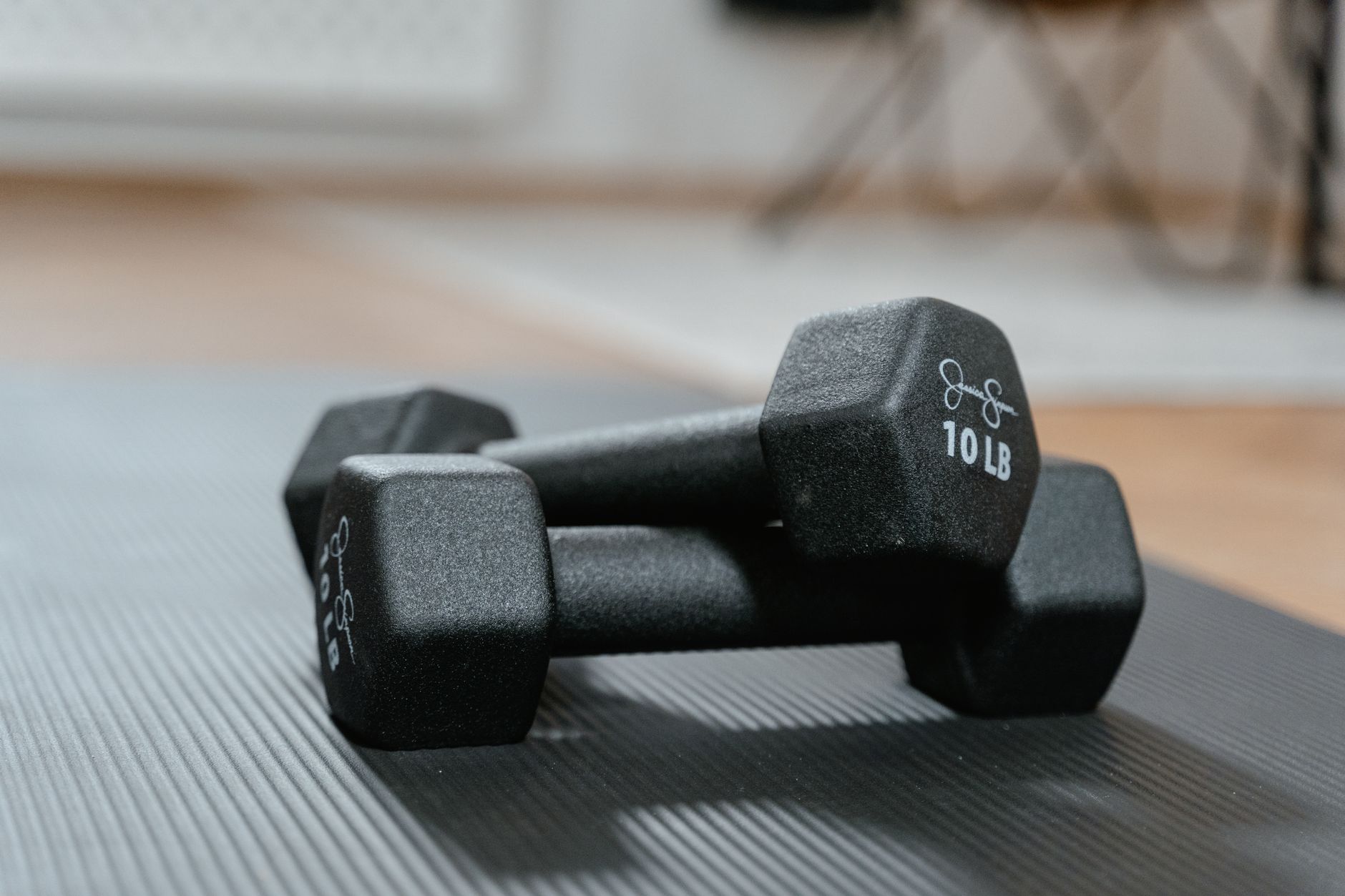 Photo by MART PRODUCTION / Pexels
How we researched this. We researched home gym setup across 20+ expert sources including r/homegym, Garage Gym Reviews, ACE Fitness, and strength training publications, synthesizing guidance from certified personal trainers and competitive athletes to create a comprehensive setup guide.
A home gym does not need to replicate a commercial facility — it needs to support the specific workouts you actually do consistently. Most people overspend on equipment they do not use and underspend on the foundational pieces that drive 80% of their training results.
Step 1: Space Planning and Flooring
How we picked these. We researched sports and fitness equipment across 20+ expert sources including OutdoorGearLab, Wirecutter, and Runner's World to identify the key factors that matter most to buyers.
The minimum usable space for a home gym is 100 square feet (roughly 10x10 feet), which accommodates a power rack, bench, and small dumbbell collection with room to move. 150–200 square feet is comfortable for most training styles. A single-car garage (approximately 200 square feet) or spare bedroom (typically 120–150 square feet) works well. Measure your ceiling height before buying any overhead press rack or pull-up bar attachment — 8-foot ceilings are adequate; 7-foot ceilings limit overhead press range of motion. Flooring is the most overlooked home gym investment: rubber gym tiles or rubber flooring rolls protect both your floor and your equipment, reduce noise transmission to floors below, and provide a stable surface for lifts. Budget $150–$400 for flooring depending on area size. Installing flooring before equipment saves significant hassle.
Step 2: Define Your Training Style
Equipment choice should follow training priority, not equipment availability. Strength training (powerlifting, bodybuilding) centers on barbells, plates, power rack, and bench — the foundational equipment that enables compound movements. HIIT and cardio training centers on a cardio machine (treadmill, rower, stationary bike, ski erg) plus some open floor space. Flexibility and bodyweight training requires minimal equipment: a mat, pull-up bar, and some resistance bands. Mixed training, which most people do, benefits from a middle-ground approach: adjustable dumbbells that replace a full dumbbell rack, a pull-up and dip station, and either a cable machine or resistance bands for cable-equivalent exercises. Identify your primary training modality before purchasing anything.
Step 3: Equipment by Budget Tier
$200–$500 (starter gym): Adjustable dumbbells (5–50 lb), resistance bands, pull-up bar, yoga or exercise mat. This setup enables hundreds of effective exercises for all major muscle groups and covers most beginner-to-intermediate training needs. $500–$1,200 (intermediate gym): Add an adjustable bench, a kettlebell or two, and either a barbell with a small plate set or a cable machine for rows and pull-downs. $1,200–$2,500 (full strength gym): Power rack or squat stand, 300 lb barbell and plate set, adjustable bench, and dumbbell rack. $2,500+ (premium gym): Add a cardio machine (quality treadmill, rower, or bike) and expand the dumbbell range. The most common mistake is buying a commercial treadmill as the first purchase — cardio equipment is expensive, large, and often used less than anticipated compared to strength equipment.
Step 4: What to Buy First
Adjustable dumbbells should be the first purchase for most home gym setups. A quality set (like Bowflex SelectTech or PowerBlock) replaces 15–20 fixed-weight dumbbells in a single unit, covering the weight range needed for most exercises from warm-up to working sets. The second purchase for most people is a pull-up bar — either a doorframe-mounted bar ($25–$40) or a standalone pull-up and dip station ($80–$150). These two purchases cover the majority of pressing, pulling, and isolation movements for full-body training. A flat or adjustable bench ($100–$250) is the third purchase and unlocks chest press, incline work, and a stable surface for dumbbell rows. Resist the urge to buy a power rack until you are consistently training with a barbell — the rack takes significant space and is underutilized if you primarily lift dumbbells.
Step 5: Cardio Equipment Decision
Cardio machines are the most expensive and space-intensive home gym purchases. A quality treadmill suitable for regular running starts at $800 and goes to $3,000+ for commercial-grade units. Rowing machines ($300–$1,500) provide full-body conditioning in a compact footprint and are gentler on joints than treadmills. Stationary bikes ($200–$1,000) are the smallest footprint and lowest-impact cardio option. Air bikes (like the Assault AirBike) are effective for high-intensity intervals in a compact, durable package at $400–$700. Before investing in cardio equipment, honestly assess your cardio habits — outdoor running, cycling, or swimming may meet your needs at no additional equipment cost. If a cardio machine is the right addition, buy it last after the strength training foundation is in place.
If you're also considering how to Build a Home Gym on Any Budget, see our How to Build a Home Gym on Any Budget (2026). If you're also considering how to Build a Home Gym (2026): Equipment to Buy in Order, From $200 to, see our How to Build a Home Gym (2026): Equipment to Buy in Order, From $200 to. If you're also considering how to Build a Home Gym: Setup for Every Budget and Space, see our How to Build a Home Gym: Setup for Every Budget and Space (2026).
Ready to Buy? Our Top Comparisons
Now that you know what to look for, explore our comparisons:
- Best Home Gym Equipment Under $200 (2026)
- How to Build a Home Gym (2026): Equipment to Buy in Order, From $200 to
- Best Home Gym Equipment 2026: Weights, Cables & Cardio
- Best Home Gym Setup 2026 — Power Racks, Bumper Plates & Storage
- Best Olympic Barbells for Home Gym 2026
- Best Dumbbells for Home Gym (2026) — The Foundation of Any Home Workout
- Best Home Gym Essentials (2026)
Frequently Asked Questions
How much does it cost to set up a basic home gym?
Do I need rubber flooring for a home gym?
What are the most important pieces of home gym equipment?
Is a home gym better than a gym membership?
What is the minimum space needed for a home gym?
Should I buy adjustable dumbbells or fixed-weight dumbbells?
What cardio equipment takes up the least space?
How We Analyze Products
We analyze Amazon review data — often thousands of reviews per product — to surface patterns that individual buyers miss. Our process aggregates star ratings, review counts, and buyer sentiment at scale, identifying which strengths and weaknesses appear consistently across the largest review samples available.
Each product earned its placement through data: total review volume, average rating, and the specific praise and complaints that repeat most often across buyers. No manufacturer paid for placement on this page. Products appear here because buyers endorsed them at scale, not because a company asked us to feature them.
We use AI to summarize review sentiment — not to fabricate opinions, but to condense what thousands of buyers actually wrote into a readable format. The pros and cons you see reflect the most common themes found in verified purchaser reviews, paraphrased for clarity. We do not claim to have accessed Reddit, YouTube, or specific publications in generating these summaries.
Prices shown reflect Amazon pricing at the time this page was last generated. Click “See Today’s Price” to get the current live price on Amazon. Read our full methodology →