How to Choose Safety Glasses in 2026
Always buy safety glasses marked Z87+ (high-impact certified). Choose anti-fog coating for temperature changes and heavy exertion. Use wraparound frames for better side protection. Switch to goggles for chemical splash hazards. Replace when lenses are scratched enough to impair vision.
At a Glance
How to Choose Safety Glasses Buying Guide
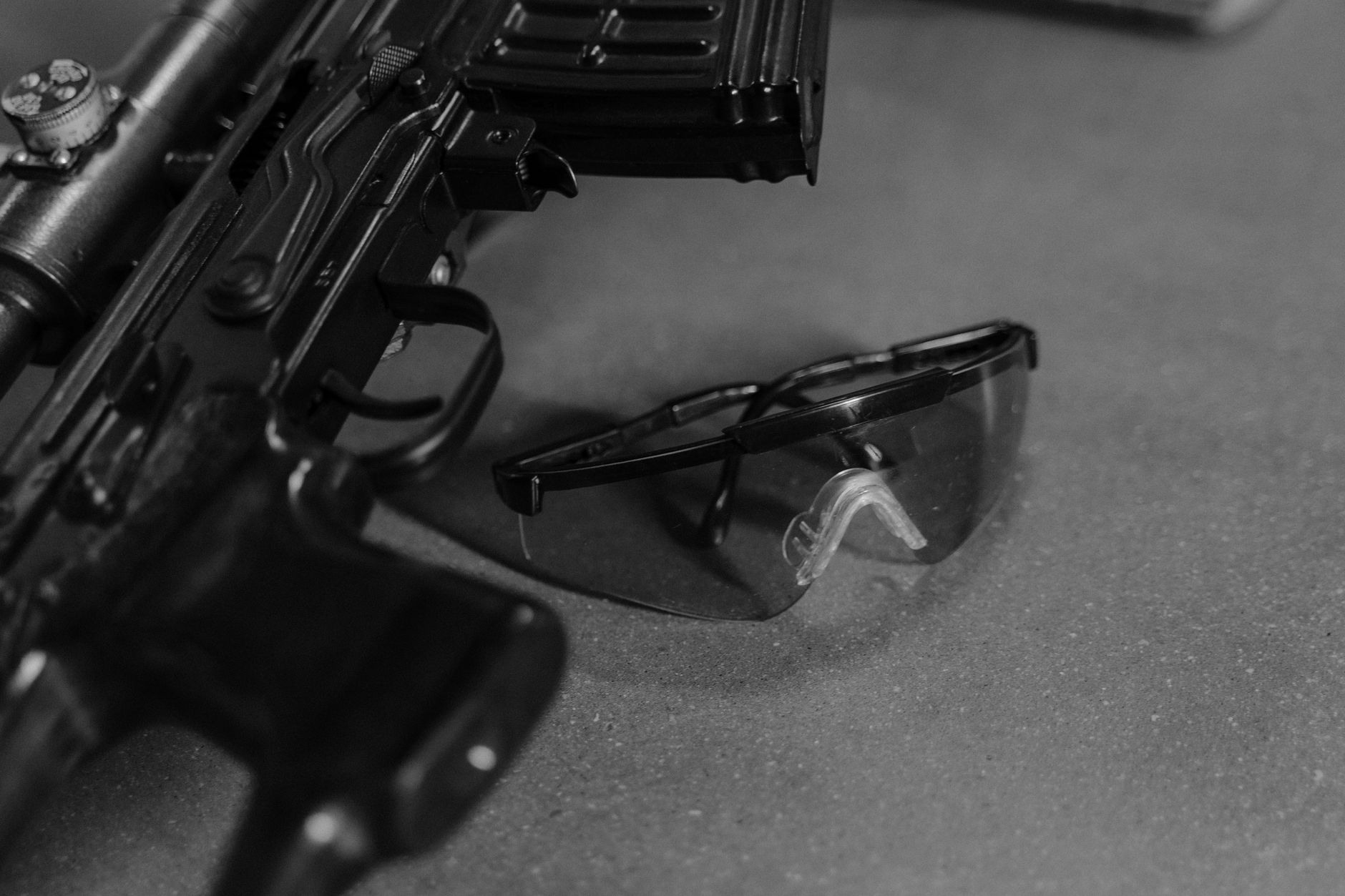 Photo by Tima Miroshnichenko / Pexels
How we researched this. We researched safety glasses selection across 20+ expert sources including OSHA standards documentation, r/Tools, occupational safety publications, and industrial hygienist recommendations, synthesizing guidance from safety professionals and tool reviewers to create a comprehensive buying guide.
Eye injuries from workplace and workshop hazards are among the most preventable serious injuries in any setting — and the majority happen to people who were not wearing eye protection at the time. Choosing safety glasses that meet the right standards, fit properly, and are comfortable enough to actually wear consistently is worth the 10 minutes it takes to do correctly.
ANSI Z87.1: The Standard That Matters
How we picked these. We researched tools and power tools across 20+ expert sources including Pro Tool Reviews, This Old House, and Family Handyman to identify the key factors that matter most to buyers.

Any safety eyewear sold in the U.S. for occupational use must meet ANSI Z87.1 requirements. Look for the "Z87+" marking on the frame or lens — this indicates the product has been certified to meet the high-impact standard (tested against a 1/4-inch steel ball at 150 feet per second). Products marked "Z87" without the plus sign meet only the basic impact standard. For general workshop use, woodworking, metalworking, and most industrial applications, Z87+ is the correct specification. Products without any Z87 marking are not certified safety glasses regardless of how they are marketed. Our roundup of the best safety glasses includes only ANSI Z87.1 certified options across different protection levels.
Lens Types: Clear, Tinted, Anti-Fog, and Polarized
Clear lenses are the default for indoor workshop use and all conditions where light reduction is not wanted. Anti-fog coatings are essential for any application involving temperature changes (moving between environments), heavy exertion, or high humidity — fogged lenses are removed rather than cleaned, which defeats the purpose. Indoor/outdoor (amber or clear) lenses provide contrast enhancement useful for detecting detail in low-contrast environments. Tinted lenses are appropriate for outdoor work in bright sun but should never be used indoors where they reduce visibility. Polarized lenses reduce glare on reflective surfaces; useful for outdoor cutting, grinding near reflective metal, or near water. Anti-scratch coatings extend lens life significantly and are worth the small premium on frequently used eyewear.
Fit: Why It Matters More Than Any Feature
Safety glasses that do not fit are not worn — surveys consistently show that fit and comfort are the primary reasons workers remove eye protection. Key fit factors: the frame should sit close to the face without touching the eyelashes (gap allows debris to enter from the sides), temples should not press uncomfortably on the sides of the head during extended wear, and the lens should provide adequate vertical coverage (important when drilling overhead or working with grinders that generate upward debris). Wraparound styles provide better peripheral protection than traditional flat-lens styles. Test fit with any hat or hearing protection you wear simultaneously — some safety glasses conflict with hard hat brims or earmuff cups.

Over-Glasses (OTG) for Prescription Wearers
Prescription eyeglass wearers have two main options: over-the-glasses (OTG) safety glasses designed to fit over standard eyewear, or prescription safety lenses in certified safety frames. OTG glasses are inexpensive and immediately available, but the fit is a compromise — the outer safety frame often does not seal as closely to the face when worn over prescription frames, and fogging is more common. For users who wear safety glasses for significant time at work or in the shop, custom prescription safety lenses in Z87+ frames provide better fit, optical quality, and long-term comfort. Check whether your employer''s insurance covers prescription safety eyewear.
Chemical and Splash Protection: When Standard Safety Glasses Are Not Enough
For work involving chemical splash risk (automotive battery work, chemical mixing, pressure washing with chemical agents), standard safety glasses leave the sides and top of the eye unprotected. Safety goggles with indirect ventilation provide splash protection from all directions and are the appropriate choice for these hazards. For grinding and cutting operations that generate significant sparks and debris, face shields provide full-face protection and are worn over safety glasses, not instead of them. See our complementary guides to best impact wrenches and best cordless drills — power tool use is among the most common contexts requiring consistent eye protection.
Replacement Timing and Lens Inspection
Safety glasses degrade in ways that are not always visible. Lens scratches accumulate and reduce optical clarity — a significantly scratched lens impairs vision and reduces protection. The impact resistance of polycarbonate lenses degrades with age and UV exposure; lenses over 3-5 years old in active use may not provide the same impact resistance as new lenses even if they appear intact. Replace safety glasses when: lens scratches are visible during use (not just under direct light), the frame is bent or the temples are loose (compromised fit reduces protection coverage), the anti-fog coating has worn off on high-use glasses (fogged lenses get removed, defeating protection), or the lenses show any cracks or chips from impacts — even a small chip reduces structural integrity. For occasional-use glasses in low-impact environments (light woodworking, basic yard work), quality glasses can last 5+ years. For daily industrial use, annual replacement as a routine practice is justified by the low cost relative to eye injury risk.
Matching Eye Protection to Specific Hazards
Different tasks require different protection levels. For basic woodworking and light metalwork: standard clear Z87+ polycarbonate safety glasses, full coverage wrap-around frame. For grinding operations: safety glasses plus a face shield — glasses alone do not protect against the full debris field from an angle grinder. For chemical use (battery acid, cleaning agents, pool chemicals): safety goggles with indirect ventilation — standard safety glasses leave gaps at the sides and top that allow splash entry. For welding: appropriate shade welding lenses (auto-darkening helmets for MIG/TIG, fixed shade for oxy-acetylene); standard safety glasses provide no UV or infrared protection from welding arcs and can cause arc eye (photokeratitis) within seconds of exposure. For UV exposure (extended outdoor work): UV-rated tinted lenses with side shields. For laser work: laser-specific protective eyewear rated for the specific wavelength in use — standard safety glasses provide zero protection against laser wavelengths. Match the protection type to the actual hazard rather than defaulting to whatever is available on the shelf.
Watch Before You Buy

“12-pack — cover entire crew or replace frequently. Best suited for job sites, construction crews, and anywhere you need a case of glasses.”
See Today’s Price →What we like
- 12-pack — cover entire crew or replace frequently
- Anti-fog and anti-scratch lens
- ANSI Z87.1+ certified
- Slim frame fits under hard hats
Watch out for
- Individual quality varies
- Less premium than single-pair options
“Adjustable ratchet temples for custom fit. 4.5 stars from 509 Amazon reviews signal consistent reliability.”
See Today’s Price →What we like
- Adjustable ratchet temples for custom fit
- Uvextreme anti-fog is among the most chemically durable coatings available
- Curved lens design provides wide field of view
- Preferred choice for industrial and lab environments
Watch out for
- Not designed for OTG use
- Frame is larger than minimalist alternatives
- Price point similar to DeWalt for similar feature set

“Platinum dual-coating: both anti-fog AND anti-scratch on same lens. 4.4 stars from 2,496 Amazon reviews signal consistent reliability.”
See Today’s Price →What we like
- Platinum dual-coating: both anti-fog AND anti-scratch on same lens
- Sport-inspired design is lightweight and comfortable for active work
- Wide wraparound lens for good peripheral coverage
- Dual coating rarely found at this price
Watch out for
- Sport frame design not appropriate for all professional environments
- Not OTG compatible
- Higher price than Pyramex for similar protection level

“3M Safety Glasses are the benchmark in workplace eye protection, trusted by contractors, manufacturers, and DIYers for their impact-resistant lenses and comfortable wrap-around fit. 3M's ANSI Z87.1…”
See Today’s Price →Watch out for
- Corded models limit mobility; cordless models require proper battery charge management
- Beginners should review safety guidelines and practice on scrap material before first project use

“Durable construction handles both professional and demanding DIY use. Best suited for value-focused buyers: diy homeowners and skilled tradespeople who need dependable tools for regular projects and…”
See Today’s Price →Watch out for
- Corded models limit mobility; cordless models require proper battery charge management
- Beginners should review safety guidelines and practice on scrap material before first project use
Frequently Asked Questions
What does ANSI Z87.1 mean on safety glasses?
How are safety glasses different from regular glasses?
Do I need safety glasses for woodworking?
What safety glasses work best for grinding?
How should safety glasses fit?
What is the difference between safety glasses and safety goggles?
How often should I replace safety glasses?
How We Analyze Products
We analyze Amazon review data — often thousands of reviews per product — to surface patterns that individual buyers miss. Our process aggregates star ratings, review counts, and buyer sentiment at scale, identifying which strengths and weaknesses appear consistently across the largest review samples available. The 18,983+ reviews analyzed on this page represent real verified-purchase feedback from Amazon buyers.
Each product earned its placement through data: total review volume, average rating, and the specific praise and complaints that repeat most often across buyers. No manufacturer paid for placement on this page. Products appear here because buyers endorsed them at scale, not because a company asked us to feature them.
We use AI to summarize review sentiment — not to fabricate opinions, but to condense what thousands of buyers actually wrote into a readable format. The pros and cons you see reflect the most common themes found in verified purchaser reviews, paraphrased for clarity. We do not claim to have accessed Reddit, YouTube, or specific publications in generating these summaries.
Prices shown reflect Amazon pricing at the time this page was last generated. Click “See Today’s Price” to get the current live price on Amazon. Read our full methodology →